


Vintage Smiths Clock
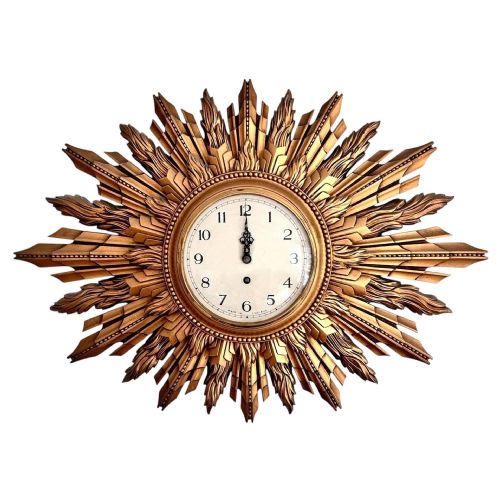
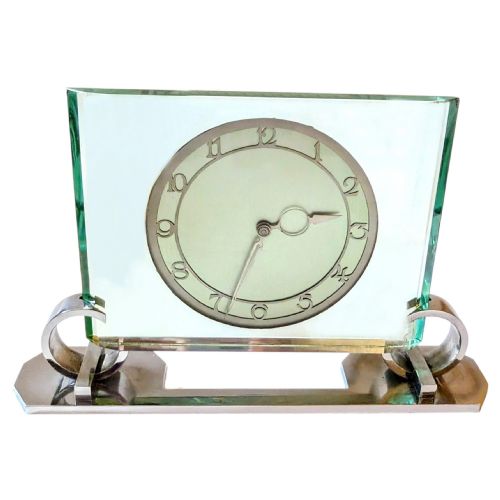
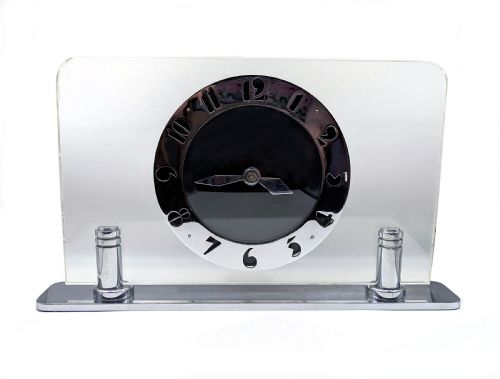
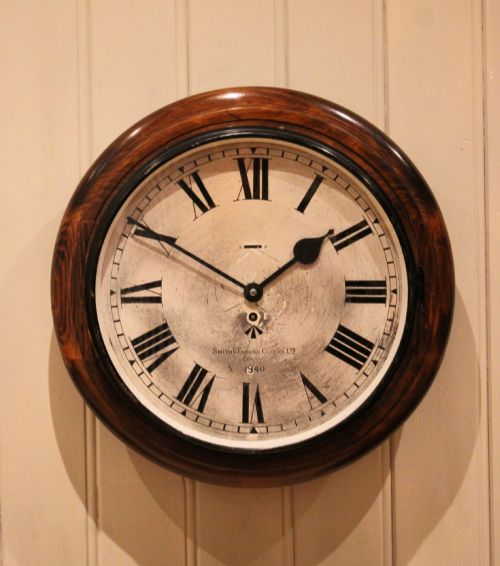
A vintage smiths clock brings utilitarian precision and striking period design into a room, whether through a robust railway dial or an Art Deco glass mantel piece.
Vintage Smiths Clock
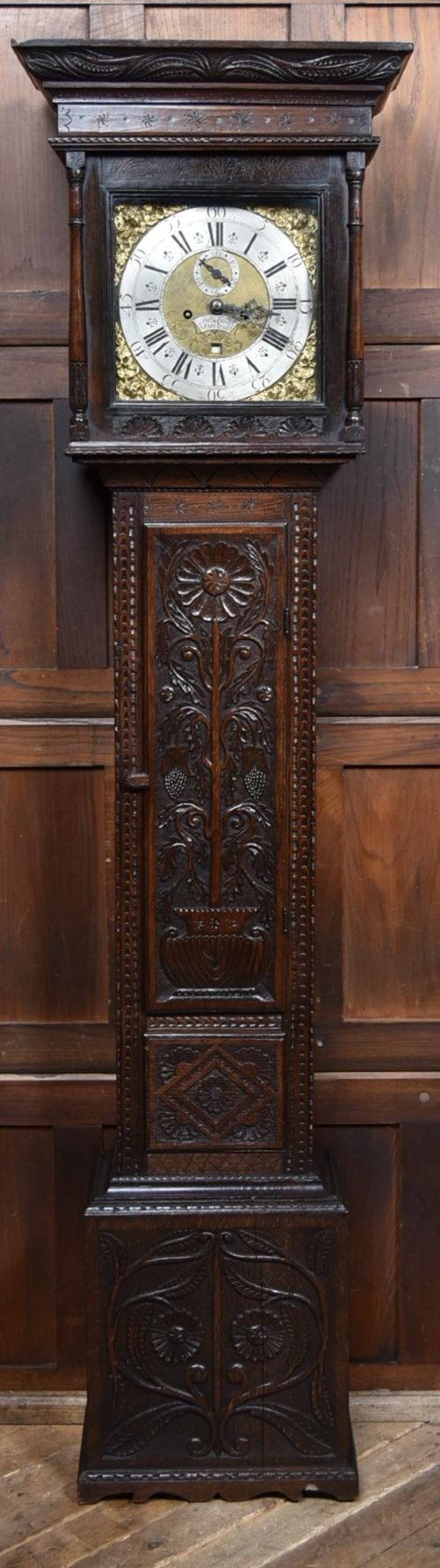
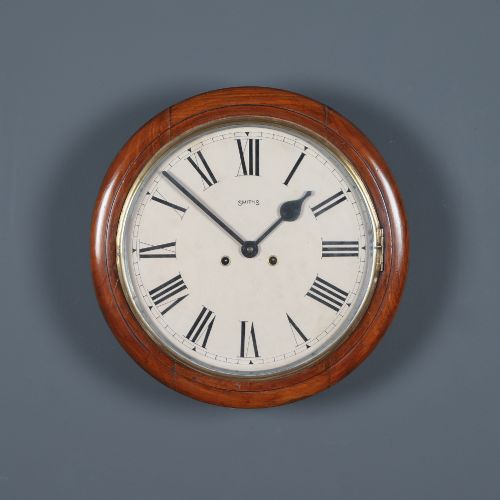
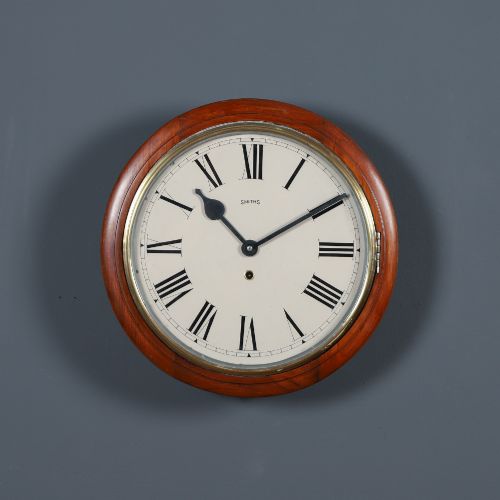
A vintage smiths clock encompasses practical timepieces produced across the twentieth century alongside eighteenth-century longcase examples bearing maker names. Buyers hunting this phrase encounter everything from railway station wall dials to Art Deco mantel pieces and utility office issues.
The most frequent finds span the 1930s to the 1950s, capturing the shift from traditional wood surrounds to modernist chrome, bakelite, and peach mirror glass. Industrial wall models and transport issues from railway and ministry contexts dominate the selection alongside domestic desk and table clocks.
Materials and construction
Makers utilised solid timbers such as mahogany, oak, and beech for traditional dials and longcase bodies, while later twentieth-century production embraced industrial metals, chrome, and newly developed plastics like bakelite. Glass protected the faces of wall and mantel designs, often taking on specialist forms such as peach mirror or see-through panels.
Movements ranged from mechanical wind-up and 8-day systems to electric mechanisms, housed within brass bulkheads, metal casings, or decorative ceramic and glass bodies. Utility models for transport and military service prioritised durable brass and robust metal housings built to withstand heavy daily use.
Vintage Smiths Clock Retail Price Guide 2026
Typical asking prices for vintage smiths clock among the pieces listed under this phrase on Sellingantiques today, from the lower quarter to the upper quarter. They describe what is for sale here now, not the wider market.
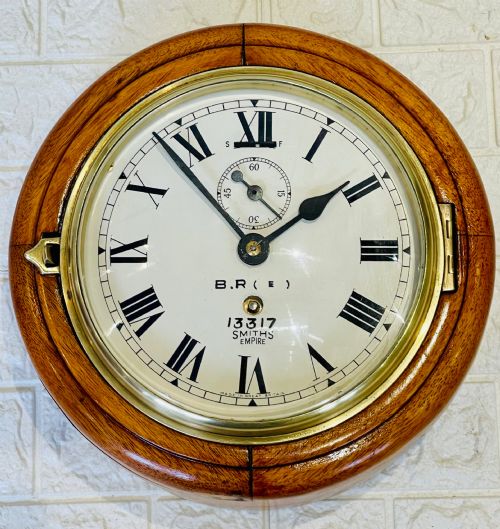
Some railway signal box models earned the affectionate nickname pork pie clocks due to the distinctive protruding shape of their metal cases.
Factors of quality
Distinction also lies in the complexity of the design, separating simple utility round dials from ambitious Art Deco starbursts, mystery clocks, and double-sided factory models. The crispness of signed dials and the preservation of original finishes determine how closely a piece reflects its period of manufacture.
Smiths Clock Company·Smiths Clockmakers·A.L. Davenport
The Vintage Smiths Clock Glossary
- Bakelite
- An early form of synthetic plastic used extensively for clock bezels and mantel casing bodies during the mid-century period. It offers a smooth, dark moulded finish.
- Bulkhead clock
- A heavy-duty timepiece traditionally mounted on the interior walls of ships or operational rooms. These feature secure brass cases designed to resist moisture and vibration.
- Dial
- The visible face of the clock where numbers and markers indicate the time. Smiths models frequently feature railway, school, or ministry specific lettering upon these surfaces.
- Longcase clock
- A tall freestanding weight-driven timepiece housed in a wooden trunk, also known as a grandfather clock. Eighteenth-century examples often bear signatures on the brass or painted dial.
- Mystery clock
- A decorative timepiece where the movement mechanism is cleverly concealed within the design, making the hands appear to float without visible connection.
Vintage Smiths Clock: Frequently Asked Questions
How do I date a vintage smiths clock?
Dating relies upon examining the casing materials, typography on the dial, and any institutional markings from transport boards or ministries. Mid-century pieces often display specific style cues like bakelite housings or Art Deco peach glass.
Makers frequently incorporated design elements typical of their decade of manufacture, ranging from 1930s geometric modernist lines to utilitarian 1950s office issues.
What maintenance do mechanical models require?
Mechanical wind-up and 8-day variants require regular manual winding to maintain tension in the mainspring. Keeping the mechanism clean and free from dust ensures the escapement functions correctly.
Professional servicing helps preserve the internal gears and maintains accurate timekeeping for older wall and mantel movements.
Were these clocks used on railways?
Yes, many Smiths pieces served as official timekeepers for railway companies, signal boxes, and station platforms across Britain. These models were built for high legibility and durability under continuous public use.
Railway issues often feature specific company lettering and robust wooden or metal surrounds designed for easy wall mounting.
How should I hang a heavy wall clock?
Heavy wall clocks and bulkhead pieces require secure fixing directly into wall studs or solid masonry using appropriate load-bearing screws and plugs. Hanging them from standard picture hooks is insufficient due to the substantial weight of the timber cases and brass bezels.
Ensuring the mounting is level prevents strain on the housing and keeps the internal pendulum or movement swinging truly.