

Vintage Silver Clock
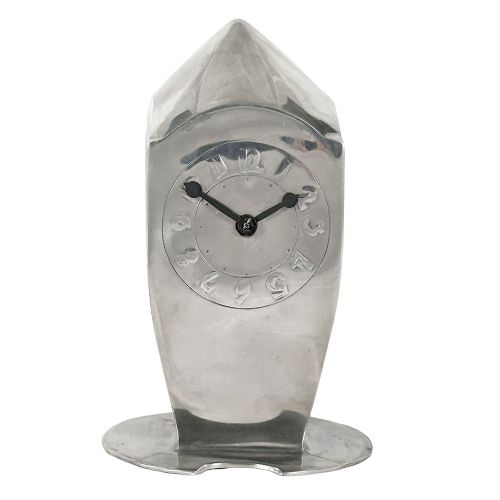
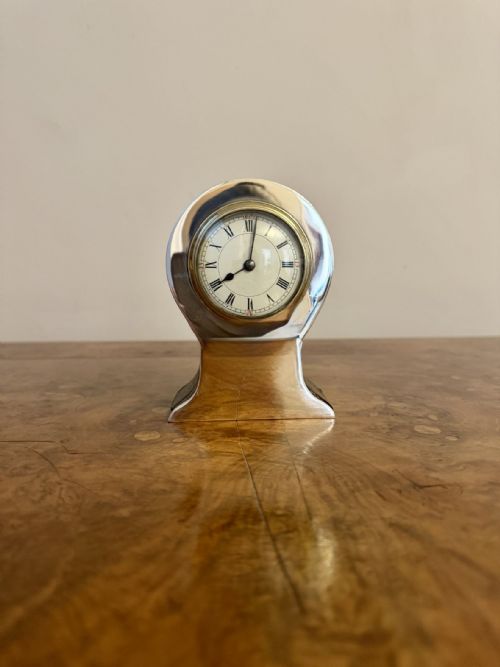
A vintage silver clock brings a gleaming, functional focal point to a mantel or desk, spanning eras from Victorian elaboration to Art Deco geometry.
Vintage Silver Clock
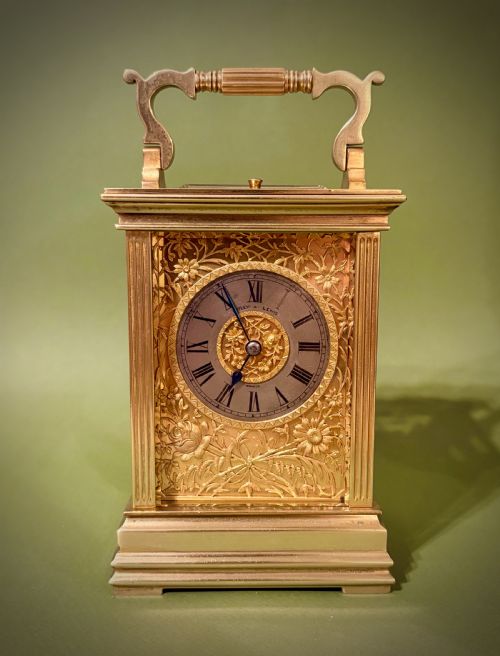
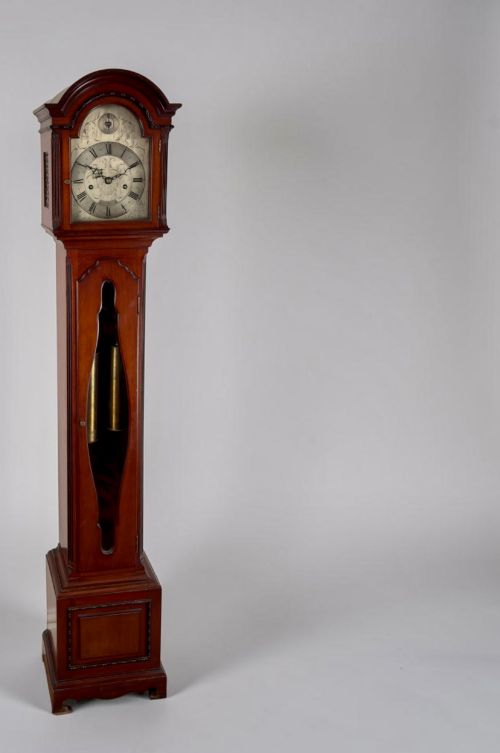
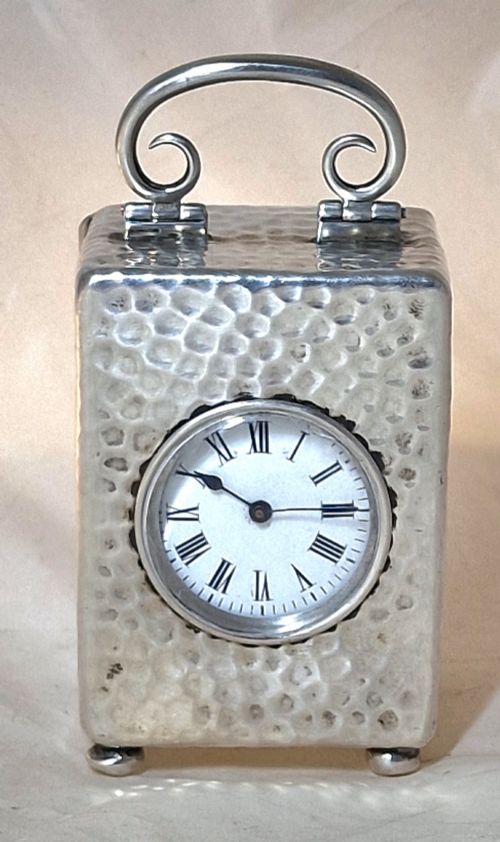
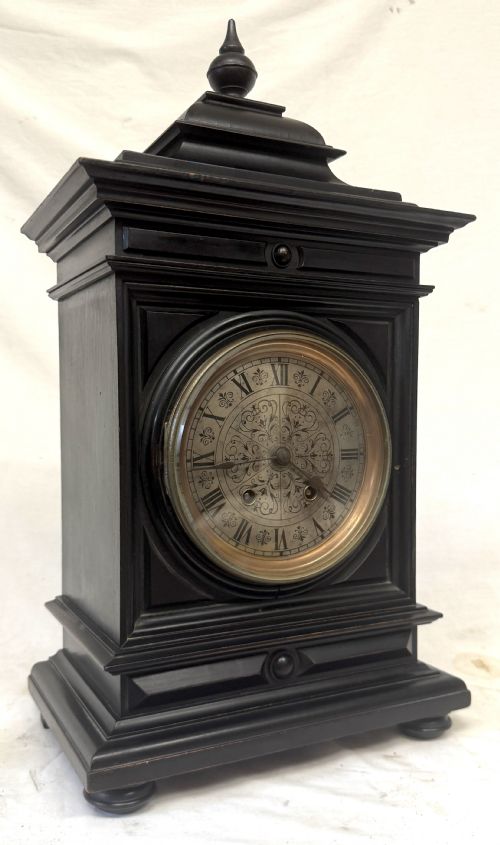
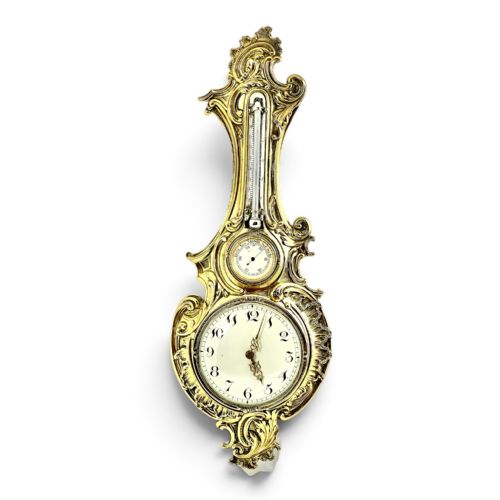
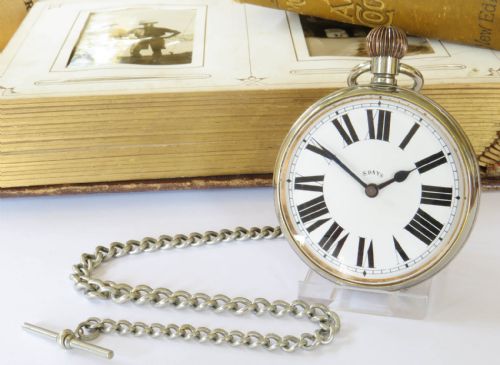
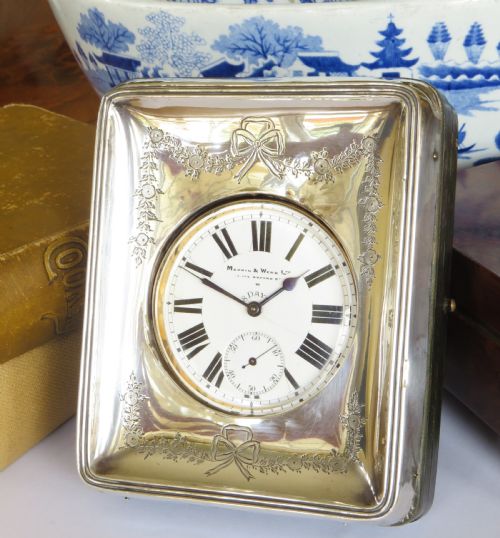
When searching for a vintage silver clock, you encounter a variety of forms ranging from pocket watches and desk clocks to carriage clocks, mantel clocks, and wall clocks.
The selections span multiple periods, notably the Victorian era, the Edwardian period, and the 1930s Art Deco movement, alongside earlier Georgian and Regency roots.
Silver appears as solid hallmarked cases, silver-gilt finishes, silvered dials, and silver plating on materials like brass, pewter, and mahogany.
Materials and construction
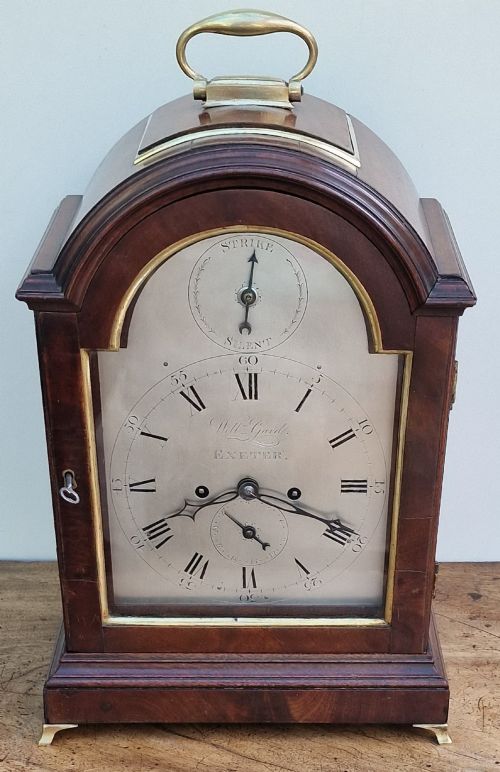
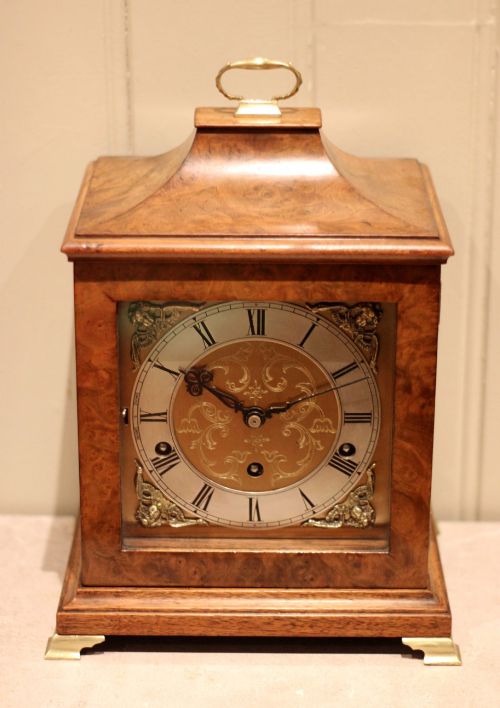
Clockmakers combined precious metals with structural foundations of brass, mahogany, burr walnut, ebonised wood, and pewter, often incorporating glass panels to reveal the internal movements.
Dials frequently utilised silvered metal or white enamel, while decorative elements integrated brass, enamel, and abalone shell.
Movements ranged from standard wind-up mechanisms and eight-day systems to fusee movements, marine chronometers, and repeating carriage escapements.
Vintage Silver Clock Retail Price Guide 2026
Typical asking prices for vintage silver clock among the pieces listed under this phrase on Sellingantiques today, from the lower quarter to the upper quarter. They describe what is for sale here now, not the wider market.
Materials in the current selection include sterling silver, silvered metal, brass, chrome, glass, mahogany, and pewter.
Assessing quality and execution
Quality rests in the crispness of the case metalwork, whether hand-hammered pewter by renowned designers or heavy sterling silver hallmarked by established makers.
The sophistication of the internal movement dictates distinction, separating simple timepieces from complex carriage clocks, skeleton clocks, and multi-train bracket clocks with chime capabilities.
Gillett & Johnston of Croydon·Lenzkirch·Mappin & Webb·Archibald Knox for Liberty & Co·Smiths Clockmakers·Richard Winter of Chieveley·Doxa·Friedrich Adler for Osiris·WMF·David Veasey for Liberty & Co·William Comyns·Walker·Benj Reeves Lamberhurst·Litherland Davies Of Liverpool·J Batson & Son
The Vintage Silver Clock Glossary
- Carriage clock
- A portable spring-driven timepiece originally designed for travel, featuring a rectangular glass-panelled case and a top carrying handle. They frequently include lever escapements.
- Skeleton clock
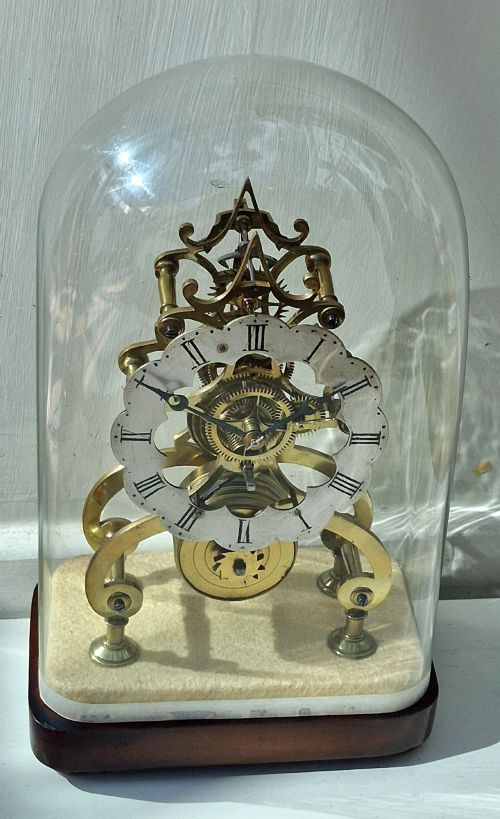
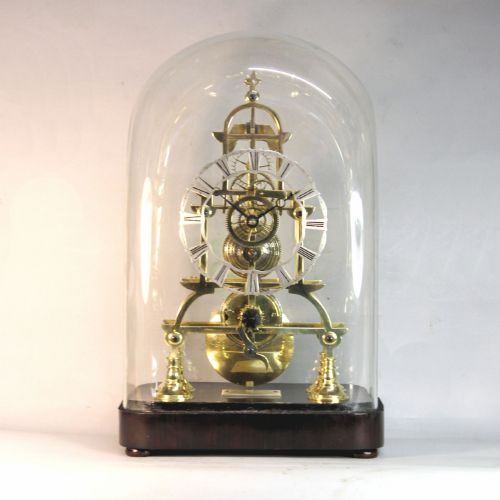
- A timepiece with an open framework that exposes the gear train and escapement, allowing a clear view of the mechanical action within. Victorian examples often sat beneath glass domes.
- Silvered metal
- A base metal treated with a thin coating of silver to produce a bright, reflective dial surface. This technique provides the appearance of solid silver while maintaining structural rigidity.
- Fusee
- A conical pulley used in mechanical clocks to equalise the decreasing power of a mainspring as it unwinds. It ensures consistent force is delivered to the gear train.
- Guilloche
- A decorative mechanical technique that etches precise, intricate repeating patterns into a metal surface. It frequently appears beneath translucent enamel on small dials and timepieces.
Vintage Silver Clock: Frequently Asked Questions
What is a carriage clock?
A carriage clock is a small, portable spring-driven timepiece equipped with a handle, originally created for travellers in the nineteenth century.
Enclosed in brass or silver frames with glass panels on all sides, these pieces allow a clear view of the escapement ticking within.
How do I wind an eight day clock?
An eight day clock requires winding approximately once a week via key holes on the dial or movement backplate.
Care must be taken not to over-wind the spring, stopping firmly when resistance meets the key.
What is a skeleton clock?
A skeleton clock is designed with an exposed gear train and brass plates cut away to reveal the mechanical movement.
Victorian makers often displayed these intricate mechanisms beneath glass shades to protect them from dust.
How are Art Deco clocks different?
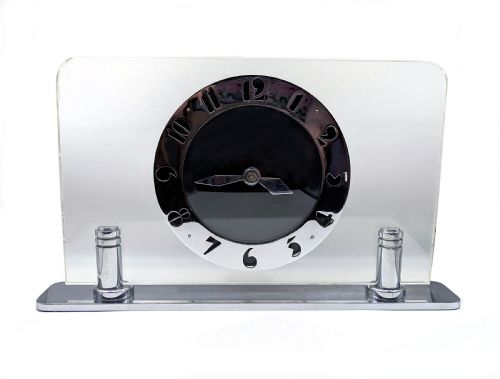
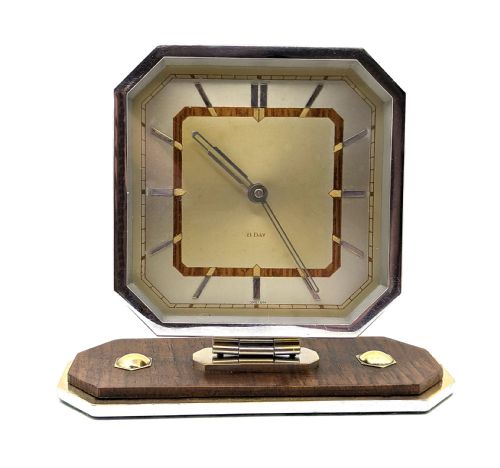
Art Deco clocks from the 1930s embrace streamlined geometric forms, chrome metals, and modern typography on the dial.
They shift away from traditional wood brackets toward architectural silhouettes suited for desks and mantelpieces.