


Henry Matthews Silver
Henry matthews silver brings together intricate vanity items and desk wares spanning the late Victorian, Edwardian and Art Deco eras.
Identifying Henry Matthews Silver
Henry matthews silver encompasses a varied output of small decorative and utilitarian objects produced by the Birmingham silversmith. You will most frequently encounter dressing table accessories, vanity items and desk wares carrying these hallmarks.
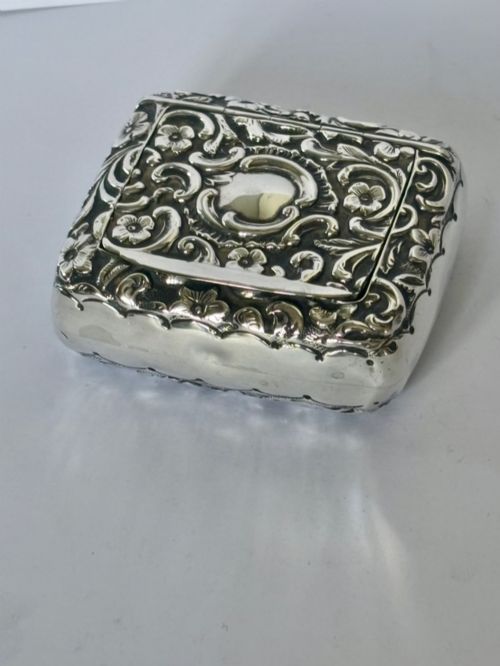
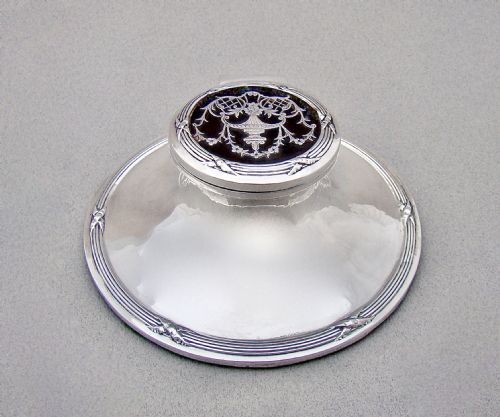
The objects range from Victorian embossed snuff boxes and repousse cigarette cases to Edwardian capstan inkwells and photo frames. Later pieces extend into Art Deco guilloche enamel compacts, purses and magnifying glasses.
Production spans the late nineteenth century through the Edwardian period and into the nineteen twenties. Each piece demonstrates the shift in decorative taste from ornate Victorian floral motifs toward sleek geometric Art Deco lines.
Materials and Techniques
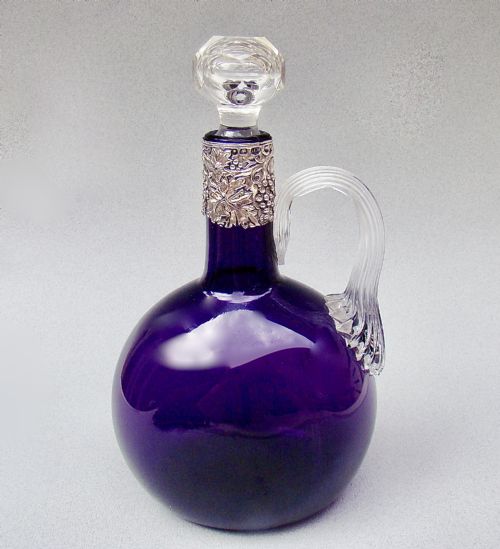
Items are constructed from sterling silver, frequently paired with secondary materials such as glass, wood, velvet and tortoiseshell. Certain pieces receive a silver gilt finish for a rich interior or surface contrast.
Surface decoration relies on embossing, repousse work and spot-hammering associated with the Arts and Crafts movement. Enamelling techniques include vitreous enamel and patterned guilloche work beneath translucent coloured glazes.
Retail Price Guide 2026
Typical UK retail prices for henry matthews silver, calculated from the Sellingantiques database of over a million retail prices indexed since 2003. This retail price guide relies exclusively on Sellingantiques data; no external sources or auction records are used, so the figures do not describe the wider market.
Mischievous novelty items include a pig pin cushion alongside standard vanity wares.
Assessing Craftsmanship
Quality rests upon the crispness of the original stampings and the depth of the repousse or embossed relief. Finer examples retain sharp detailing across high-relief motifs without thinning of the silver sheet.
The condition and application of secondary materials dictate overall merit. Intact guilloche enamel free from chips, secure tortoiseshell mounts and well-fitted glass inserts elevate a piece above standard domestic wares.
Henry Matthews
The Henry Matthews Silver Glossary
- Guilloche
- An intricate mechanical engraving technique that etches precise geometric patterns into metal substrates. This patterned surface is then typically covered with translucent enamel.
- Repousse
- A metalworking technique where the silversmith hammers the metal from the reverse side to form a raised design in relief. Detail is subsequently refined from the front using chasing tools.
- Silver gilt
- Sterling silver that has been coated with a thin layer of gold through an electrolytic or fire-gilding process. This imparts a warm golden hue while maintaining a solid silver structure.
- Capstan inkwell
- A desk accessory shaped like a nautical capstan, featuring a wide circular base tapering upwards towards the ink reservoir opening. This heavy base prevents the inkstand from tipping over easily.
- Vesta case
- A small pocket container specifically designed to hold matches and keep them dry. These cases usually feature a striker integrated into the base.
Frequently Asked Questions
What periods do these pieces date from?
Most items originate from the late Victorian and Edwardian eras, spanning the late nineteenth century up to the First World War. Production continues into the nineteen twenties, embracing Art Deco and modernist styles.
Assay office marks and date letters stamped alongside the maker's mark allow you to date individual pieces precisely down to the specific year of hallmarking.
How do I identify a Henry Matthews piece?
Look for the maker's stamp showing the initials HM alongside the appropriate city assay mark, which is predominantly the anchor for Birmingham. These punches appear on the body of the silver or on the integrated mounts.
Accompanying hallmarks will show the standard lion passant for sterling silver and a distinct letter indicating the exact year of manufacture.
What items are most commonly found?
Dressing table accessories form the bulk of surviving output, including powder compacts, trinket boxes, mirrors, scent bottles and various jars. Desk equipment such as photo frames, inkwells and magnifying glasses also appear regularly.
Smaller personal items like card cases, vesta cases, pill boxes and belt buckles complete the typical range encountered on the market.
How should I care for silver and enamel pieces?
Keep silver items away from direct sunlight, damp environments and rubber bands, which can tarnish or react with the metal surface. Clean the silver gently with a specialist microfibre cloth, avoiding abrasive dips that strip away patination.
Enamel components require particular care, needing only a soft dry cloth to remove dust without risking scratches to the glass surface.