


Antique Oak Timepiece
An antique oak timepiece brings substantial warmth and dependable mechanical character to a room.
What these pieces are
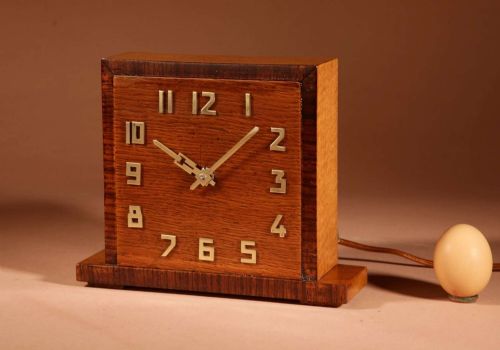
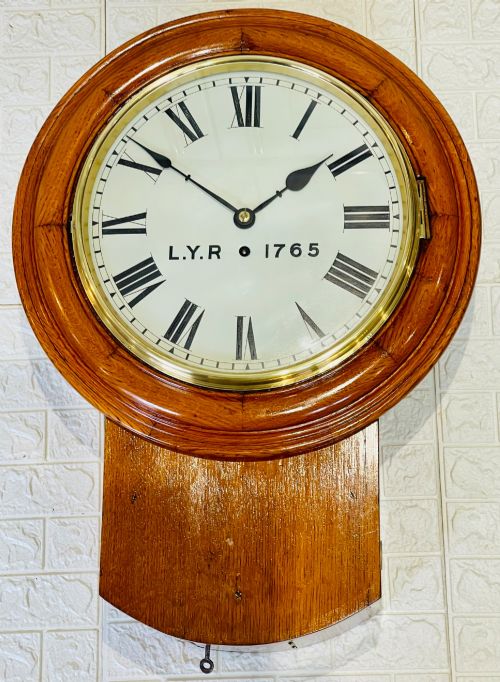
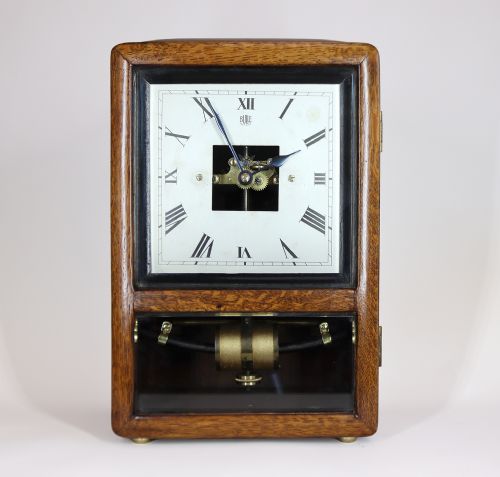
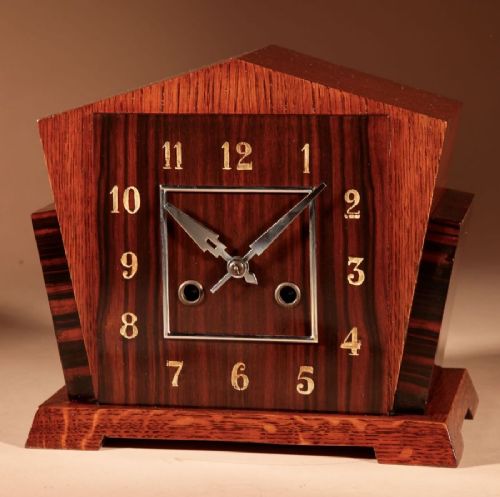
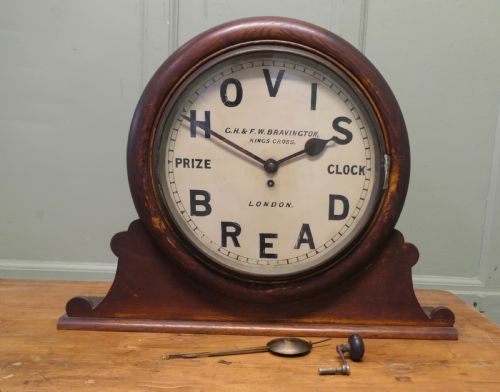
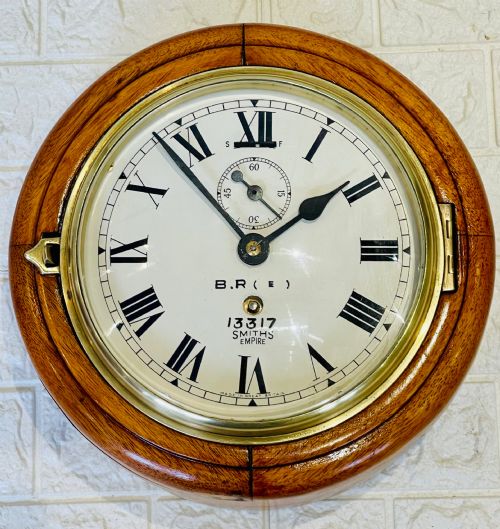
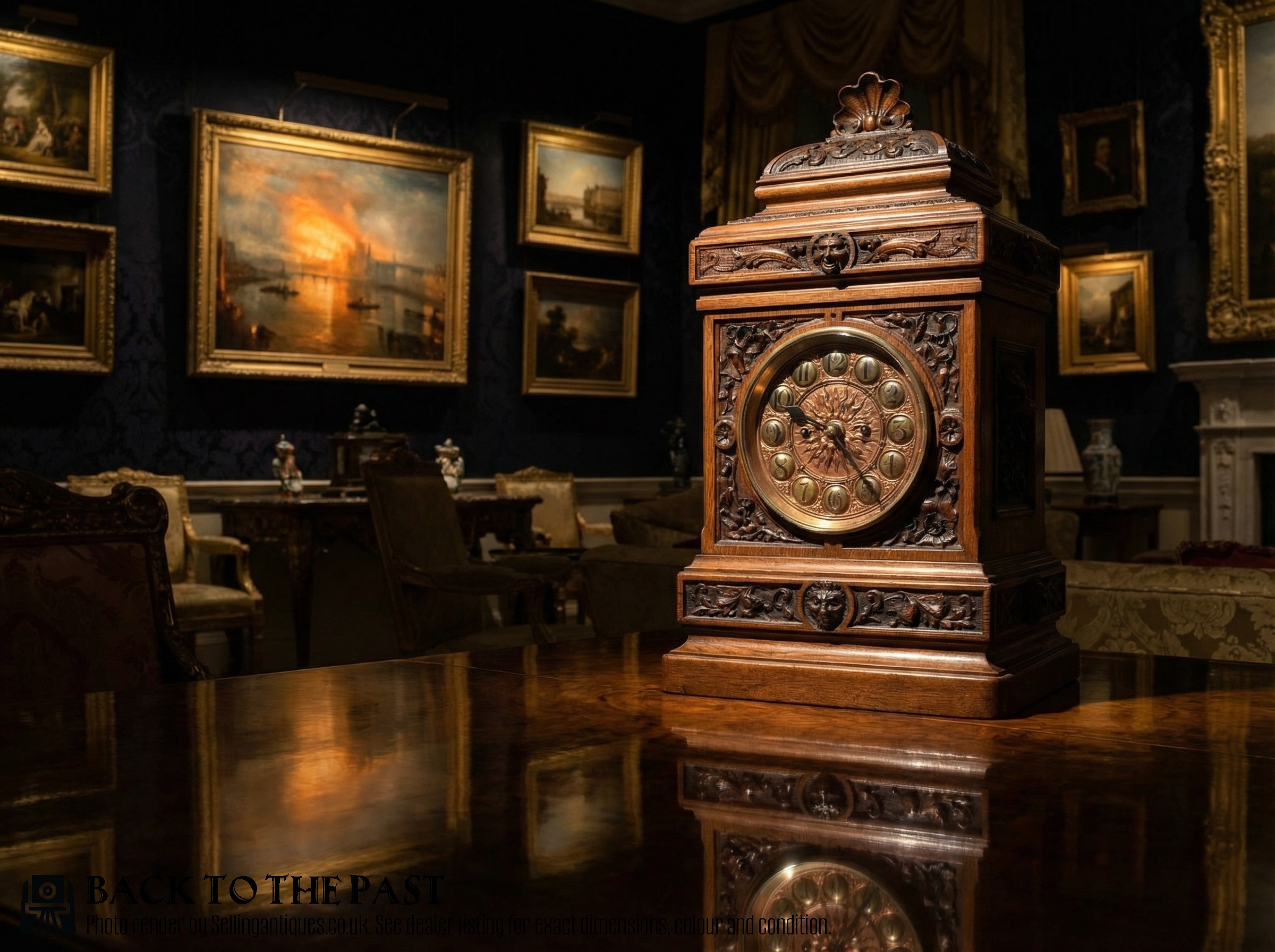
An antique oak timepiece encompasses sturdy mantel clocks, wall-hanging drop dial clocks, and four-glass bracket clocks produced across the Victorian, Edwardian, and early twentieth-century eras. The timber provides a robust, visible grain that underpins the architectural forms favoured by makers of these decades.
Buyers encountering this selection most frequently meet mantel and wall-mounted formats executed in solid or inlaid oak. These pieces range from restrained railway timekeepers to decorative domestic designs featuring contrasting satinwood inlay or hand carving.
The aesthetic vocabulary shifts from late nineteenth-century functional utility toward the fluid lines of Art Nouveau and the honest construction of the Arts and Crafts movement. Each iteration balances heavy timber housings with precise brass movements designed to regulate daily life.
How they were made
Cabinetmakers selected seasoned oak for its durability and grain pattern, frequently housing internal brass fusee or spring-driven movements. Dial faces combined silvered metal, enamel, and occasionally copper elements to display the time clearly.
Surface ornamentation relied on contrasting satinwood inlay, precise hand carving, and fitted glass panels that revealed the mechanical components within. Joinery techniques ensured the dense timber housings remained stable around the delicate gear trains over decades of service.
Retail Price Guide 2026
Typical UK retail prices for oak timepiece, calculated from the Sellingantiques database of over a million retail prices indexed since 2003. This retail price guide relies exclusively on Sellingantiques data; no external sources or auction records are used, so the figures do not describe the wider market.
Railway timepieces kept strict schedules for Victorian commuters, proving that even a mantel clock could boss people around.
What varies in quality
Superior examples distinguish themselves through the crispness of the timber carving and the integration of specialised movements such as fusee mechanisms. The harmony between the oak housing and secondary materials like satinwood inlay or silvered metal dials separates standard production from finer workshop output.
Quality also resides in the proportion and architectural balance of the case, where restrained moulding and thoughtful grain placement elevate a utilitarian object into a considered interior fixture.
W and H
The Antique Oak Timepiece Glossary
- Fusee
- A conical pulley used in better mechanical clocks to maintain an even pull on the movement as the mainspring unwinds. This mechanism ensures more accurate timekeeping throughout the power reserve.
- Drop dial clock
- A wall-mounted timepiece featuring a circular dial above an extended wooden trunk, historically utilised in offices, stations, and public buildings. The lower case often houses a pendulum swing.
- Four-glass clock
- A bracket clock enclosed by glass panels on all four sides, allowing an unobstructed view of the internal brass movement. It represents a refined development in table clock design.
- Satinwood inlay
- Decorative woodwork where contrasting light-toned satinwood is fitted into recesses within the darker oak surface. This technique creates geometric or floral patterns across the clock face or body.
Frequently Asked Questions
What is an antique oak timepiece?
An antique oak timepiece is a mechanical clock housed in a wooden case made from oak, dating from periods such as the Victorian era or the early twentieth century.
These clocks function using internal brass gear trains driven by springs or weights to measure hours and minutes.
Where were drop dial clocks used?
Drop dial clocks were designed primarily for wall mounting in commercial offices, railway stations, and domestic hallways where visibility and reliable timekeeping were paramount.
Their distinctive extended cases accommodated the swinging pendulum beneath the main dial.
How do I care for my clock?
Maintaining these clocks involves placing them on a level surface away from direct heat sources and sudden temperature fluctuations that can affect the timber and internal oils.
Professional servicing every few years ensures the brass movements remain clean and operational.
What styles are common in oak clocks?
Common styles span late Victorian utilitarian designs, fluid Art Nouveau decorative cases, and hand-carved Arts and Crafts interpretations.
Each style reflects the prevailing design philosophy of its decade while utilising the durable qualities of oak.