
Dark Oak Clock
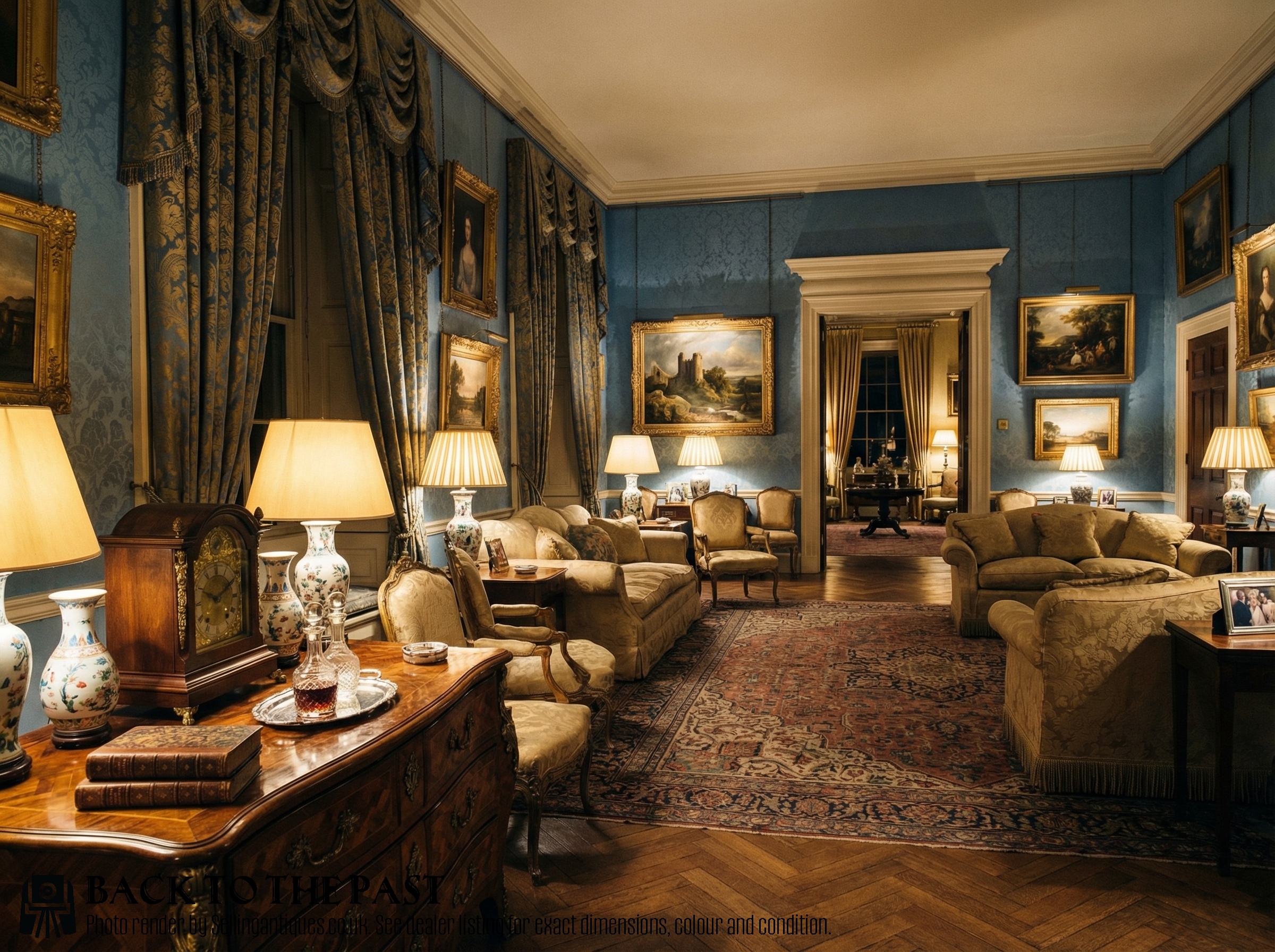
These pieces of dark oak clock range from towering longcase timekeepers to compact wall dials, bringing rich timber grain and mechanical history into a room.
Dark Oak Clock
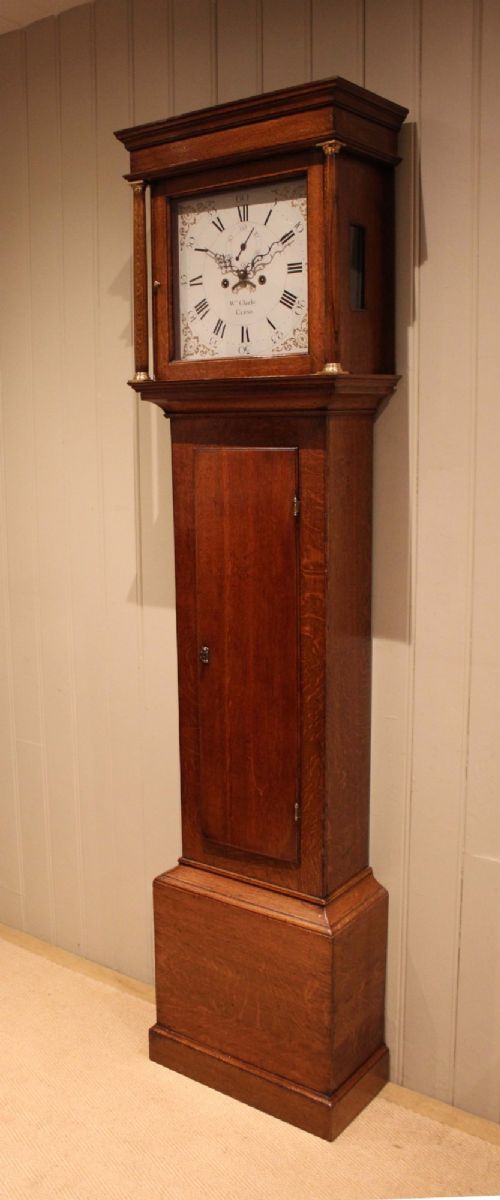
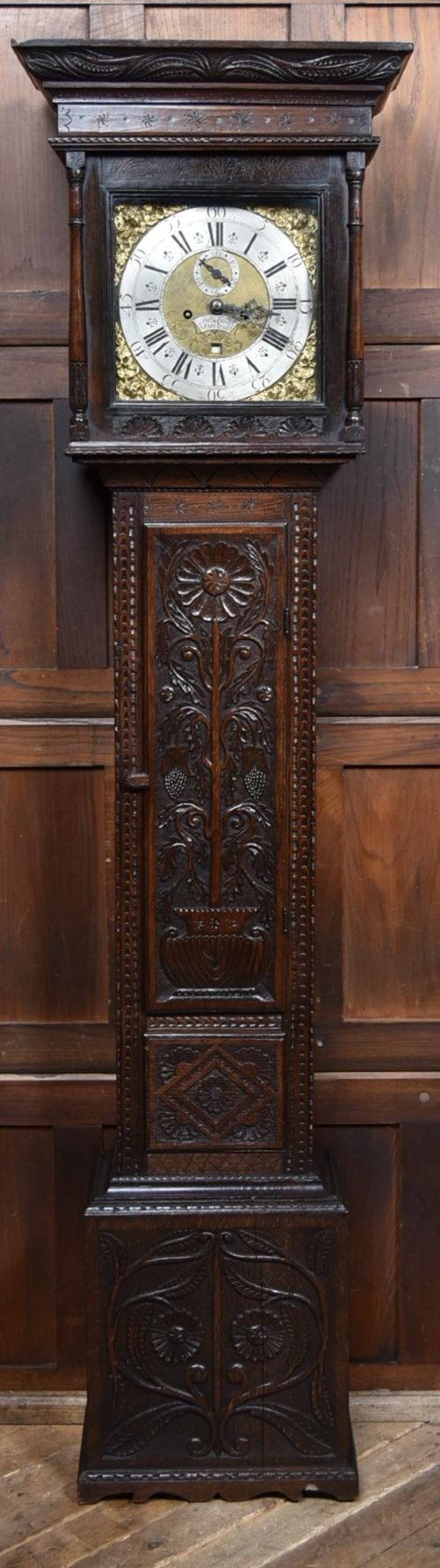
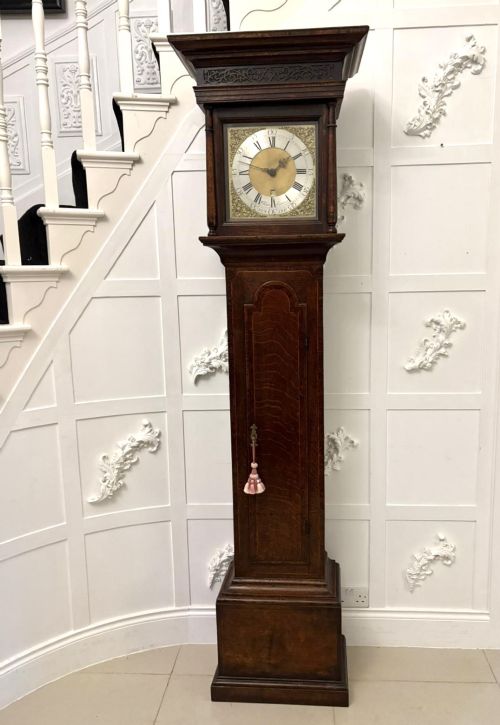
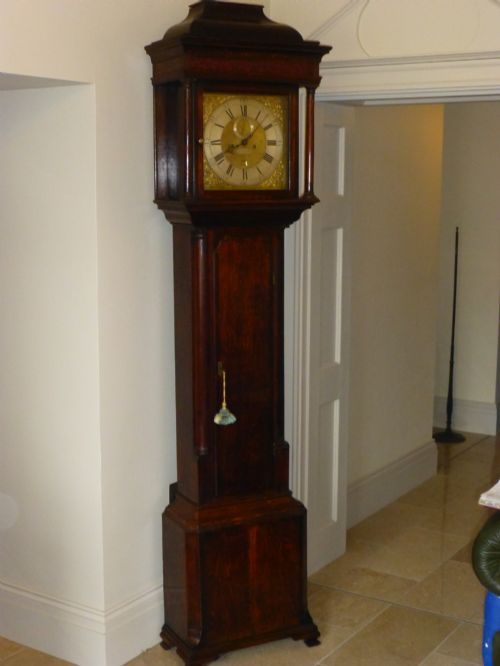
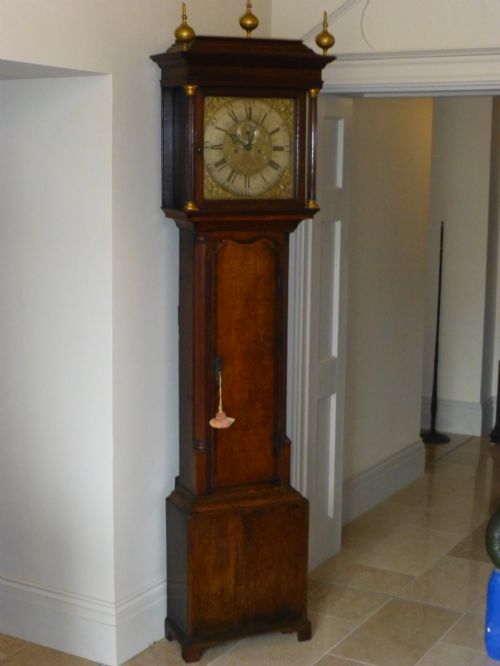
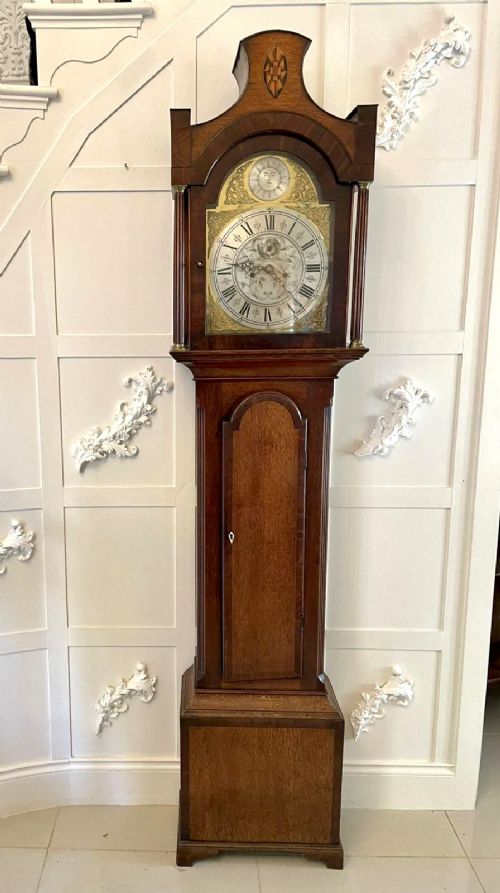
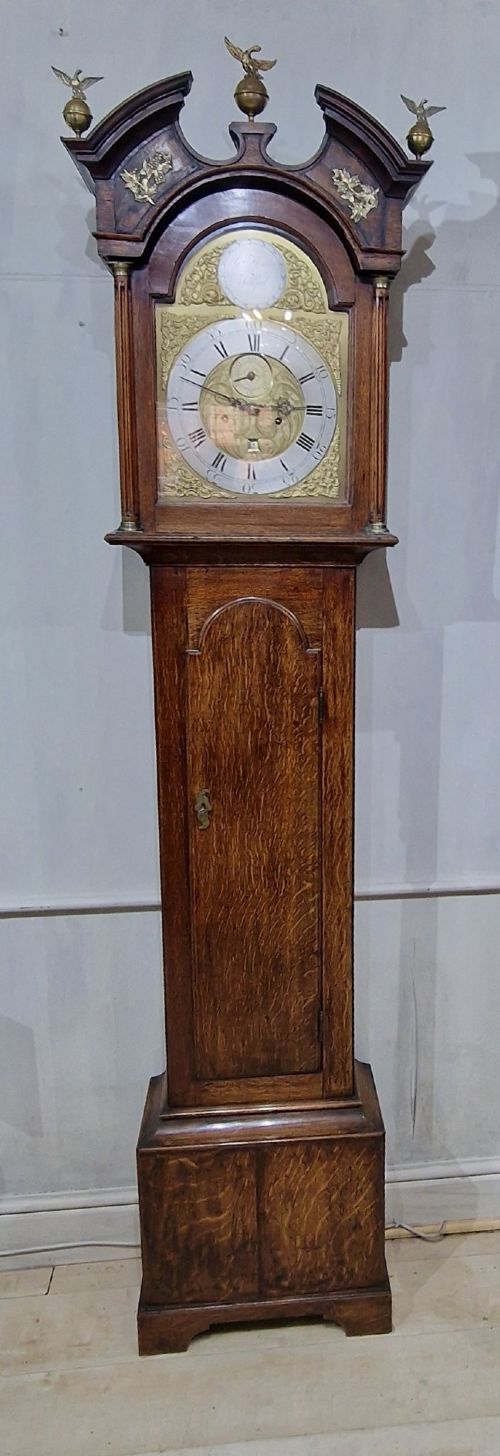
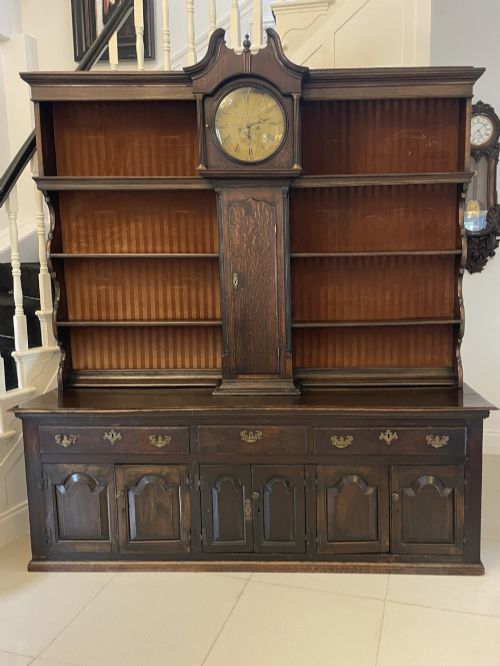
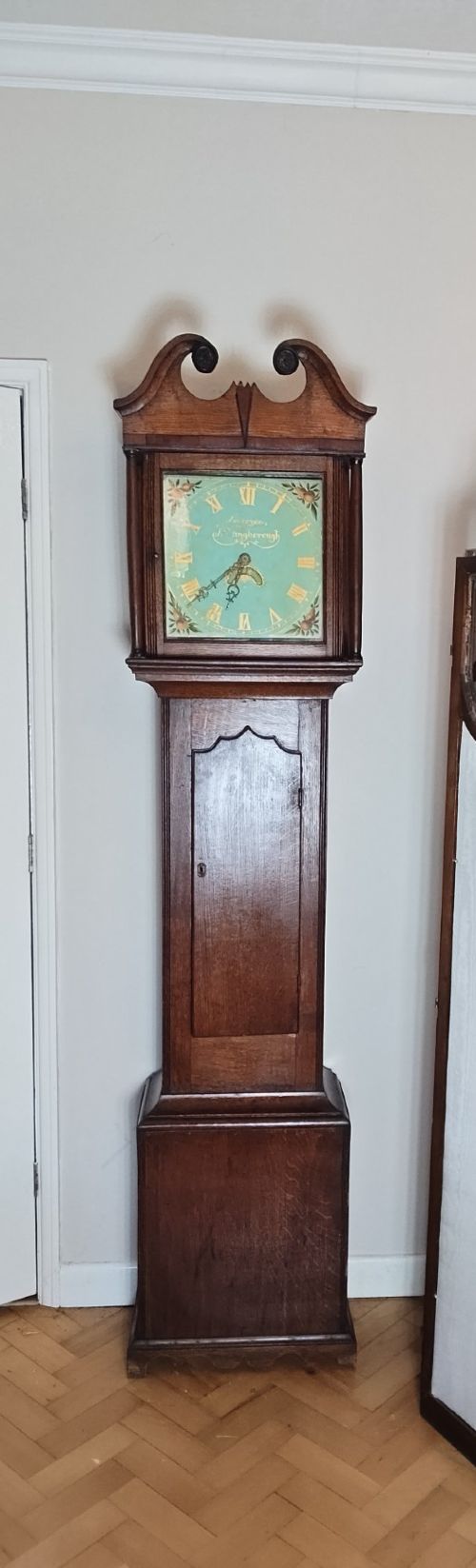
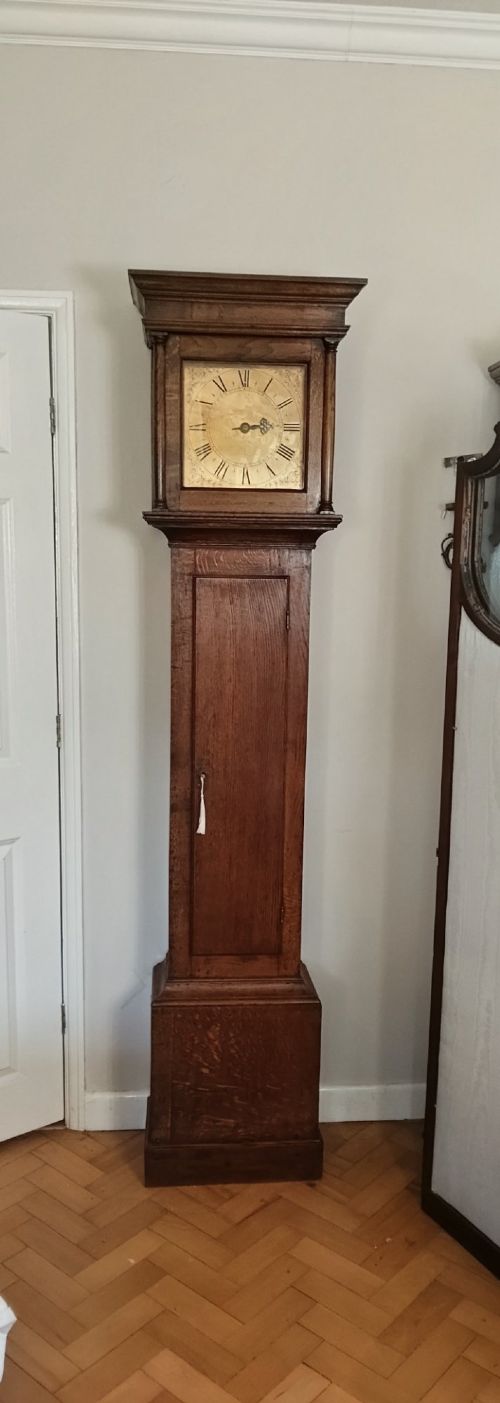
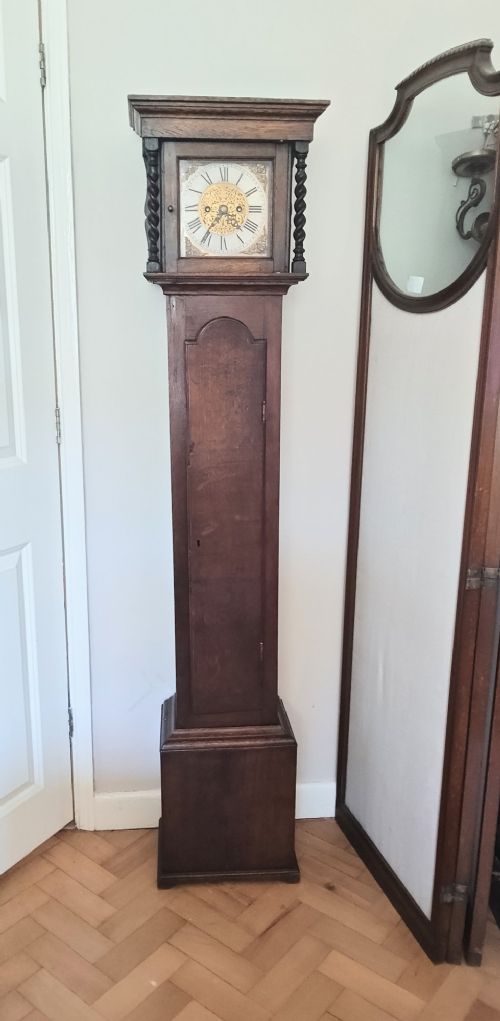
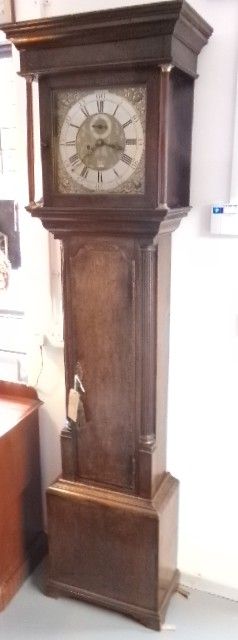
A dark oak clock most frequently appears on this page as a tall longcase timekeeper, often dating from the eighteenth century or the Georgian period with a brass dial. These substantial pieces anchor a hallway or reception room, housing weights and swinging pendulums within timber floor cases.
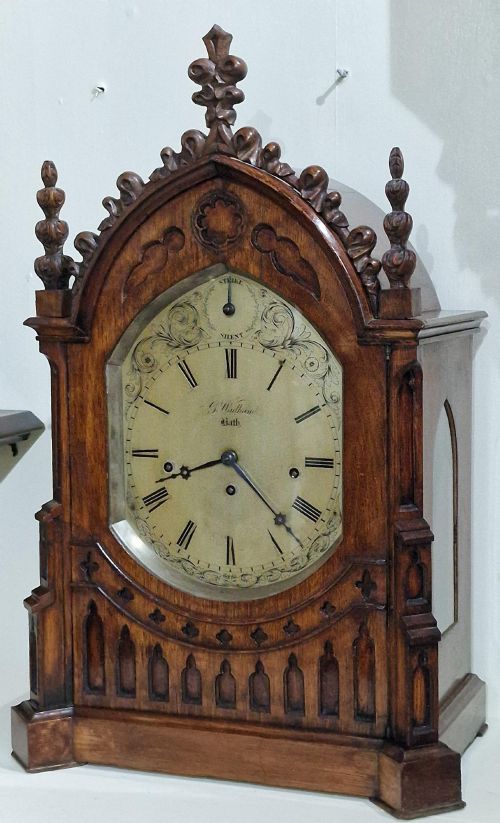
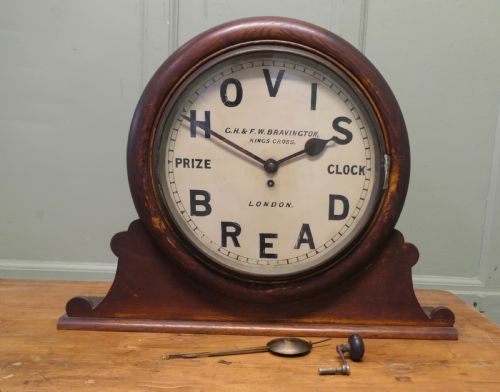
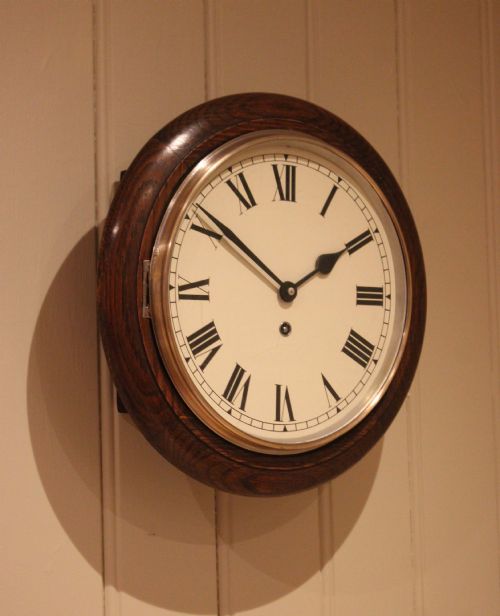
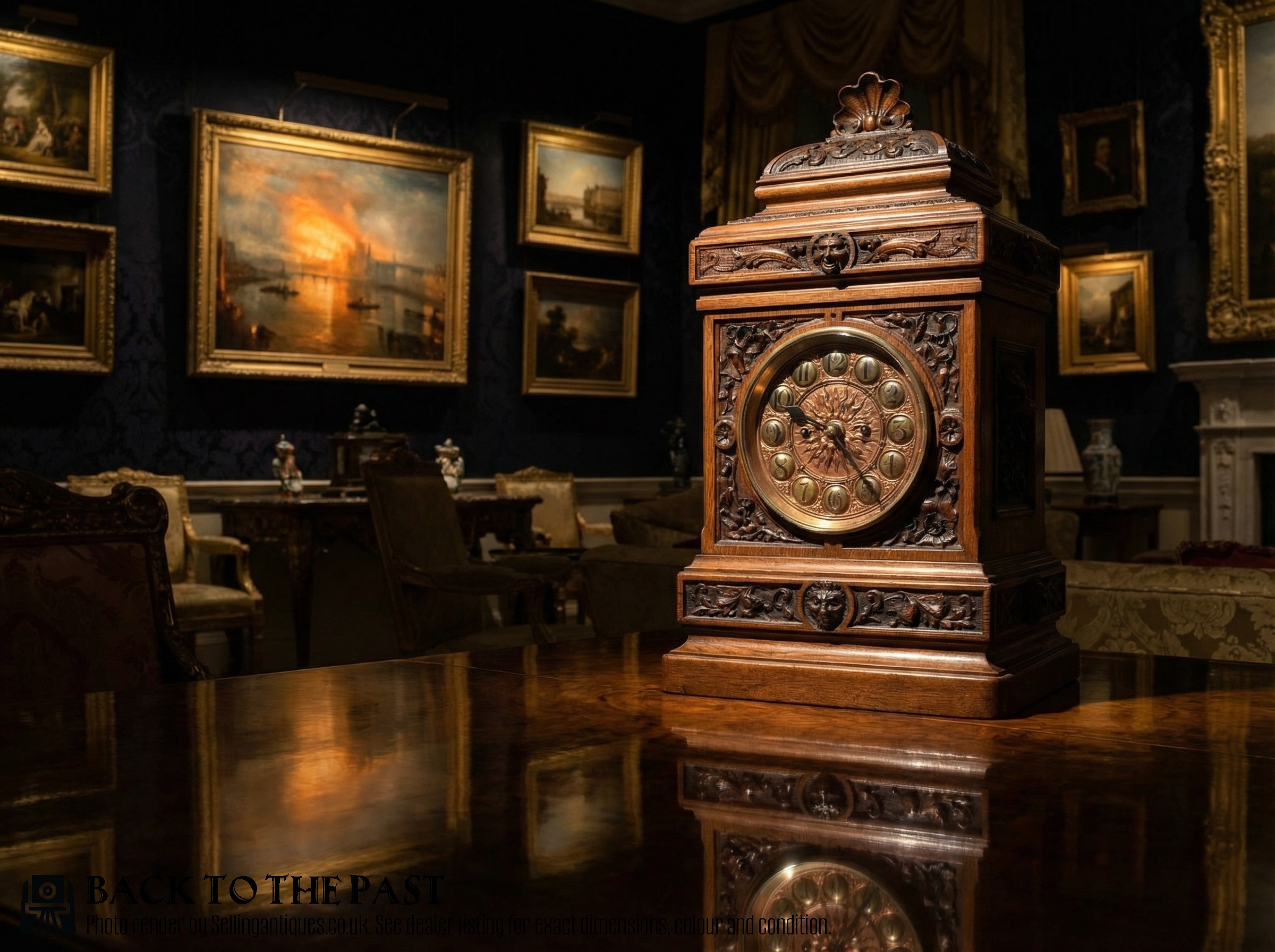
Beyond floor-standing grandfathers, buyers encounter wall dials, bracket clocks, and mantel pieces spanning the Victorian era through the early twentieth century. Styles shift from plain regional cabinetry to carved Black Forest designs and geometric Art Deco forms.
Markers of Standard
The sophistication of the internal movement separates standard domestic timekeepers from superior examples, particularly eight-day mechanisms, moon phase indicators, and chime or musical capabilities. Dial engagement matters deeply, with engraved brass faces and signed maker plates lifting a piece above unmarked variants.
Cabinet work distinguishes finer workshops through crisp mouldings, well-figured timber selection, and intact original hoods or bonnets on tallcase examples.
Dark Oak Clock Retail Price Guide 2026
Typical asking prices for dark oak clock among the pieces listed under this phrase on Sellingantiques today, from the lower quarter to the upper quarter. They describe what is for sale here now, not the wider market.
Some models chime multiple tunes or feature cuckoo birds that still pipe up on the hour.
Jn° Smith Macclesfd·Richard Corless of Stockport·Smith of Chester·James Hendrie Falkirk·George Wadham Bath·G.H.& F.W. Bravington London·Hyde & Sons Sleaford·Fisher Of Preston·George Hallifax Of Doncaster·Winterhalder & Hofmeier·Edward White Birmingham·Dent of London
The Dark Oak Clock Glossary
- Longcase clock
- A tall floor-standing timekeeper enclosed in a wooden trunk with a weighted movement, commonly known as a grandfather clock.
- Fusee
- A conical pulley mechanism that equalises the driving force of the mainspring as it unwinds, ensuring steady timekeeping.
- Bracket clock
- A portable table or shelf clock, originally designed to sit on a wall bracket.
- Aneroid barometer
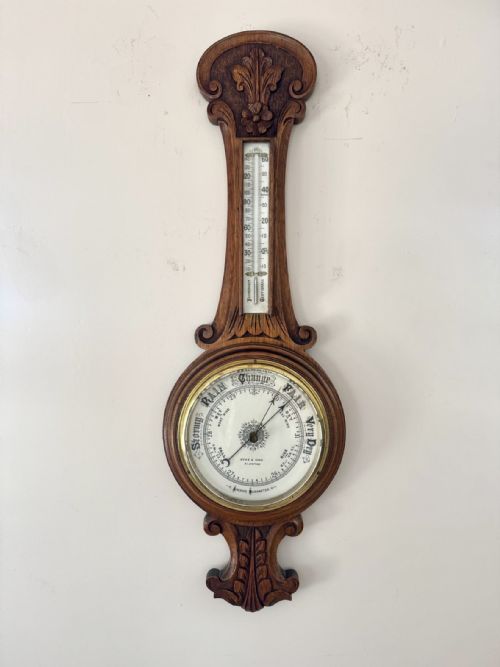
- An instrument measuring atmospheric pressure without liquid, frequently housed in carved oak wall cases alongside thermometers.
- Dial
- The visible face of the timepiece where numerals and hands indicate the hours and minutes.
Dark Oak Clock: Frequently Asked Questions
How do I wind an eight day clock?
Insert the winding key into the designated holes on the dial face and turn gently until resistance indicates the weights or springs are fully tensioned.
Take care not to overwind the mechanism, stopping the moment the tension increases firmly.
Where should I place a longcase clock?
Position the tall timber case against a sturdy interior wall away from direct sunlight, central heating vents, and damp exterior stone.
Level the case carefully using its feet or shims so the pendulum swings with an even, regular beat.
How do I tell an 18th century clock from a later copy?
Examine the construction of the movement plates, hand-cut gear teeth, and the fixing pins, which show signs of hand-tooling rather than industrial stamping.
The timber grain, patination, and cabinet joinery on the oak case should align with eighteenth-century regional workshop practices.
What is a fusee movement?
A fusee is a conical pulley connected to the mainspring by a fine chain or cord that maintains consistent power to the escapement.
This clever mechanical device improves timekeeping accuracy as the spring loses its tension between windings.