

Vintage Chiming Clock
A vintage chiming clock brings rooms to life through historic melodies, marking hours with mechanical resonance.
Vintage Chiming Clock
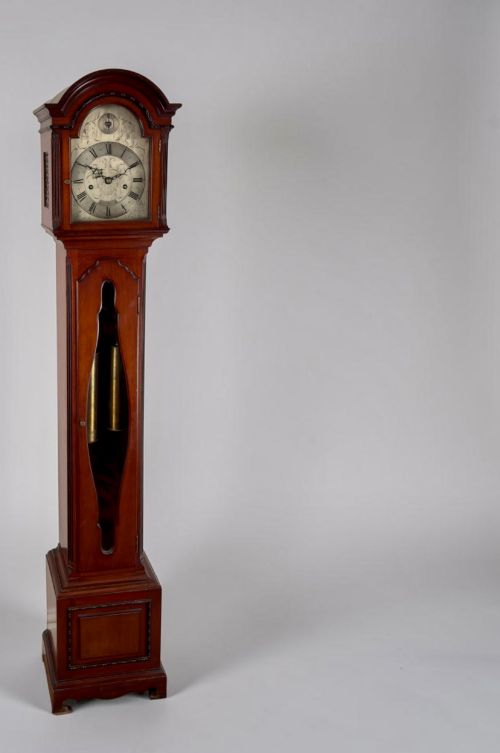
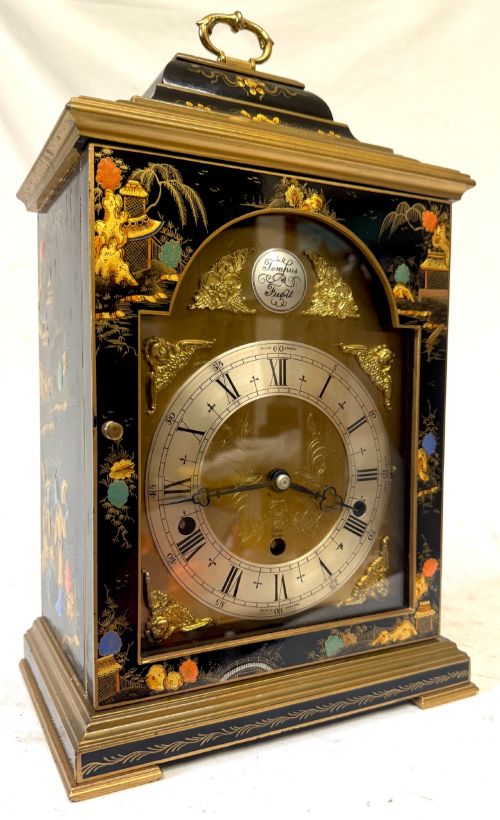
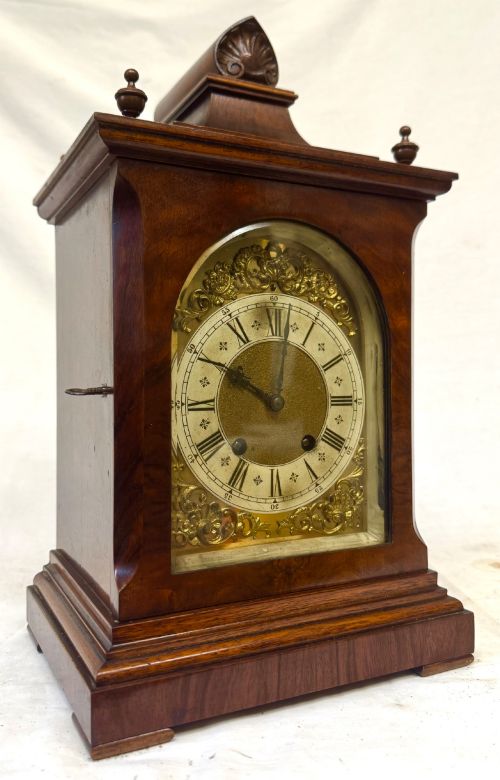
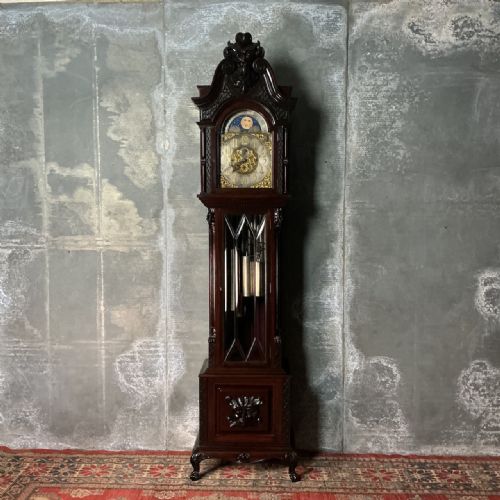
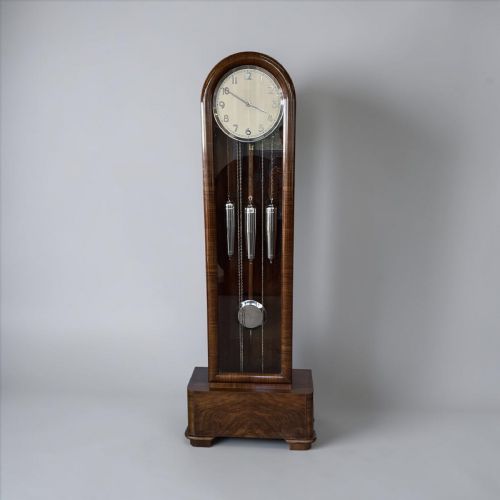
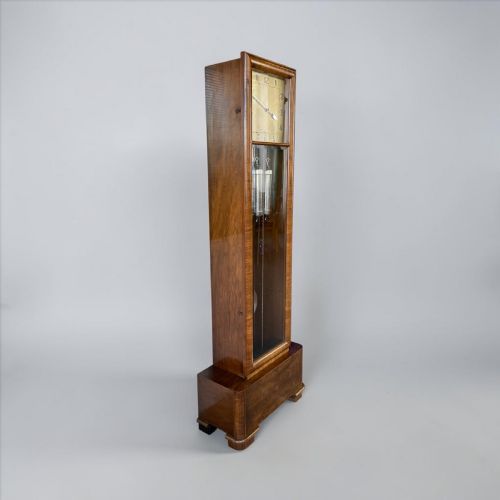
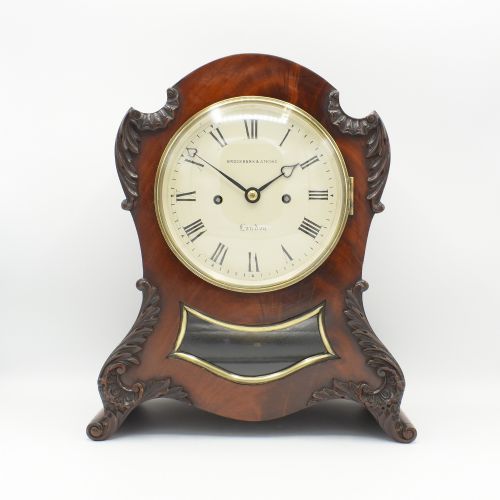
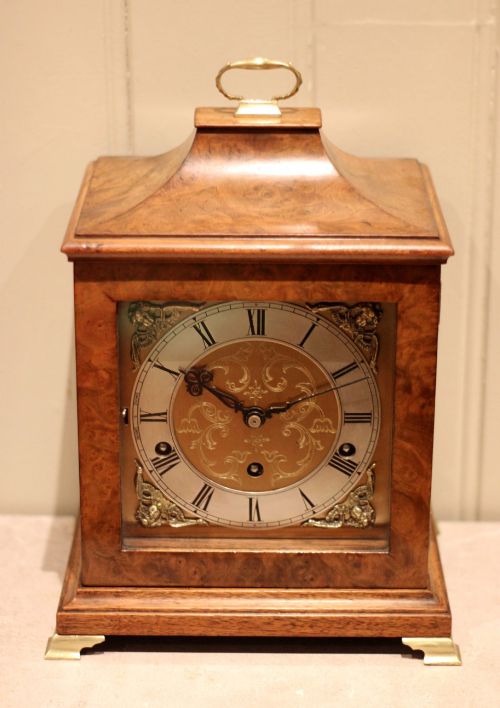
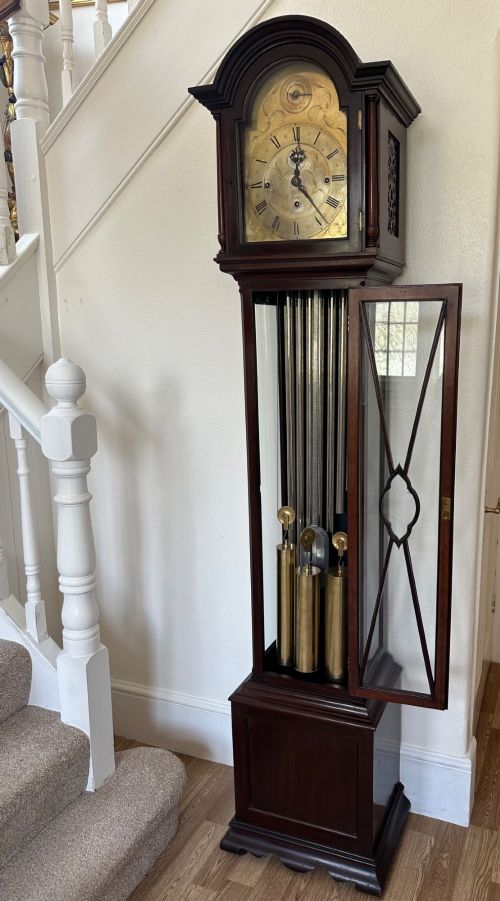
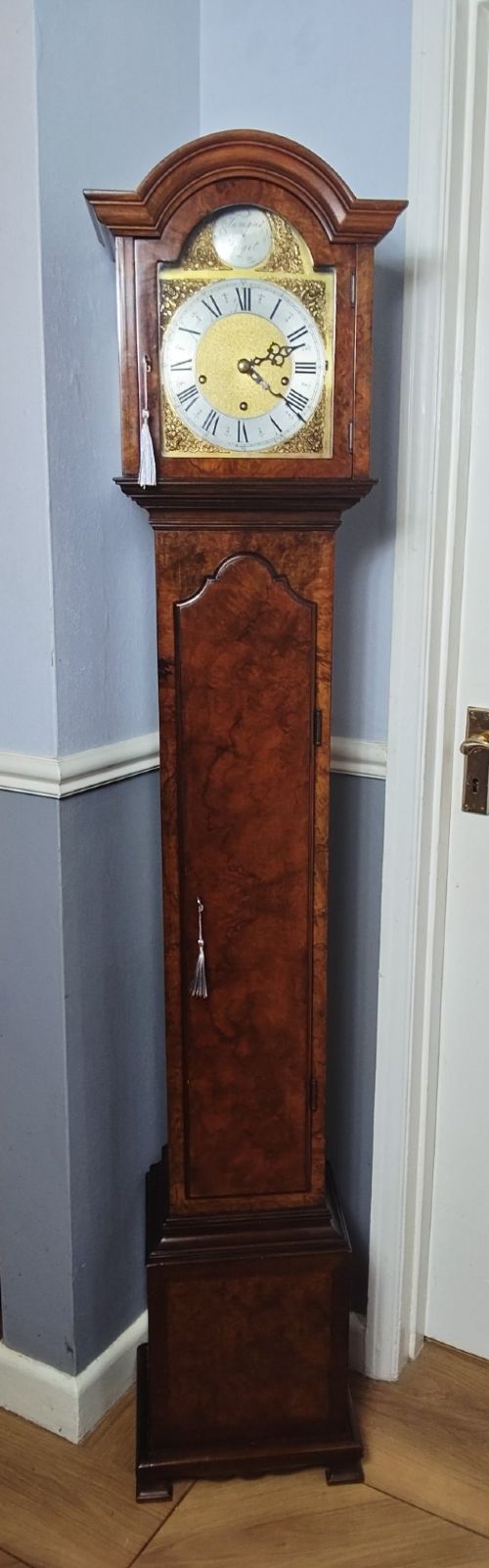
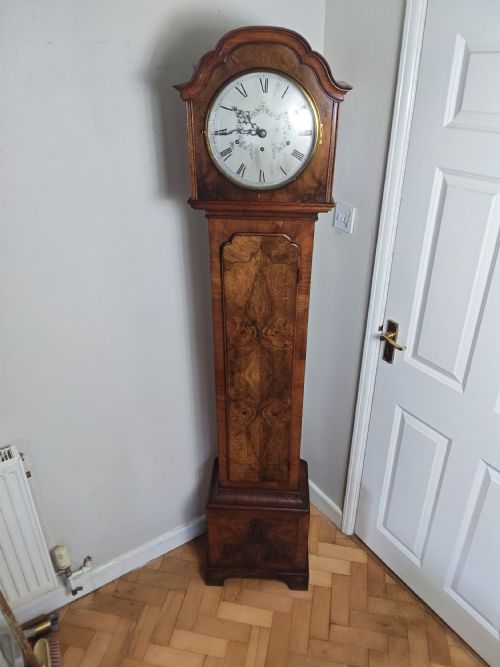
A vintage chiming clock encompasses tall floor-standing models like grandfathers and grandmothers alongside compact bracket and mantel variations. These horological items originate from diverse periods spanning the Victorian era through the mid-twentieth century.
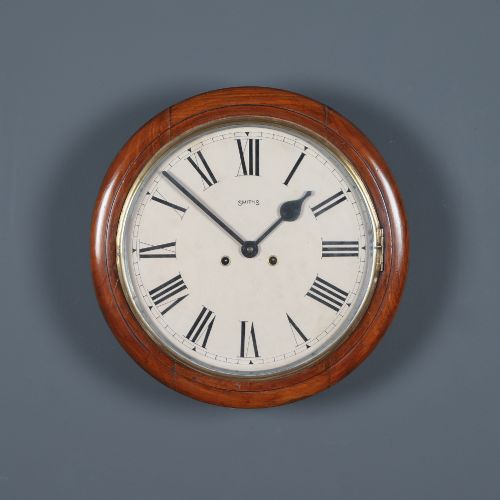
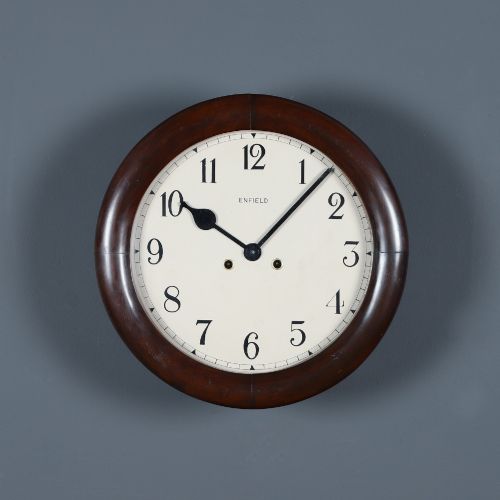
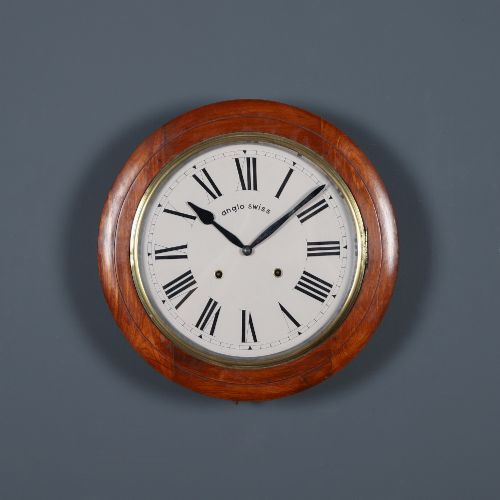
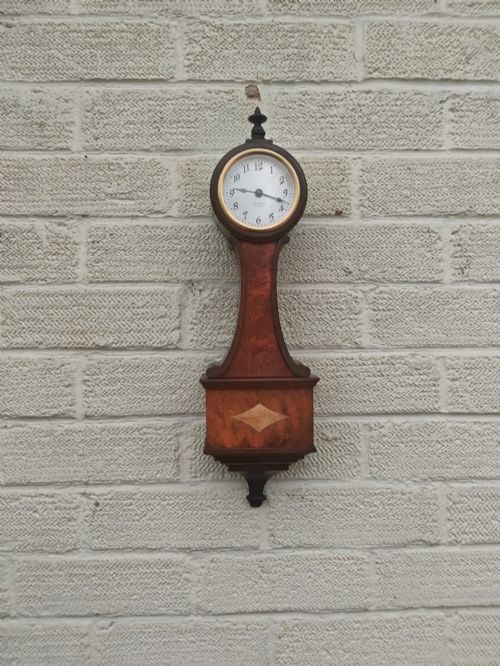
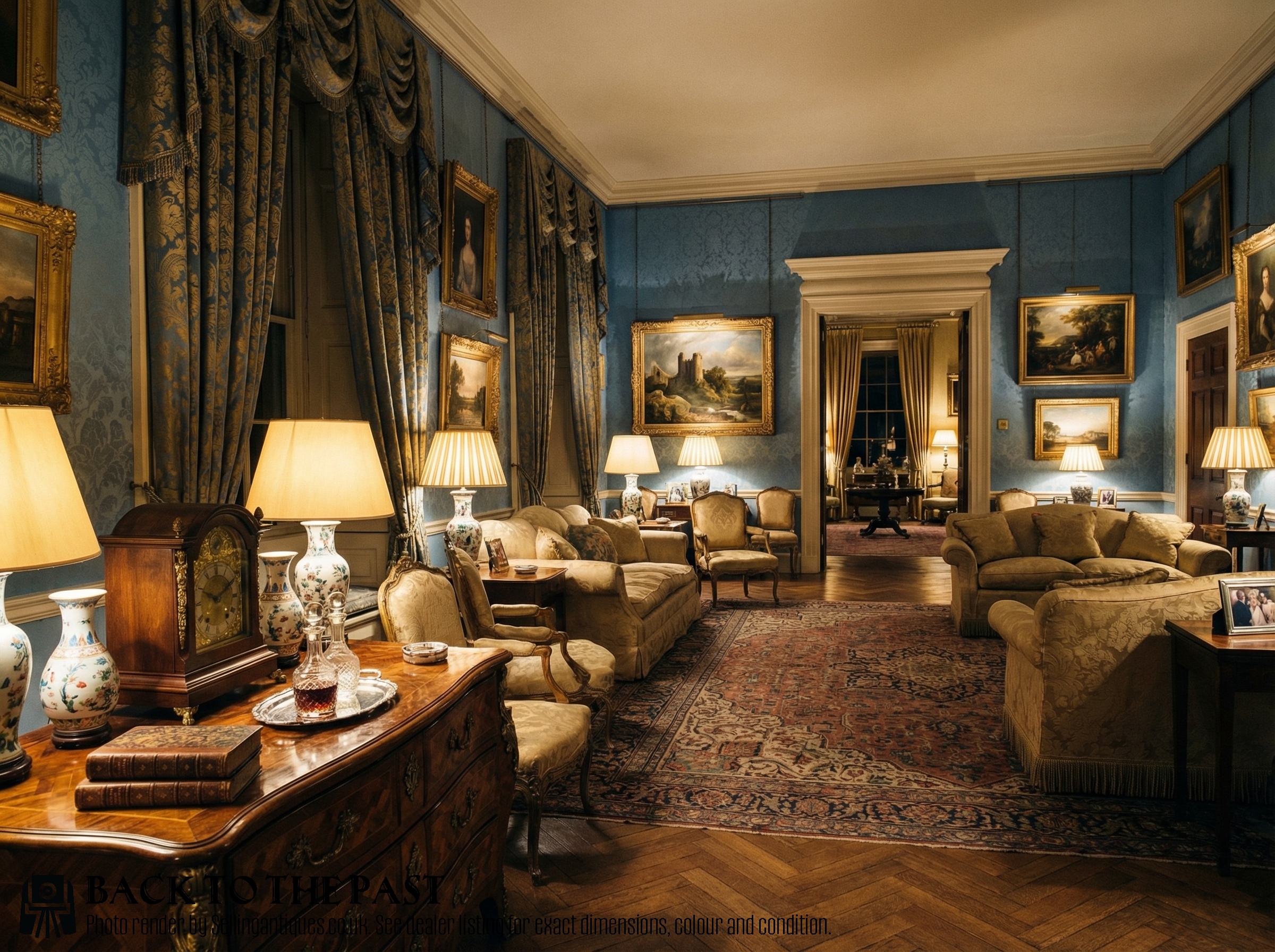
Floor-standing grandfather and grandmother models dominate the taller domestic options, frequently utilising musical tubular bell movements. Mantel and wall clocks provide alternative domestic timekeeping solutions housed in timber or metal.
Makers and makers' workshops from Britain, Germany, France, and Switzerland created these sound-producing mechanisms. Styles range from traditional Georgian revivals to geometric Art Deco designs.
Materials and Construction
Cases utilise cabinet timbers including mahogany, walnut, oak, and burr walnut veneers, sometimes featuring intricate marquetry or Chinoiserie lacquer. Metal components appear in brass dials, chrome accents, and glass viewing panels.
Movements incorporate complex mechanical engineering such as three-train setups, musical tubular bells, and carillon systems. Cabinetmakers constructed the housings to resonate the acoustic output produced by these striking and chiming gears.
Vintage Chiming Clock Retail Price Guide 2026
Typical asking prices for vintage chiming clock among the pieces listed under this phrase on Sellingantiques today, from the lower quarter to the upper quarter. They describe what is for sale here now, not the wider market.
The inventory spans Victorian, Edwardian, and Art Deco periods across wall, mantel, and longcase formats.
Distinctions in Standard
Superior examples separate themselves through the complexity of their mechanical movements, such as multiple-train setups playing several musical tunes or quarter-chiming sequences. Simpler striking mechanisms occupy a different tier of horological ambition.
Cabinetwork execution dictates visual standing, where figured burr walnut, hand-applied Chinoiserie lacquer, and inlaid marquetry signify elevated craftsmanship compared to plain timber housings. The integrity of the original dial and associated brass fittings further differentiates individual items.
Gillett & Johnston of Croydon·H.A.C.·Elliott·Lenzkirch·Smiths·Enfield·Brockbanks & Atkins·Mappin & Webb·Odo·Vedette·Winterhalder·Charles Pratt London·Seth Thomas·Bravingtons·Schneckenburger·Haller
The Vintage Chiming Clock Glossary
- Mantel clock
- A portable timekeeper designed to stand on a fireplace mantelpiece or shelf. These domestic objects often feature wooden cases enclosing striking or chiming mechanisms.
- Bracket clock
- A portable table or shelf clock historically placed upon a dedicated wall bracket. Many examples incorporate intricate brass dials and quarter-chiming movements.
- Longcase clock
- A tall pendulum timekeeper housed in a wooden tower, commonly designated as a grandfather or grandmother clock depending on overall height. These tall pieces frequently accommodate complex musical chime arrangements.
- Chime
- An acoustic melody sounded by a clock mechanism at quarter-hour intervals. Different configurations utilise gongs, bells, or tubular rods to generate specific tunes.
- Train
- An independent series of gears within a clock movement responsible for a specific function such as timekeeping, striking, or playing music. Three-train movements separately handle time, striking, and chiming.
Vintage Chiming Clock: Frequently Asked Questions
What is a vintage chiming clock?
A vintage chiming clock is a mechanical timekeeper constructed during the nineteenth or twentieth century that sounds bells or gongs to announce the hours and quarter-hours.
These pieces range from tall floor-standing grandfather models to compact mantel and wall clocks housed in timber cases.
How do you wind these clocks?
Winding typically involves inserting a key into winding holes on the dial face to tension the internal springs or lift the driving weights.
Different trains control the timekeeping, striking, and chiming functions, requiring separate attention during routine maintenance.
Where should a longcase clock go?
Longcase models require stable, level floor surfaces against interior walls to ensure the pendulum swings evenly without interference.
Placing them away from direct sunlight and dampness protects the wooden cabinetwork and delicate internal brass components.
How are different periods identified?
Periods are identified by examining case styles, such as Victorian ornamentation, Edwardian proportions, or Art Deco geometric forms.
Internal signatures, dial typography, and manufacturing techniques also help determine the era of production.