

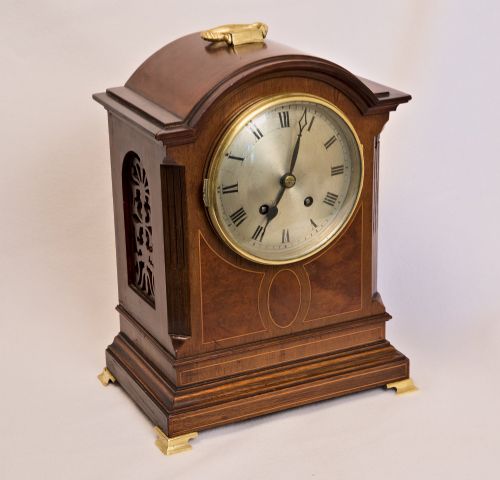


Arched Top Clock
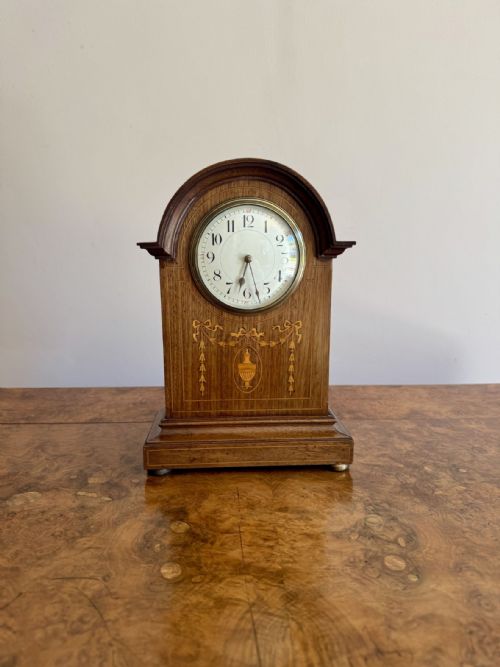
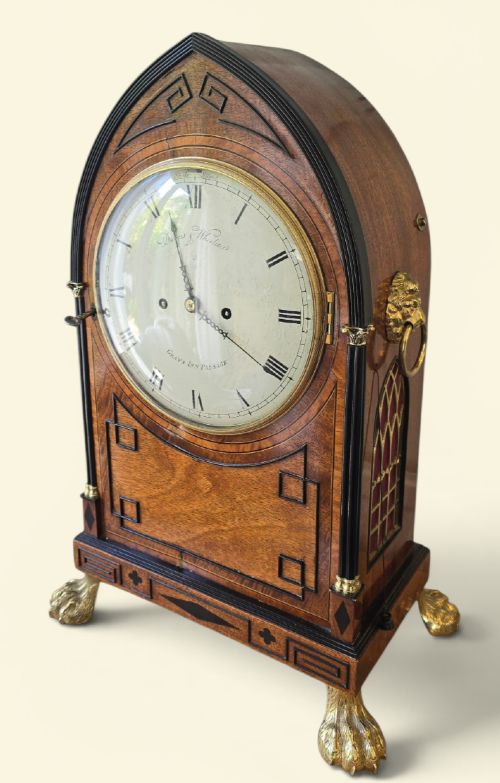
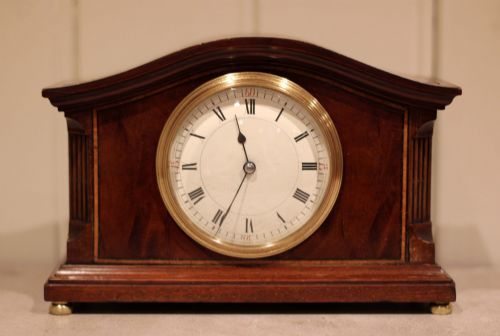
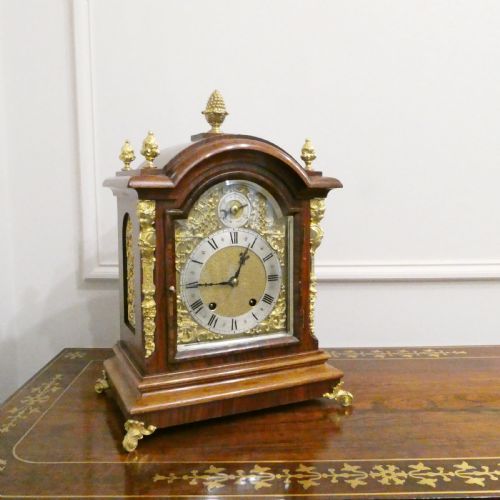
An arched top clock carries the curved silhouette seen on Georgian bracket pieces and Edwardian mantel designs.
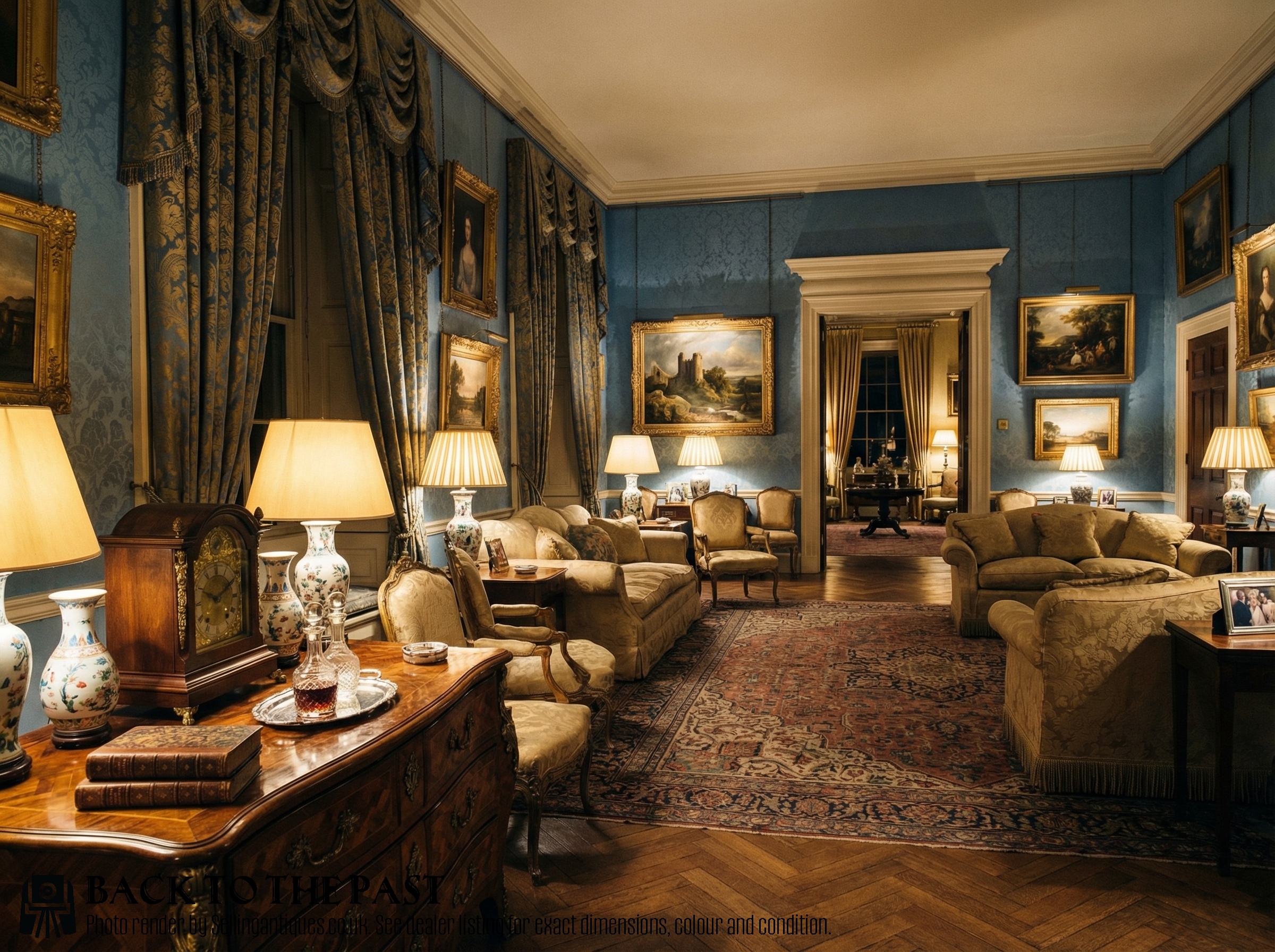
Arched Top Clock
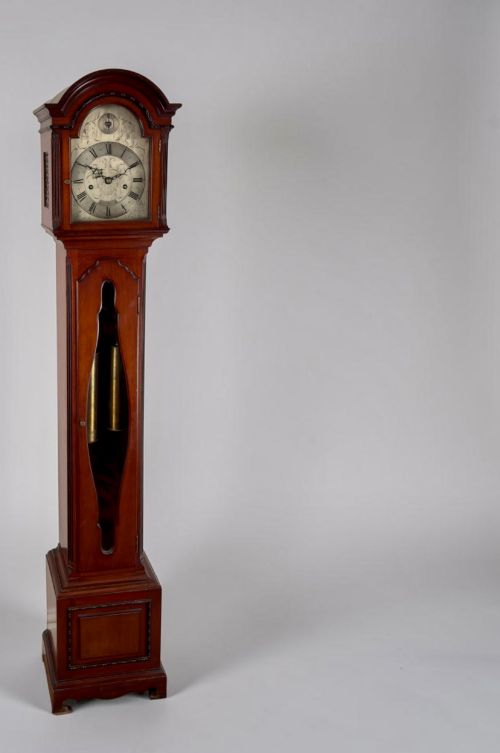
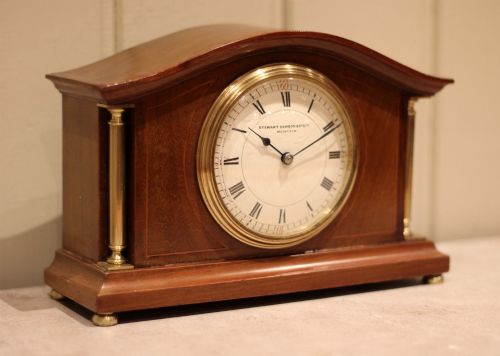
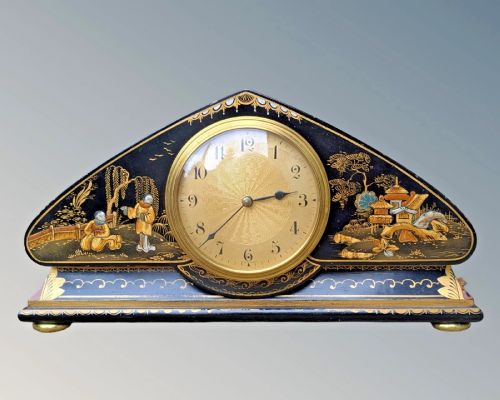
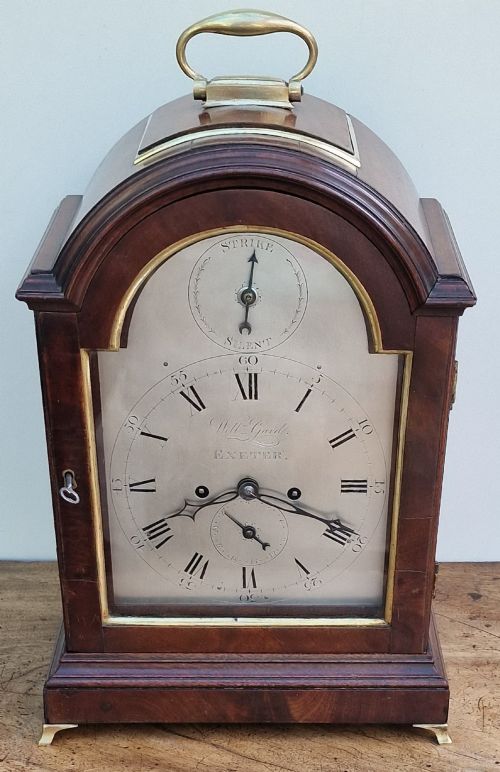
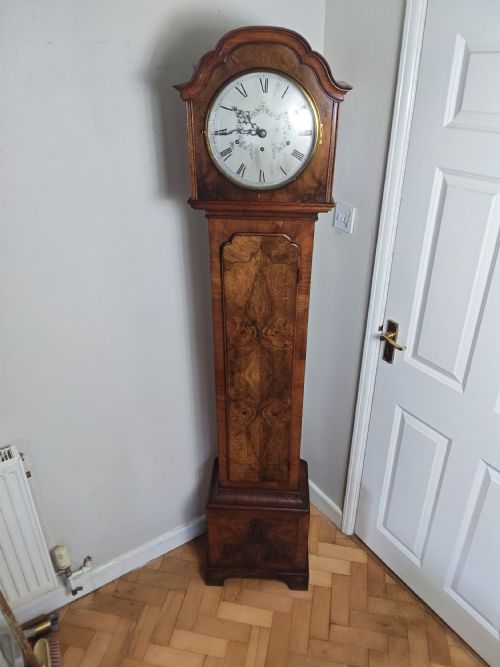
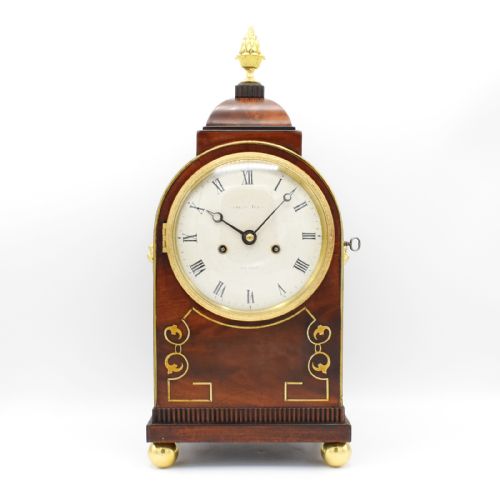
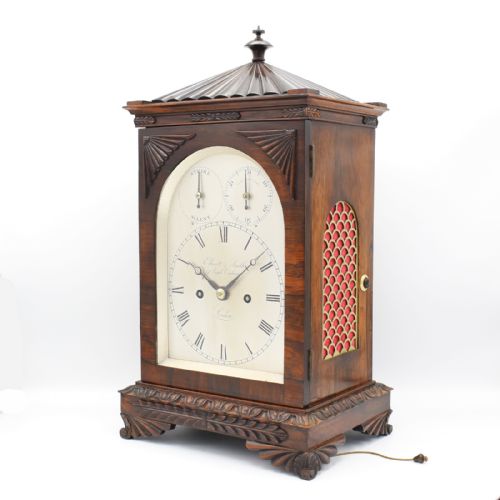
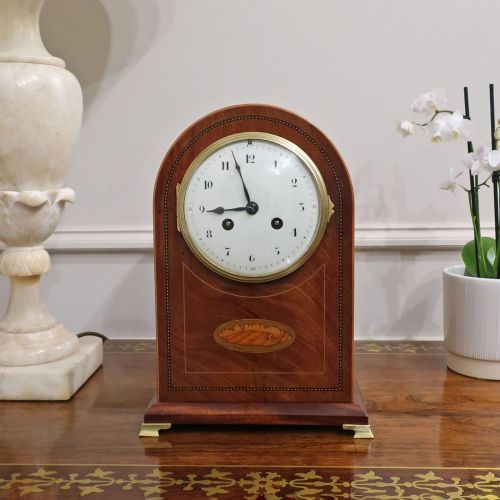
An arched top clock defines a distinct profile spanning mantel, bracket and longcase forms from the 18th century through the Edwardian period. Buyers look for this curved upper framing on timber cases housing mechanical movements.
The pieces appearing most frequently range from Georgian and Regency bracket clocks to Edwardian mahogany mantel designs and tall grandmother clocks. Mahogany, oak and burr walnut dominate the wood choices for these curved cases.
Originating predominantly from English workshops, these timepieces also include continental examples in oak and walnut. The form serves both domestic utility and decorative display across multiple historic periods.
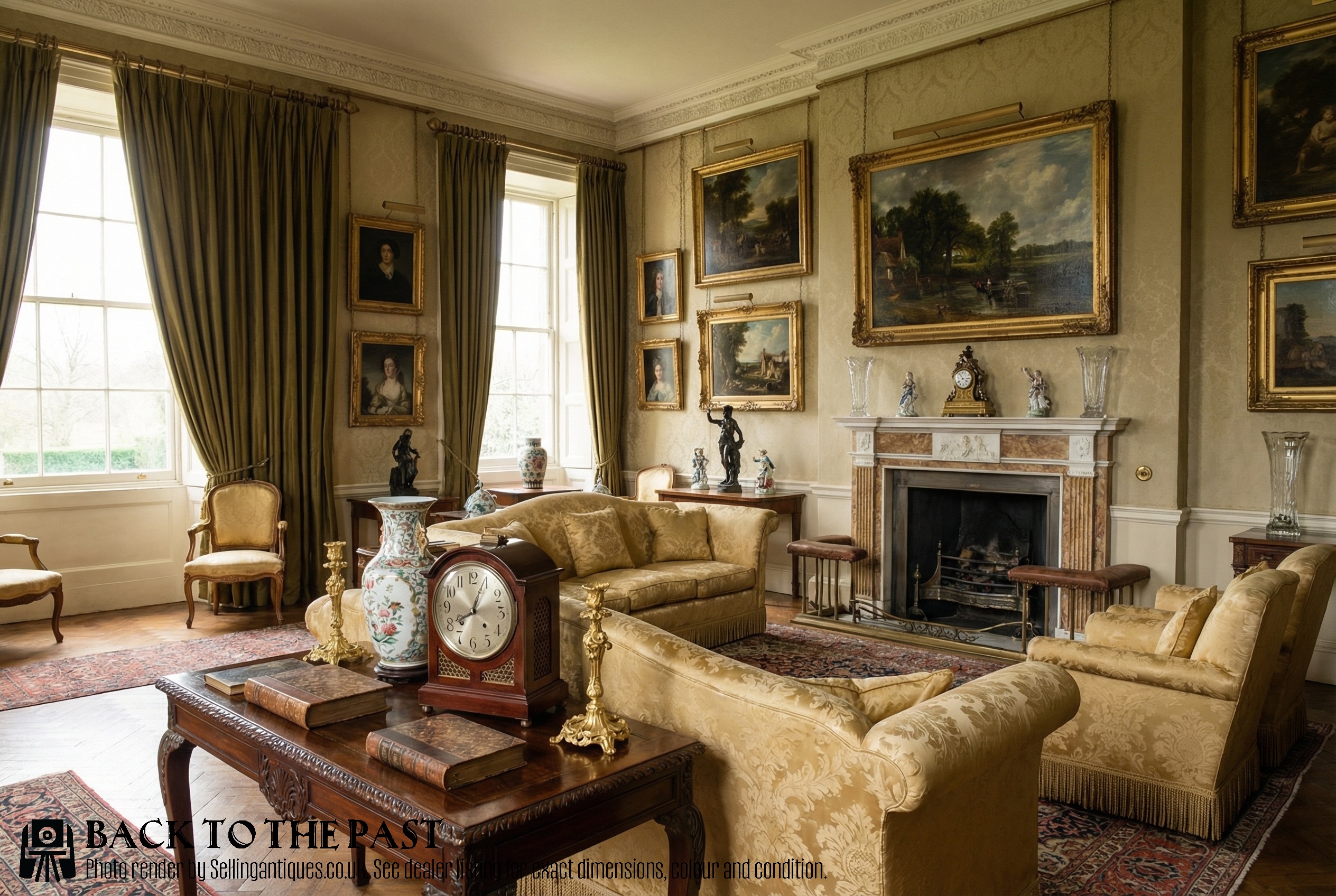
What varies in quality
The refinement of the cabinet work and the crispness of any inlaid decoration set examples apart. Timber selection, such as figured mahogany or burr walnut, dictates the visual depth of the case.
Movement complexity, including quarter chiming or musical capability by noted makers, elevates a piece. The legibility and preservation of the silvered or enamel dial also influence the standard of the clock.
Arched Top Clock Retail Price Guide 2026
Typical asking prices for arched top clock among the pieces listed under this phrase on Sellingantiques today, from the lower quarter to the upper quarter. They describe what is for sale here now, not the wider market.
Some Edwardian mantel clocks arrive adorned with delicate inlaid poppies on the wooden case.
Gillett and Johnston of Croydon·William Gard of Exeter·Barwise of London·Charles Pratt London·Ellicott and Smith·Desbois and Wheeler·Schneckenburger·S Simpson Southampton·Cording of London·Phillips Brothers·Wilkinson Leicester·Thomas Goddard London·Hyde of Salisbury·Louis Recordon·Perigal of London·James Coster of Henley·Lenzkirch
The Arched Top Clock Glossary
- Bracket clock
- A portable timekeeper originally designed to sit upon a wall bracket or table. These spring-driven pieces often feature arched or bell tops.
- Fusee
- A conical pulley used in mechanical clocks to maintain even power from the spring as it unwinds. This mechanism improves timekeeping accuracy across the power reserve.
- Grandmother clock
- A slender longcase clock of smaller proportions than a traditional grandfather clock. They typically date from the early 20th century.
- Lancet top
- A sharp, pointed arched case shape resembling a lancet window. This silhouette appears frequently on Regency and Edwardian mantel pieces.
- Silvered dial
- A brass clock face treated with a silver solution and engraved with numerals. This finish provides high contrast against the surrounding brass or wood.
Arched Top Clock: Frequently Asked Questions
How do I wind a fusee clock?
A key is inserted into the dial winding hole to tension the mainspring via the internal fusee chain or cord. Care must be taken not to overwind the mechanism.
Most traditional bracket and mantel timepieces require weekly winding to maintain accurate operation.
Where were these clocks made?
Many examples originate from provincial and London workshops run by master horologists. German and French makers also produced notable variations found in these collections.
English makers frequently housed movements in locally sourced mahogany and oak cases.
How do I date an arched top clock?
Dating relies on stylistic clues within the woodwork, dial materials and movement construction. Inlay patterns, brass feet and dial signatures often point to specific periods like the Regency or Edwardian era.
Maker signatures inscribed on the brass backplate or dial provide the most precise chronological indicator.