
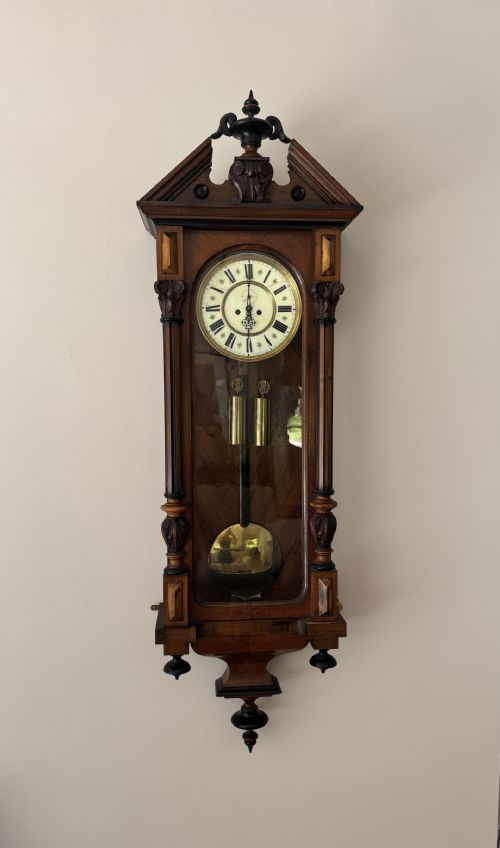
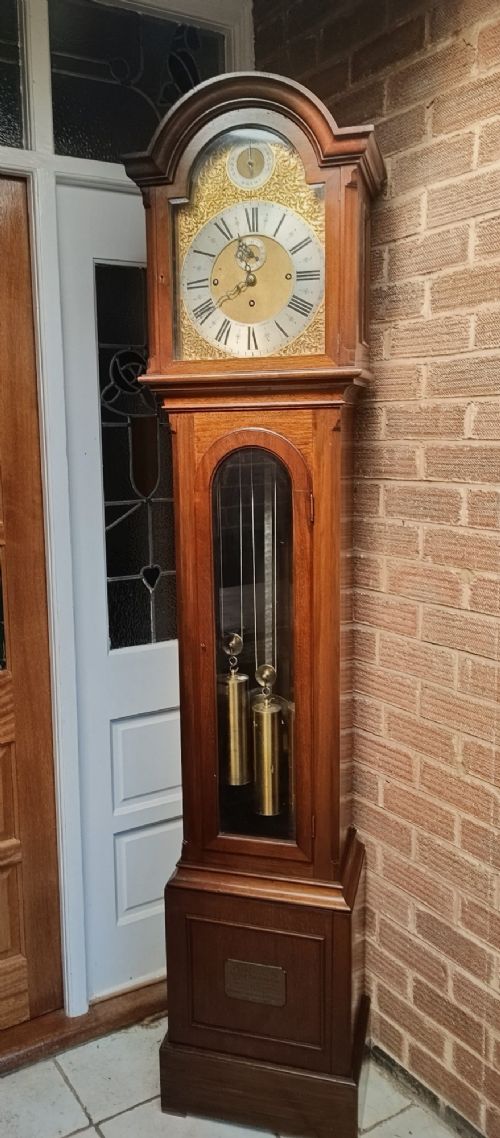
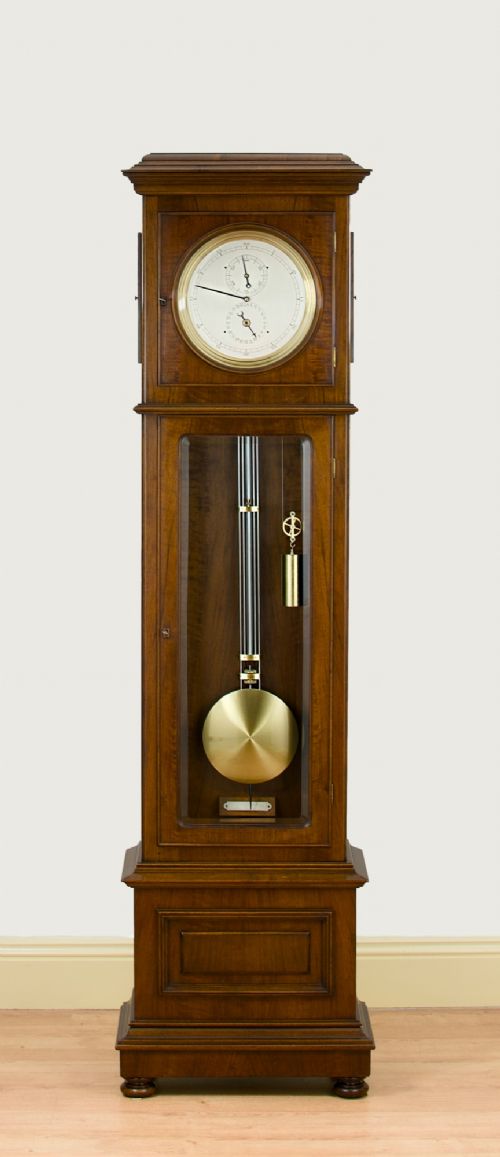
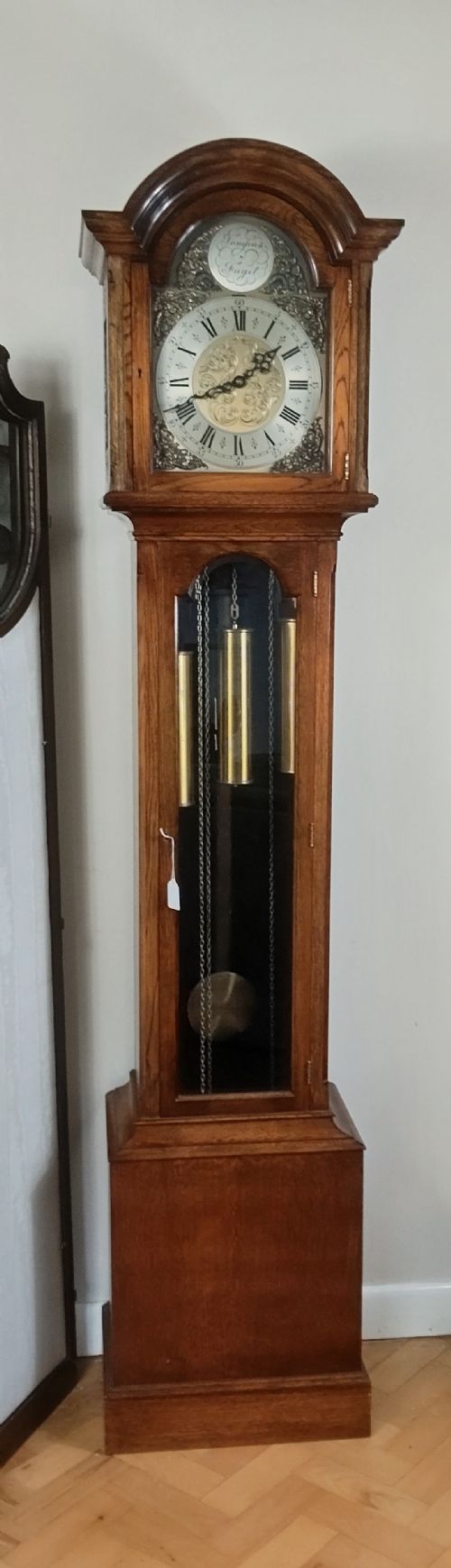
Brass Weight Clock
These brass weight clock pieces combine mechanical precision with traditional cabinetry, offering timepieces that suit period interiors.
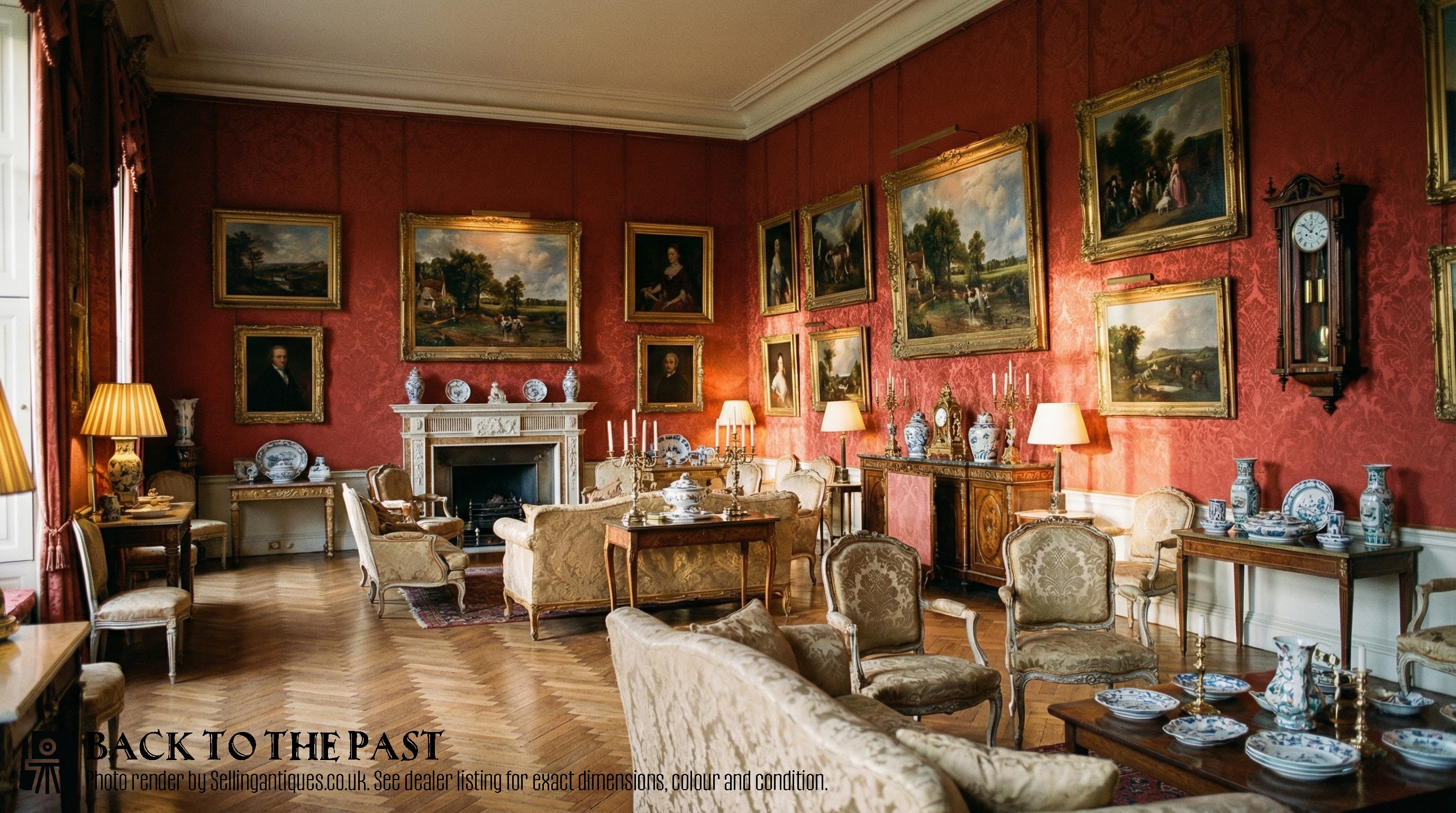
Brass Weight Clock
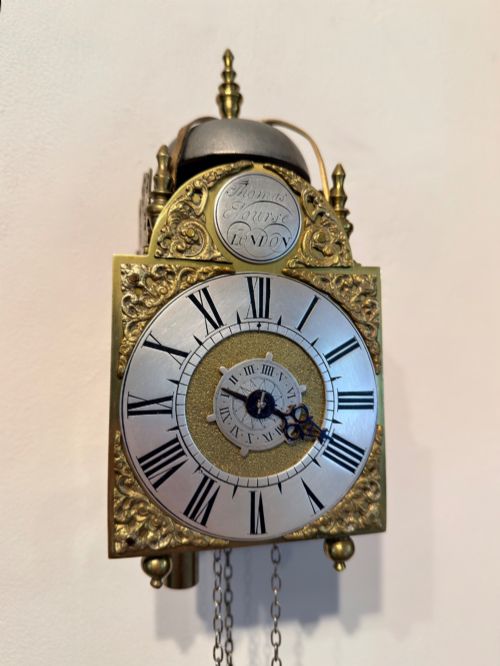
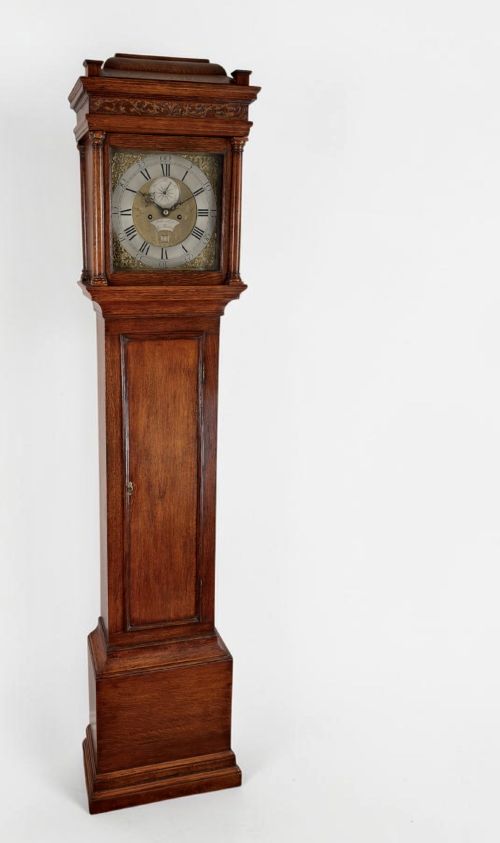
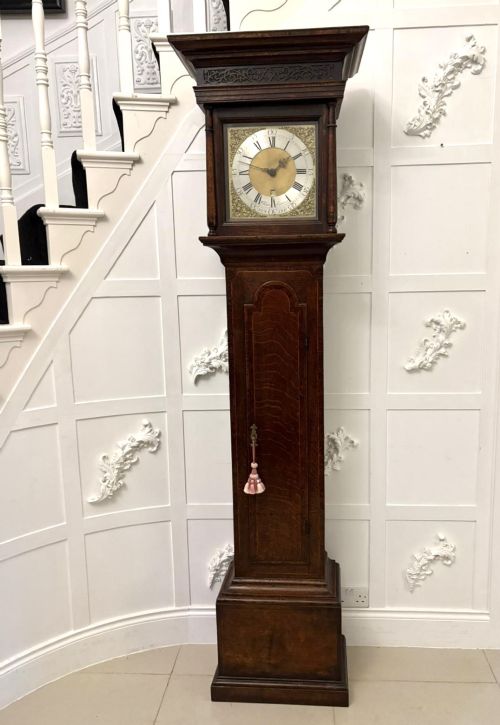
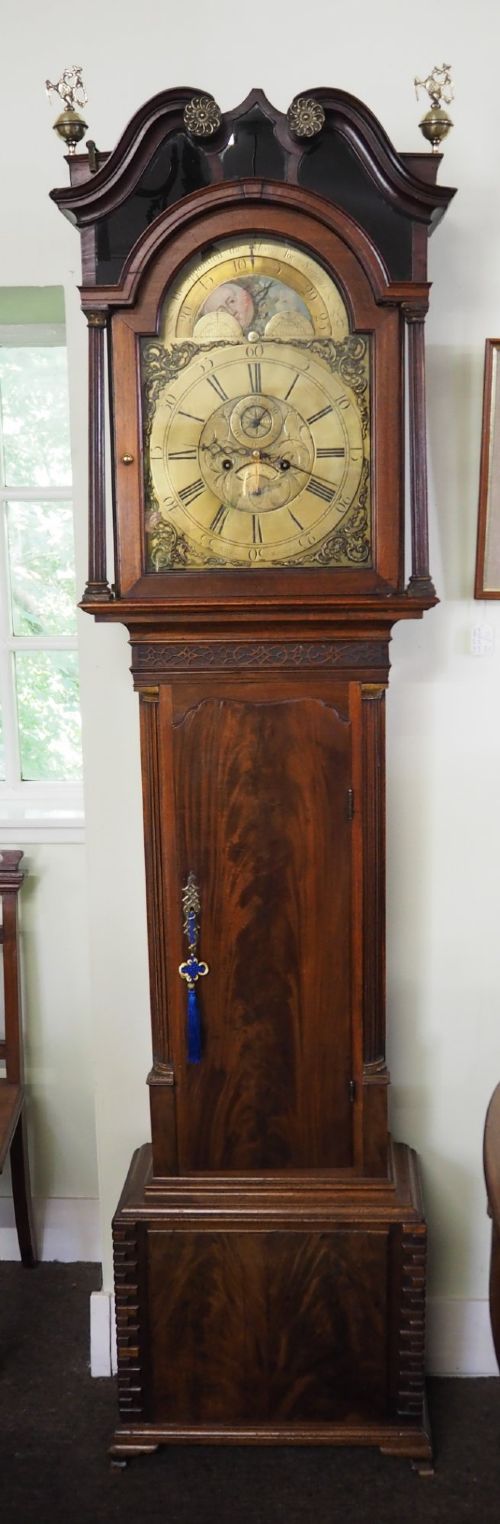
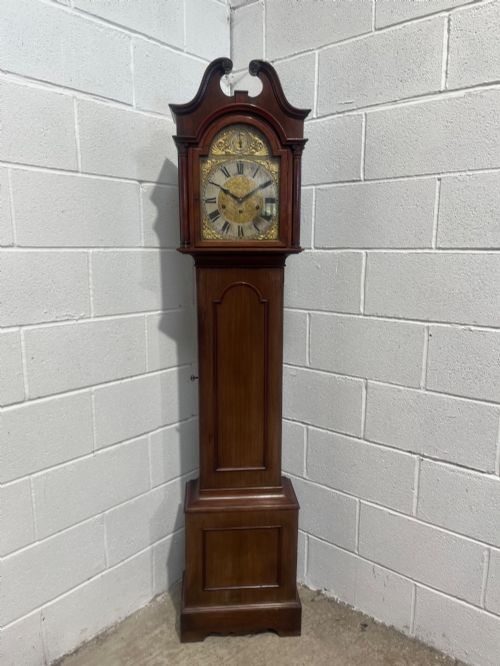
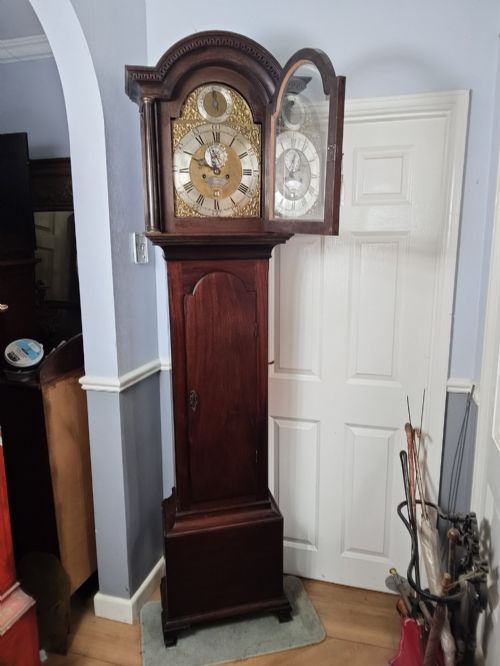
A brass weight clock search reveals a diverse group of timepieces, spanning tall floor-standing models and compact wall-mounted designs. Buyers encounter everything from early wall-mounted lantern clocks to tallcase grandfather clocks driven by descending weights.
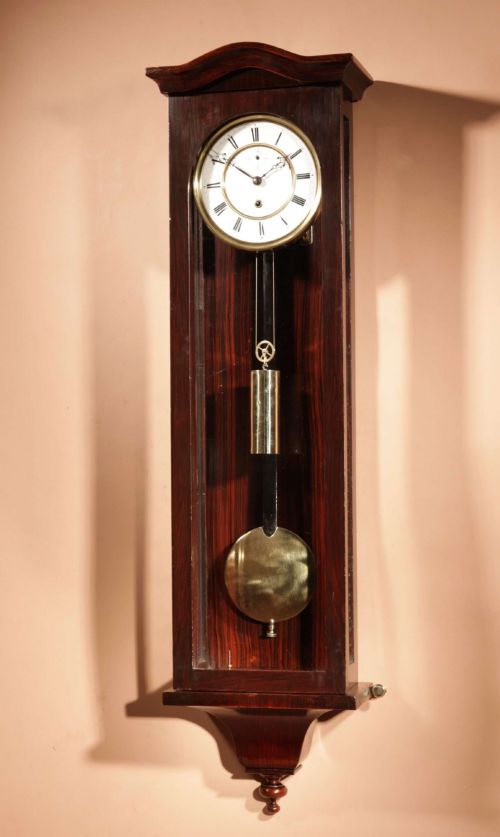
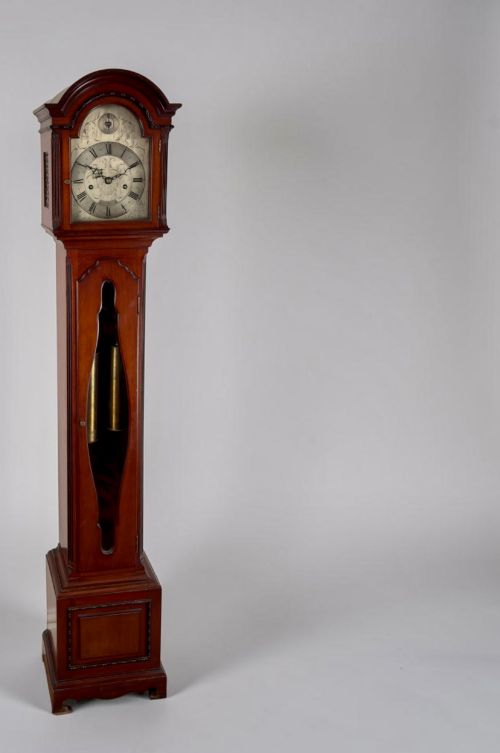
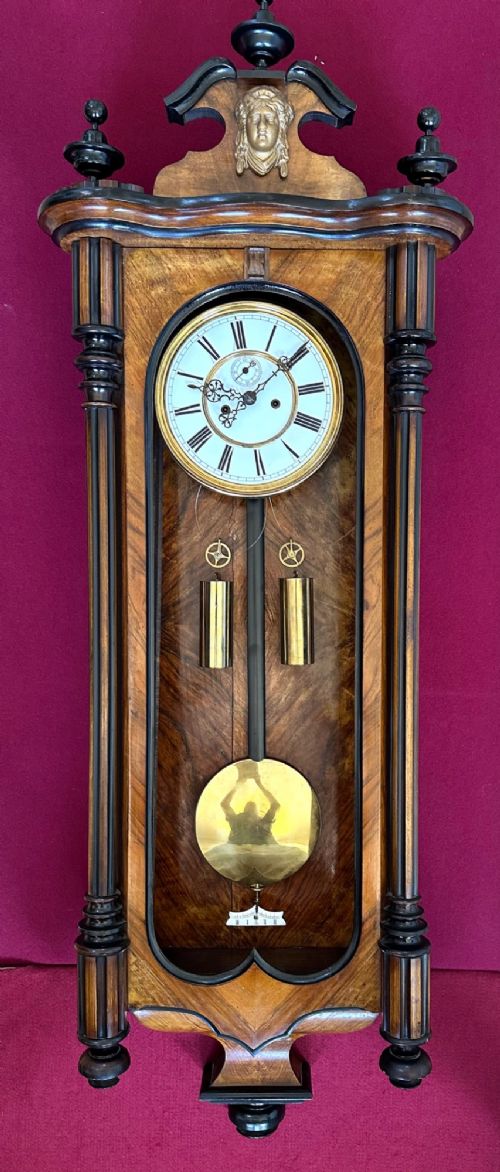
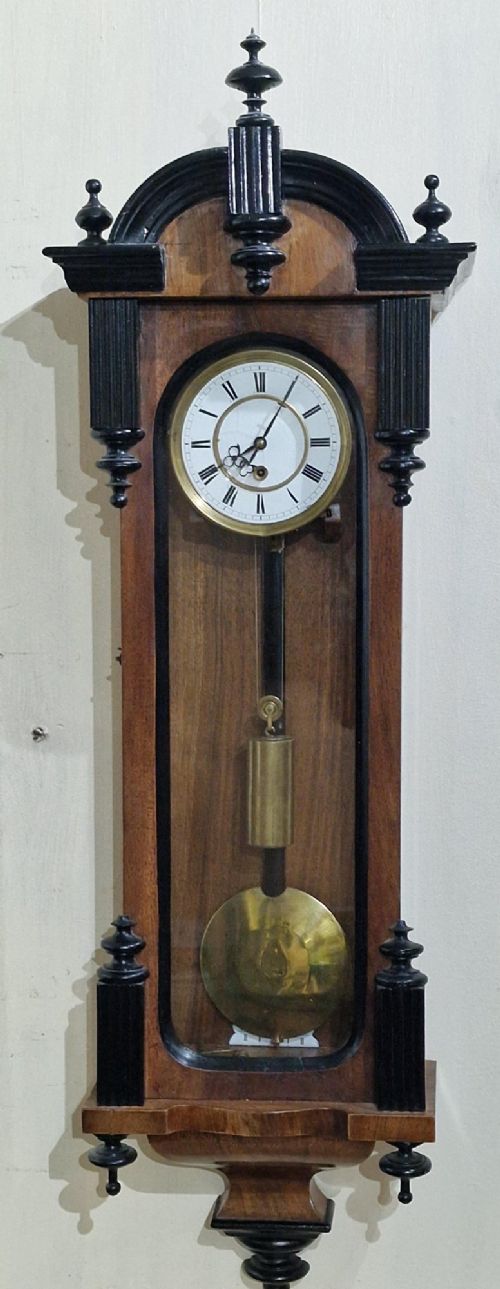
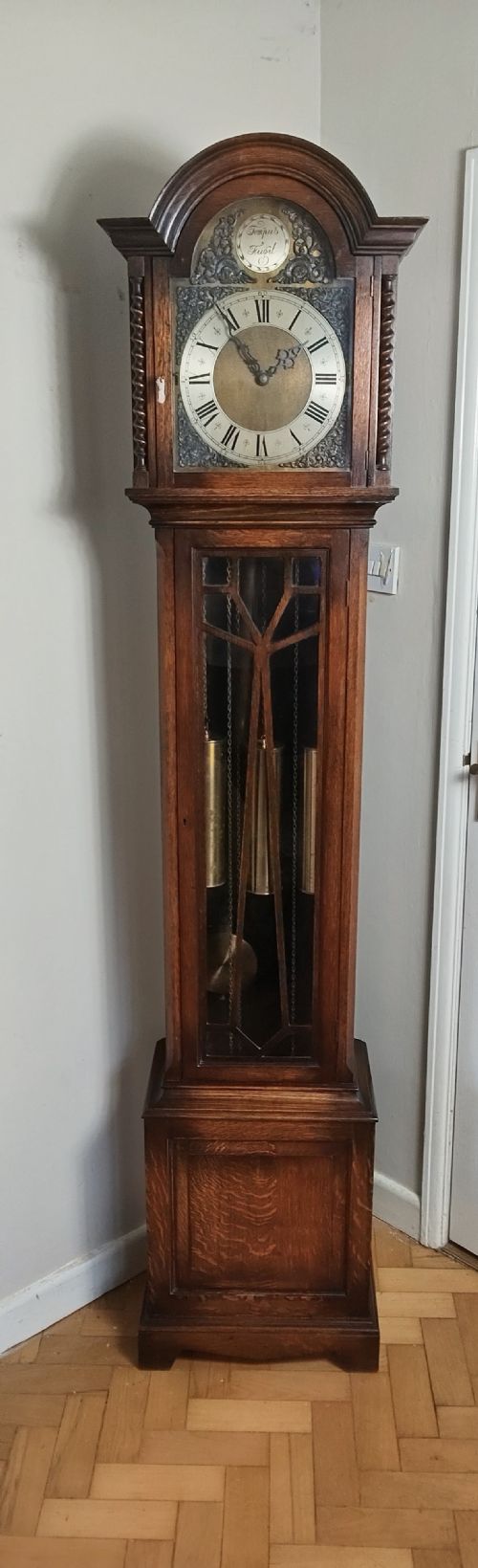
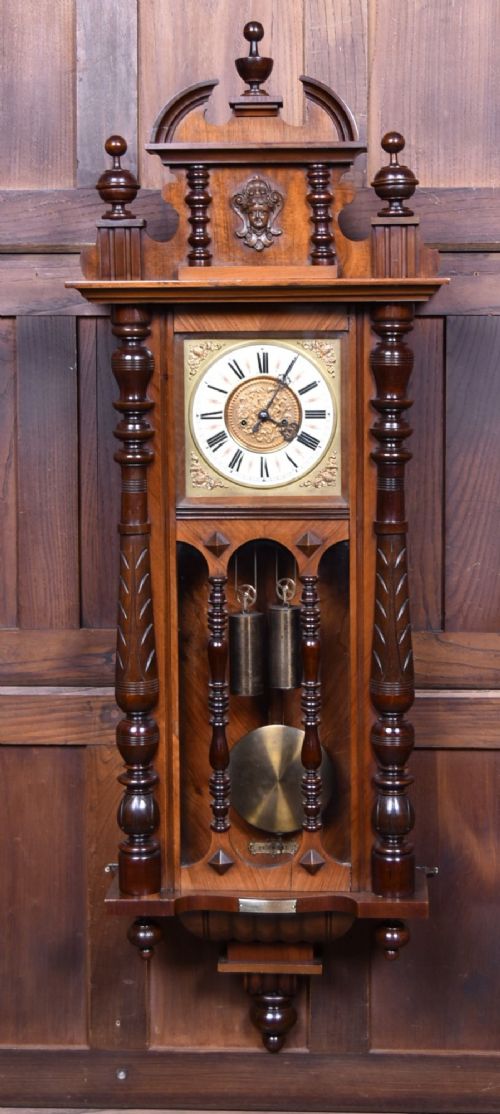
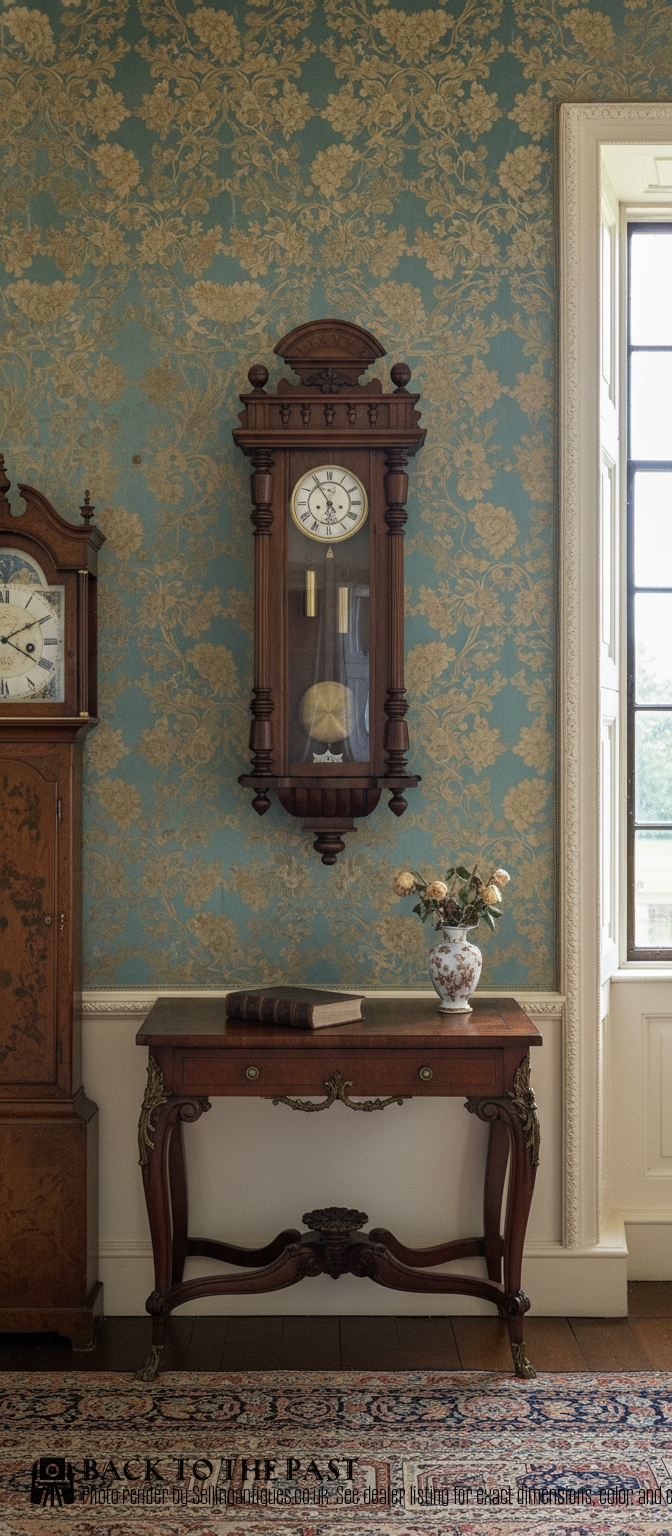
Longcase clocks dominate the taller forms, constructed in oak, mahogany, and walnut across Georgian, Victorian, and Edwardian periods. Wall clocks appear frequently, including Vienna regulators and carved walnut or mahogany Vienna-style pieces from the nineteenth century.
Miniature hook and spike lantern clocks and small Dutch Frisian wall clocks represent the more compact domestic timepieces found in this category. Musical and chiming movements appear in Edwardian and later twentieth-century longcase and grandmother clocks.
Materials and construction
Cases utilise cabinet timbers including oak, burr oak, walnut, and mahogany, matched with brass dials, bezels, and hanging weights. Glass panels protect dials and pendulum chambers, while iron and steel form internal movement components.
Dials combine brass chapter rings and engraved plates with enamel or brass centres, driven by weights suspended from lines or chains. Escapements range from early verge mechanisms to precision regulator setups found in later nineteenth-century pieces.
Brass Weight Clock Retail Price Guide 2026
Typical asking prices for brass weight clock among the pieces listed under this phrase on Sellingantiques today, from the lower quarter to the upper quarter. They describe what is for sale here now, not the wider market.
Current listings feature timber cases in oak, mahogany, and walnut paired with brass dials and weights across Georgian to Edwardian periods.
Evaluating quality and finish
The standard of a brass weight clock depends upon the crispness of dial engraving, the selection of cabinet veneers such as burr oak or figured walnut, and the sophistication of the movement. Precision regulators and specialised striking or chiming mechanisms indicate finer production standards.
Cabinetwork quality shows in the carving detail, proportions of hoods and trunks, and the integration of glass viewing doors. Finer examples maintain original movement components and well-preserved brass weight assemblies.
Gillett & Johnston·Lee of Great Marlow·Benj Reeves Lamberhurst·Windmills & Bennet·Samuel Tinham·Peter Closon·John Waller·William Barrow·Henry Deykin·John Spershott
The Brass Weight Clock Glossary
- Regulator
- A precision timekeeper designed for high accuracy, often featuring a mercury or compensated pendulum and a clear dial layout. These clocks were traditionally used as time standards in workshops and grand houses.
- Verge escapement
- An early mechanical escapement using a crown wheel and pallet impulses to regulate the drop of the weights. This mechanism produces a characteristic wide swing of the balance or pendulum.
- Grandmother clock
- A smaller version of the traditional longcase or grandfather clock, popular during the Edwardian period. They offer the presence of a tall clock within a more compact domestic scale.
- Lantern clock
- An early brass chamber clock designed to hang on a wall or sit on a bracket, driven by weights and lines. They represent some of the earliest domestic mechanical timepieces produced in England.
- Strike silent
- A mechanical function allowing the striking train of a clock to be disengaged at night. This prevents the clock from sounding the hours during sleeping hours.
Brass Weight Clock: Frequently Asked Questions
What is a brass weight clock?
A brass weight clock is a timepiece powered by gravity acting on suspended metal weights, housed in wall-mounted or floor-standing wooden cases.
These pieces range from early English lantern clocks to tall Georgian longcases and nineteenth-century Vienna regulators.
How do weight-driven clocks work?
Gravity pulls down heavy brass weights suspended by lines or chains, which turns the gear train and drives the movement.
An escapement controls the release of this energy, allowing the hands to advance steadily across the dial.
Where were longcase clocks placed?
Longcase clocks were positioned in principal rooms and hallways where the family gathered and the striking bells could be heard.
Their height required stable placement against structural walls to ensure the pendulum swung freely.
How do I identify a Vienna regulator?
Vienna regulators feature long glazed wooden cases designed for wall mounting, showcasing a visible pendulum and heavy brass weights.
Their movements prioritize precise timekeeping, often developed in nineteenth-century Austrian workshops.