

Victorian Pendulum Clock
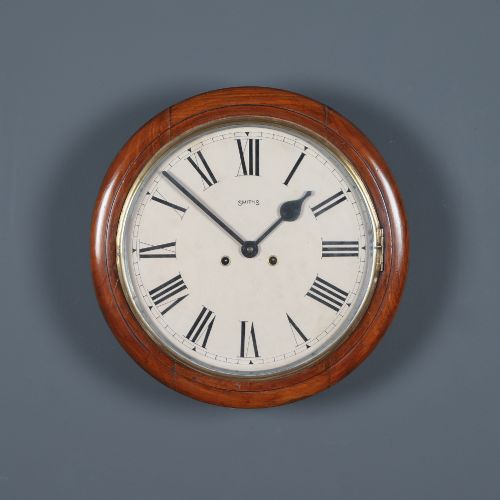
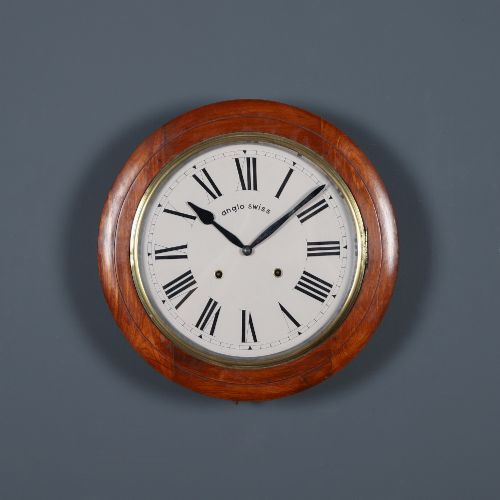
These Victorian pendulum clock examples bring mechanical precision and rich cabinet timbers into a room, measuring the hours through steady, swinging motion.

Victorian Pendulum Clock
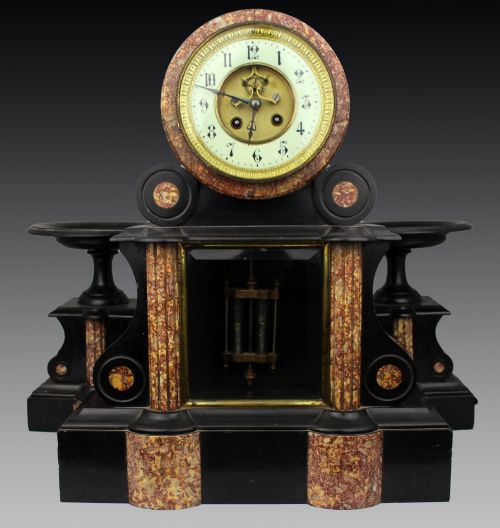
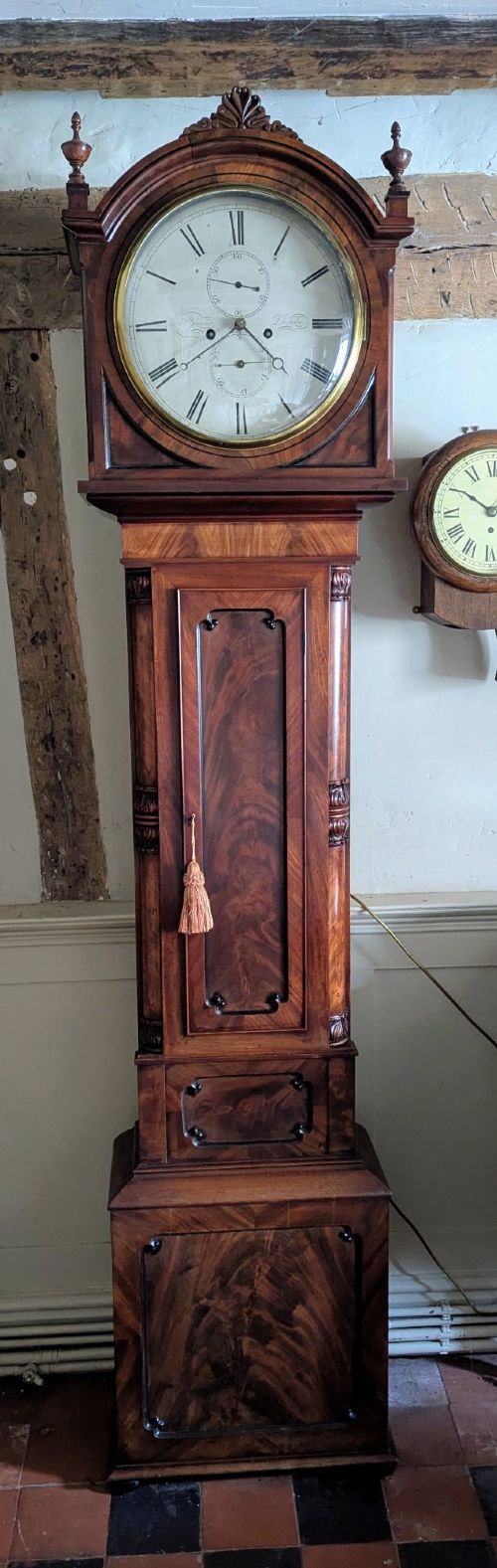
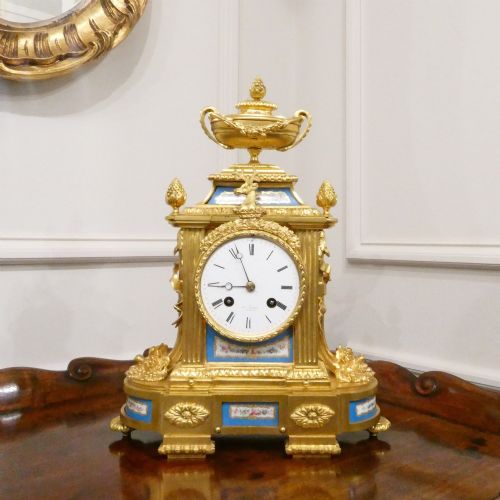
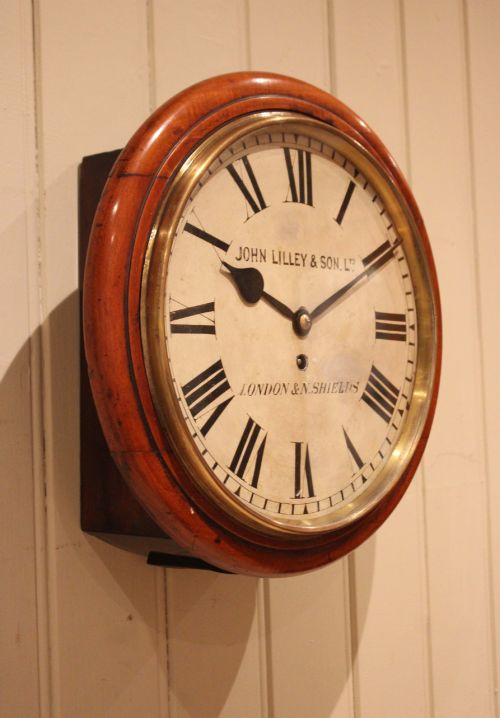
A victorian pendulum clock encompasses a wide variety of timepieces designed for domestic, public, and functional spaces during the nineteenth century. Buyers searching for a victorian pendulum clock encounter everything from imposing longcase and granddaughter clocks to wall-hanging drop dials and decorative mantel pieces.
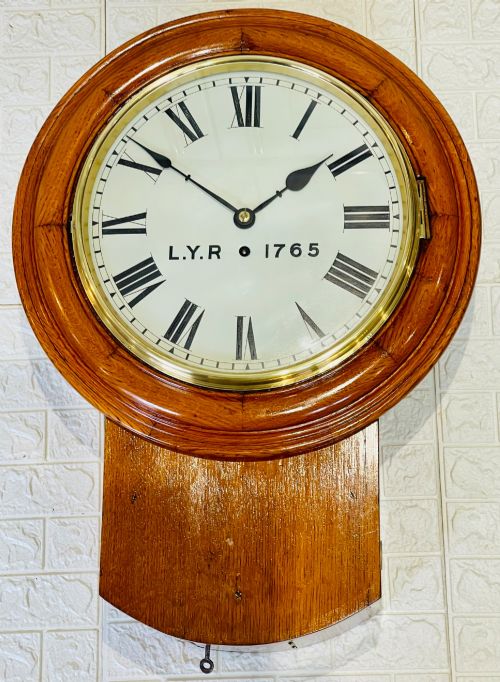
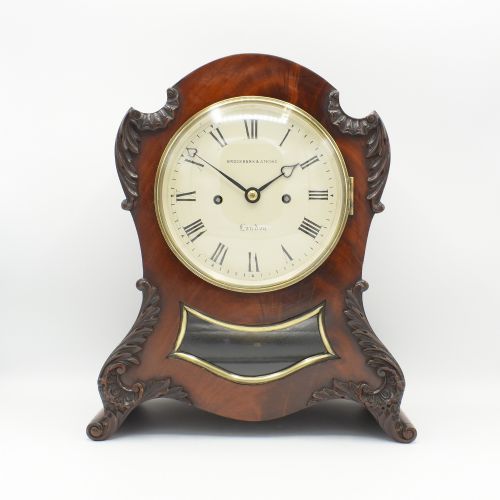
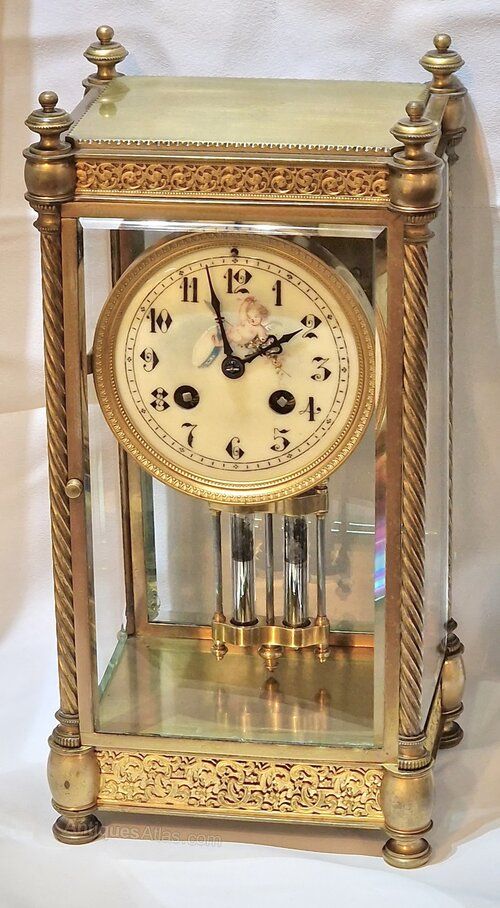
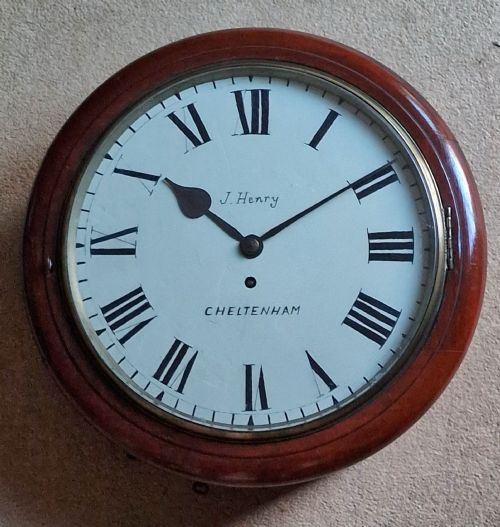
The selections span standard domestic wall regulators, railway station round dials, and elaborate French or German striking mantel designs. Walnut and mahogany dominate the timber choices, frequently paired with brass bezels, enamel faces, and glass protective doors.
Evaluating craftsmanship and condition
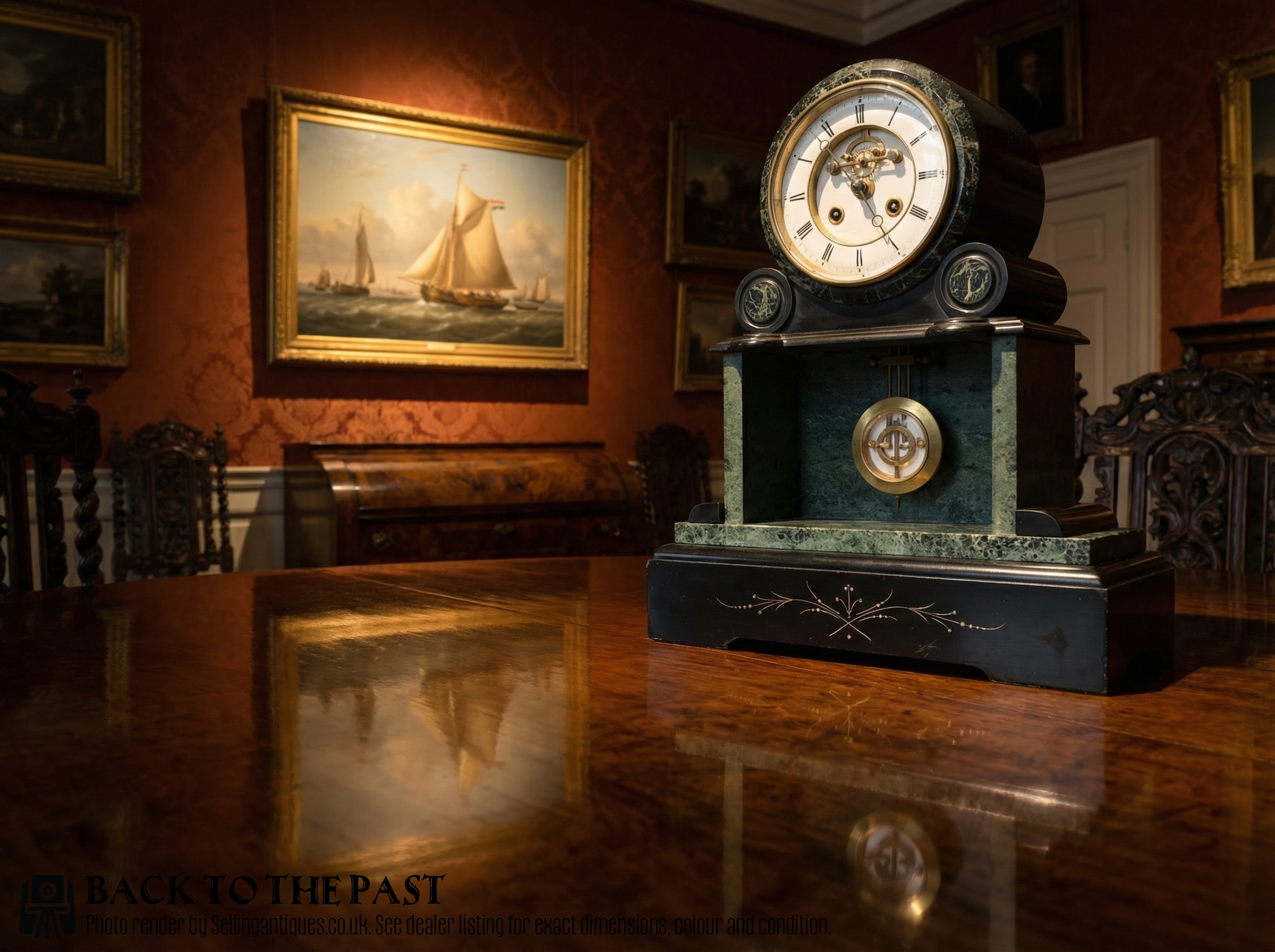
The division between standard items and superior examples rests upon the crispness of timber carving, the complexity of the movement, and the originality of the dial. Finer pieces demonstrate hand-engraved brass backplates, robust fusee movements, and well-proportioned timber cases free from heavy alterations.
Signatures on dials or movements from documented makers elevate a piece beyond standard utilitarian production. Furthermore, the retention of original glass, pendulum bobs, and matching garniture elements indicates higher initial manufacture and careful preservation.
Victorian Pendulum Clock Retail Price Guide 2026
Typical asking prices for victorian pendulum clock among the pieces listed under this phrase on Sellingantiques today, from the lower quarter to the upper quarter. They describe what is for sale here now, not the wider market.
The listings feature wall clocks, mantel clocks, and longcase clocks constructed from mahogany, walnut, oak, and marble across Victorian and 19th Century periods.
H.A.C·Japy Freres·Henry Marc·Brockbanks & Atkins·Ansonia New York·Samuel Marti
The Victorian Pendulum Clock Glossary
- Fusee
- A conical pulley used in spring-driven clocks to maintain even power as the mainspring unwinds. This mechanism ensures consistent force reaches the pendulum for accurate timekeeping.
- Garniture set
- A clock accompanied by matching side ornaments, such as urns or vases, designed to sit together on a mantelpiece. These sets frequently employ marble or gilt bronze materials.
- Drop dial
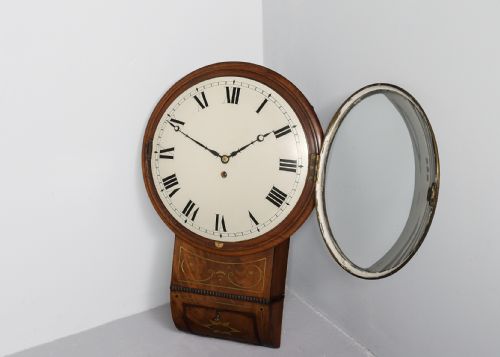
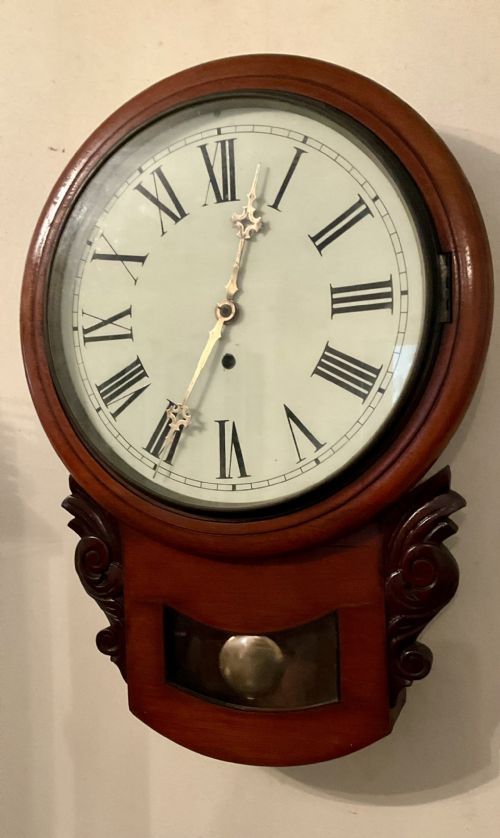
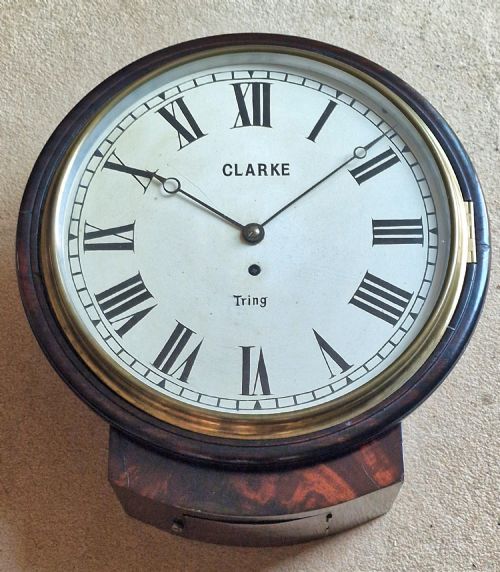
- A wall clock featuring an extended lower wooden case that houses the swinging pendulum beneath a circular dial. This form was common in railway stations, offices, and domestic hallways.
- Grandmother clock
- A slender, smaller version of the traditional longcase or grandfather clock, standing at a reduced height. They combine tall case proportions with compact room placement.
- Anchor escapement
- A mechanical linkage that controls the release of gear train power while imparting a small push to the pendulum. It forms the heart of the traditional pendulum timekeeping system.
Victorian Pendulum Clock: Frequently Asked Questions
How do fusee movements work?
A fusee movement uses a conical pulley paired with a chain or cord to equalise the diminishing power of a mainspring as it unwinds. This steady delivery of force keeps the pendulum swinging at a constant rate.
Clocks utilising this mechanism generally represent higher mechanical refinement compared to standard spring-driven alternatives.
Where were drop dial clocks used?
Drop dial wall clocks served practical timekeeping roles in railway stations, schools, offices, and domestic hallways throughout the nineteenth century. Their clear circular faces allowed quick legibility from a distance.
Oak and mahogany cases protected the delicate movements from dust and public wear in busy environments.
How do I identify a Vienna wall clock?
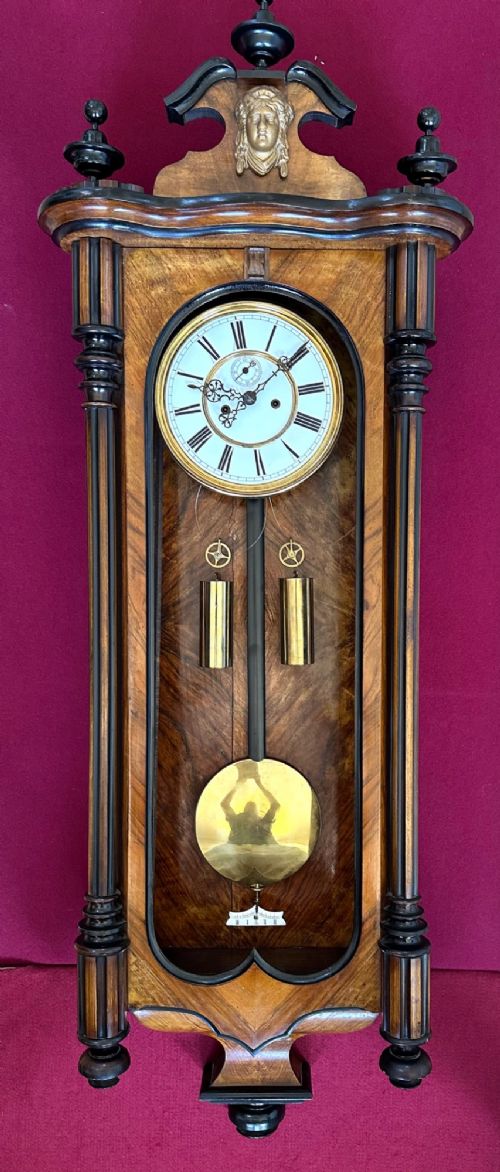
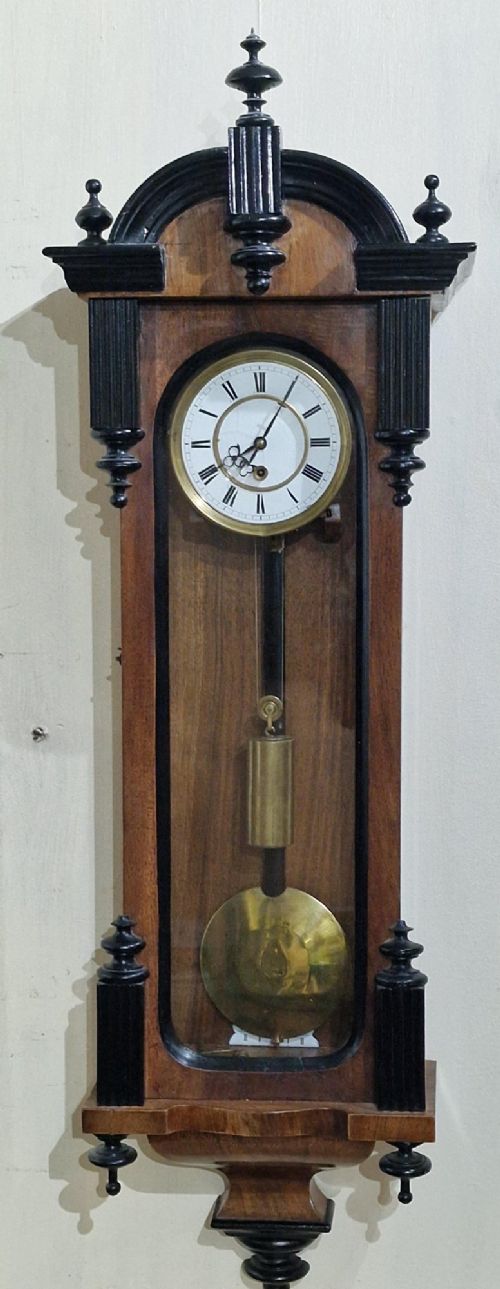
Vienna-style wall clocks are characterised by elegant, elongated wooden cases with glass front panels designed to showcase the swinging pendulum and weights. Walnut and ebonised wood veneers frequently define the exterior.
They generally feature high-quality mechanical movements intended for precise domestic timekeeping.