

Mechanical Fusee Clock
A mechanical fusee clock delivers reliable timekeeping through centuries-old engineering, offering buyers both precision movement and period character.
What mechanical fusee clock pieces are
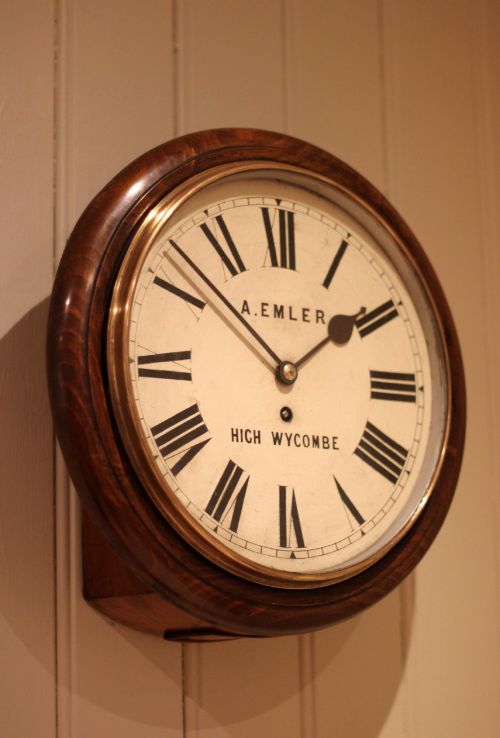
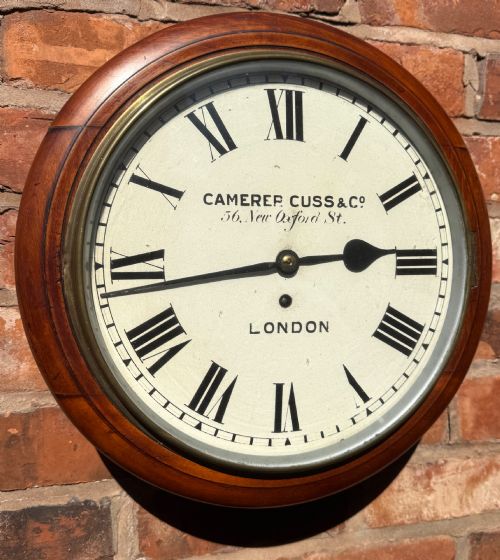
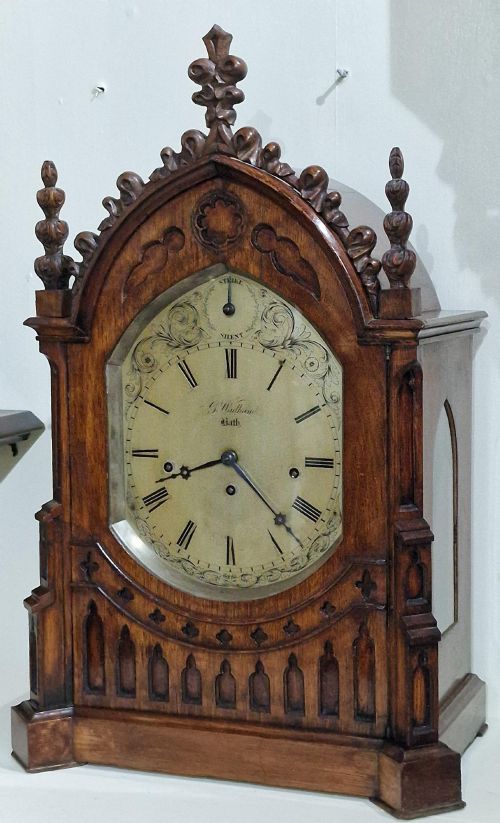
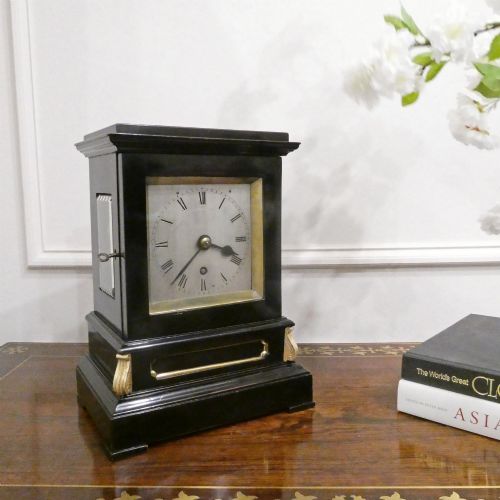
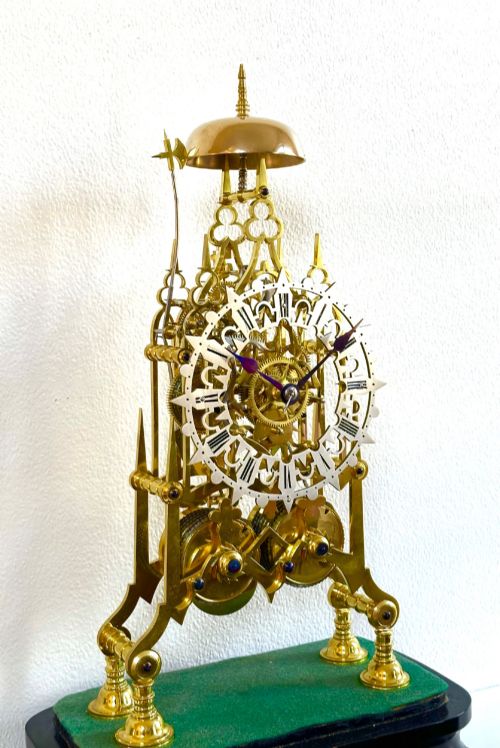
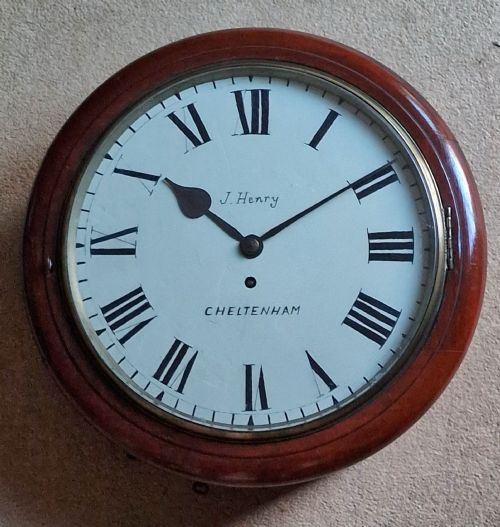
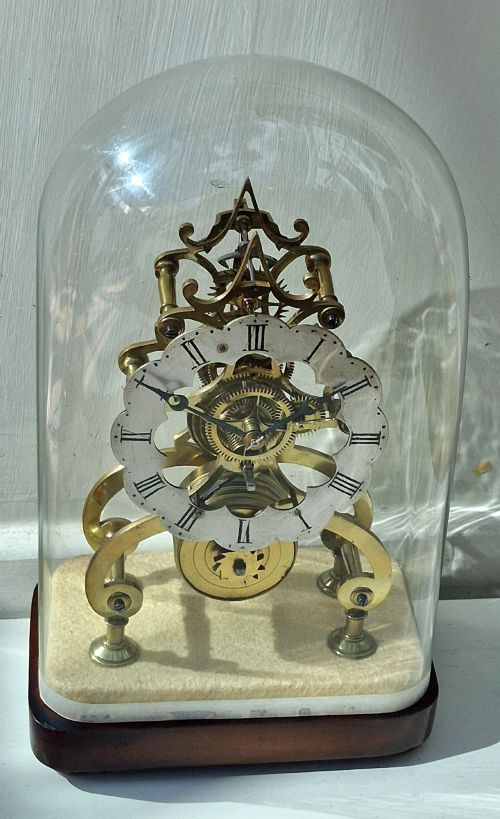
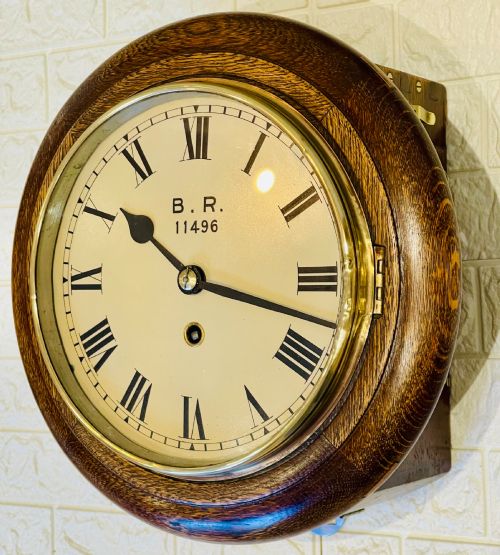
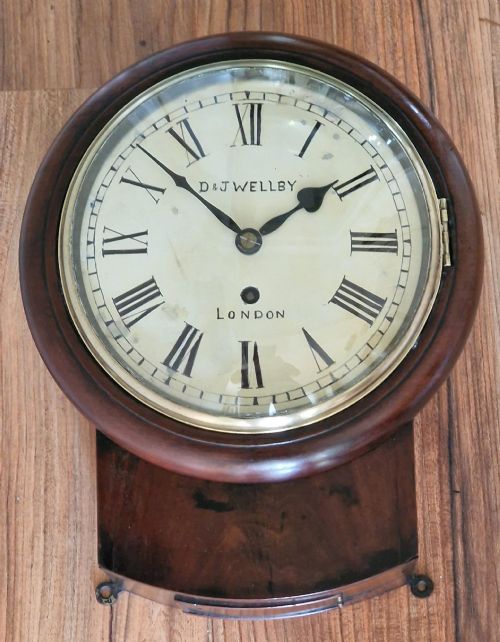
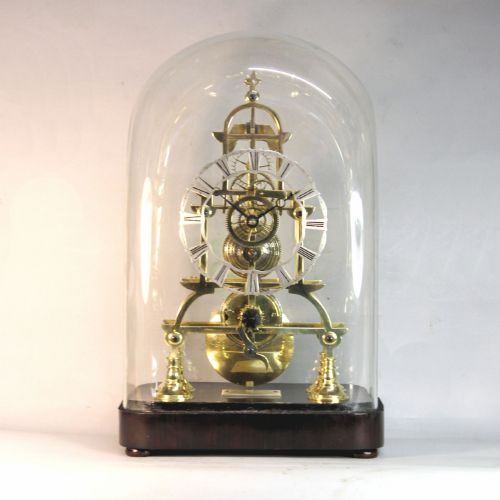
When you search for a mechanical fusee clock, you enter the world of nineteenth-century precision timepieces spanning the Victorian and Edwardian eras. These timepieces take the form of drop dial wall clocks, skeleton clocks, and solid oak mantel clocks.
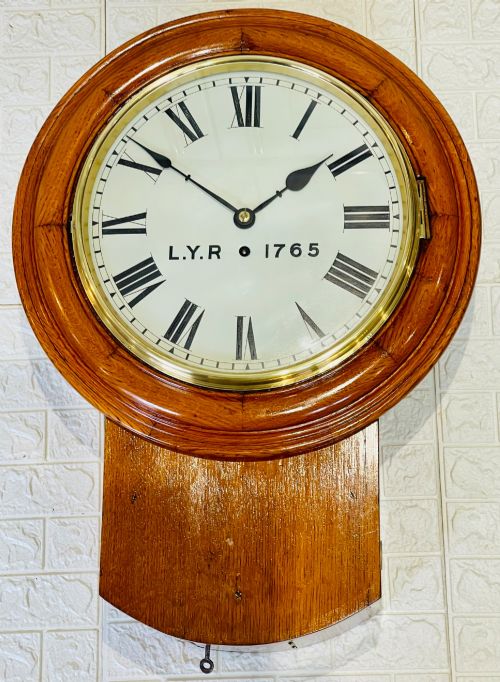
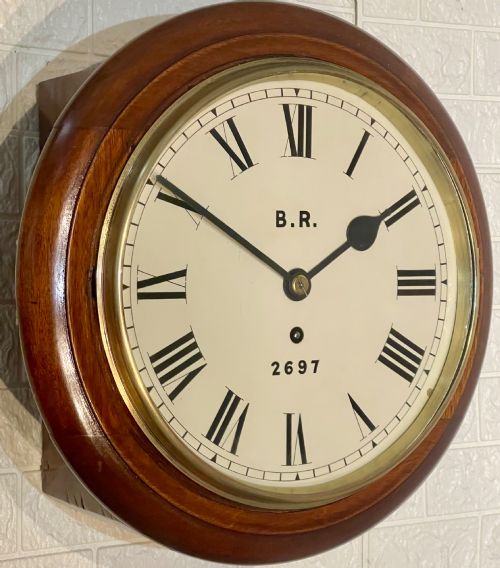
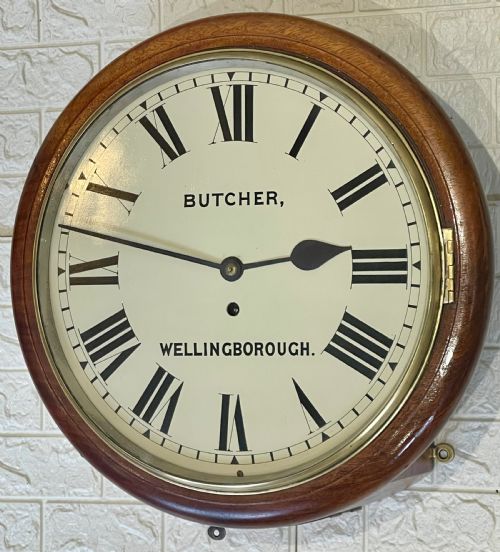
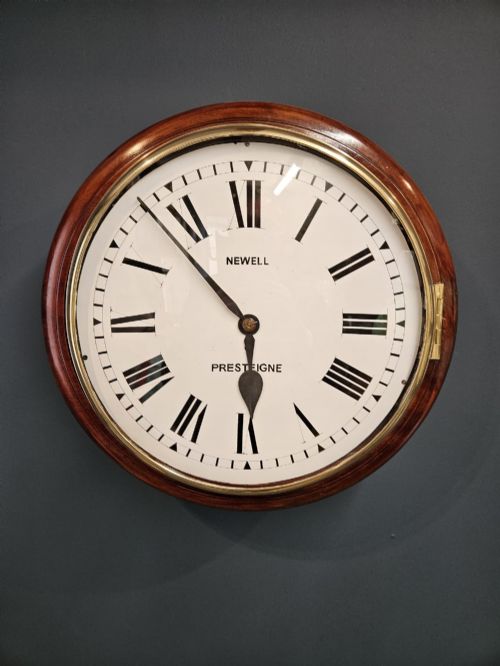
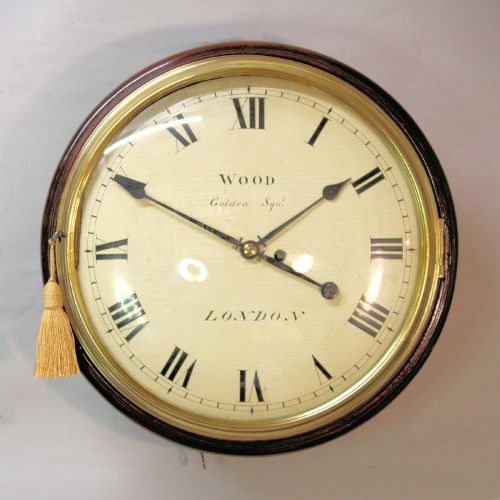
The versions most frequently encountered on this page originate from the Victorian and Edwardian periods, constructed in oak or mahogany. These include heavy railway drop dials and mantel clocks equipped with single or double fusee movements.
How they were made
The makers of these timepieces utilised solid oak, mahogany, brass, and glass to construct robust cases and intricate internal movements. Woodwork was turned or joined by hand, while brass formed the plates, gears, and bezels of the clock mechanisms.
Chain-driven or cord-driven fusee cones were integrated into the works to equalise the declining power of the mainspring as it unwound. This clever mechanical device ensures consistent tension is delivered to the escapement for accurate timekeeping.
Retail Price Guide 2026
Typical UK retail prices for mechanical fusee clock, calculated from the Sellingantiques database of over a million retail prices indexed since 2003. This retail price guide relies exclusively on Sellingantiques data; no external sources or auction records are used, so the figures do not describe the wider market.
Clock formats on this page include railway drop dials, tavern timepieces, mantel clocks, and skeleton movements.
What varies in quality
The distinction between ordinary and superior examples lies in the crispness of the movement and the quality of the timber casing. Finely cut brass gears and well-figured oak or mahogany denote a higher standard of workshop production.
Richard Winter of Chieveley
The Mechanical Fusee Clock Glossary
- Fusee
- A conical pulley used in spring-driven clocks to equalise the torque of the mainspring. This device ensures even power delivery as the spring winds down.
- Drop dial
- A wall clock featuring a circular dial mounted above a glazed wooden trunk or box. This design allows space for a swinging pendulum inside.
- Skeleton clock
- A timepiece with an open framework designed to expose the gear train and movement to view. These pieces are often protected by a glass dome.
- Double fusee
- A movement incorporating two separate fusee mechanisms to power both the timekeeping train and the striking train. This arrangement provides equal torque to both functions.
Frequently Asked Questions
What is a fusee clock?
A mechanical fusee clock is a timepiece driven by a spring connected to a conical pulley system. This mechanism maintains constant driving force to the escapement.
Such clocks were built primarily during the nineteenth and early twentieth centuries. They appear as wall-mounted drop dials or freestanding mantel and skeleton clocks.
How do I wind a fusee clock?
Winding requires a key inserted into the dial face to tension the mainspring via the fusee chain or cord. Care must be taken not to overwind the mechanism.
Most examples require attention at regular intervals, typically weekly or monthly depending on the specific train layout. Keeping the movement clean ensures smooth operation.
Where were these clocks used?
These timepieces served in railway offices, public houses, and domestic interiors where accurate time was essential. Drop dial wall clocks were designed for high visibility in commercial settings.
Smaller mantel and skeleton versions found places in private parlours and drawing rooms. Their sturdy oak and mahogany construction suited daily use.
How do I date a mechanical clock?
Dating relies on stylistic details, case timbers such as oak or mahogany, and specific mechanical indicators like the presence of a fusee. Victorian and Edwardian examples often display distinct regional joinery.
Inscribed maker details on the dial or movement backplate provide precise attribution. Surviving records help place unlabelled workshop pieces within the nineteenth century.