

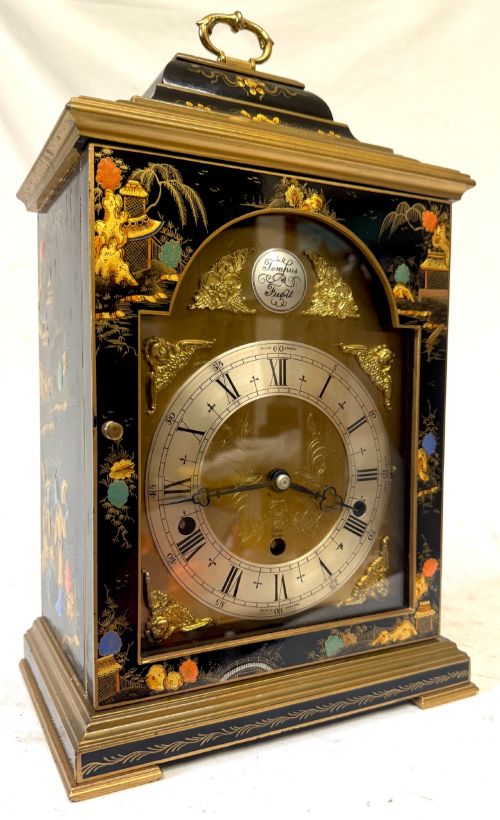
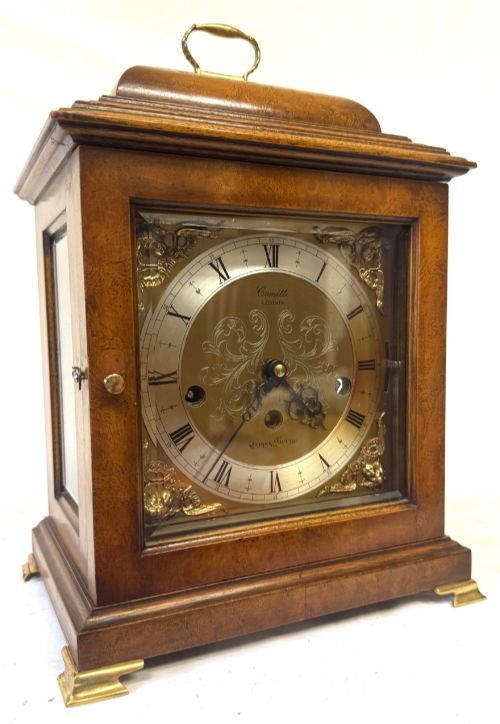
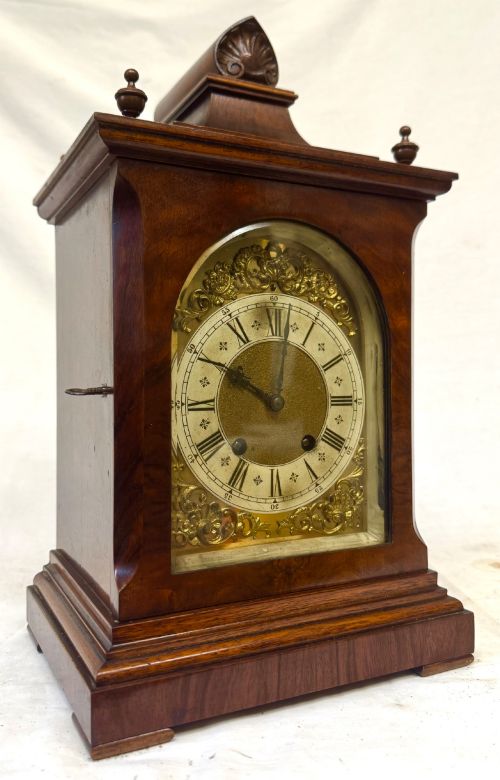
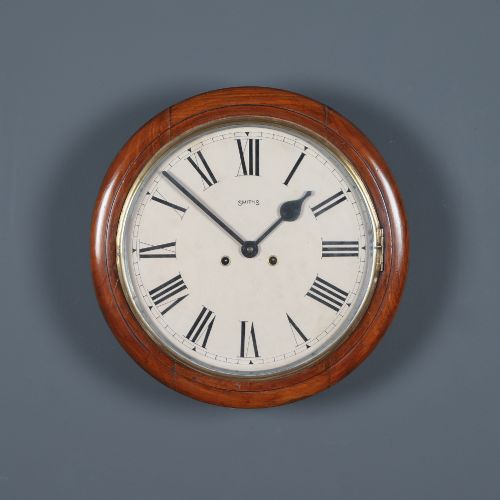
Traditional Chiming Clock
Traditional chiming clock pieces combine mechanical timekeeping with resonant bells, offering both practical utility and acoustic character to a room.
Traditional Chiming Clock
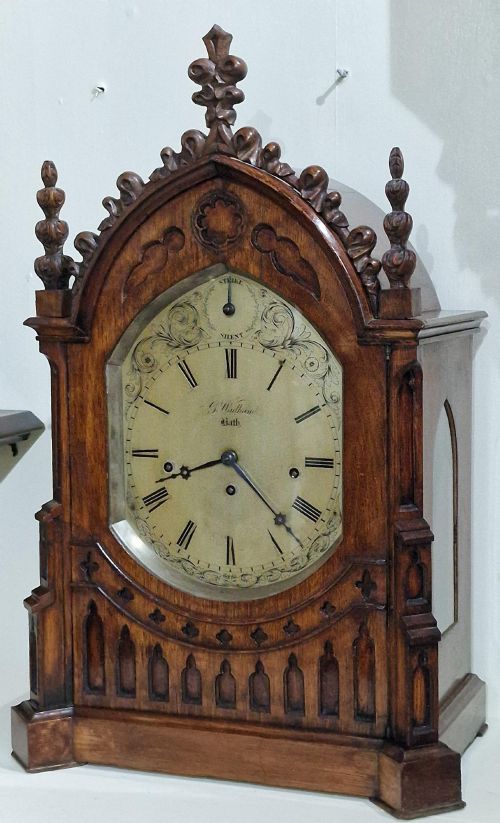
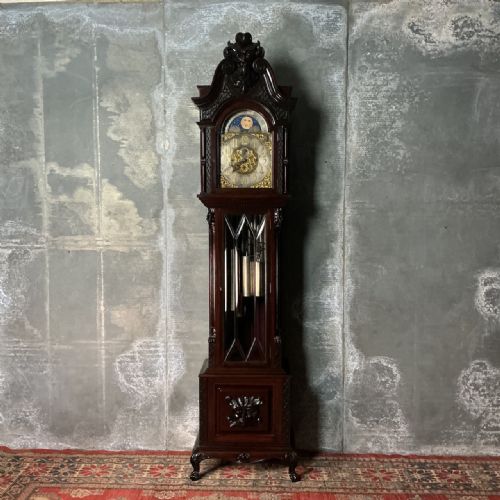
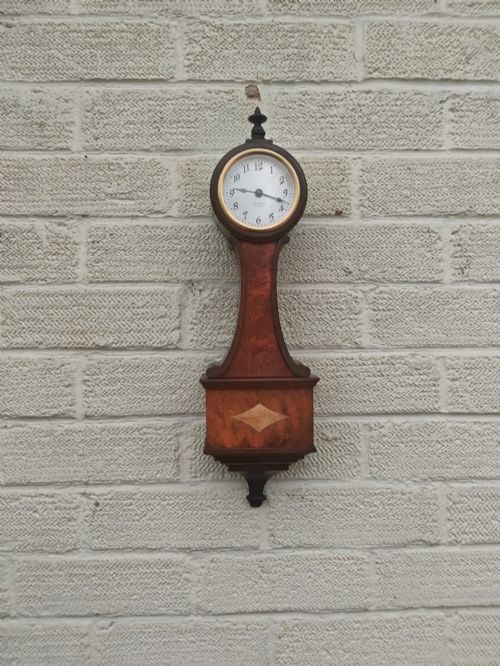
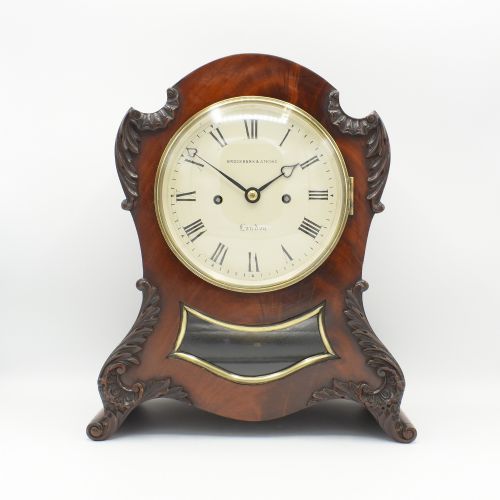
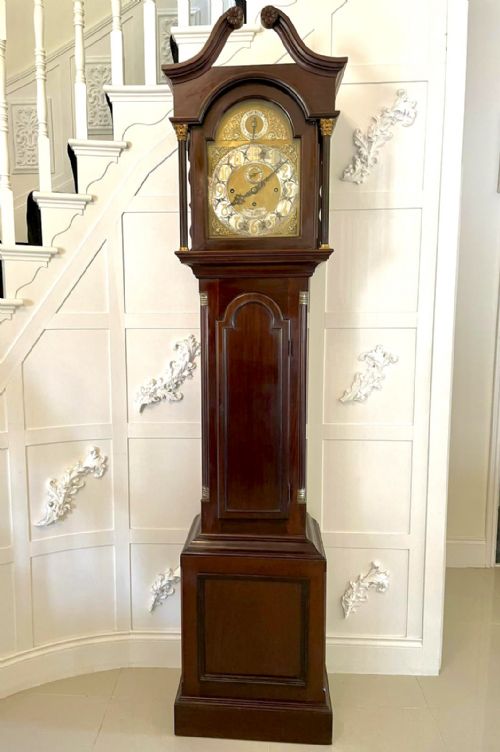
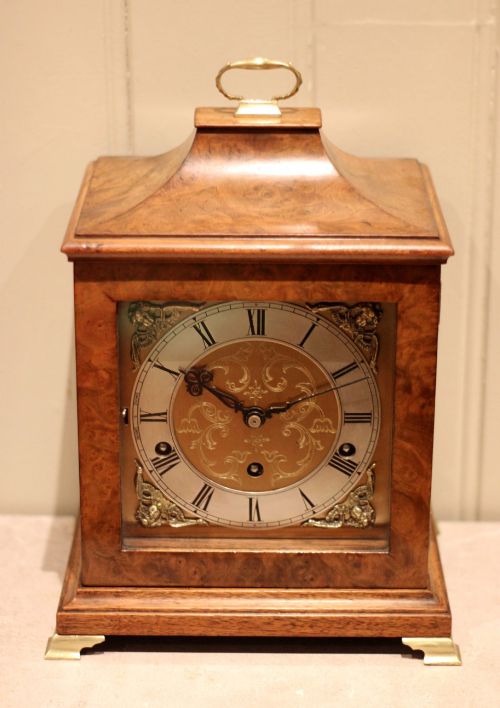
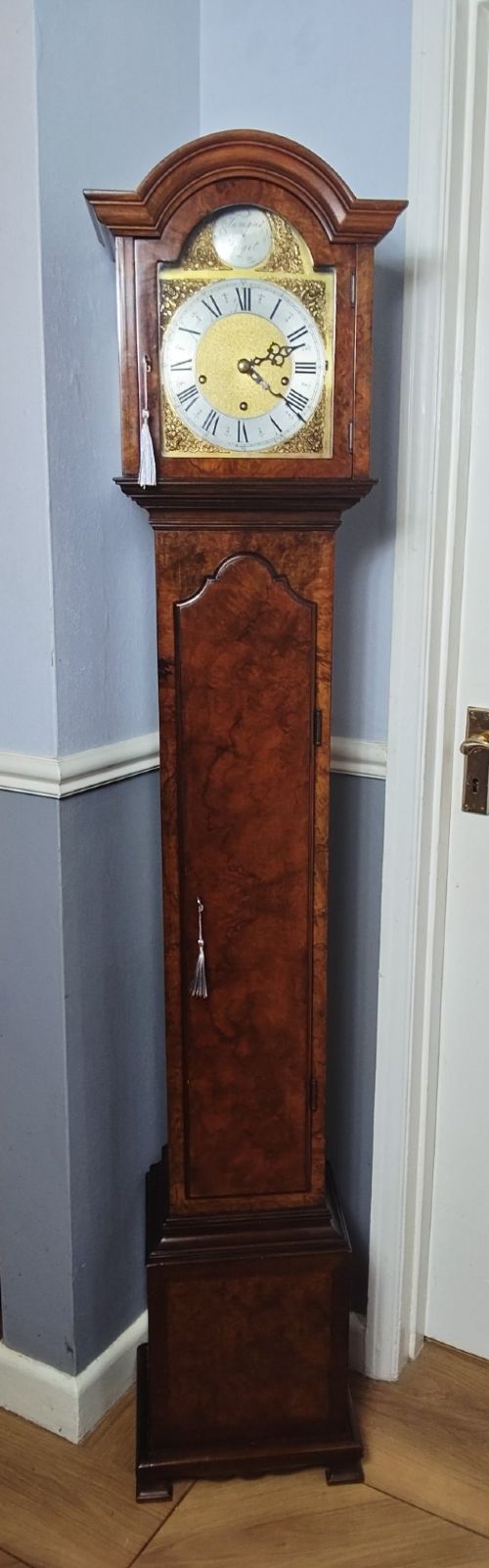
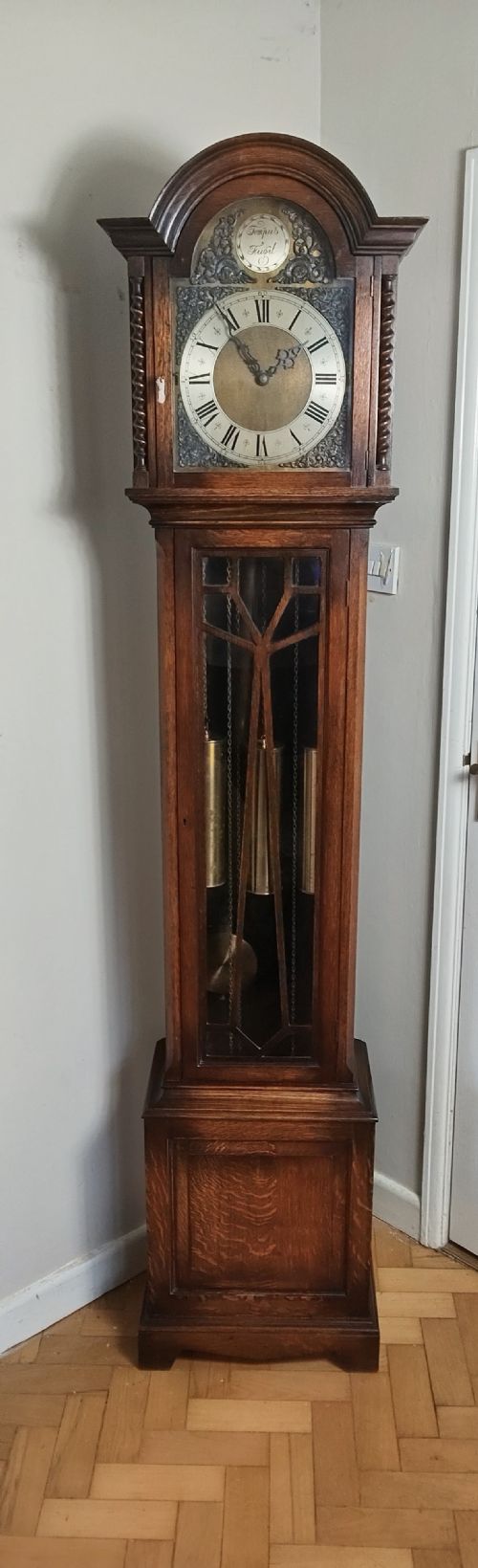
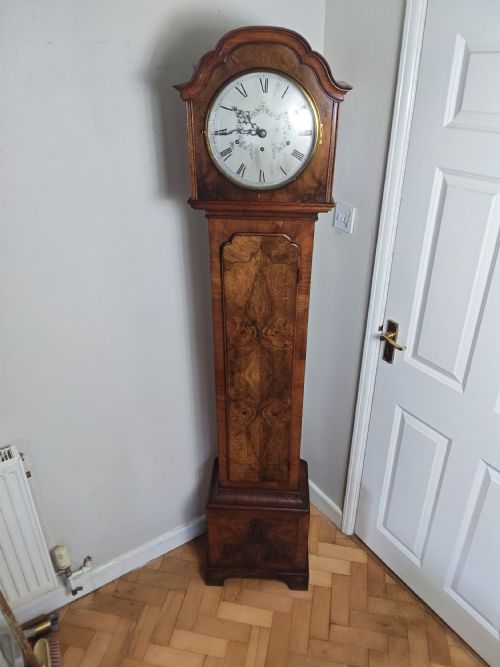
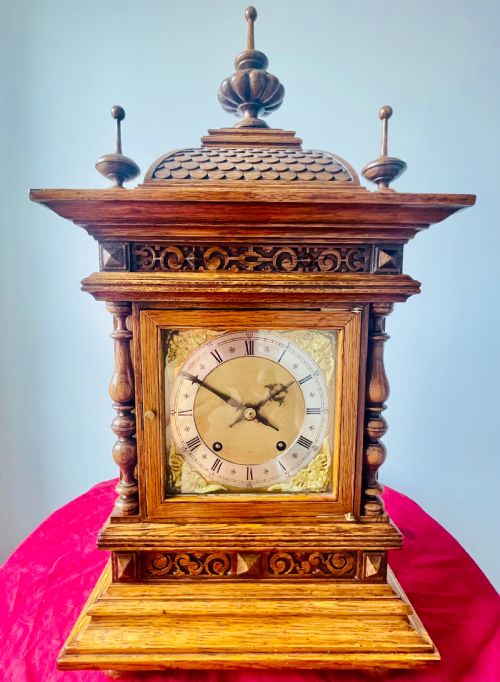
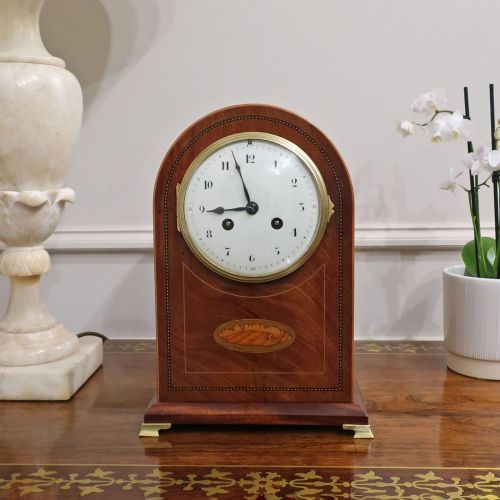
A traditional chiming clock encompasses tall floor-standing longcase and grandfather models, medium wall and bracket designs, and compact mantel and table clocks. These pieces originate from periods spanning the nineteenth century through the mid twentieth century, including Victorian, Edwardian, and later decades.
Buyers encounter a variety of timber cases housing spring or weight driven movements, ranging from substantial oak and mahogany longcase bodies to walnut and burr walnut mantel and bracket formats. The selection covers diverse regional British and continental workshops, incorporating styles from Gothic Revival to Georgian and Queen Anne adaptations.
Distinctions in construction and execution
Quality separates through the complexity of the movement, distinguishing simple strike configurations from intricate triple train mechanisms playing multiple tunes on bells or tubular rods. Superior examples feature robust fusee or spring-driven gear trains with finely cut teeth and high-grade materials.
Cabinetwork differentiates the tier of a piece, separating plain timber housings from richly figured burr walnut, elaborate brass dial furniture, and meticulous marquetry inlay. The precision of the joinery and the acoustic resonance of the case determine overall excellence.
Traditional Chiming Clock Retail Price Guide 2026
Typical asking prices for traditional chiming clock among the pieces listed under this phrase on Sellingantiques today, from the lower quarter to the upper quarter. They describe what is for sale here now, not the wider market.
Comitti Of London·Mappin & Webb·Seth Thomas·Winsor Bishop Norwich·Brockbanks & Atkins
The Traditional Chiming Clock Glossary
- Longcase clock
- A tall floor-standing timepiece housed in a wooden case with a pendulum and weights.
- Bracket clock
- A portable table or shelf clock originally designed to sit on a wall bracket.
- Fusee
- A conical pulley mechanism that equalises the declining power of a mainspring as it unwinds.
- Train
- The series of gears within a clock movement dedicated to timekeeping, striking, or chiming.
- Chinoiserie
- European decorative lacquerwork imitating traditional Chinese artistic designs and motifs.
Traditional Chiming Clock: Frequently Asked Questions
How do mantel and bracket clocks differ?
Mantel clocks are generally designed to sit flat on a fireplace mantel or shelf. Bracket clocks historically required a wall-mounted wooden shelf to support their heavier movements.
Over time, the terms became largely interchangeable for smaller portable spring-driven clocks housed in timber cases.
What does a fusee movement do?
A fusee movement uses a conical pulley connected to the mainspring via a cord or chain. This mechanism maintains even tension on the gear train as the spring unwinds.
This constant force improves the timekeeping accuracy of the clock across its entire running cycle.
How do grandmother and grandfather clocks differ?
Grandmother clocks are smaller, more slender versions of traditional longcase grandfather clocks. They stand shorter in height while retaining full mechanical chiming movements.
This reduced scale allowed them to fit comfortably into rooms with lower ceilings during the early twentieth century.