

Classical Mantel Clock
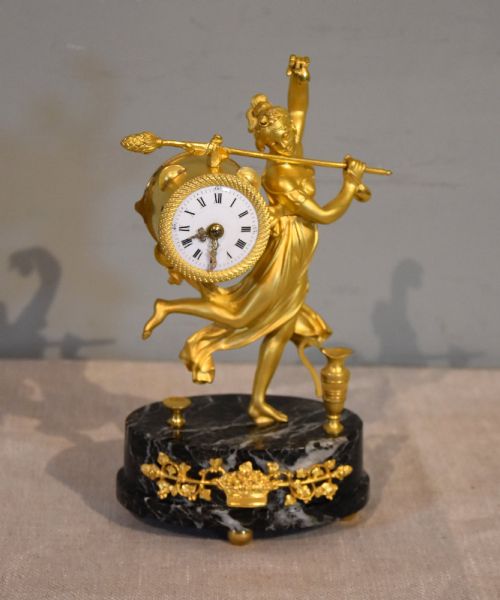
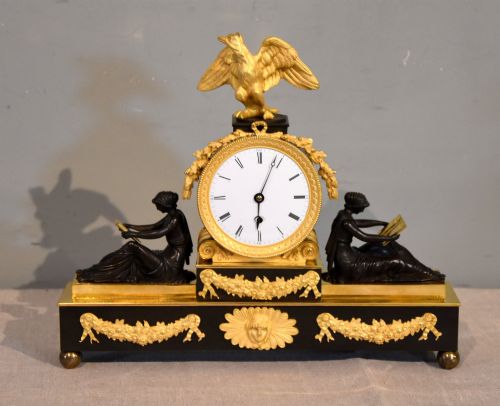
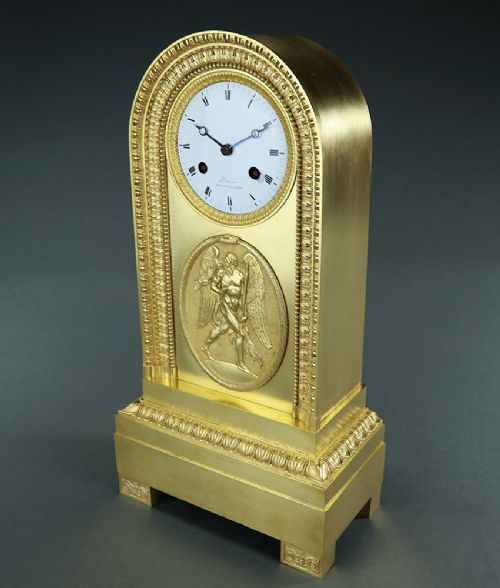
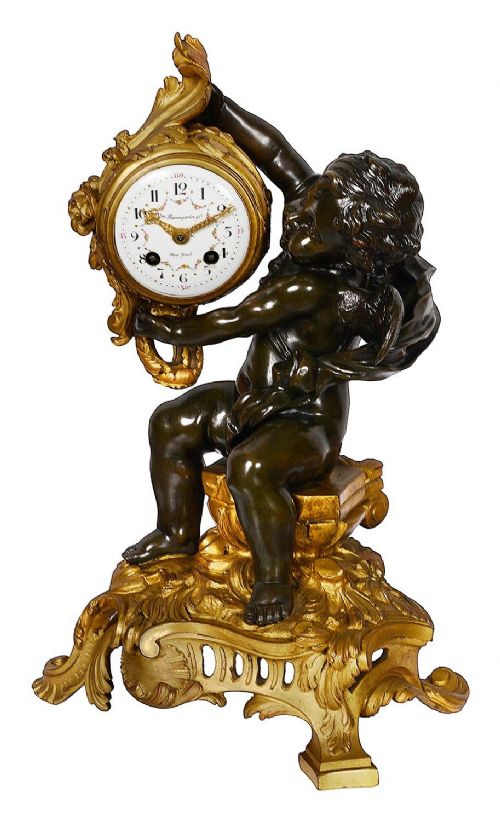
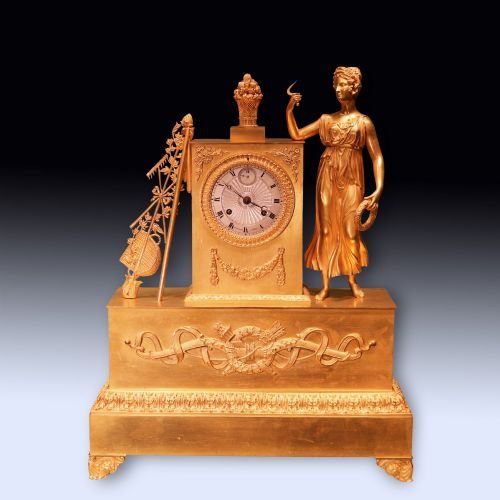
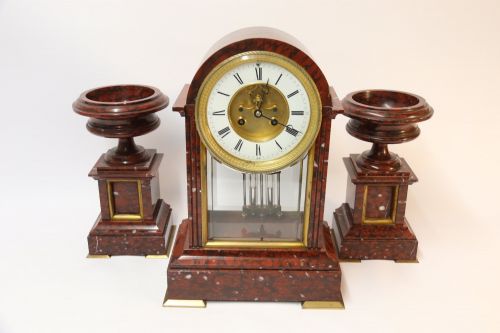
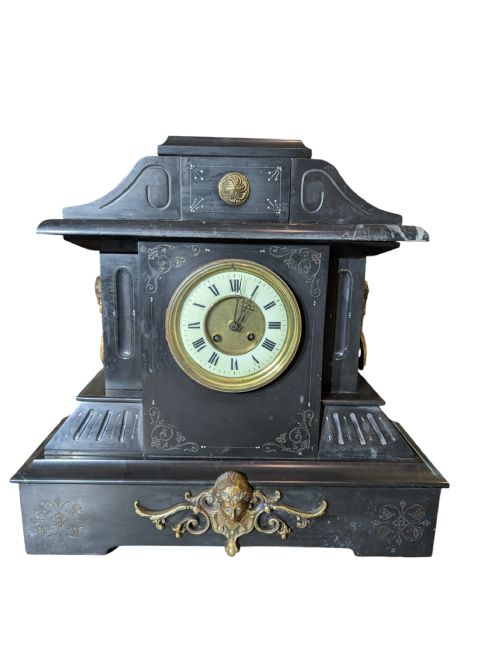
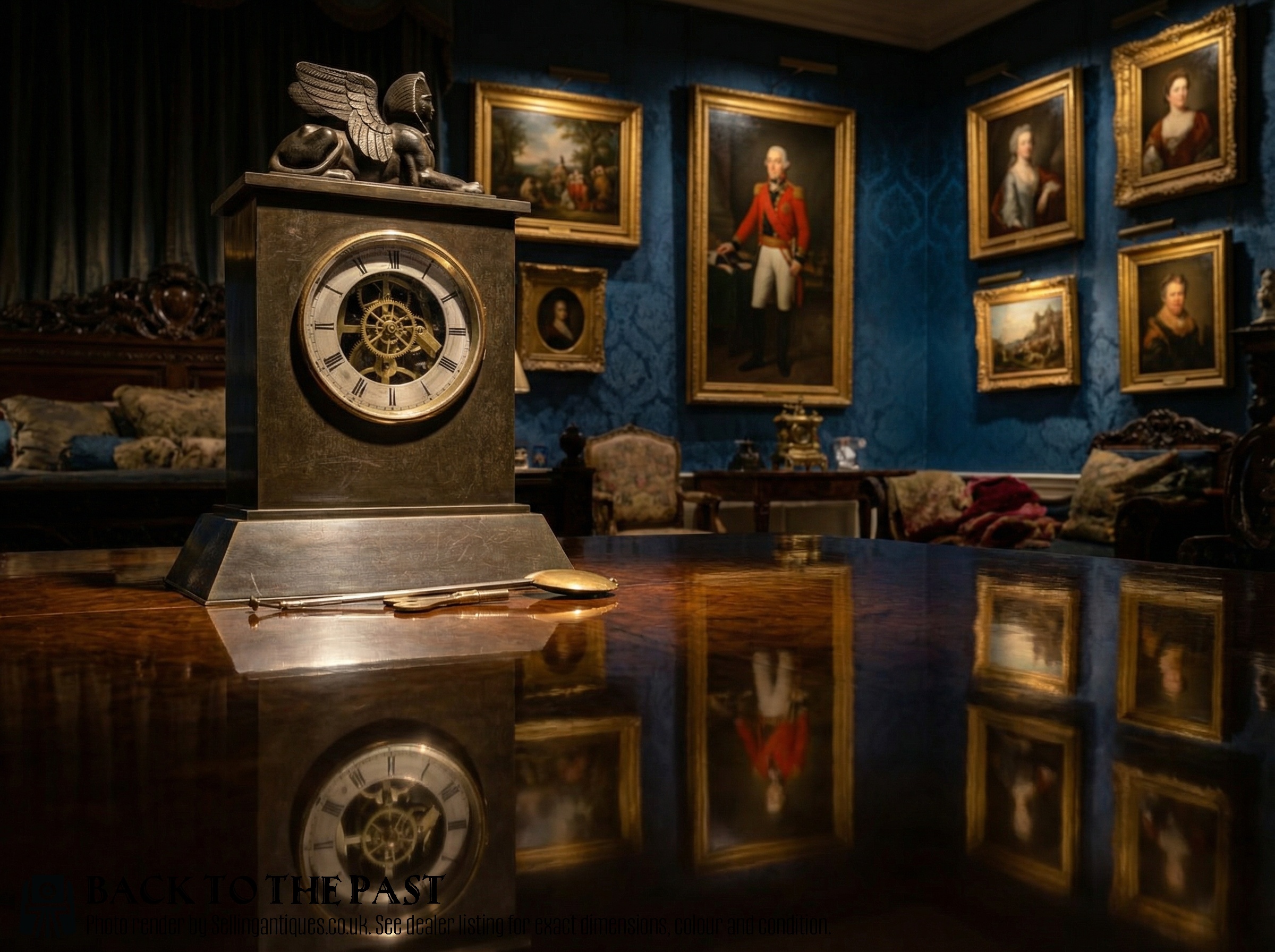
These classical mantel clocks are architectural timepieces bringing period bronze, marble, and gilt detail to the mantelpiece.
What these classical mantel clocks are
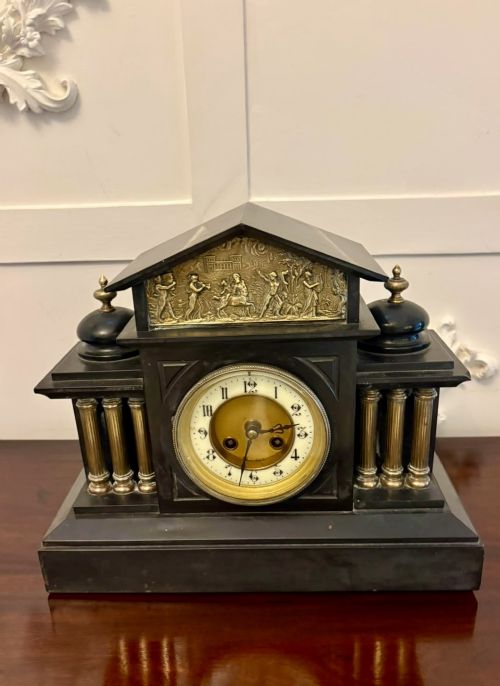
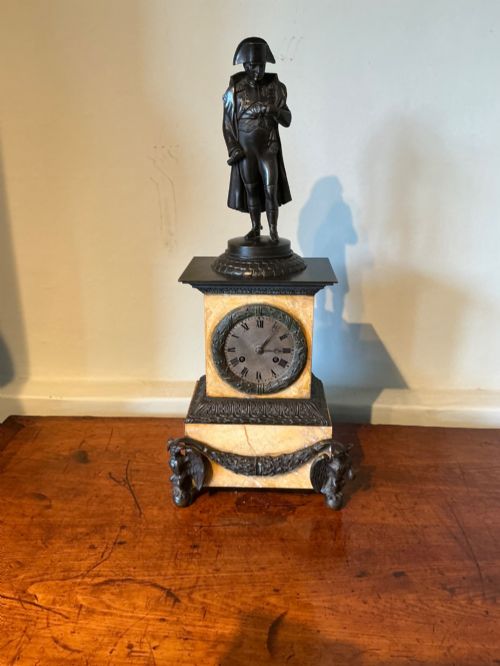
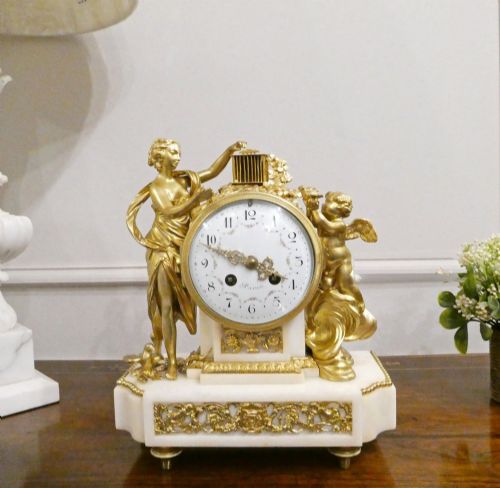
A classical mantel clock brings substantial presence to a room, drawing on French Louis XIV, Louis XVI, and Empire styles alongside Victorian Classical Revival designs. Buyers encounter pieces housed in marble, slate, alabaster, mahogany, burr walnut, and ebonised wood.
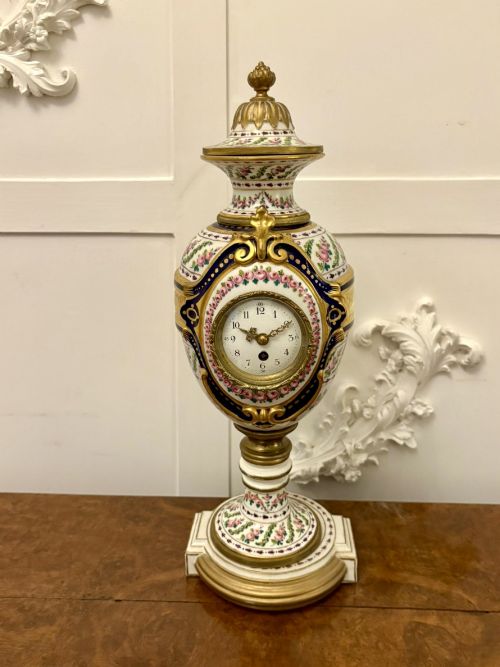
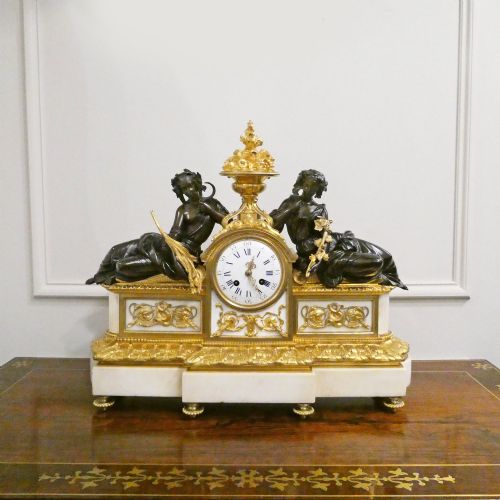
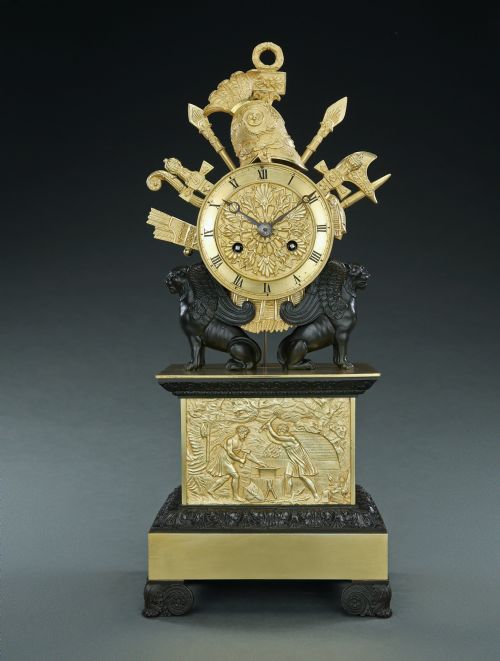
The selection ranges from architectural marble cases to elaborate gilt bronze and porcelain combinations. Figures such as William Shakespeare or military trophies frequently adorn the bronze and patinated metal cases of the nineteenth century.
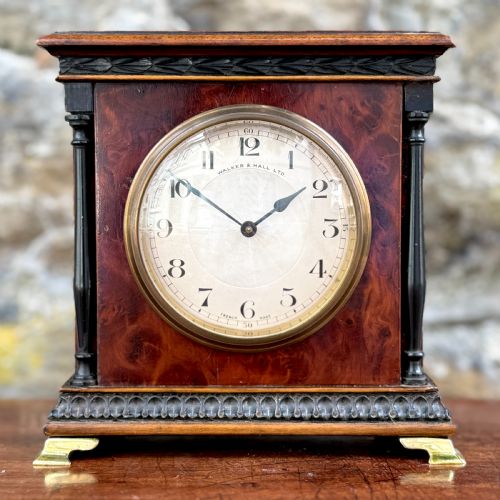
Edwardian interpretations also appear, represented by makers like Walker and Hall alongside robust Victorian examples. These timepieces combine functional utility with the sculptural qualities characteristic of nineteenth-century domestic interiors.
How they were made
The construction of these pieces relies on heavy natural materials including grey, sienna, and black marble, alongside alabaster and slate. Cabinetmakers utilised mahogany, burr walnut, and ebonised wood to build sturdy wooden cases.
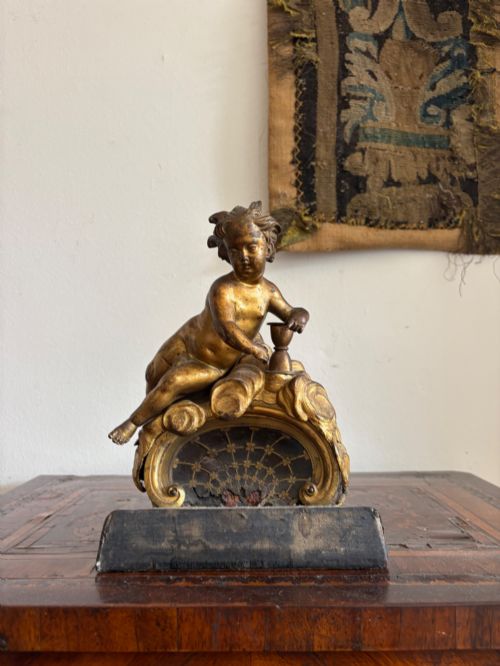
Foundry work produced intricate gilt bronze and patinated bronze mounts, often incorporating porcelain panels into the design. Movements and cases were frequently assembled by specialised workshops and prominent French and British makers.
Retail Price Guide 2026
Typical UK retail prices for classical mantel clock, calculated from the Sellingantiques database of over a million retail prices indexed since 2003. This retail price guide relies exclusively on Sellingantiques data; no external sources or auction records are used, so the figures do not describe the wider market.
Listings feature pieces from the 19th Century, 1860, the Victorian era, and 1910.
What varies in quality
The refinement of the cast bronze ornaments and the depth of the gilding separate standard production from superior work. Crisply chased surface details on figural mounts indicate greater skill in the foundry.
The selection of materials also dictates the standing of the piece, with richly figured burr walnut and carefully matched marbles commanding attention. Well-executed dial work and integrated components such as matching candelabra elevate the overall composition.
Walker and Hall·Japy Freres
The Classical Mantel Clock Glossary
- Gilt bronze
- Metal cast and treated with a gold finish to create a bright, decorative surface. This technique was widely utilised in French Empire and Louis XVI style pieces.
- Patinated bronze
- Metal treated to produce a dark, weathered surface coloration rather than a gold finish. It often highlights the details of figural subjects and military trophies.
- Alabaster
- A fine-grained, translucent stone used for sculptural clock cases. Its pale appearance provides a distinct contrast against gilt bronze mounts.
- Ebonised wood
- Timber treated with a dark stain to imitate ebony. This finish was common in nineteenth-century clock cases for a formal, uniform appearance.
Frequently Asked Questions
What materials make up these clock cases?
These clock cases utilise a variety of heavy stones and timbers, including grey marble, sienna marble, black slate, alabaster, mahogany, burr walnut, and ebonised wood.
Metal components appear frequently in the form of gilt bronze and patinated bronze, sometimes combined with porcelain panels.
Which decorative styles are common?
The designs draw heavily from French aesthetics, including Louis XIV, Louis XVI, Empire, and Neoclassical styles.
Victorian Classical Revival and Edwardian examples also feature within the selection, alongside pieces incorporating figurative bronzes.
How do I identify the period?
Dating relies on the combination of materials, case construction, and stylistic markers associated with the nineteenth century and early twentieth century.
Maker stamps and specific design motifs, such as military trophies or classical figures, help narrow down the era of manufacture.
Did makers produce matching sets?
Certain pieces were created as part of larger garnitures, occasionally accompanied by matching candelabra to form a coordinated mantel display.
These suites share the same bronze mounts and marble bases to maintain visual consistency across the fireplace.