




French Pendule Clock
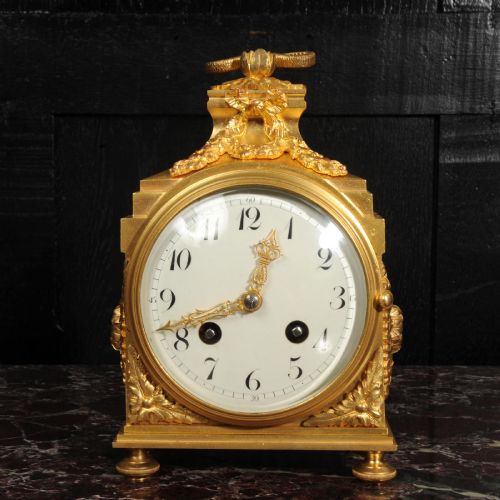
A french pendule clock brings the brass, marble and gilt bronze of the nineteenth century into a room with precise presence.
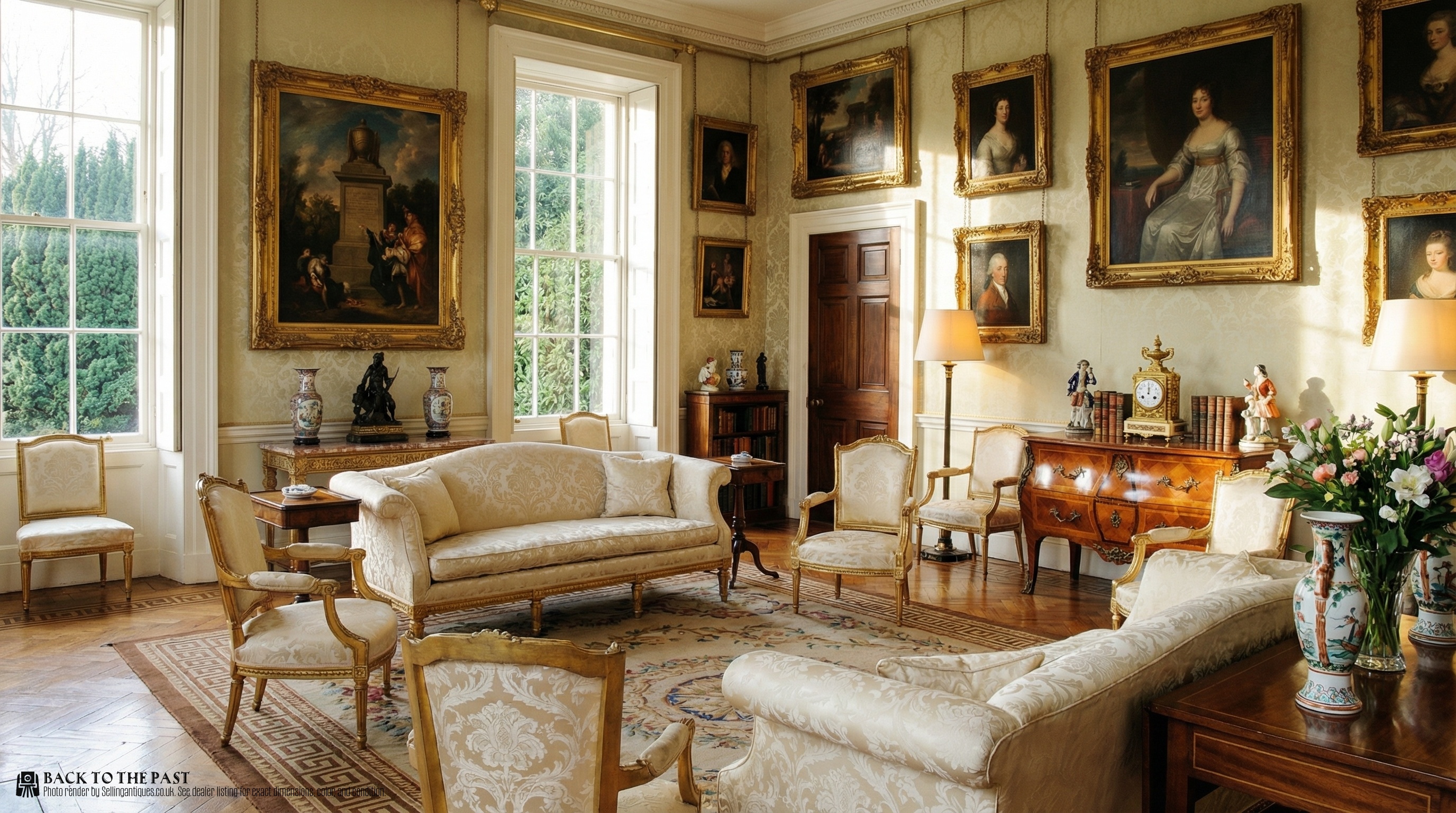
French Pendule Clock
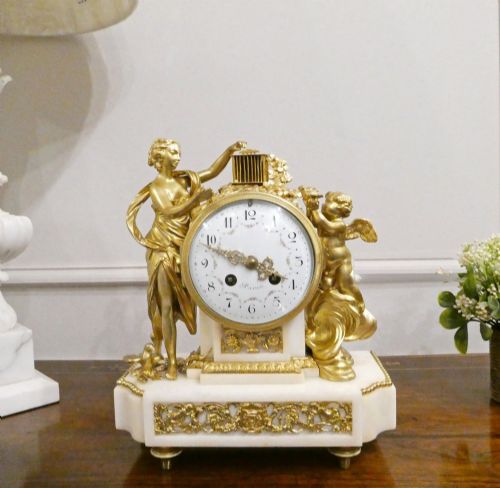
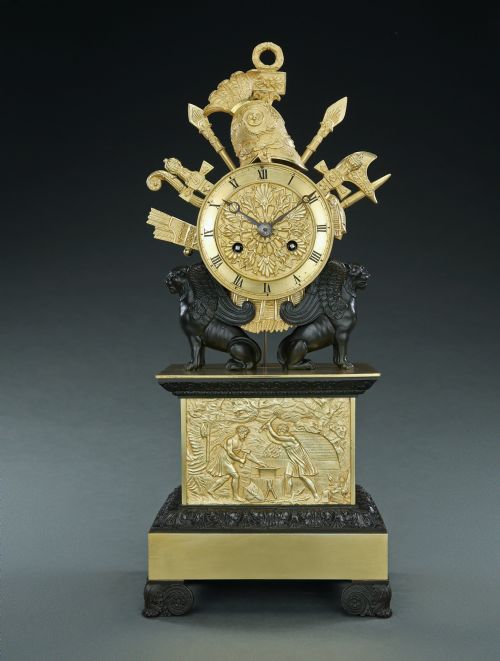
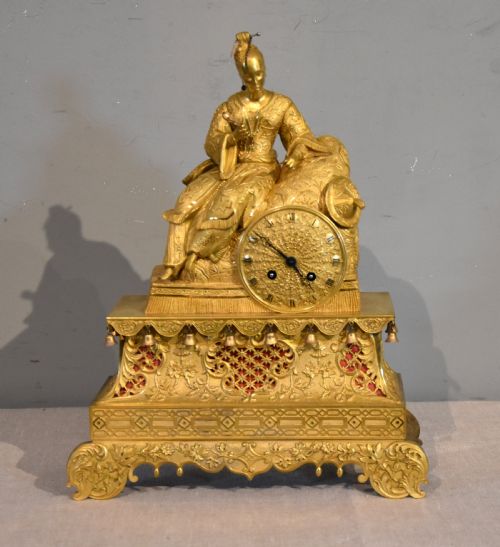
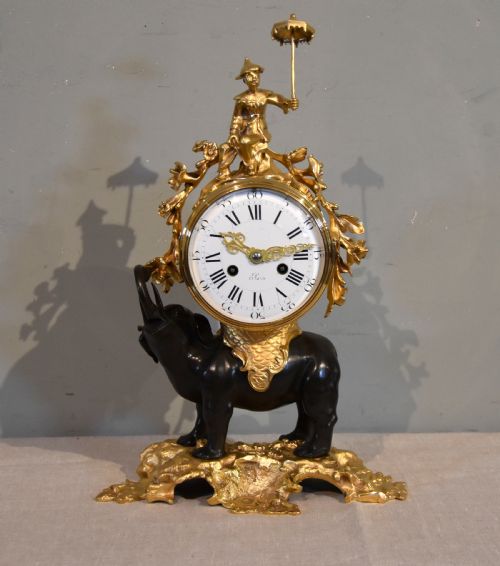
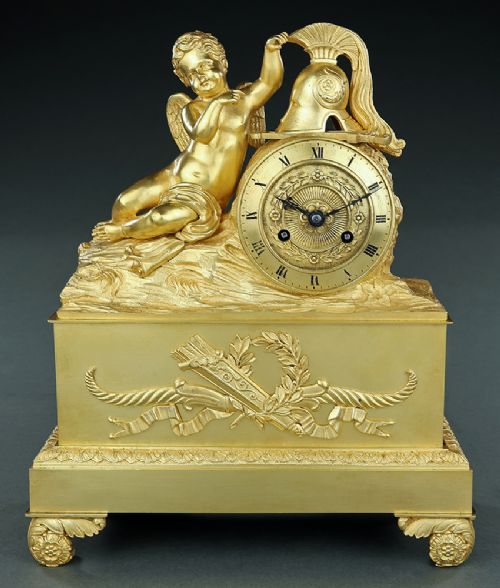
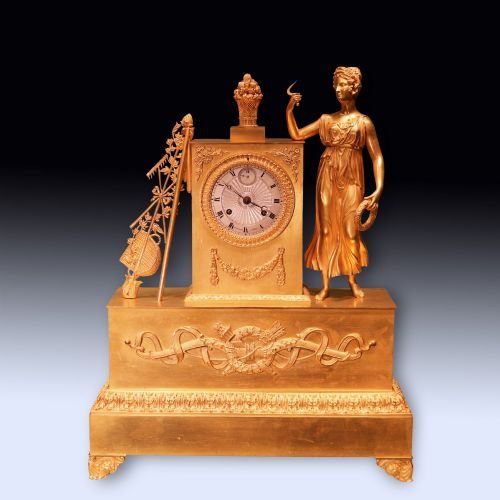
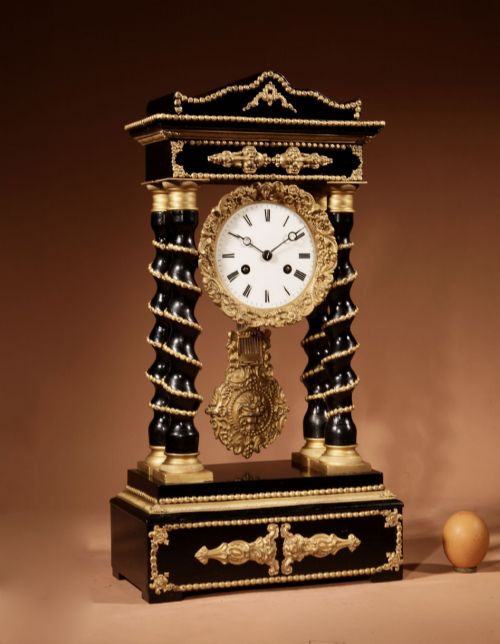
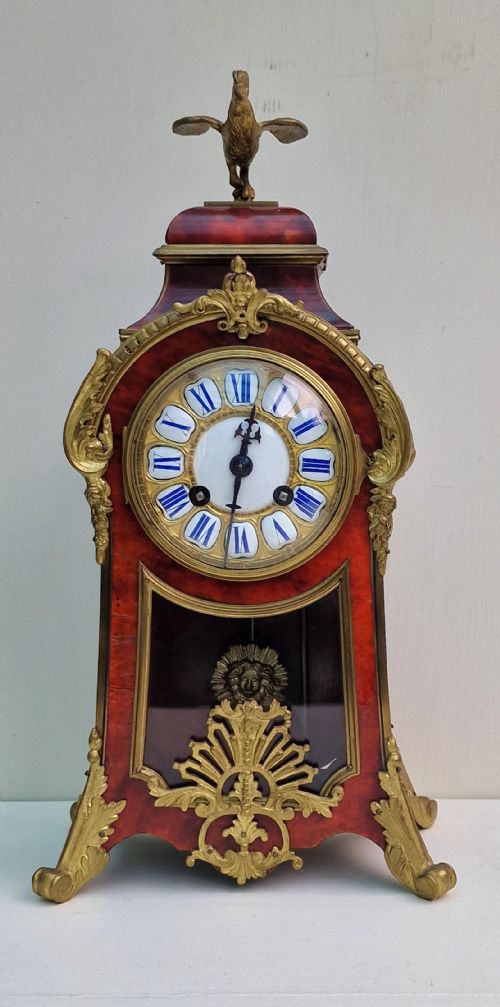
When you search for a french pendule clock, you encounter mantel clocks, portico clocks and table clocks dating primarily from the nineteenth century. These timepieces display distinct historical influences, ranging from French Empire and Louis XVI styles to elaborate Rococo Revival and Napoleon III designs.
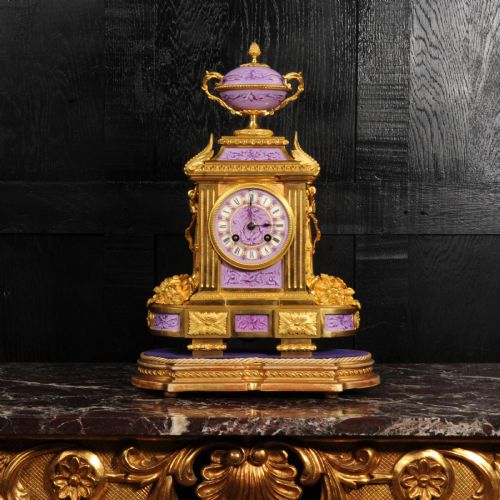
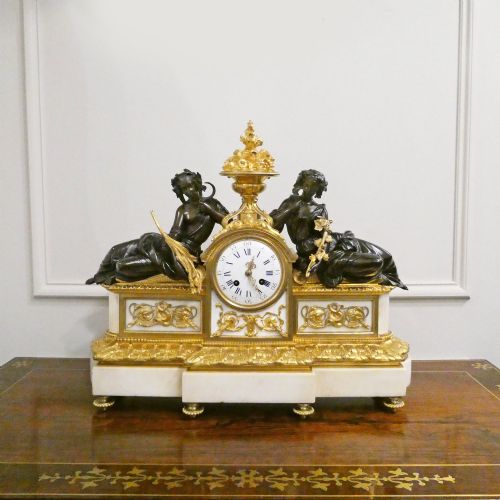
You will most frequently meet mantel clocks cast in gilt bronze and ormolu, often paired with white marble or Sèvres porcelain. Forms vary from architectural portico cases to figural designs depicting animals, mythological themes and military trophies under glass domes.
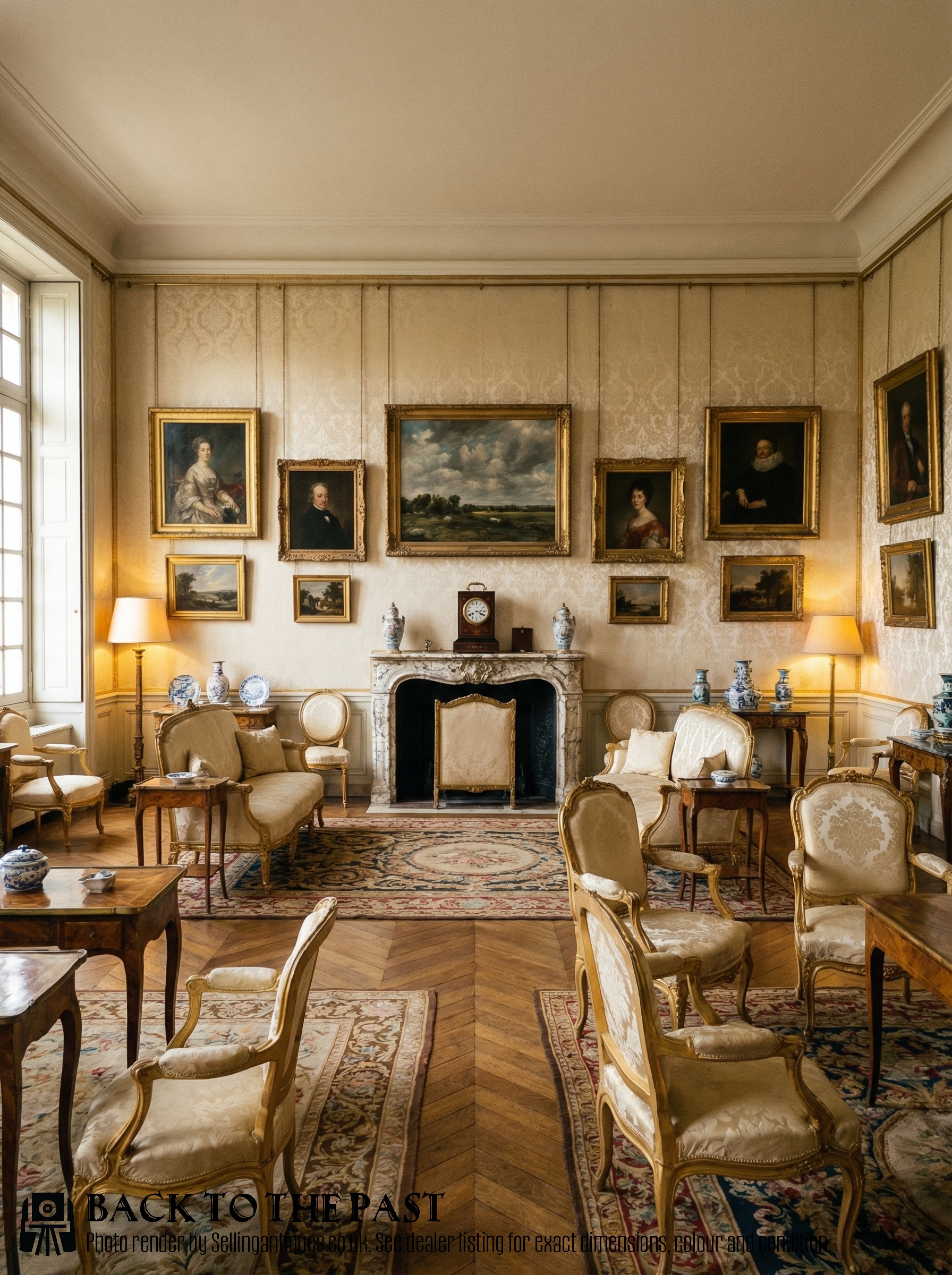
Materials and Construction
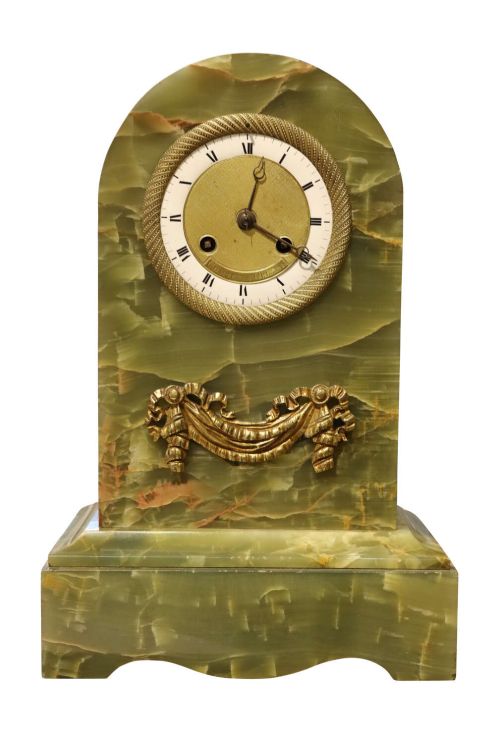
Maker workshops utilised cast ormolu, patinated bronze and brass alongside structural white marble, onyx and ebonised wood. Cases often incorporated delicate enamel dials, champlevé enamelling and inlaid tortoise shell panels.
The mechanical movements were produced by prominent horological firms, driving striking mechanisms and occasionally thermometers within heavily ornamented metal and stone housings.
French Pendule Clock Retail Price Guide 2026
Typical asking prices for french pendule clock among the pieces listed under this phrase on Sellingantiques today, from the lower quarter to the upper quarter. They describe what is for sale here now, not the wider market.
Materials across the listings include enamel, gilt bronze, ormolu, glass, brass, porcelain, patinated bronze and marble.
Distinctions in Standard
The standard of a piece rests upon the crispness of the gilt bronze chasing and the architectural harmony of the marble or porcelain elements. Finer examples display deeply detailed figural castings and signed movements by known makers.
Subordinate pieces rely on simpler stamped brass and generic mass-produced cases with less articulated ornamentation. The depth of the gilding and the integration of the decorative mounts dictate the standing of the clock.
Achille Brocot·Charles à Orléans·Vincenti·Canaillor of Paris·Henry Dasson·Leroy Paris·Henri Marc·Japy Freres·PH Mourey·Samuel Marti·Paul Garnier·Charpentier Paris·Pons de Paul
The French Pendule Clock Glossary
- Ormolu
- Gilt bronze created by applying a mercury and gold amalgam to a bronze base, producing a rich golden finish. This technique defines the surface of many fine nineteenth-century cases.
- Portico clock
- A mantel clock built with an architectural frame supported by four columns, often housing a pendulum swinging visibly between them. These pieces frequently feature wooden or marble bases.
- Champlevé
- An enamelling technique where troughs are dug into a metal surface and filled with vitreous paste before firing. The resulting patterns adorn the dials and bezels of decorative clocks.
- Pendule d'officier
- A portable carriage-style clock fitted with a handle, originally designed for military officers on campaign. They typically combine patinated and gilt bronze elements.
French Pendule Clock: Frequently Asked Questions
How do I wind a french pendule clock?
Most movements require a key inserted into the dial holes to tension the springs every week. Care must be taken not to over-wind the mechanism.
Moving the hands requires gentle adjustment following the specific instructions of the striking train to avoid damaging the internal gears.
Where should I place my clock?
These heavy marble and bronze pieces require a stable, level mantelpiece or console table to keep the pendulum beating evenly. Protection from direct sunlight preserves the enamel dials and gilt surfaces.
Keep them away from damp walls and heat sources to protect the delicate internal steel and brass components from corrosion.
How do I identify the period?
Stylistic cues such as strict symmetry point to Louis XVI designs, whereas asymmetrical scrolls indicate Rococo Revival taste. Maker signatures stamped on the backplates provide definitive dating markers.
Examining the materials, from white marble to ebonised wood, helps narrow the decade of manufacture alongside the signature style of the mounting.