
Antique Gilt Clock
An antique gilt clock brings nineteenth-century French and English precision, gleaming metalwork, and enamel dials into a room.

Antique Gilt Clock
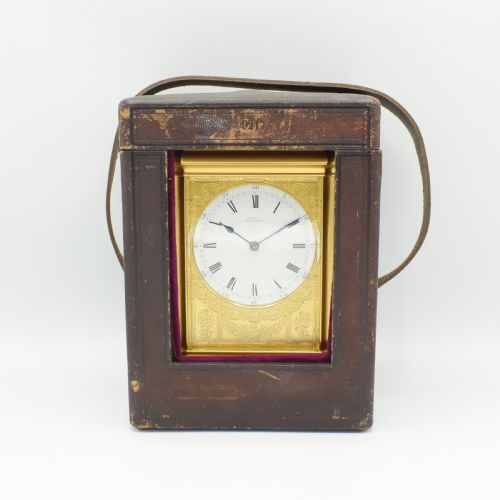
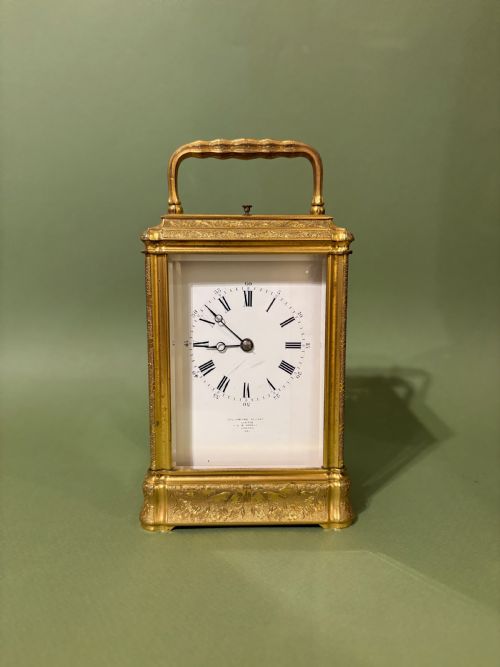
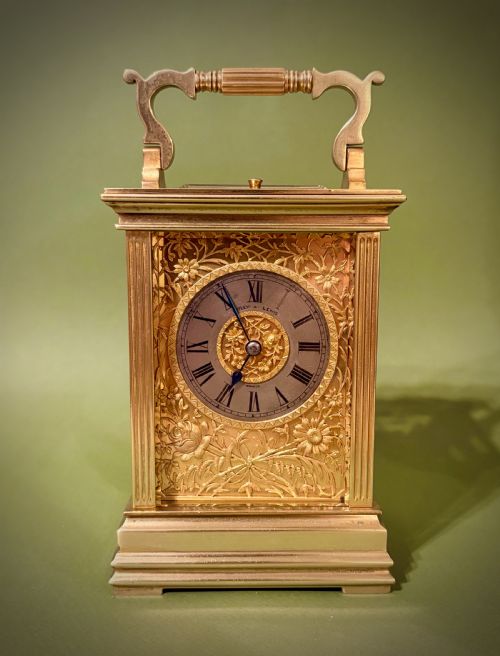
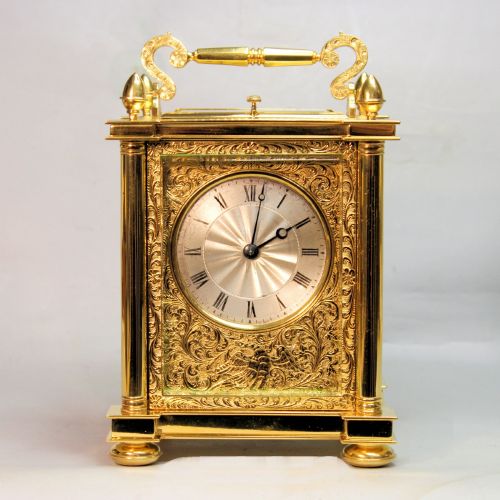
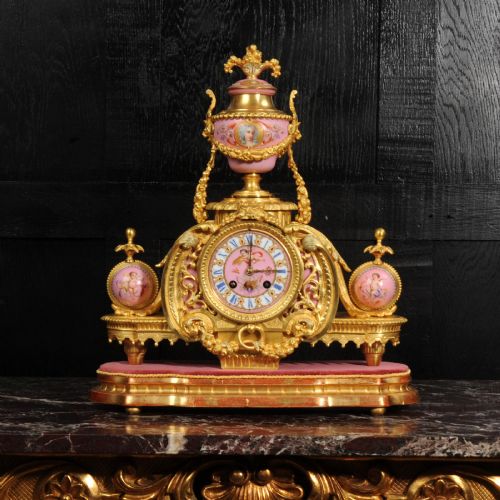
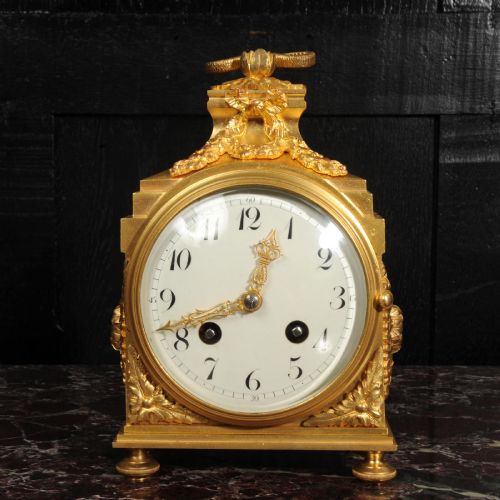
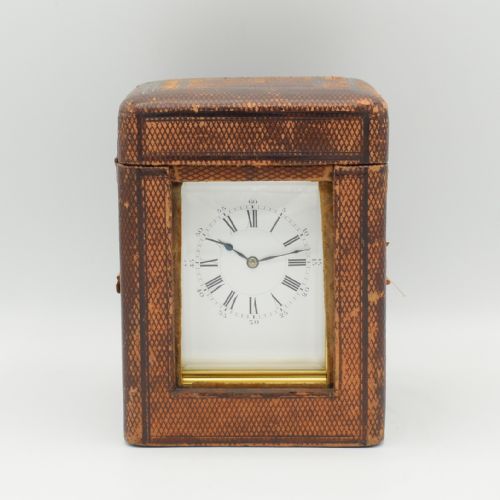
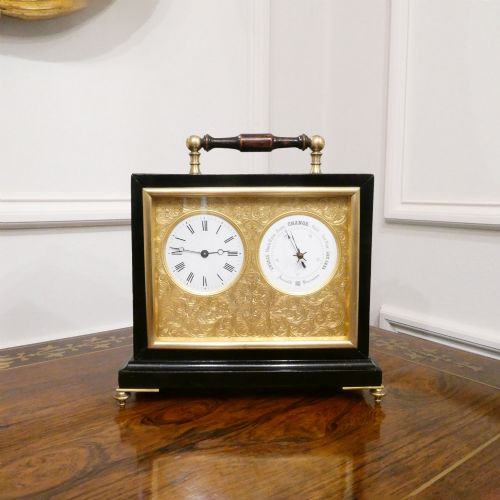
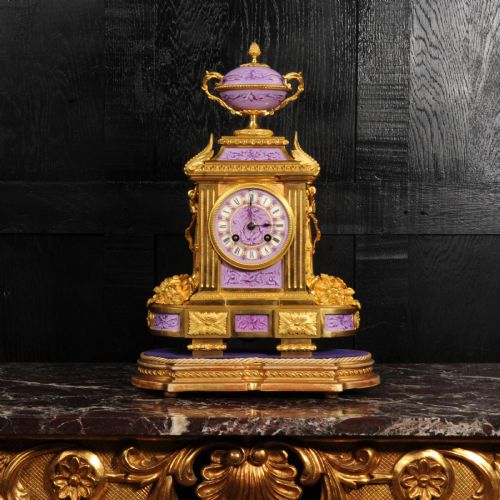
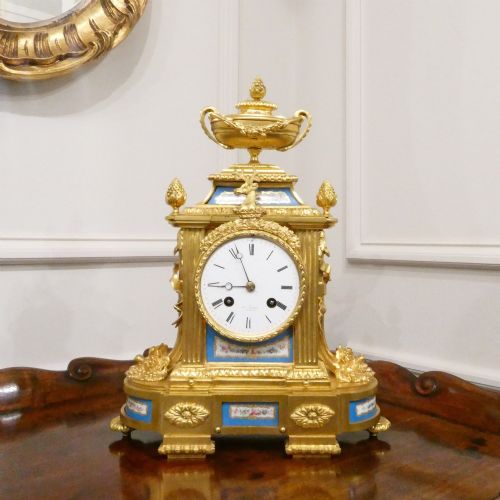
When you search for an antique gilt clock, you encounter a selection spanning the nineteenth and early twentieth centuries, dominated by French mantel designs and carriage pieces. The most frequent versions on this page are nineteenth-century French ormolu mantel clocks and portable carriage clocks housed in glass panels.
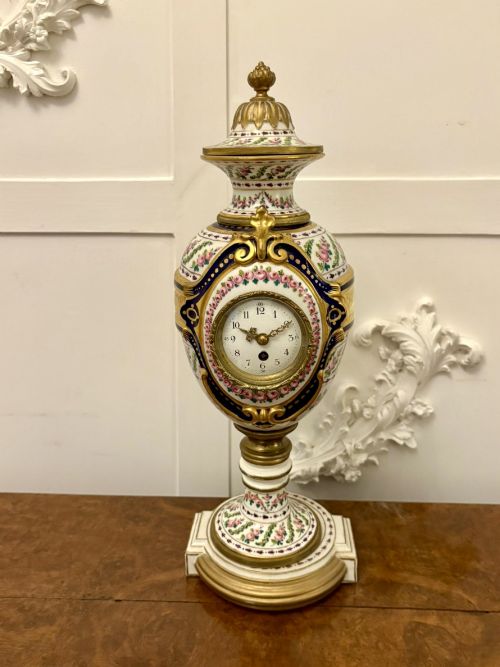
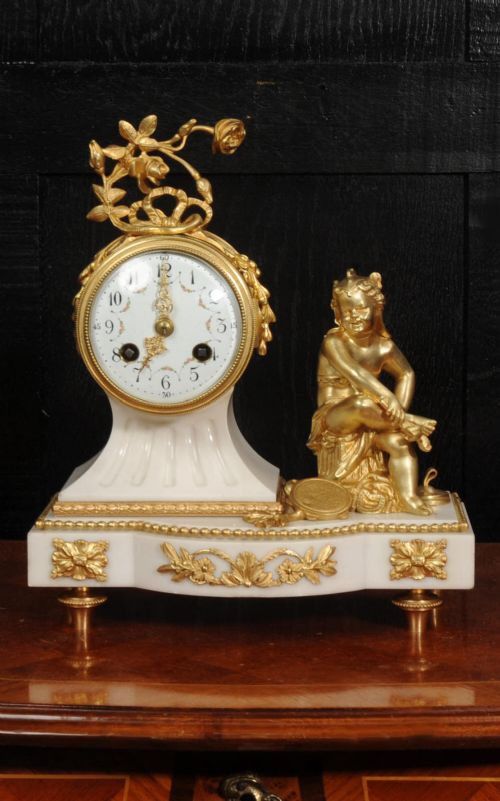
Makers often drew on Louis XVI, Baroque, and Rococo styles, shaping gilt bronze, brass, and marble into architectural cases, urns, and figural sculptures. Alongside mantelpieces, wall hanging cartel clocks and bracket pieces appear, carrying painted ceramic dials and decorative mounts.
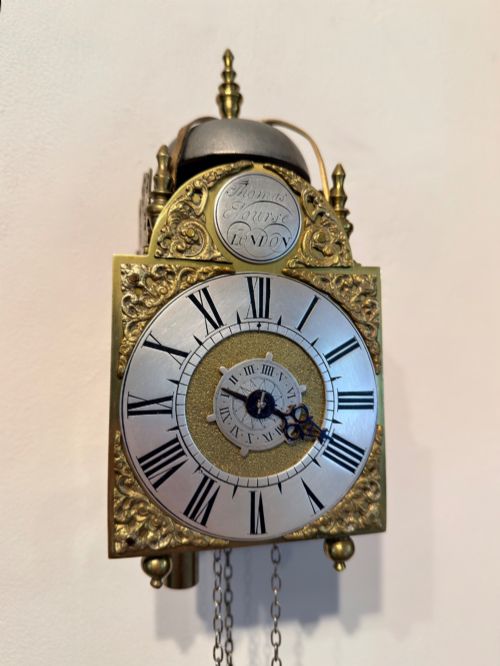
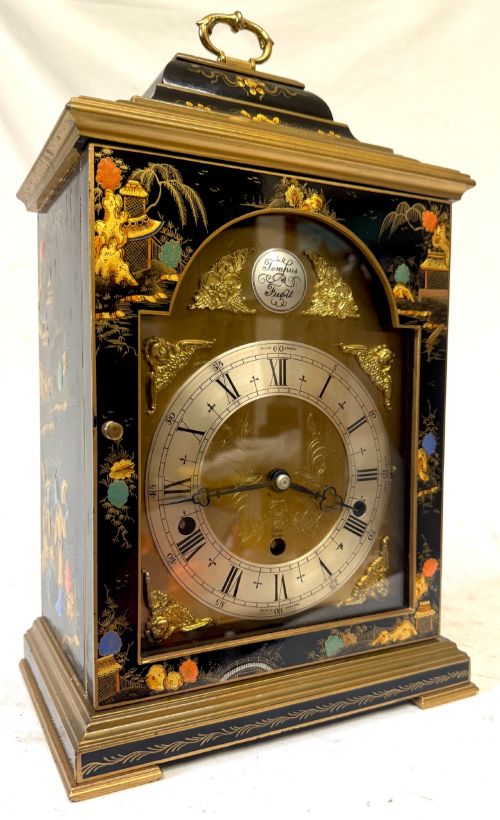
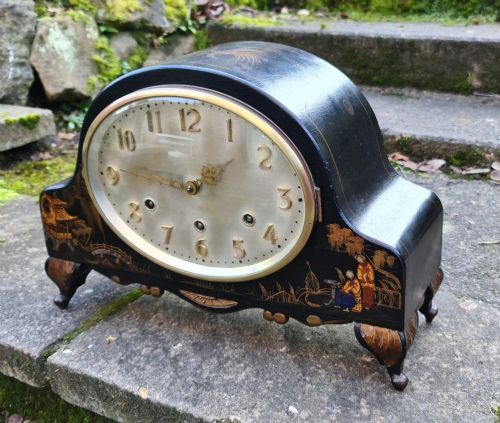
English makers also contribute fusee movements and lantern styles, while later Edwardian and Art Deco examples introduce star burst wall formats and lacquered wooden cases. These timepieces served both practical domestic scheduling and formal interior display.
What varies in quality
The distinction between tiers rests upon the crispness of the bronze casting and the depth of the mercury gilding. Superior examples display sharply chiselled ormolu foliage, finely articulated figural mounts, and integrated porcelain painted by skilled hands rather than generic factory decoration.
Movement sophistication also divides the range, where signed mechanical assemblies by established makers, repeating complications, and robust fusee mechanisms demonstrate superior horological ambition. The integration of matching side garnitures or original travel cases elevates a piece from a simple timekeeper to a cohesive ensemble.
Antique Gilt Clock Retail Price Guide 2026
Typical asking prices for gilt clock among the pieces listed under this phrase on Sellingantiques today, from the lower quarter to the upper quarter. They describe what is for sale here now, not the wider market.
Listings feature eighteenth and nineteenth-century periods, utilising gilt bronze, brass, marble, and porcelain across mantel, wall, and carriage forms.
Henri Jacot·Achille Brocot·Japy Freres·Henry Marc·Charles a Orleans·Samuel Marti·Paul Sormani·Vincenti·Cousens And Whiteside·Goldsmiths Alliance Ltd·Howell And James·Siffel And Cartier·Tiffany And Co
The Antique Gilt Clock Glossary
- Ormolu
- Gilded bronze produced through a mercury amalgamation technique. This historic process gives the metal a distinctive warm lustre that resists tarnishing.
- Fusee
- A conical pulley used in clock movements to maintain even driving force as the mainspring unwinds. It ensures consistent timekeeping accuracy throughout the power reserve.
- Cartel clock
- A wall-mounted clock featuring an ornate frame of carved wood or gilt bronze. These decorative pieces were designed to coordinate with interior wall panelling.
- Garniture
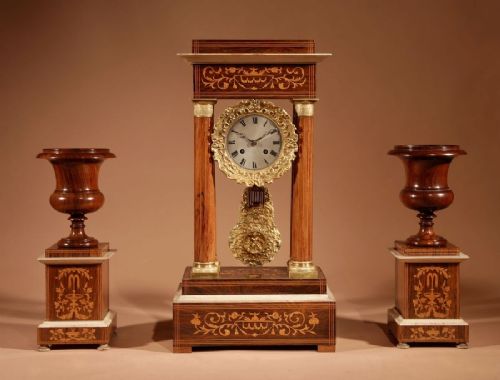
- A set of matching ornamental vases or candelabra displayed alongside a central clock. They create a balanced decorative display on a mantelpiece.
- Champlevé
- An enamelling technique where troughs are dug into the metal surface and filled with vitreous paste before firing. The resulting patterns frame the clock dial or case.
Antique Gilt Clock: Frequently Asked Questions
How do I wind an antique gilt clock?
Wind the clock using the correct key on the designated arbors, turning gently until you feel resistance. Avoid over-winding to protect the delicate mainsprings.
Keep the key stored safely nearby, and ensure the clock sits on a level surface so the pendulum or balance wheel beats evenly.
Where should I place a mantel clock?
Position your clock away from direct sunlight, damp walls, and active fireplaces to protect the gilt surface and enamel dial. A stable mantelpiece or side table works best.
Ensure heavy marble and bronze pieces rest on sturdy furniture capable of supporting their substantial weight.
Why does a carriage clock need a travel case?
Travel cases protected fragile glass panels and delicate platform escapements during transit. Original leather or wooden cases keep the clock secure when moving between rooms.
Keeping the clock in its case also shields the brass housing from airborne dust and accidental knocks.