

French Pendulum Mantel Clock
A french pendulum mantel clock brings nineteenth-century presence to a room, combining architectural brass, marble, ormolu, and measured striking.
French Pendulum Mantel Clock
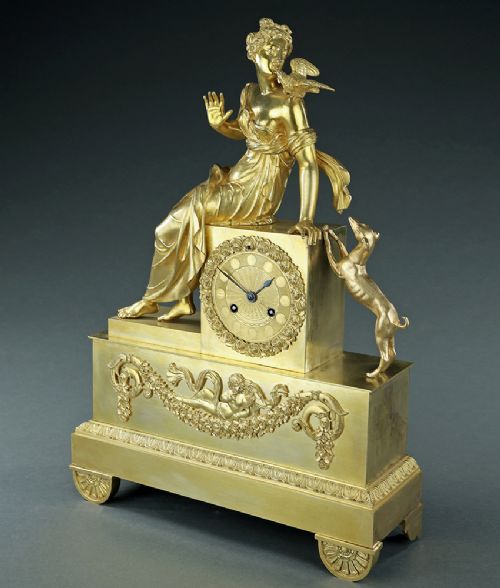
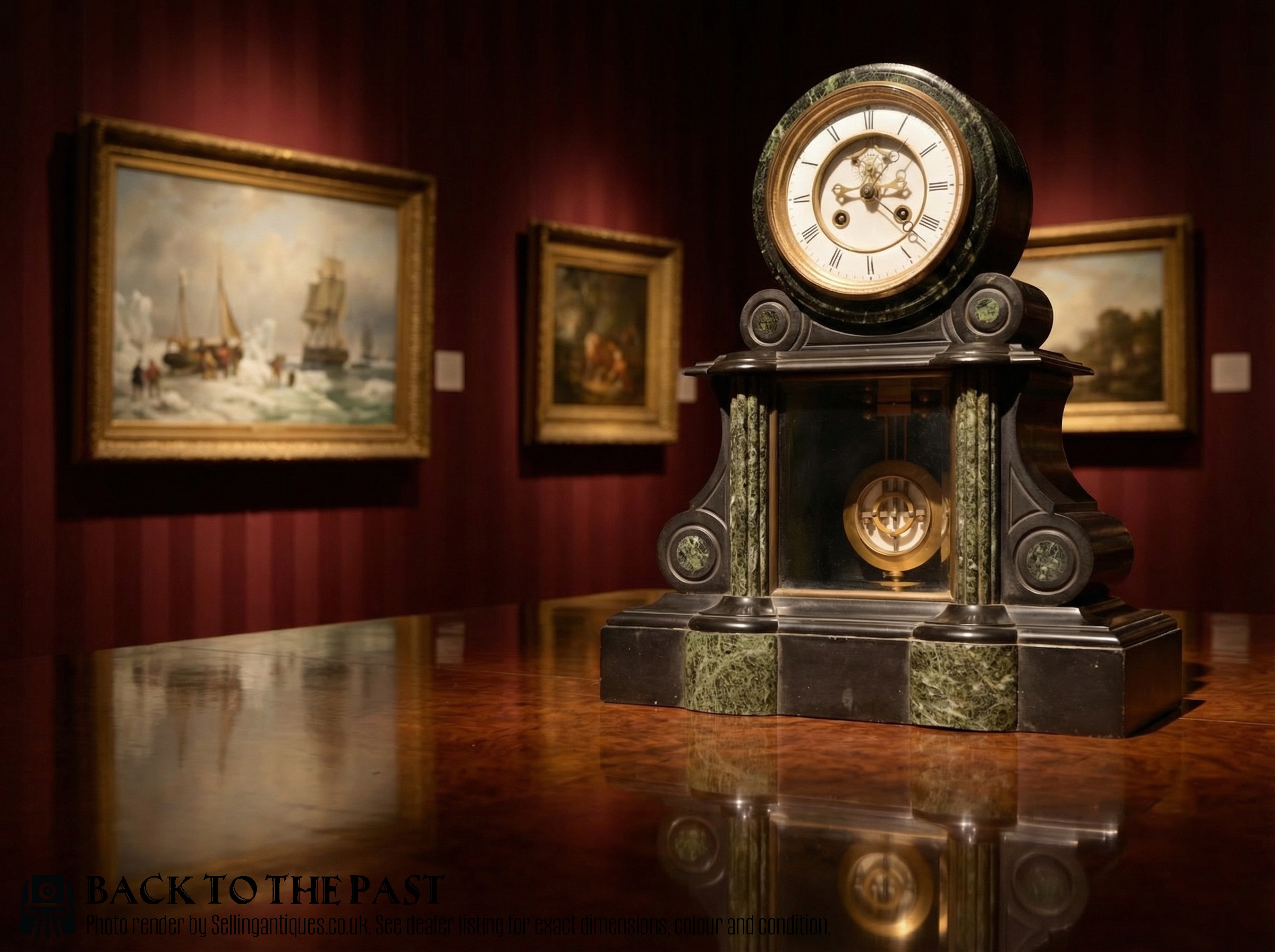
A french pendulum mantel clock is a functional timepiece designed to sit on a mantelpiece, sideboard, or bracket shelf. These pieces span the nineteenth century, encompassing styles such as French Empire, Louis XVI Revival, and French Rococo Revival.
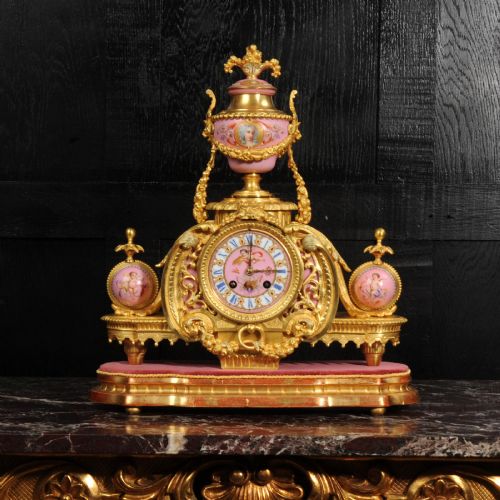
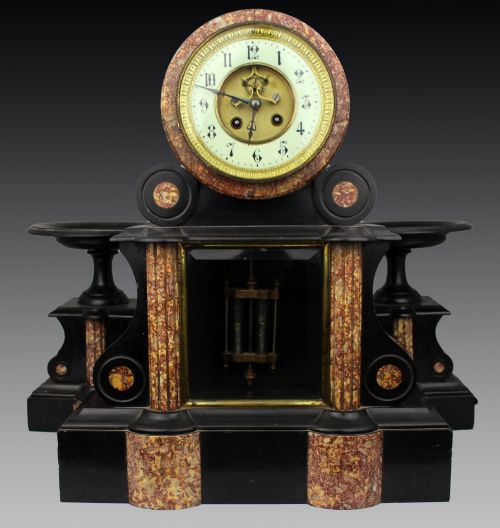
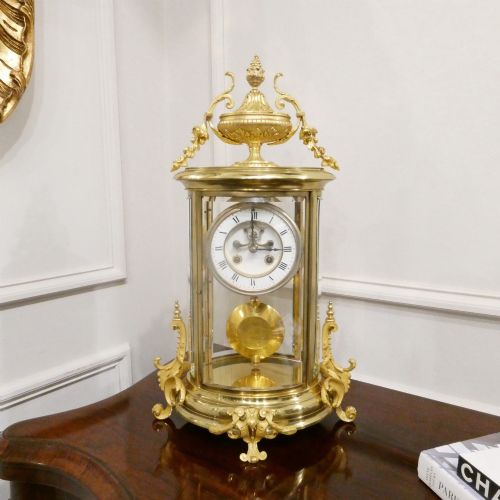
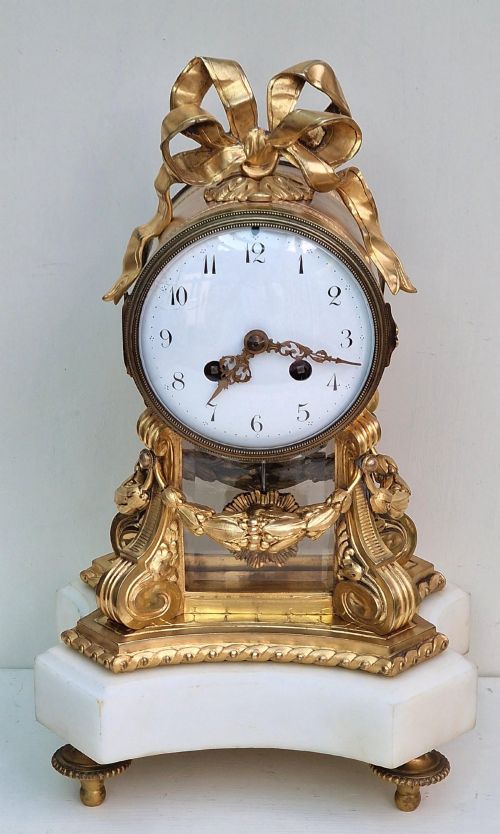
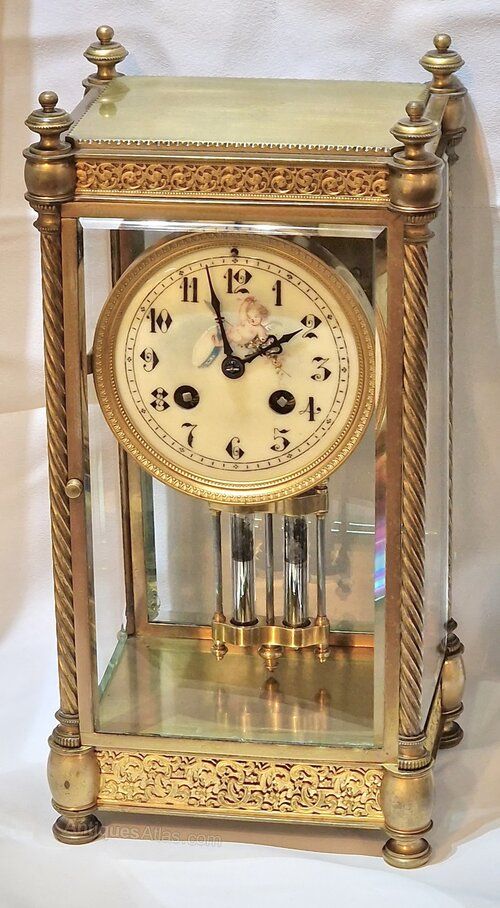
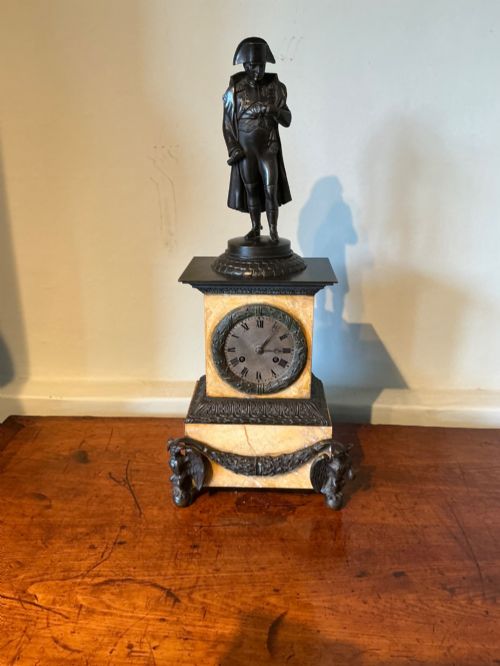
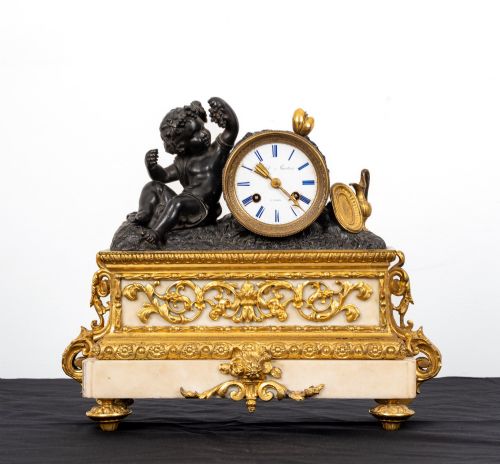
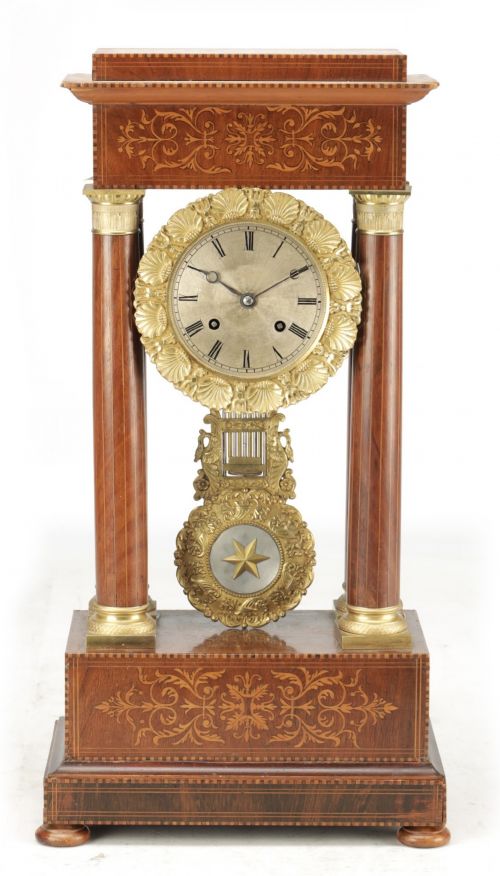
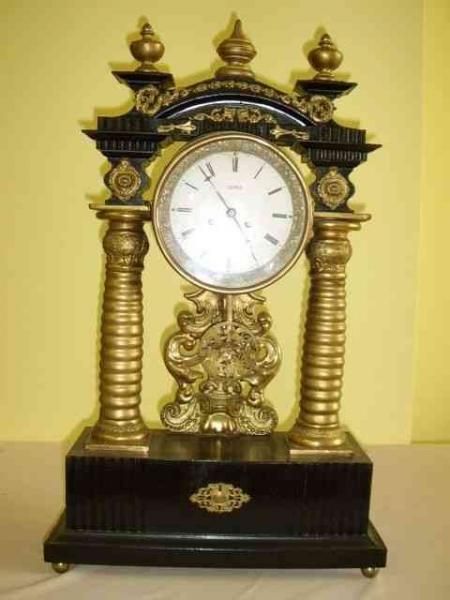
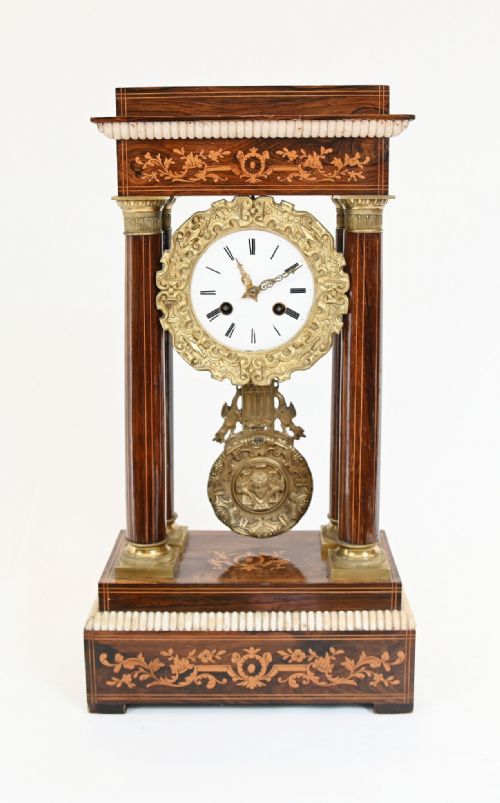
The versions most commonly met on this page include heavy marble and bronze architectural cases, portico clocks with visible hanging pendulums, and four-glass designs that reveal the internal movement from every angle. Makers and retailers such as Samuel Marti, Japy Frères, and Tiffany produced these works in varied forms.
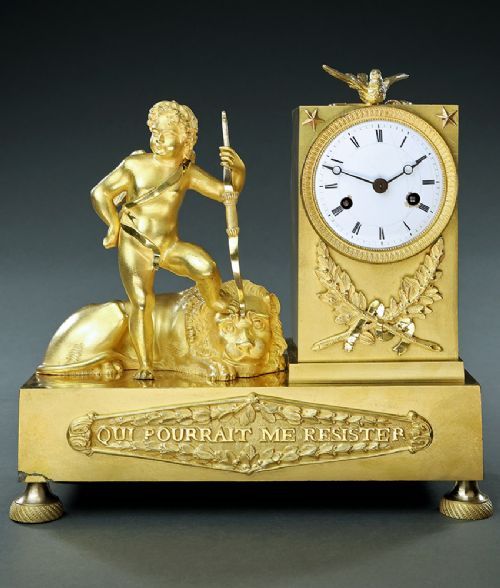
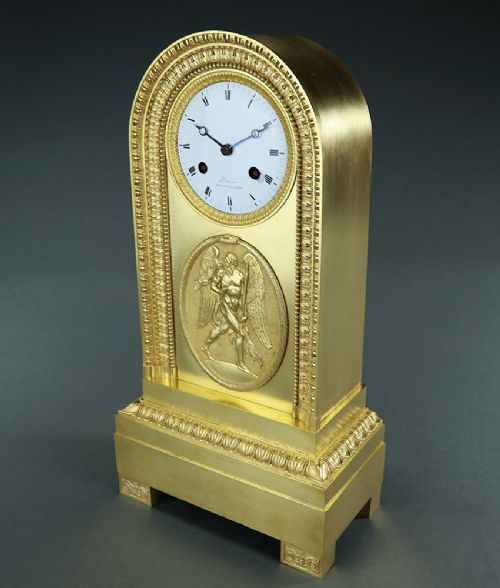
Subjects range from classical figures like Napoleon and mythological deities to simple circular enamel dials housed in gilt bronze, brass, or porcelain.
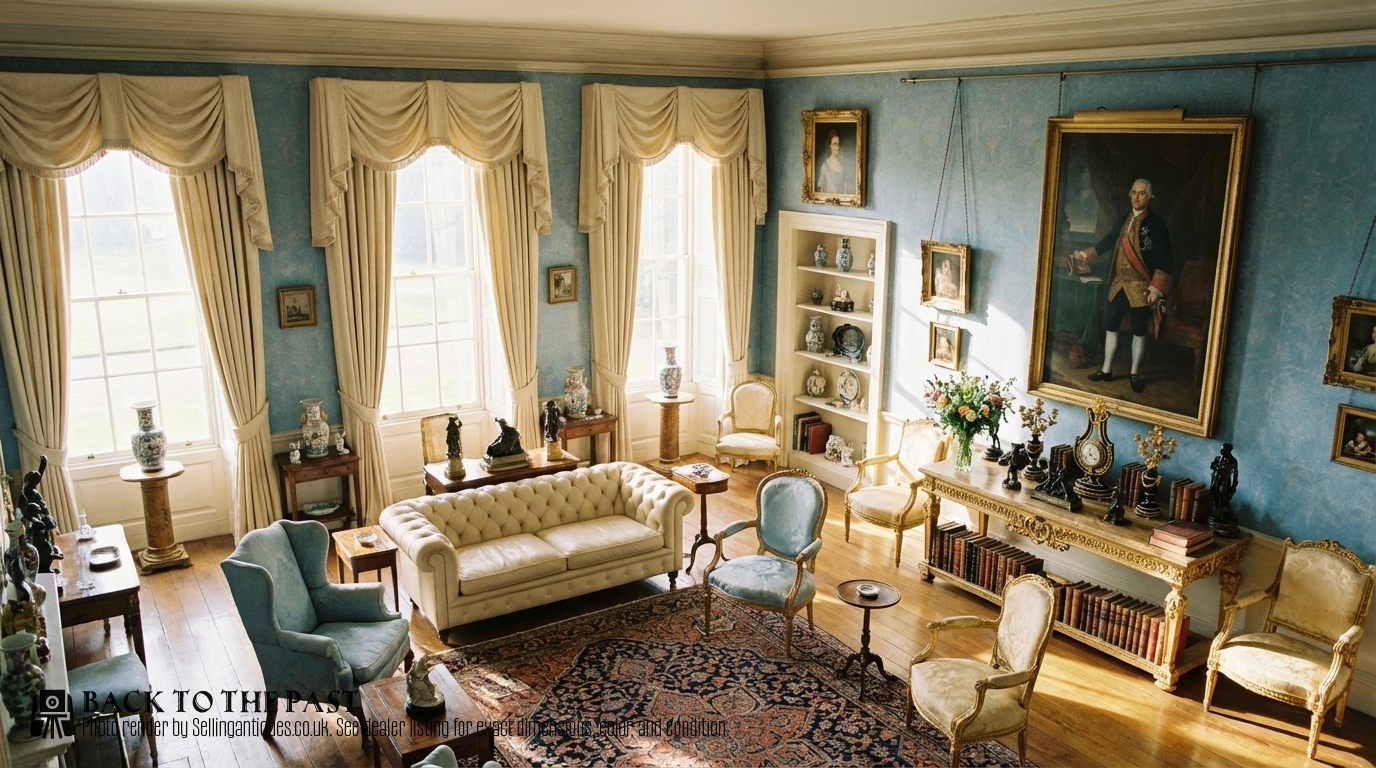
How They Were Made
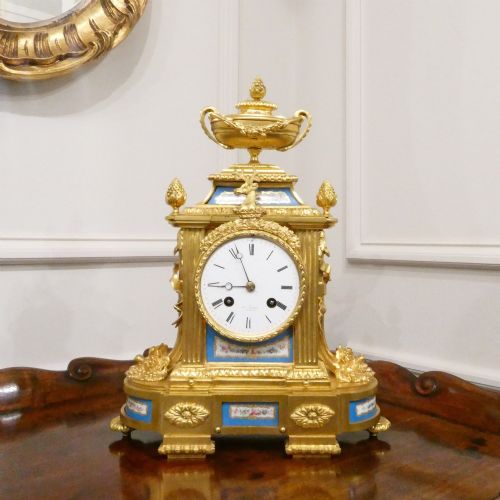
Makers constructed these clocks using cast bronze, solid brass, and gilded ormolu, frequently pairing metalwork with white, black, or red marble and inset Sèvres porcelain panels. Cases combined structural masonry or timber frames with finely chased brass mounts.
Movements were engineered by specialist horologists and housed within glass enclosures or stone bodies, paired with enamel dials featuring Arabic or Roman numerals. Pendulums varied from standard brass bobs to mercury-filled temperature-compensation cylinders.
French Pendulum Mantel Clock Retail Price Guide 2026
Typical asking prices for french pendulum mantel clock among the pieces listed under this phrase on Sellingantiques today, from the lower quarter to the upper quarter. They describe what is for sale here now, not the wider market.
Listings feature materials spanning gilt bronze, ormolu, brass, white and black marble, tortoiseshell, and Sèvres porcelain.
What Varies in Quality
Quality depends on the crispness of the bronze casting and the depth of the gilding or ormolu work, where sharper hand-chasing separates superior pieces from softer commercial output. The complexity of the case architecture, such as multi-columned porticos or finely detailed figural bronzes, dictates the tier of the object.
The reputation of the movement maker, indicated by signatures on the backplate or dial from workshops like Japy Frères or Samuel Marti, elevates the standing of a clock alongside matching garniture sets.
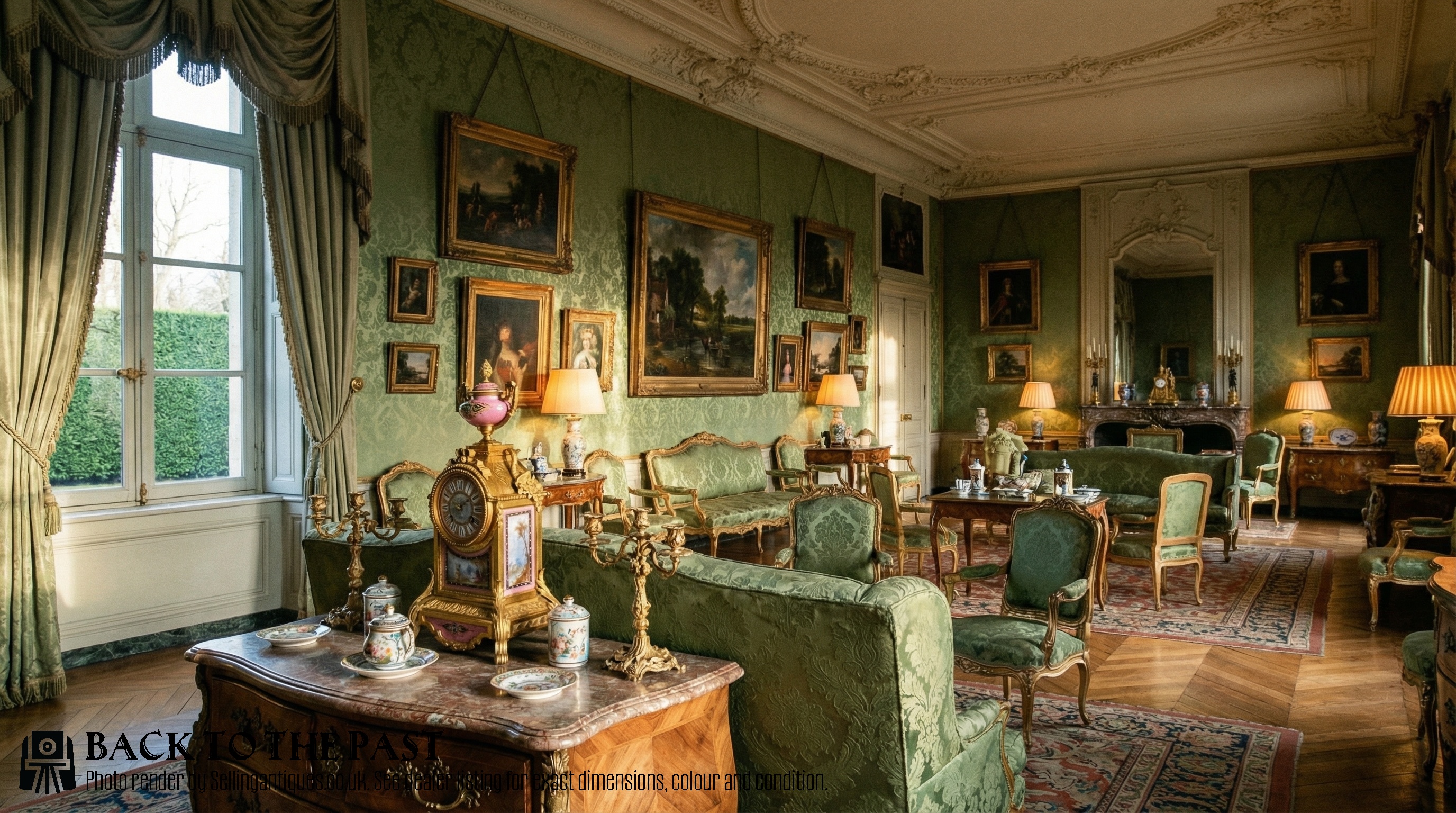
Achille Brocot·Henry Marc·Samuel Marti·Siffel and Cartier·Le Roy Paris·Delettrez·Tiffany
The French Pendulum Mantel Clock Glossary
- Ormolu
- Gilded bronze produced by applying a mercury-gilding amalgam to cast bronze. This technique creates a rich, durable surface finish found on high-end nineteenth-century cases.
- Garniture set
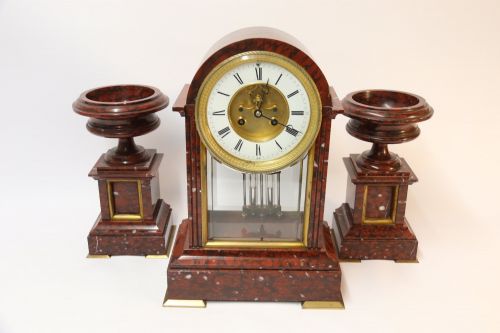
- A clock accompanied by matching side ornaments, such as urns or candelabra, designed to sit together on a mantelpiece.
- Portico clock
- A tall, architectural mantel clock featuring a suspended pendulum hanging between two vertical pillars or columns.
- Four glass clock
- A style of mantel clock enclosed by four glass panels that expose the mechanical movement and pendulum to the sides and rear.
- Enamel dial
- A metal dial face coated with fused glass powder, providing a smooth white background for painted numerals.
French Pendulum Mantel Clock: Frequently Asked Questions
How do I wind a french pendulum mantel clock?
Most of these timepieces use a key inserted into winding holes on the enamel dial to tension the spring-driven or weight-driven movement. Care must be taken not to over-wind the mechanism.
Moving the hands should be done slowly and strictly in accordance with the manufacturer instructions to avoid damaging the escapement.
What is a mercury pendulum?
A mercury pendulum contains glass tubes filled with liquid mercury designed to counteract temperature fluctuations that alter pendulum length. This engineering kept the clock accurate across changing seasons.
These pendulums are typically found in better quality four-glass architectural models from the nineteenth century.
How do I tell an Empire style clock apart from a Rococo one?
Empire style clocks rely on classical symmetry, architectural columns, military motifs, and figures derived from Greek and Roman mythology. They reflect the early nineteenth-century interest in antiquity.
In contrast, Rococo revival clocks feature asymmetrical curves, scrolling foliage, and shell motifs executed in gilt bronze, dating towards the middle and later decades of the century.
Where should I place a heavy marble mantel clock?
Marble and bronze clock garnitures are exceptionally heavy and require a sturdy, level surface such as a dedicated mantelpiece or low sideboard. Uneven weight distribution can cause the pendulum to strike the case.
Ensuring the surface is completely flat allows the anchor escapement to maintain an even beat.