


Japy Freres Clock
When you search for a japy freres clock, you enter a world of nineteenth-century French horology defined by gilded mounts and porcelain panels.
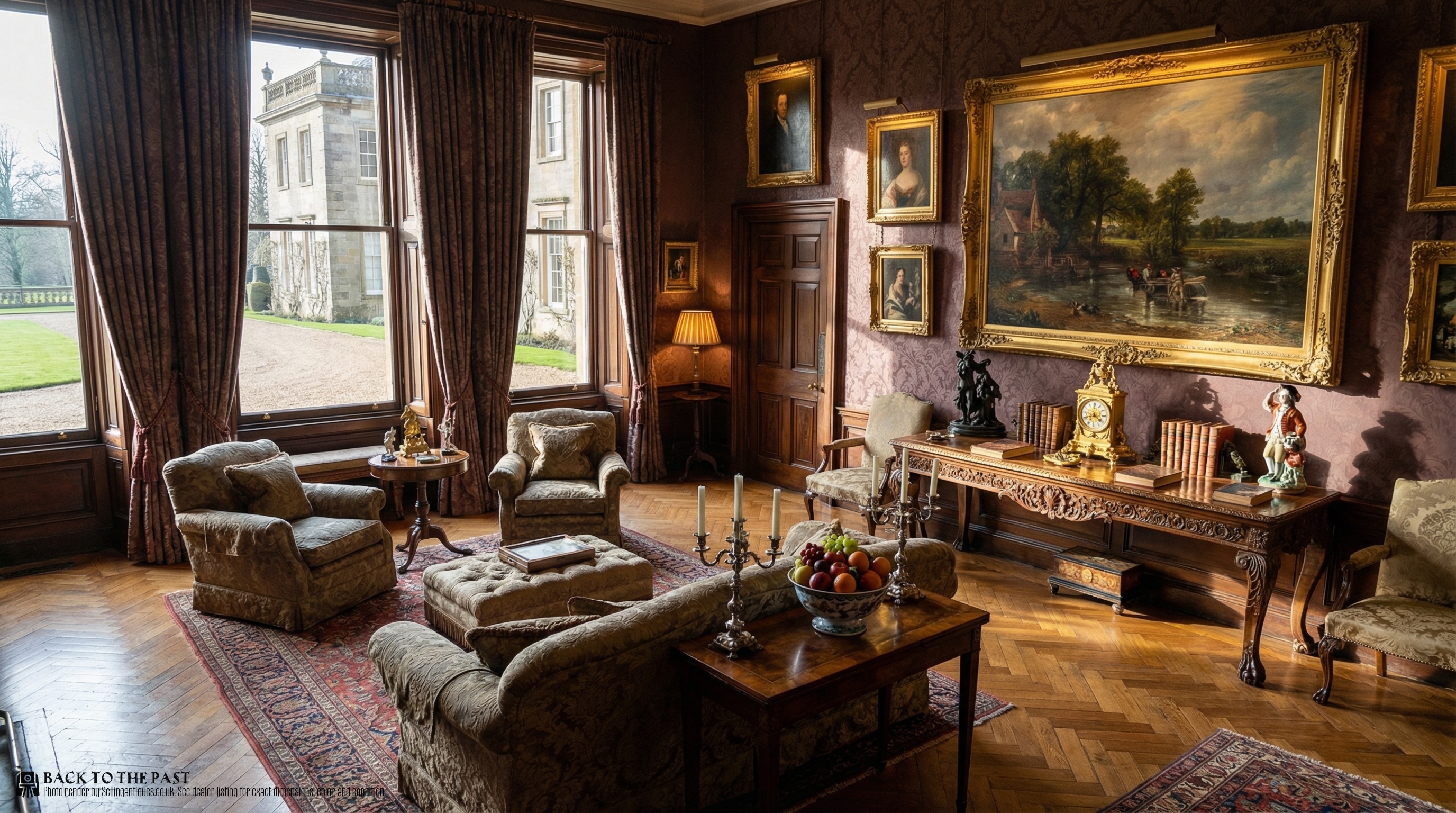
Japy Freres Clock
A japy freres clock is a nineteenth-century French timekeeper driven by movements produced by the notable industrial family firm. These pieces take the form of mantel clocks, garniture sets, wall-mounted cartel clocks, and portico models.
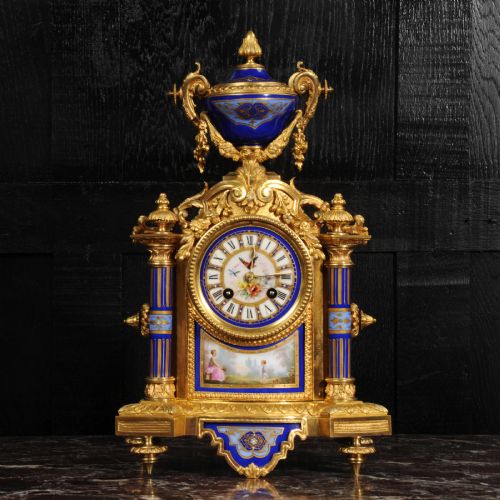
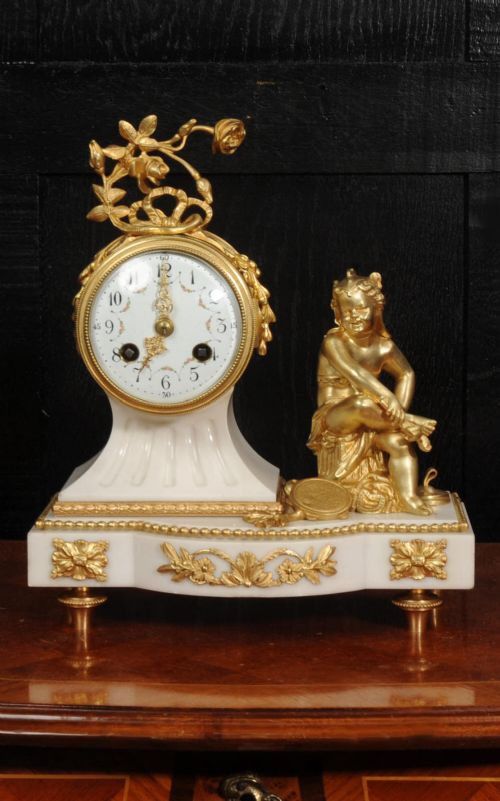
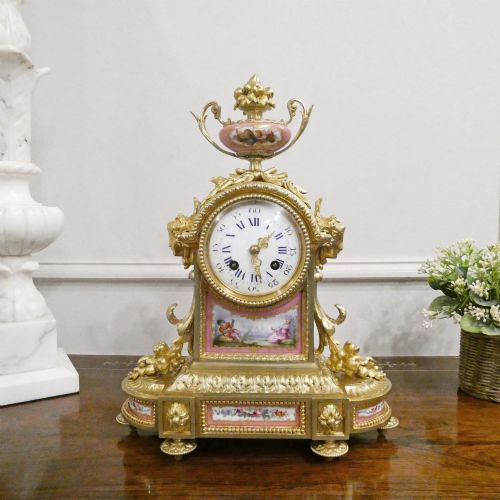
The version you are most likely to meet on this page is a gilt bronze and porcelain mantel clock executed in the Louis XVI style. These objects frequently pair cast metalwork with painted ceramic plaques depicting figures or floral scenes.
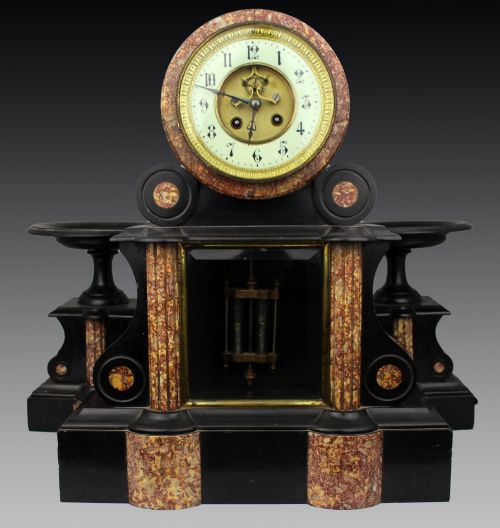
Makers and retailers housed these mechanisms within enclosures of black slate, variegated marble, or mahogany. The production spans the decades of the eighteen-fifties through to nineteen hundred, encompassing Napoleon III and Belle Epoque aesthetics.
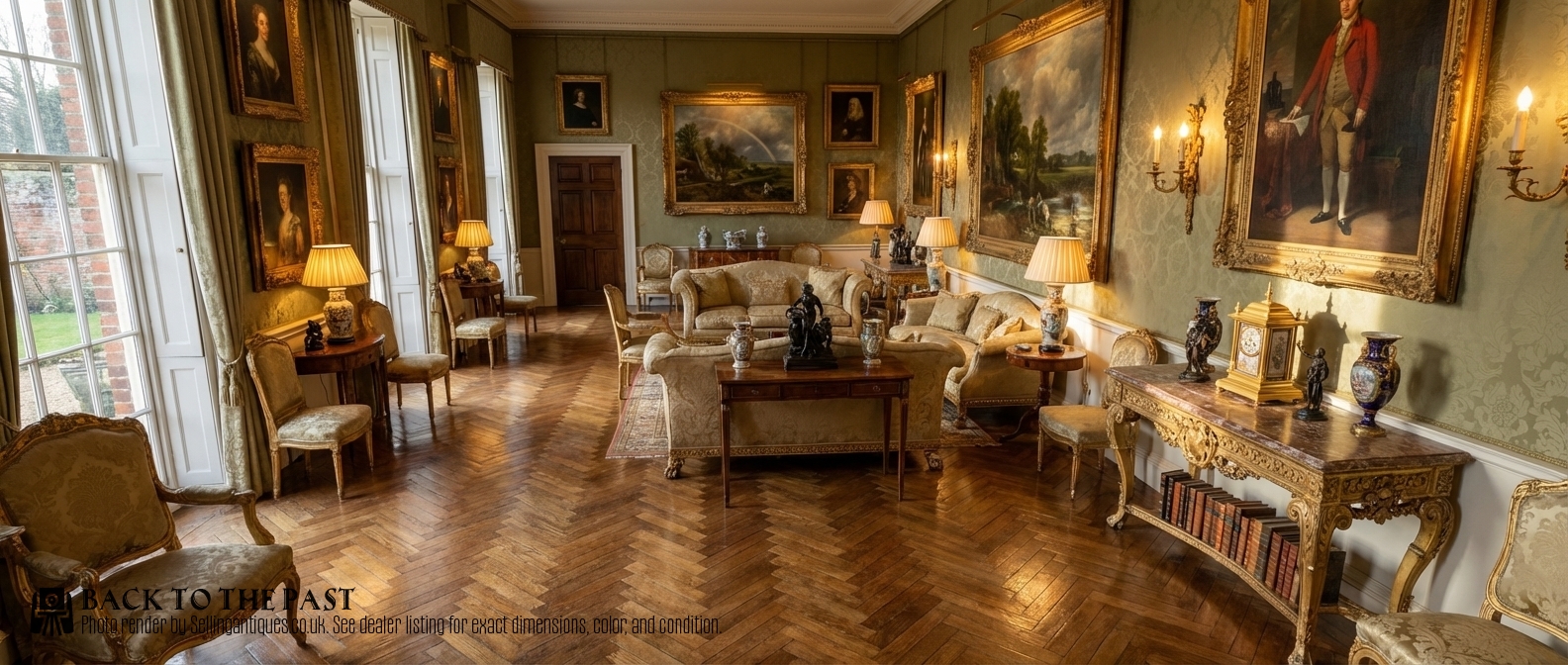
Materials and Construction
Foundry workers cast the structural housings in brass, bronze, and gilt bronze, often applying a mercury-gilded or ormolu surface finish. Cabinetmakers constructed alternative enclosures using mahogany, sometimes embellished with marquetry or Boulle work.
Ceramic elements include painted porcelain panels and drum-head dials set with enamel chapters for the numerals. Artisans combined these vitreous components with heavy stone bases made from black slate or variegated marble.
Japy Freres Clock Retail Price Guide 2026
Typical asking prices for japy freres clock among the pieces listed under this phrase on Sellingantiques today, from the lower quarter to the upper quarter. They describe what is for sale here now, not the wider market.
The archive reveals occasional naval and military association pieces, including items linked to officers in the Royal Navy.
What Distinguishes Quality
The refinement of the cast bronze mounts and the intricacy of the chasing determine the visual standing of an example. Finer specimens display crisp botanical motifs and sharply delineated scrollwork rather than soft or generalised casting lines.
The integration of the painted porcelain panels separates standard items from superior productions. Hand-painted ceramic plaques featuring detailed pastoral scenes command greater attention than simple transfer-printed decorations.
Japy Freres·Henry Marc
The Japy Freres Clock Glossary
- Ormolu
- Gilt bronze produced by applying a finely ground high-carat gold mercury amalgam to a bronze base. This technique creates a rich golden surface that resists tarnish over the centuries.
- Garniture set
- A coordinating ensemble comprising a central clock flanked by matching decorative objects such as urns or candelabra. These sets were designed to sit symmetrically on a mantelpiece.
- Cartel clock
- A wall-mounted timepiece enclosed in an ornate frame made of wood, brass, or gilt bronze. They hang directly from wall fixings rather than resting on furniture.
- Portico clock
- A monumental clock design featuring a architectural housing supported by four or more columns. The movement typically hangs suspended within the central opening.
- Sevres porcelain
- Soft-paste or hard-paste ceramic material produced at the French royal factory. These components are frequently incorporated into clock dials and decorative panels.
Japy Freres Clock: Frequently Asked Questions
What is a Japy Freres clock?
A timekeeper driven by a movement manufactured by the Japy family firm in France during the nineteenth century. They are predominantly housed in decorative cases of gilt bronze, marble, or mahogany.
These pieces reflect the prevailing French design movements of the era, ranging from Rococo revival curves to strict Louis XVI neoclassical symmetry.
How do I wind the clock?
Most examples utilise a key-wound mechanical movement equipped with an eight-day striking train. You insert the winding key into the dial holes to tension the mainsprings.
Care must be taken not to overwind the mechanism, and striking trains should be allowed to sound their full sequence without interruption.
Where were these clocks displayed?
They served as ornamental and utilitarian objects in the principal reception rooms of nineteenth-century homes. Bourgeois and aristocratic interiors placed them prominently on mantelpieces above fireplaces.
Larger installations often included matching garniture urns or candelabra to create a balanced decorative arrangement across the surface.
How can I tell the style periods apart?
Louis XVI style pieces feature neoclassical elements such as urns, fluted columns, ribbons, and symmetrical architectural lines. Rococo revival examples display asymmetrical C-scrolls, naturalistic foliage, and exuberant cartouches.
Napoleon III and Belle Epoque items incorporate heavier bronze casting, bolder mixed materials, and eclectic revivals of earlier baroque and Renaissance motifs.