

Antique Mantel Timepiece
An antique mantel timepiece sits quietly on a shelf, keeping the rhythm of the room with polished brass and ticking gears.

Antique Mantel Timepiece
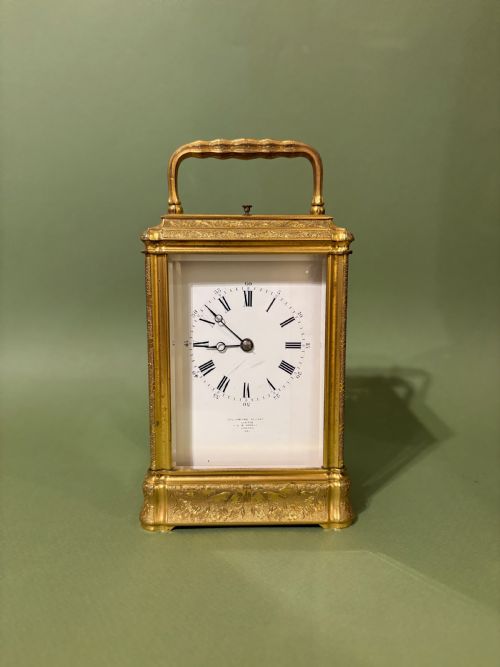
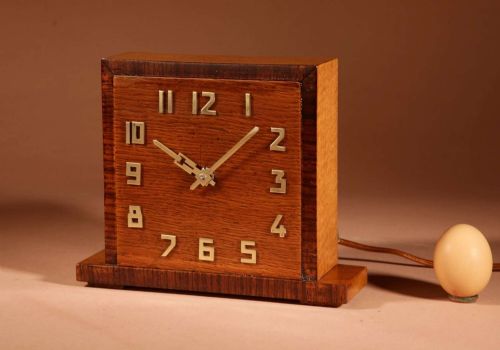
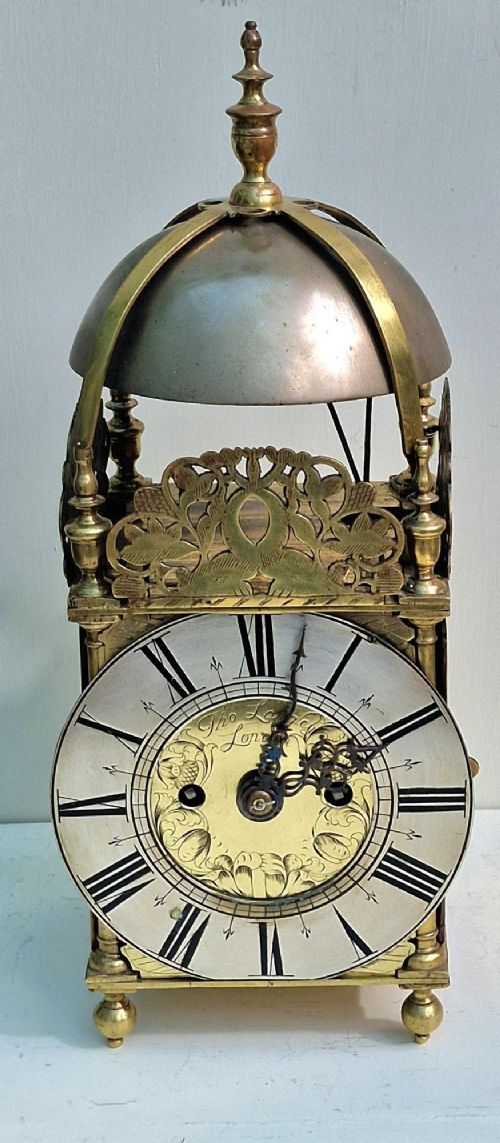
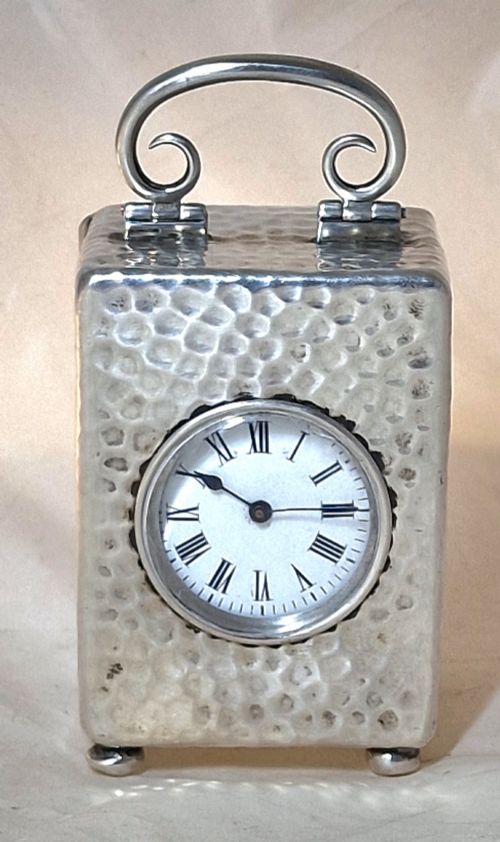
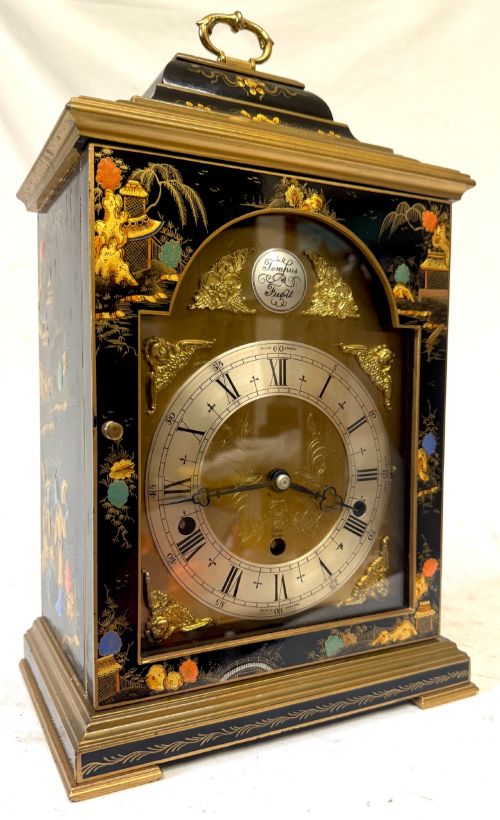
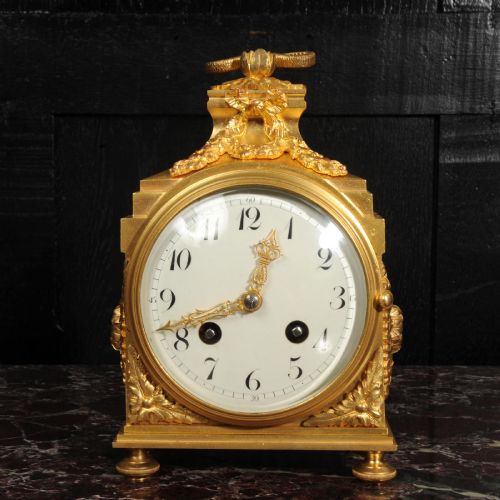
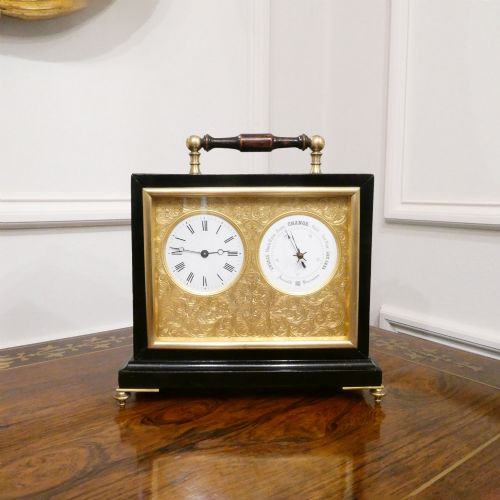
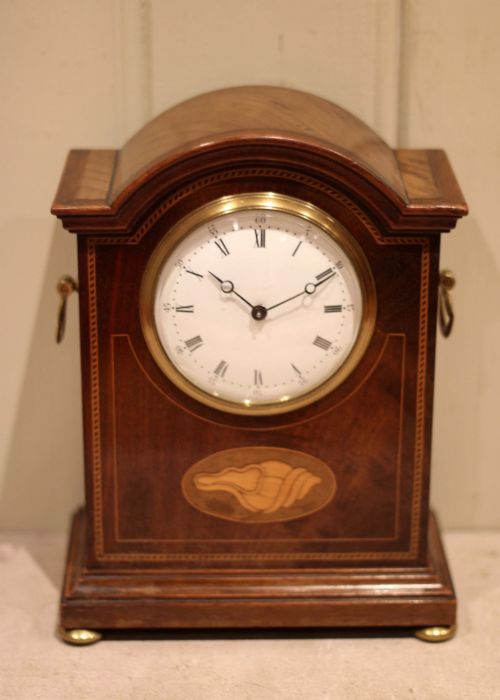
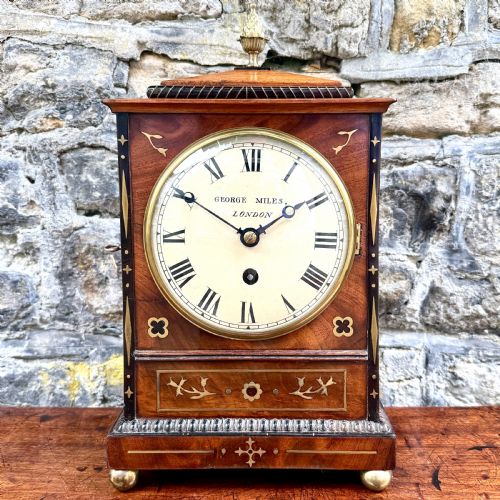
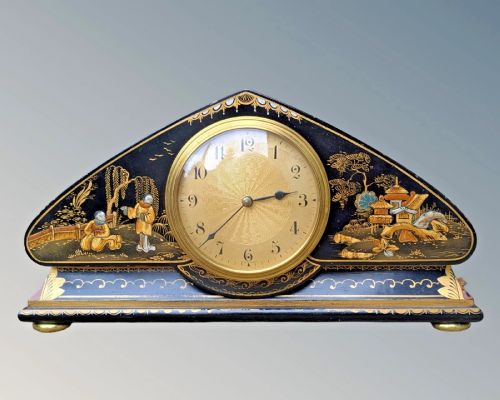
An antique mantel timepiece is a portable domestic clock designed to stand on a shelf, bracket or mantelpiece without striking the hours. The selection spans the nineteenth and twentieth centuries, incorporating Victorian, Edwardian, and Art Deco designs from British, French, and German makers.
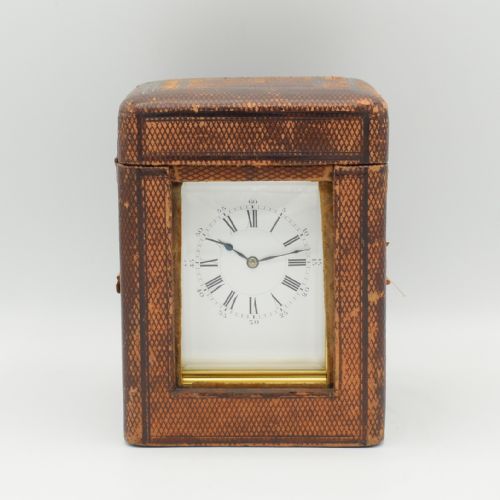
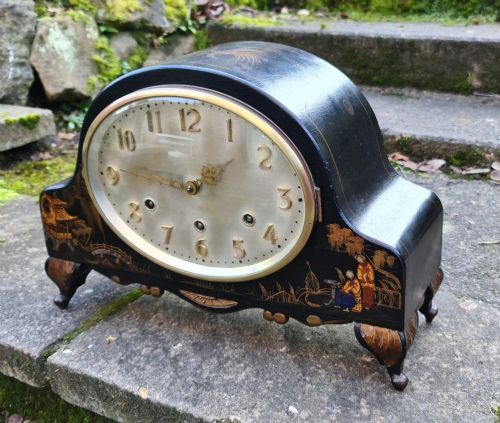
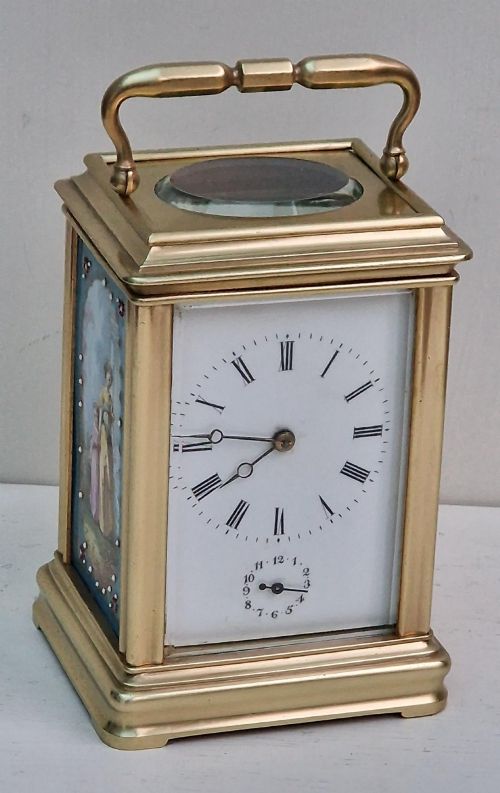
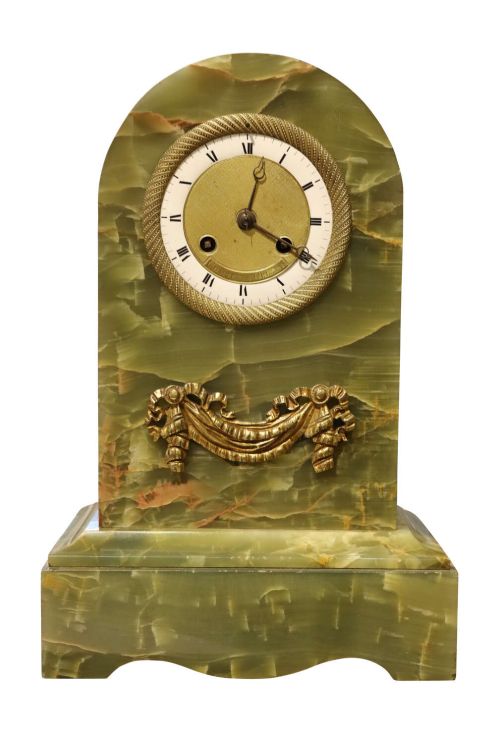
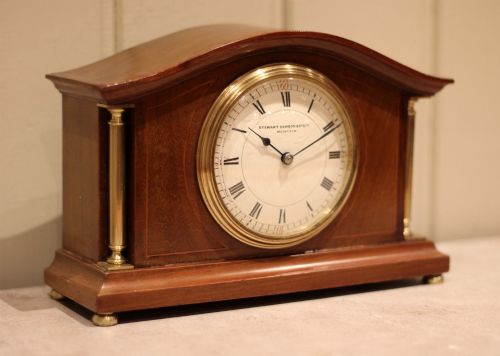
Most examples found on this page take the form of carriage clocks in glass and brass cases, wooden mantel clocks in mahogany and oak, or desk clocks with enamel dials. These range from simple travel timepieces to architectural marble cases and decorative opalescent glass models.
How they were made
Cases combine traditional cabinet timbers such as mahogany, rosewood, and oak with metals including ormolu, gilt bronze, brass, and patinated pewter. Movements rely on brass gear trains, escapements, and springs housed within protective glazed or metal enclosures.
Decorative finishes incorporate porcelain panels, hand-applied lacquer, enamel dials, silver hallmarks, and inlaid wood veneers. Specialised techniques such as mercury gilding and glass moulding appear on specific French and Art Deco pieces.
Antique Mantel Timepiece Retail Price Guide 2026
Typical asking prices for mantel timepiece among the pieces listed under this phrase on Sellingantiques today, from the lower quarter to the upper quarter. They describe what is for sale here now, not the wider market.
Some clocks feature love birds perched on opalescent glass, ready to watch the hours drift by without a single chime.
What varies in quality
The standard of a timepiece rests on the precision of its movement, the integrity of its escapement, and the originality of its case. Pieces by known makers with signed dials command greater interest than unsigned factory production.
Materials and ornamentation drive distinction across the range, separating plain wooden cases from elaborately cast ormolu, hand-painted porcelain, and carved stonework. The preservation of original mercury gilding, glass panels, and matching travel cases preserves historical integrity.
Henri Jacot·Walker and Hall·Liberty and Co·Smiths Clockmakers·G.H.& F.W. Bravington
The Antique Mantel Timepiece Glossary
- Timepiece
- A clock that measures and indicates the time without striking hours or quarters. It relies entirely on a gear train and escapement to move the hands.
- Carriage clock
- A small, portable spring-driven clock originally designed for travellers, featuring a rectangular brass case with glass panels and a swing handle on top.
- Ormolu
- Gilt bronze produced by applying a high-carat gold and mercury amalgam to a bronze base and heating it to vaporise the mercury. It creates a rich, durable golden surface.
- Fusee
- A conical pulley used in spring-driven clocks to equalise the declining power of the mainspring as it unwinds. This mechanism improves the accuracy of the timepiece.
- Enamel
- A glassy substance fused to a metal dial surface through high-temperature firing. It provides a smooth, bright white background for painted numerals.
Antique Mantel Timepiece: Frequently Asked Questions
How do I wind a mantel timepiece?
Insert the appropriate key into the winding square on the dial or backplate and turn it gently clockwise until resistance is felt. Do not overwind, as this can strain the mainspring.
Ensure you handle the clock with clean hands and avoid moving the hands backwards against the gear train, which can damage the delicate escapement.
What is the difference between a clock and a timepiece?
A timepiece refers strictly to a mechanism that indicates the hours and minutes without sounding an alarm or striking chimes. Clocks include striking and chiming mechanisms that sound the hours.
Many domestic mantel pieces were made specifically as silent timepieces for bedrooms or quiet studies where chiming would prove intrusive.
How do I date an antique timepiece?
Examine the style of the case, the materials used, and any signatures or hallmarks stamped on the movement backplate or dial. Georgian and Victorian pieces often feature hand-engraved backplates, while Edwardian and Art Deco examples adopt geometric forms and modern numerals.
Registration marks, maker stamps, and assay office hallmarks provide precise clues to the year and location of manufacture.
Where should I place a mantel clock?
Position the clock on a stable, level surface away from direct sunlight, draughts, and damp environments. A secure mantelpiece or heavy sideboard prevents vibrations that can disrupt the beat of the pendulum or balance wheel.
Ensure the room maintains a relatively stable temperature to protect wooden cases and delicate metal lubricants from rapid expansion and contraction.