
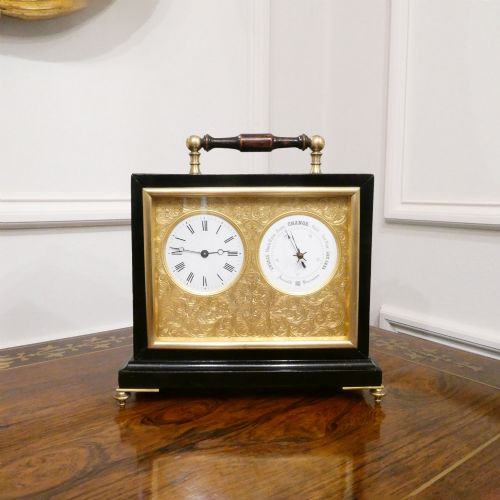
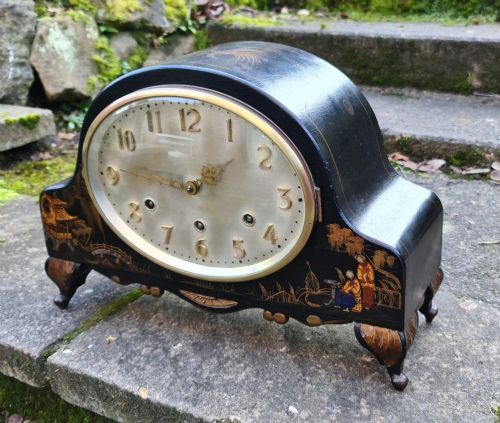
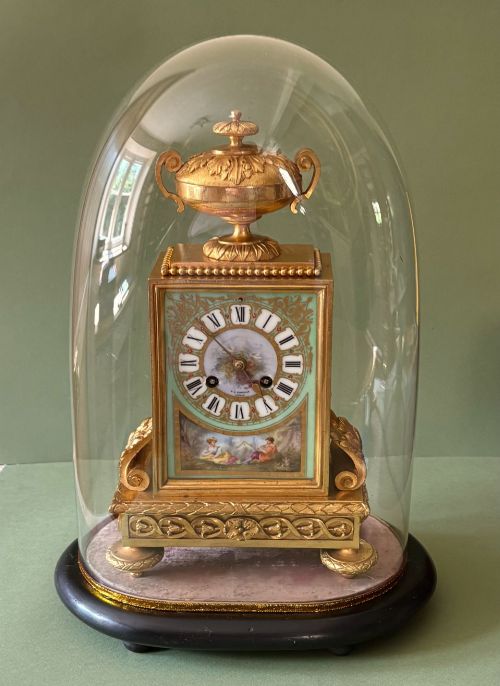
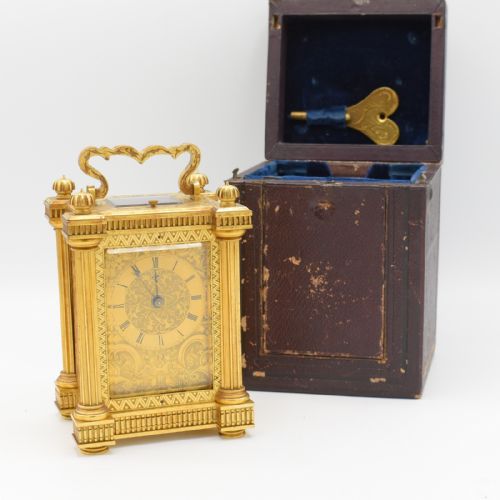

Gilt Brass Timepiece
A gilt brass timepiece brings bright metal and steady motion to a desk or mantel.
Gilt Brass Timepiece
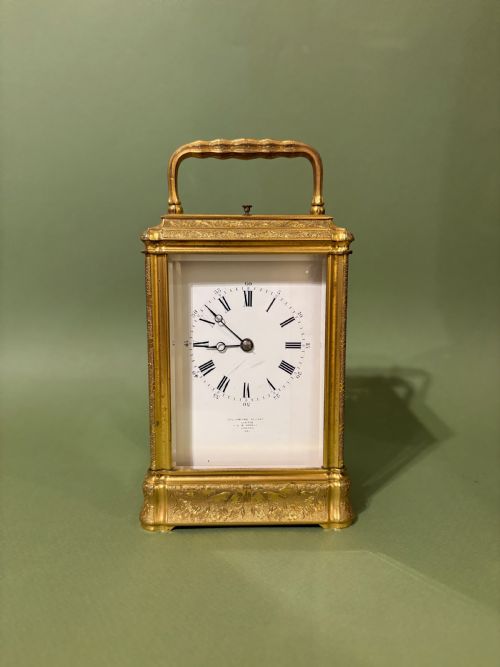
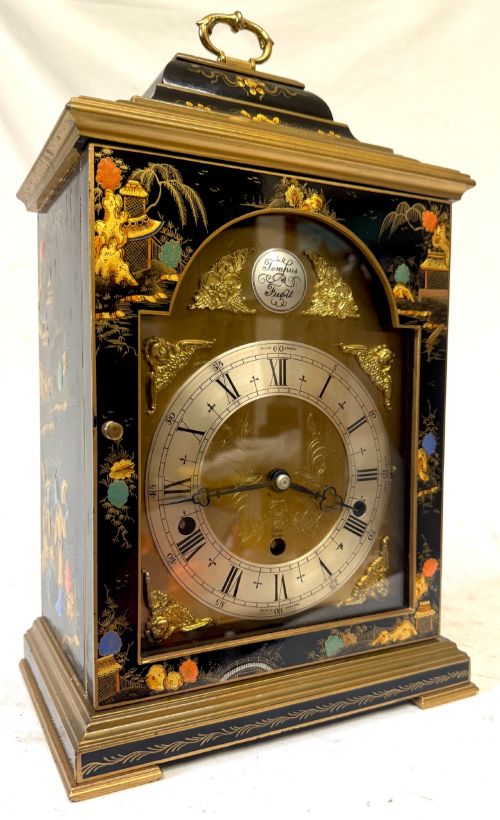
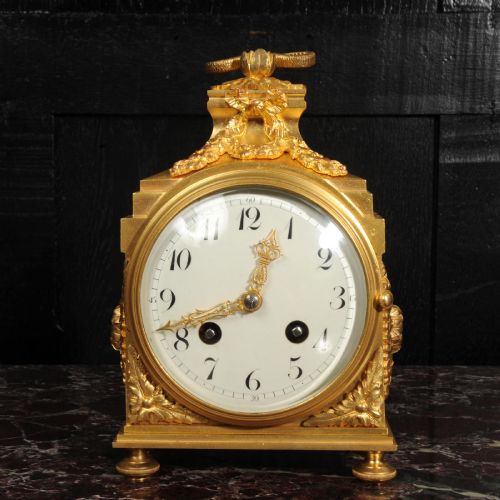
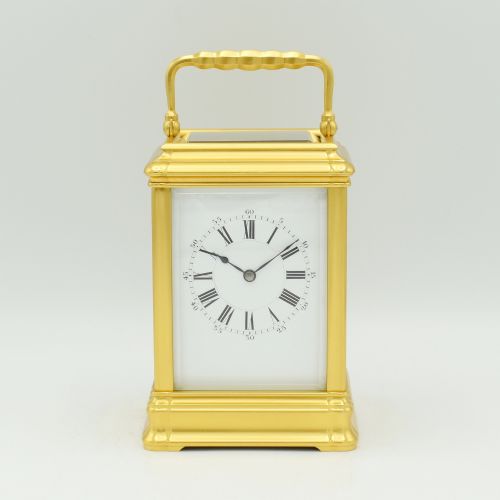
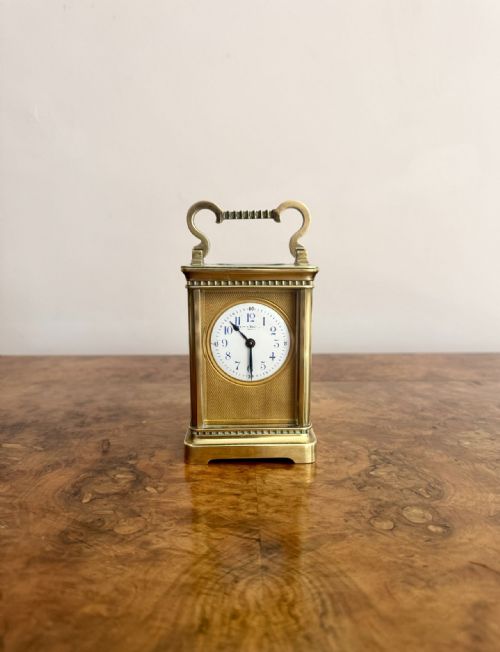
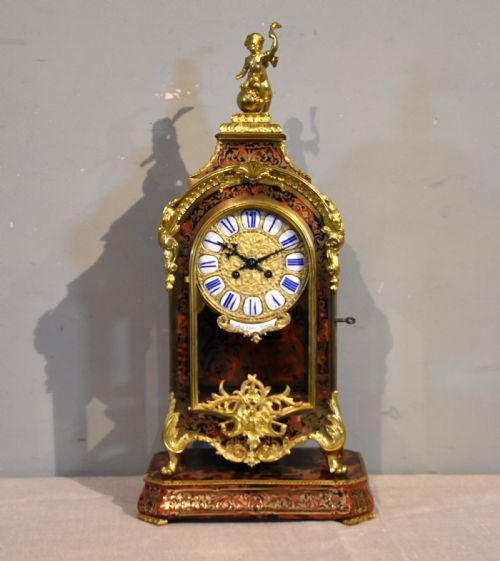
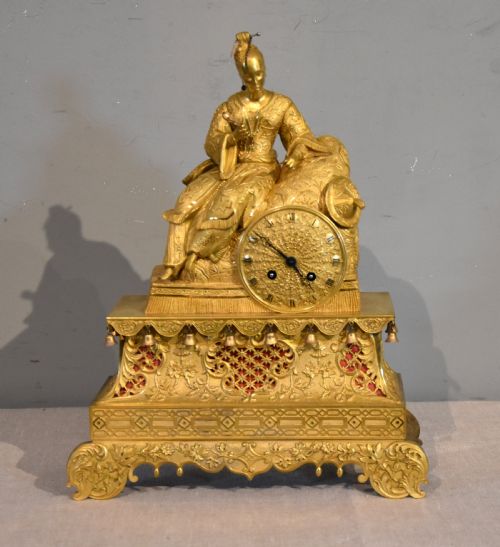
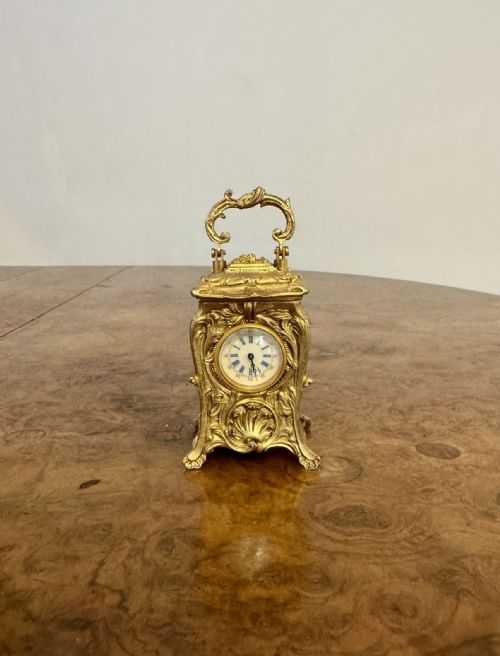
A gilt brass timepiece is a portable or mantel-standing horological object designed to measure hours without striking mechanisms, relying purely on a movement for timekeeping. When searching for a gilt brass timepiece, buyers encounter numerous French carriage clocks and small desk or mantel examples originating across the nineteenth century.
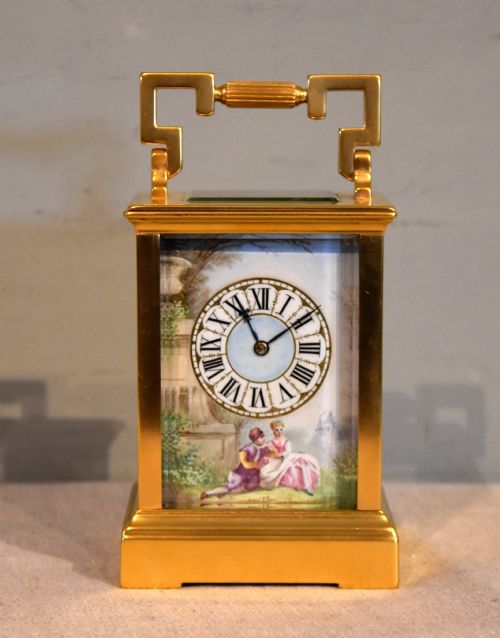
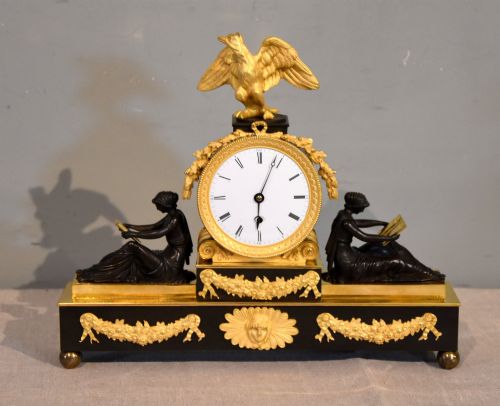
The selection on this page spans the Victorian era and late nineteenth century, alongside earlier nineteenth century French and English pieces. Carriage clocks dominate the offerings, built with glazed panels and robust brass frames for travel or domestic placement.
Makers and retailers from London and Paris feature prominently among these items, utilising materials such as ormolu, porcelain mounts, and champlevé enamel to enrich the plain metal framework.
Distinctions in Quality
Quality rests upon the crispness of the cast brass decoration and the retention of the original fire gilding or ormolu surface. Fine engraving across the case and platforms indicates a higher tier of workshop production.
The sophistication of the internal movement, such as platform escapements or repeating complications, separates standard domestic clocks from masterworks by known makers like Henri Jacot or Paul Garnier.
Gilt Brass Timepiece Retail Price Guide 2026
Typical asking prices for gilt brass timepiece among the pieces listed under this phrase on Sellingantiques today, from the lower quarter to the upper quarter. They describe what is for sale here now, not the wider market.
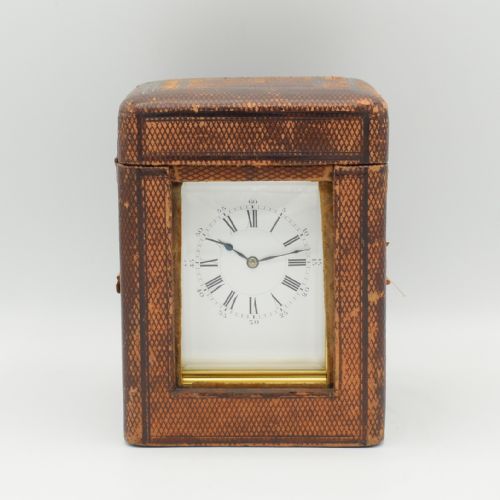
Some travel clocks survived centuries simply because their leather carrying cases protected the fragile glass panels from clumsy packing.
Henri Jacot·Howell And James·Paul Garnier·Le Roy Paris·Tiffany
The Gilt Brass Timepiece Glossary
- Timepiece
- A clock that measures and indicates the time without a striking mechanism. These objects focus strictly on motion rather than audible hour counts.
- Carriage Clock
- A small, portable spring-driven clock developed for travel during the nineteenth century. They typically feature a carrying handle and glass panels for viewing the movement.
- Ormolu
- Gilt bronze produced by applying a finely ground high-carat gold-mercury amalgam to a bronze object. This historic technique creates a warm, durable golden finish.
- Escapement
- The mechanism within a clock that controls the wheel train by translating rotational force into periodic impulses. It is the component responsible for the ticking sound.
- Champlevé
- An enamelling technique where troughs or cells are hollowed out of a metal surface and filled with vitreous enamel before firing. The resulting design shows vibrant colour framed by metal lines.
Gilt Brass Timepiece: Frequently Asked Questions
What is a gilt brass timepiece?
A gilt brass timepiece is a non-striking clock housed in a brass case treated with a gold wash or ormolu finish. These objects were designed for desks, mantelpieces, or travel.
They rely on spring-driven movements to keep time, offering portable elegance through glazed panels and polished metal surfaces.
How do I wind my clock?
Winding requires a matching key inserted into the arbours on the backplate or dial face. Turn the key gently until resistance signals a full mainspring.
Avoid over-winding, as excessive force can snap the internal spring and halt the movement entirely.
Where were these clocks made?
The majority of these pieces originate from workshops in Paris and London during the nineteenth century. French makers specialised in carriage and mantel formats, while English firms retailed fine imported and domestic movements.
Craftsmen often signed their work on the backplate or dial enamel.
How do I care for my timepiece?
Keep the clock on a level, stable surface away from direct sunlight and drafts. Dust the glass and metal gently with a dry, soft cloth.
Internal movements require periodic professional cleaning and lubrication to maintain accurate timekeeping over the decades.