


Ebonised Wood Clock
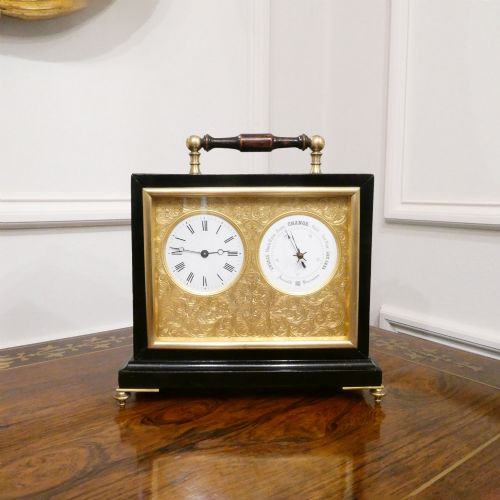
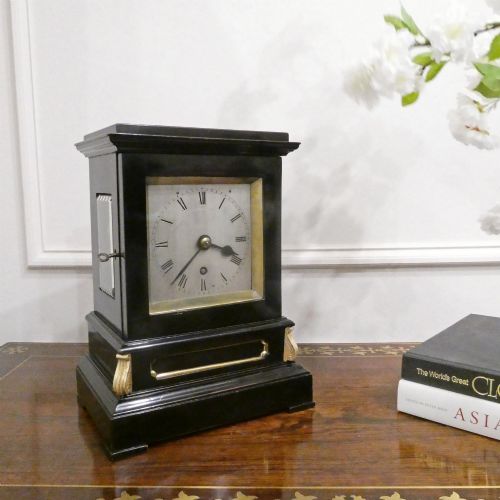
An ebonised wood clock brings sombre elegance to a room through its deep black finish, offering a striking anchor for a mantelpiece or hallway.
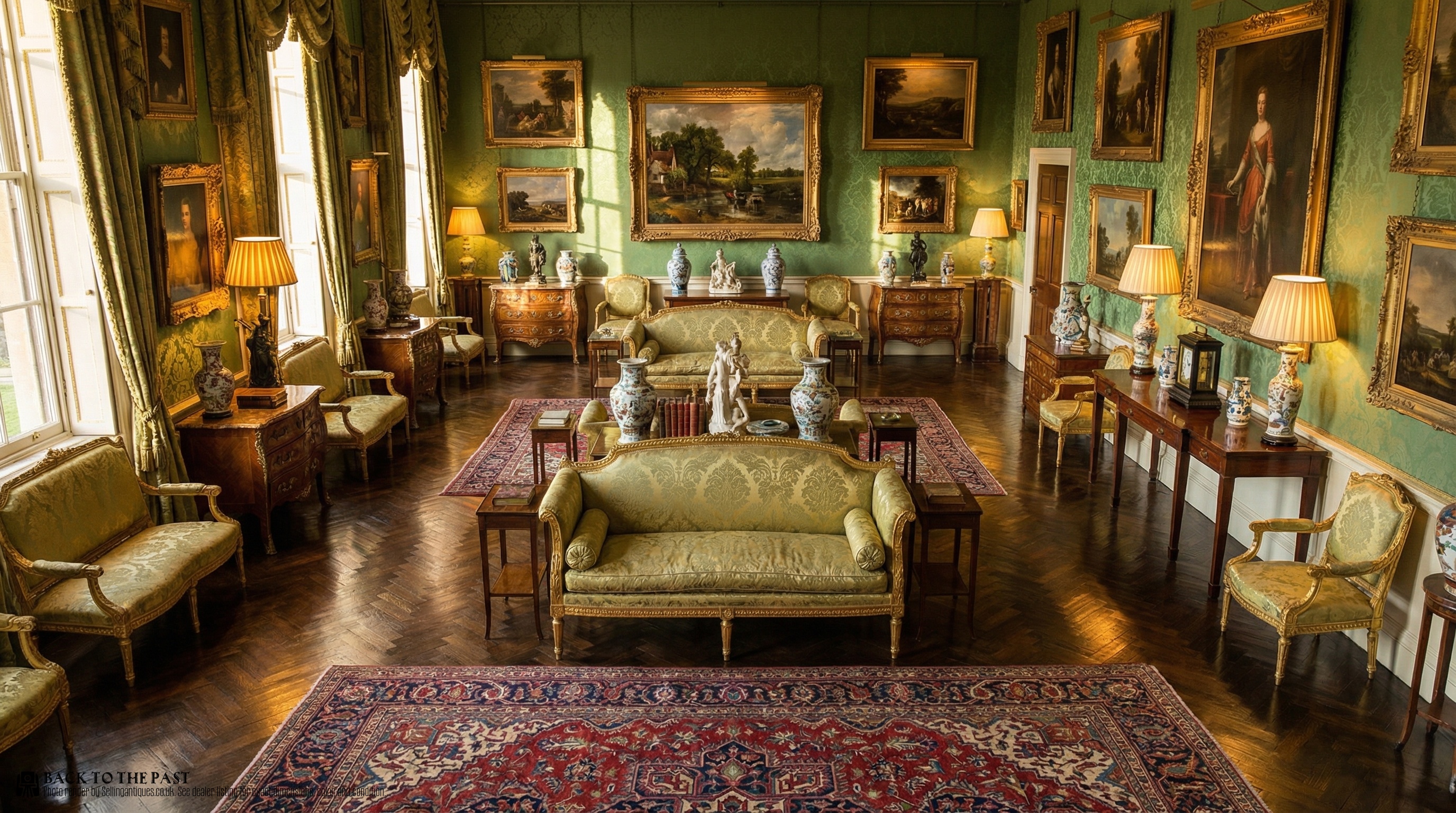
What these ebonised wood clock examples are
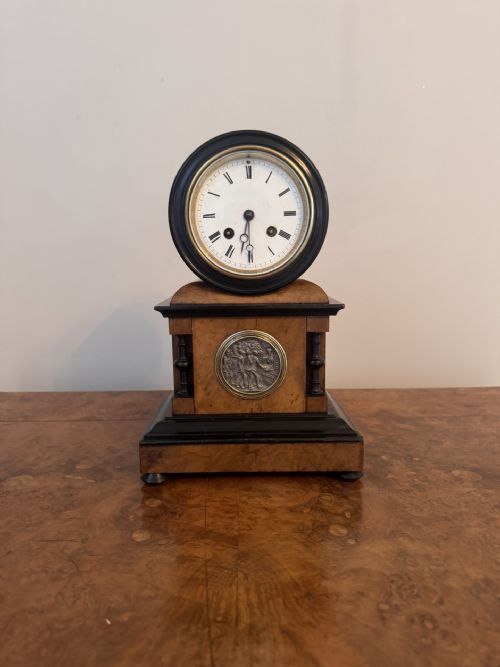
When you search for ebonised wood clock, you are looking at timepieces housed in timber stained or painted to imitate expensive ebony, a technique popularised to create a dramatic silhouette. The pieces available span several centuries, encompassing both domestic British designs and continental European imports.
You will encounter distinct forms ranging from compact mantel clocks and large library pieces to towering longcase clocks. These objects showcase styles from the Queen Anne and Early Georgian periods through to the Victorian era.
Makers utilised this dark finish across various architectural formats, including bell-top cases and carriage designs. Each object reflects the prevailing taste of its period for contrasting dark wood against bright brass dials and gilt mounts.
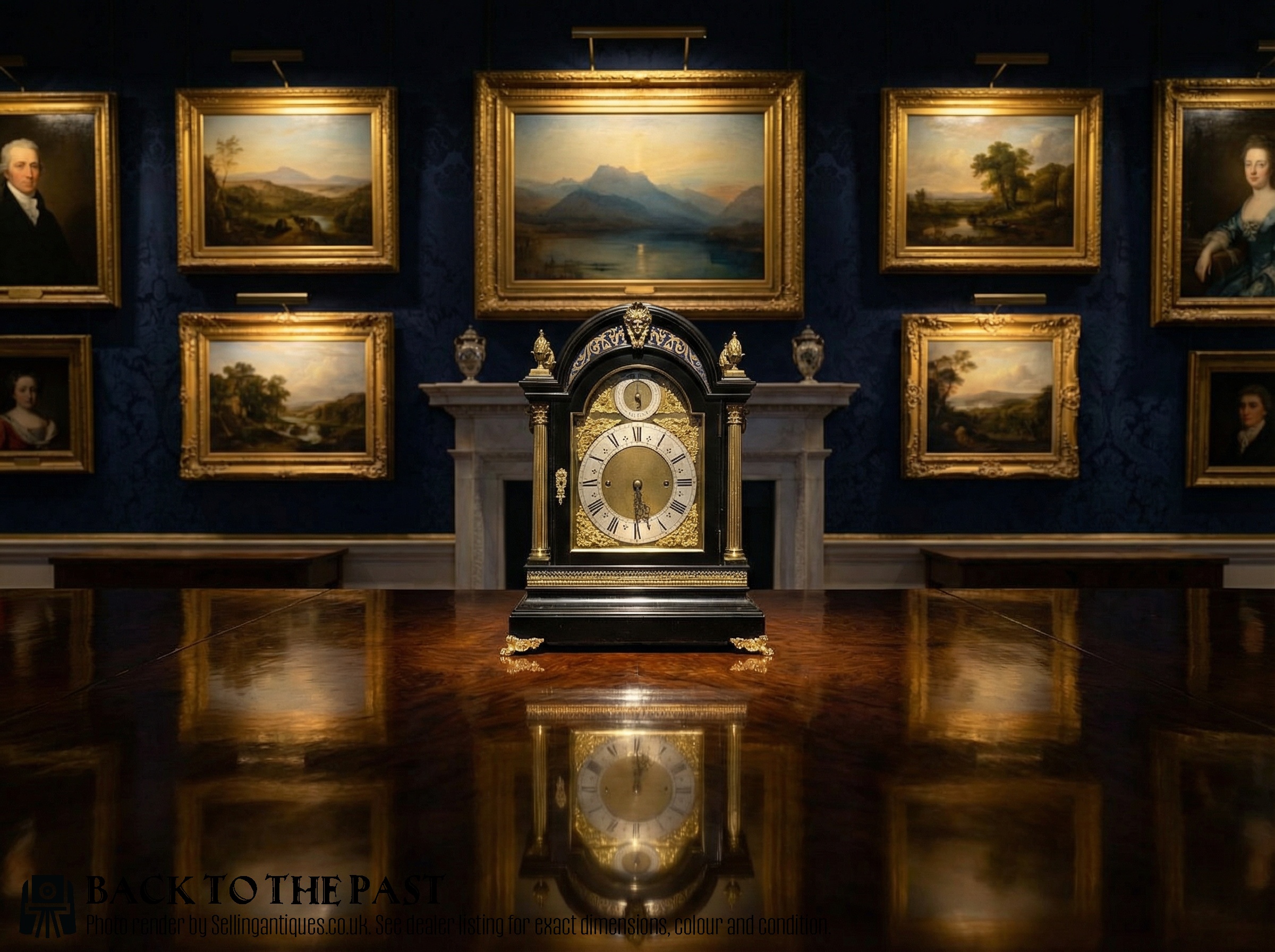
How they were made
Craftsmen built the carcasses using accessible domestic timbers such as beech or pear before applying a dense black finish to replicate exotic hardwood. This ebonisation process involved chemical staining or specialised painting techniques followed by polishing to achieve a subtle sheen.
Movements relied on brass gear trains, often featuring verge escapements or single fusee mechanisms to regulate time accurately. Enamel dials and gilt brass or brass fittings were then integrated into the dark wooden housings to create high visual contrast.
Retail Price Guide 2026
Typical UK retail prices for ebonised wood clock, calculated from the Sellingantiques database of over a million retail prices indexed since 2003. This retail price guide relies exclusively on Sellingantiques data; no external sources or auction records are used, so the figures do not describe the wider market.
Listings feature Victorian and 18th-century periods, utilising materials such as ebonised wood, brass, enamel and glass across mantel and longcase forms.
What varies in quality
Quality rests in the crispness of the case carpentry and the depth of the ebonised finish, where finer examples maintain an even, durable lustre without obscuring the grain beneath. The sophistication of the movement, from standard striking trains to complex chiming mechanisms, also dictates the standing of the piece.
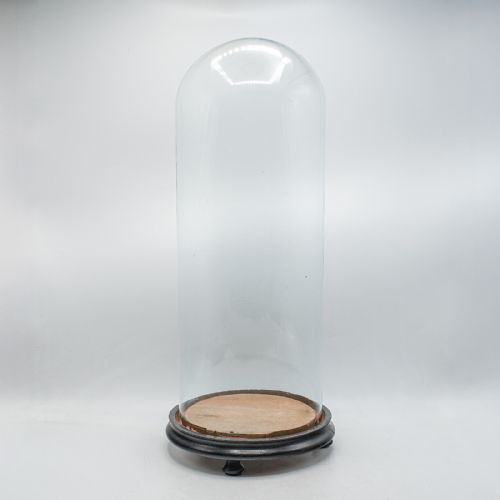
The integration of signed dial work and high-grade materials like gilt brass mounts elevates an object above standard production. Superior proportions and well-preserved glass panels demonstrate the original maker's commitment to both utility and decoration.
Charles Frodsham·Holingue Frères·John Taylor·Henry Marc
The Ebonised Wood Clock Glossary
- Ebonised
- Wood treated to resemble ebony. This dark finish gives the clock case its characteristic sombre appearance.
- Fusee
- A conical pulley used in clock movements. It ensures even power delivery to the gear train as the mainspring unwinds.
- Verge escapement
- An early type of clock escapement mechanism. It controls the rotation of the escape wheel using pallets on a vibrating rod.
- Bell-top
- A style of clock case roof shaped like a bell. This silhouette was particularly popular on English bracket clocks during the eighteenth century.
Frequently Asked Questions
Where should I place a mantel clock?
Position the piece on a stable, level surface away from direct sunlight and fluctuating heat sources. Heavy oak or marble mantelpieces provide ideal support.
Keeping the clock away from damp exterior walls helps preserve both the ebonised wooden case and the delicate brass movement inside.
What is a single fusee movement?
A single fusee is a mechanical arrangement that maintains steady force on the gear train as the mainspring loses tension. This improves timekeeping accuracy across the duration of the wind.
You typically find this system in high-quality British library and bracket clocks from the eighteenth and nineteenth centuries.
How do I identify an eighteenth-century clock?
Look for proportions, dial signatures, and construction techniques characteristic of the Georgian or Queen Anne eras. Longcase and bracket formats from this period often display hand-engraved brass backplates.
Examining the type of wood beneath the ebonised surface and the style of the glass bezel can also offer clues to the age.