


Antique Ebonised Clock
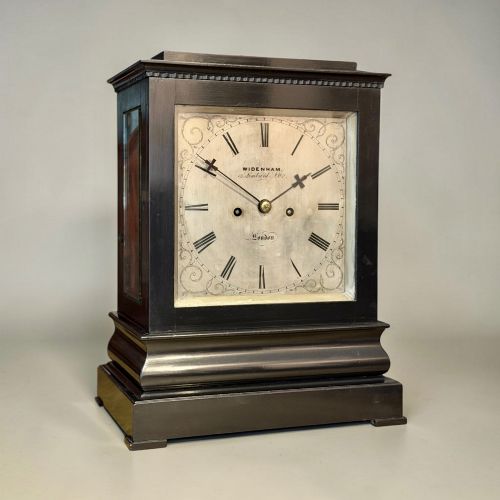
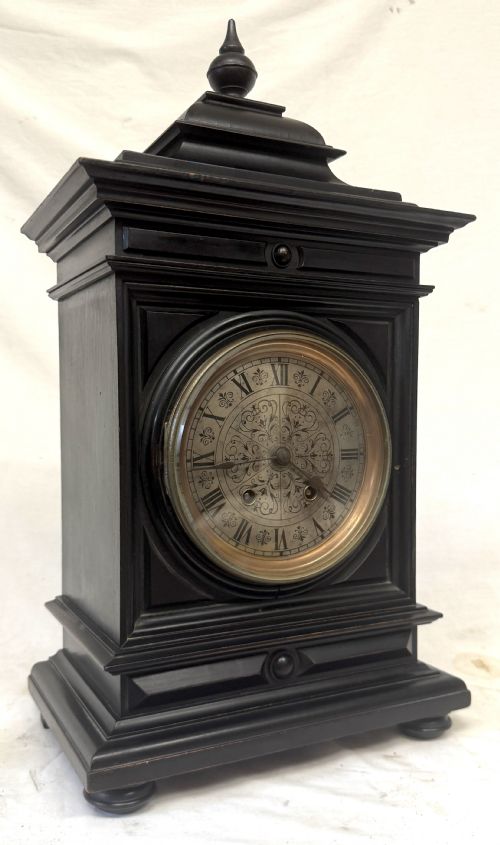
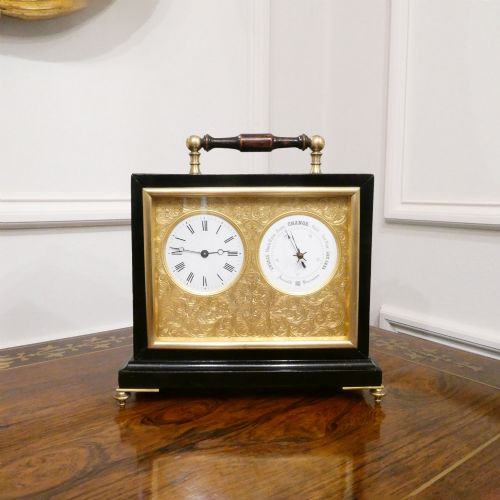
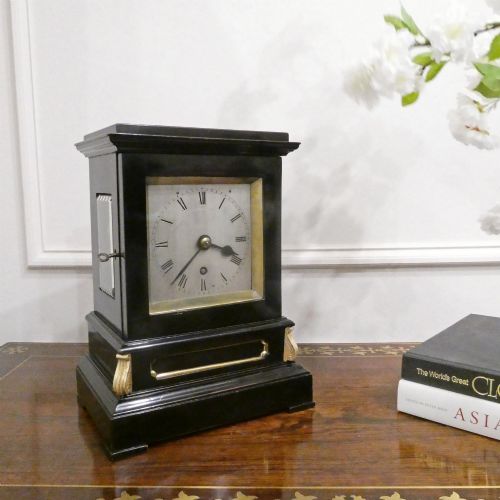
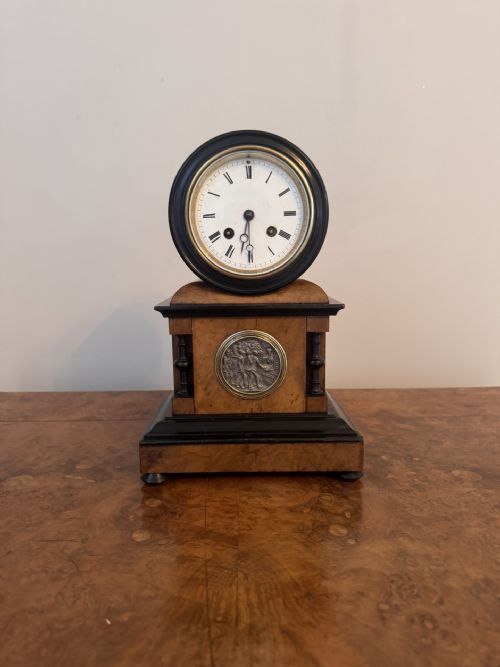
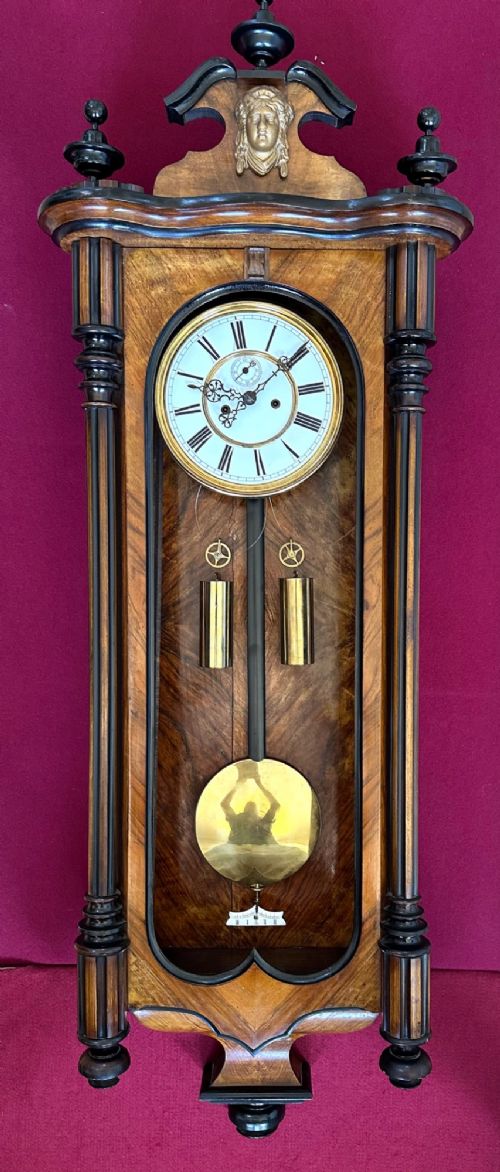
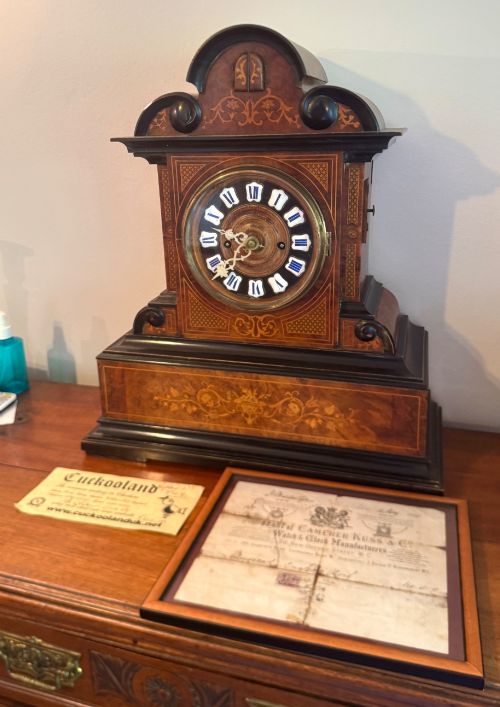
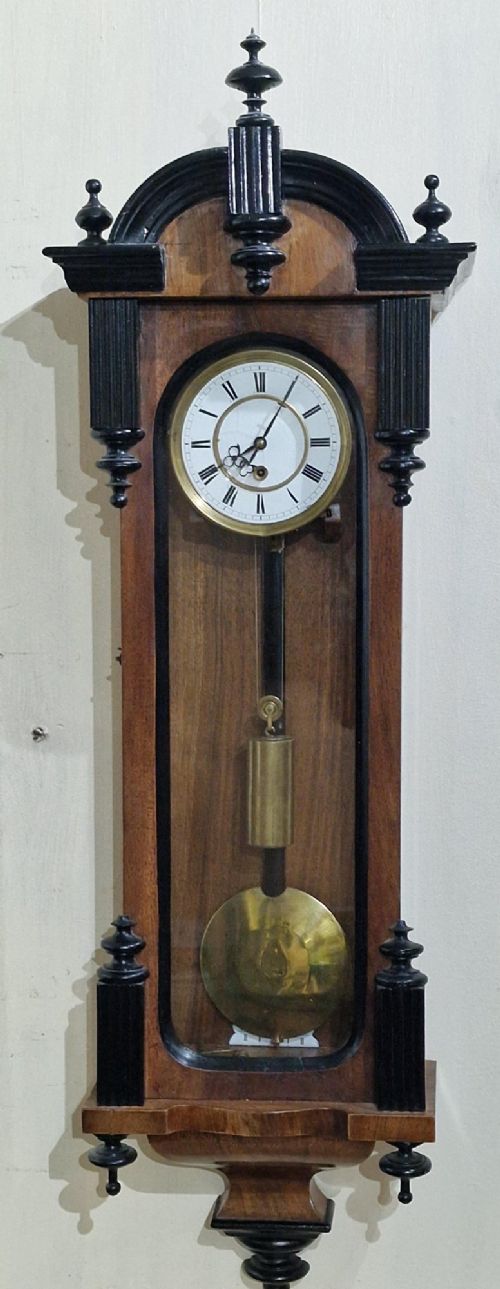
An antique ebonised clock brings dense dark timber and bright metalwork together, offering a striking centrepiece for any room.
What these clocks are
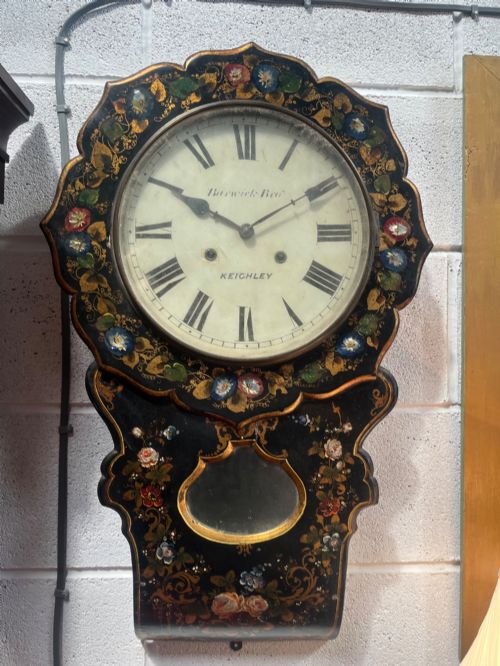
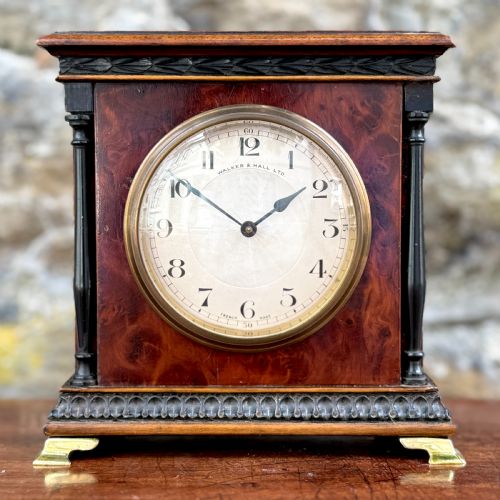
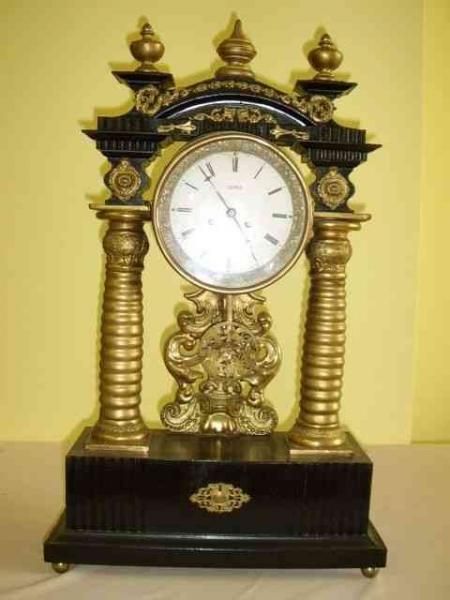
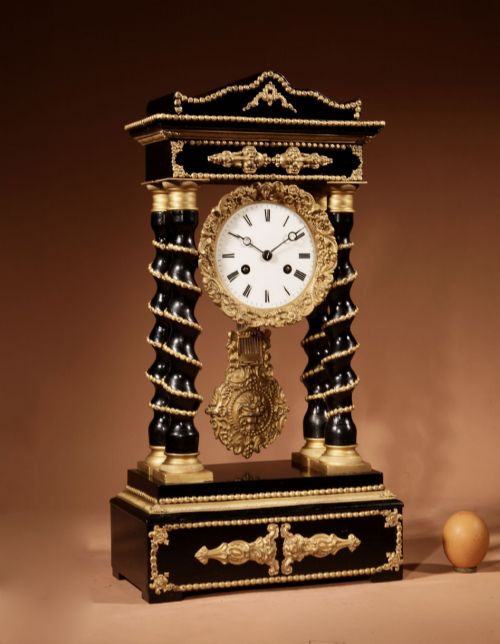
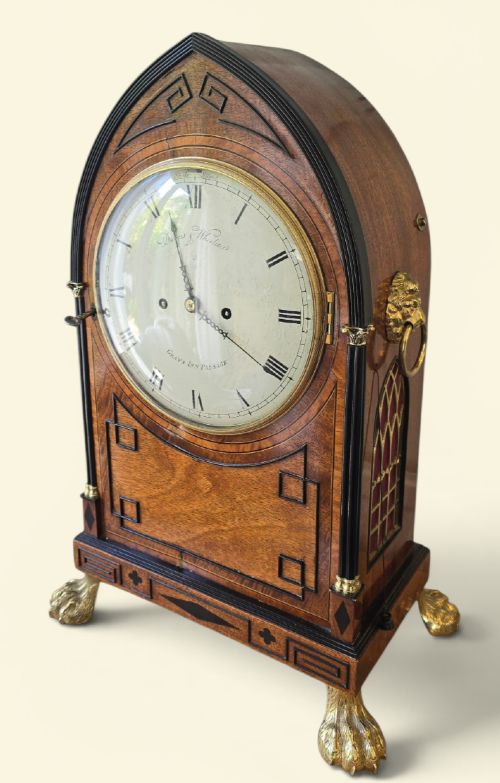
When you search for an antique ebonised clock, you are looking at timepieces cased in dark, simulated or treated wood that mimics ebony. These objects span several distinct eras, encompassing both English bracket designs and continental wall pieces.
The versions you are most likely to meet on this page include Victorian mantel clocks and 18th-century bracket clocks. They appear in forms ranging from bell-top bracket styles to wall-hung Vienna and French models.
The evidence shows examples originating from the Georgian and Victorian periods, alongside specific pieces dated to seventeen hundred and eighteen ninety. Makers such as Richard Rooker, Barraud and Lunds, James Evans, and W and H are recorded among the makers of these clocks.

How they were made
The construction relies on ebonised wood forming the primary case, often paired with figured walnut or bronze. Makers combined these dark timber surfaces with glass panels and metal components.
Bright contrast comes from brass, ormolu, and gilt bronze mounts fitted to the wooden carcases. Dial surrounds and movement details utilise these polished metals alongside traditional fusee and chiming mechanisms.
Retail Price Guide 2026
Typical UK retail prices for ebonised clock, calculated from the Sellingantiques database of over a million retail prices indexed since 2003. This retail price guide relies exclusively on Sellingantiques data; no external sources or auction records are used, so the figures do not describe the wider market.
Some ebonised clocks arrived with matching wall brackets, ensuring the clock had a proper dark timber throne to sit upon.
What varies in quality
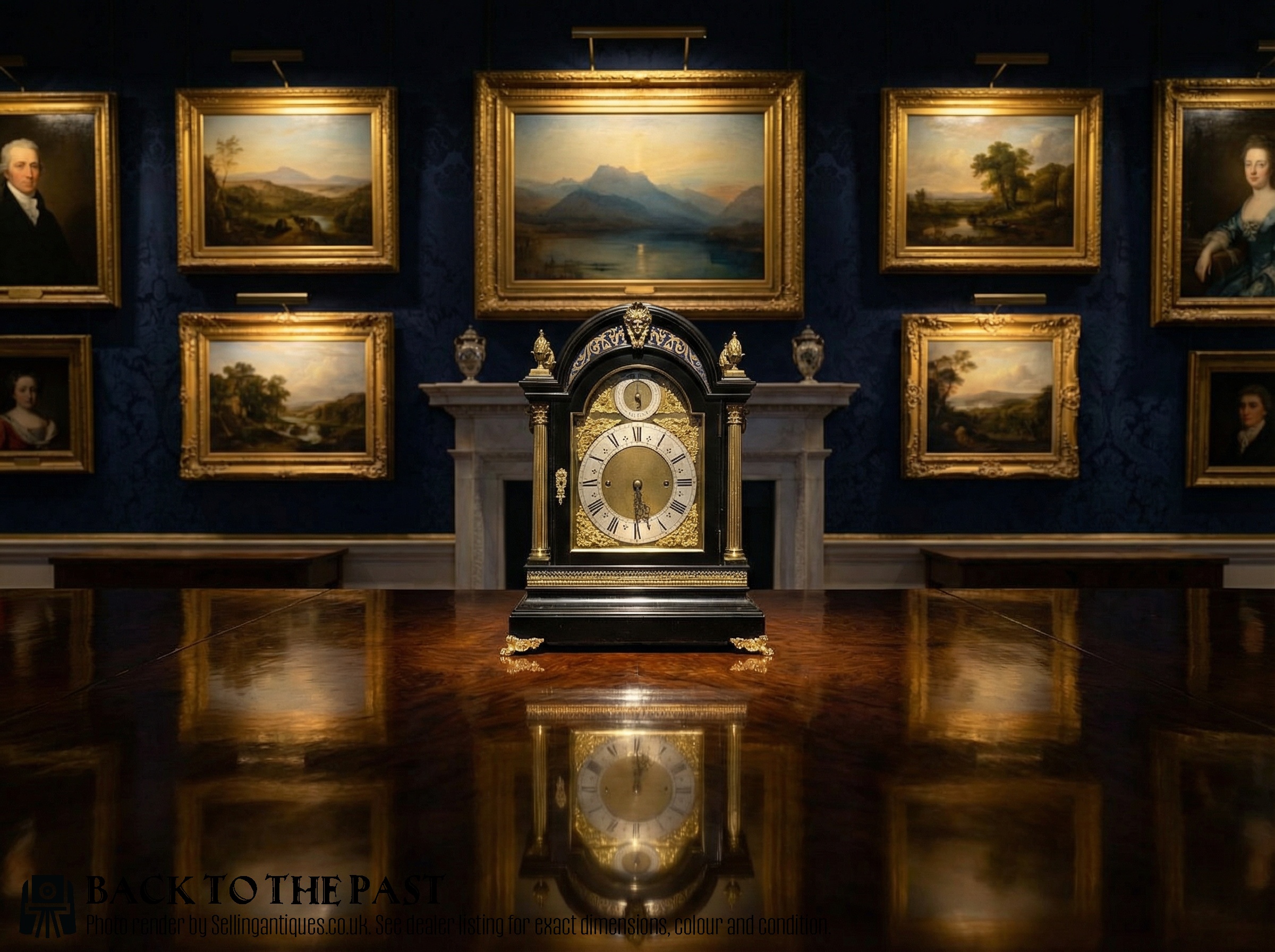
The refinement of the ebonised finish and the crispness of the applied brass or ormolu mounts set the top of the range apart. Superior pieces integrate cast bronze details and complex movements with notable precision.
Simpler decorative mantel clocks sit at the other end, where cases rely on straightforward timber treatment rather than intricate brass inlay or multiple-train chiming gear.
Richard Rooker·Barraud and Lunds·James Evans·W and H·Webster London·Lours of Puiseaux·Lewis Foreman Day
The Antique Ebonised Clock Glossary
- Ebonised wood
- Timber treated to resemble ebony. This dark finish creates a stark visual contrast against brass dials and gilt mounts.
- Bracket clock
- A portable spring-driven clock designed to sit on a bracket or table. These English pieces often feature bell tops and double fusee movements.
- Fusee
- A conical pulley used in spring-driven clocks to maintain even power as the mainspring unwinds. It ensures more accurate timekeeping throughout the running period.
- Ormolu
- Gilt bronze ornamentation applied to clock cases. The technique involves creating a finely chased bronze mount and coating it in gold amalgam.
- Ting-tang
- A striking mechanism that sounds two different notes on two bells to indicate the quarters before the hour. It is commonly found in bracket clocks from the nineteenth century.
Frequently Asked Questions
How do I wind a fusee clock?
Use the proper winding key carefully on the arbour, turning it steadily until the spring reaches tension. Take care not to overwind older movements.
Most fusee mechanisms require a steady hand and regular maintenance by a horologist to keep the chain and gears functioning correctly.
Where should I place a bracket clock?
Place your bracket clock on a sturdy surface or wall bracket where it will not suffer from vibrations. Heavy furniture or dedicated wooden shelves work best.
Ensure the location is away from direct sunlight and damp conditions to protect the ebonised wood and metal fittings.
What is an aesthetic period clock?
An aesthetic period clock reflects late nineteenth-century design principles that focused on artistic decoration and visual harmony. These pieces often draw inspiration from Japanese or classical motifs.
Makers working in this manner, such as Lewis Foreman Day, prioritised surface pattern and stylised floral elements over strict historical revivalism.
How do I tell an 18th century clock apart from a Victorian one?
Eighteenth-century examples frequently employ bell-top wooden cases and intricate brass dial work associated with makers like Richard Rooker and James Evans. Their internal movements reflect earlier mechanical traditions.
Victorian pieces often display heavier ebonised finishes, chiming functions, and diverse regional influences including French wall clocks and Vienna regulators.