




Nineteenth Century Bracket Clock
A nineteenth century bracket clock brings mechanical precision and rich cabinet-making into a room.
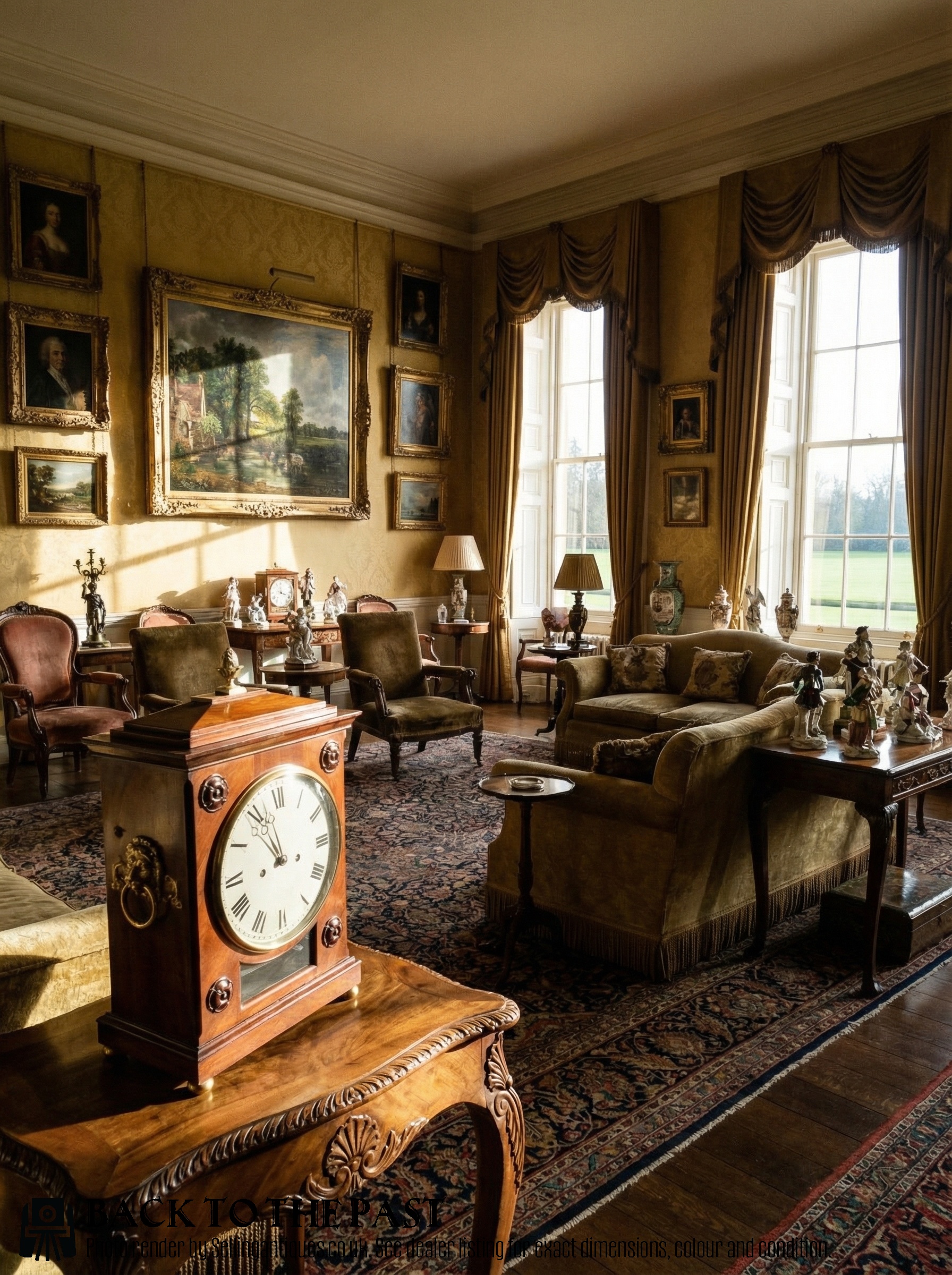
Nineteenth Century Bracket Clock
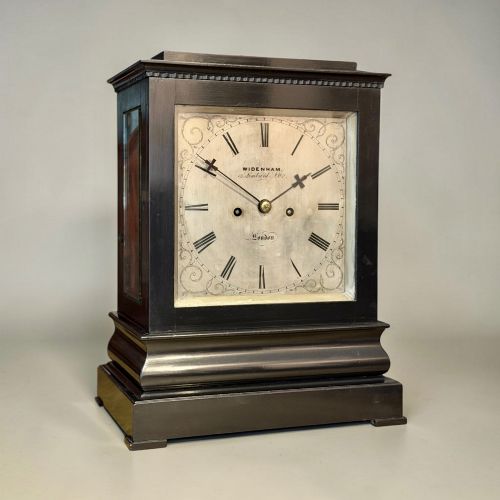
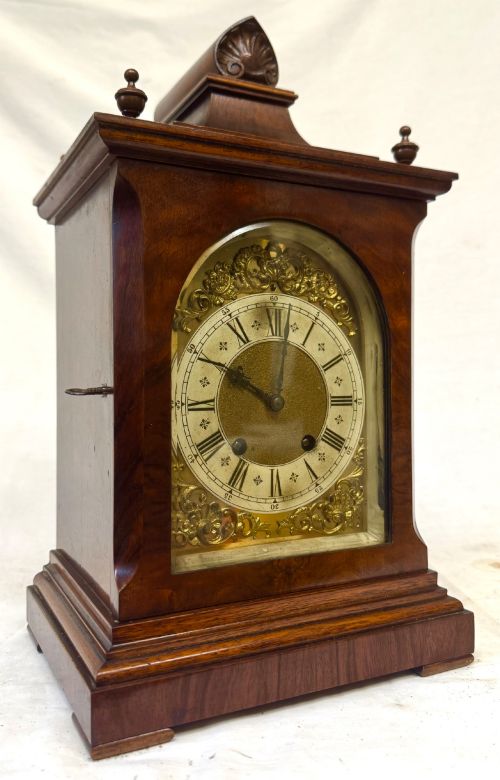
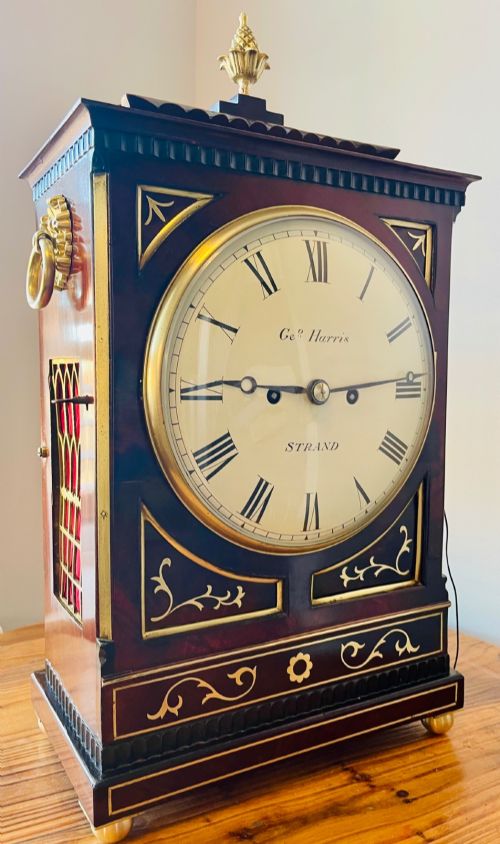
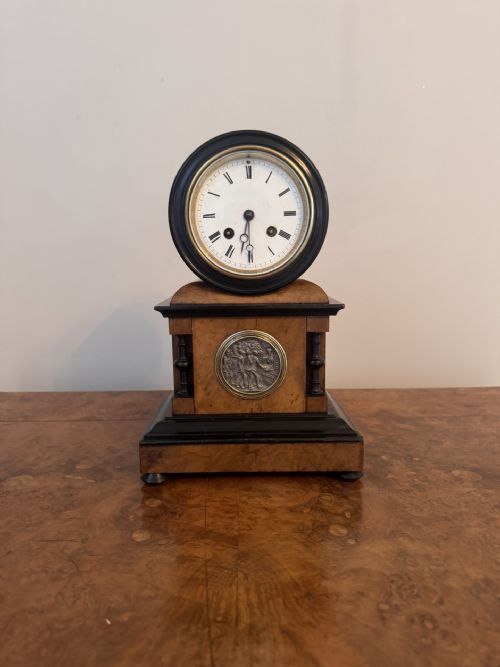
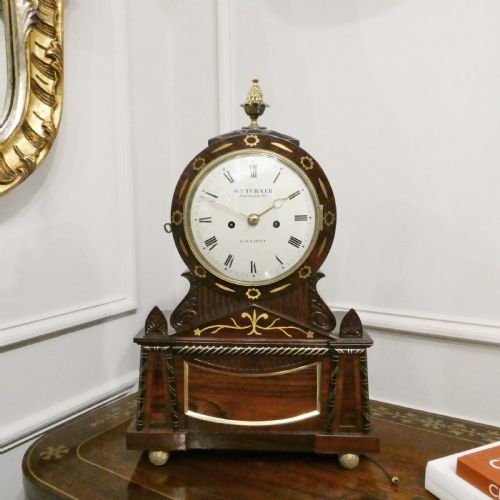
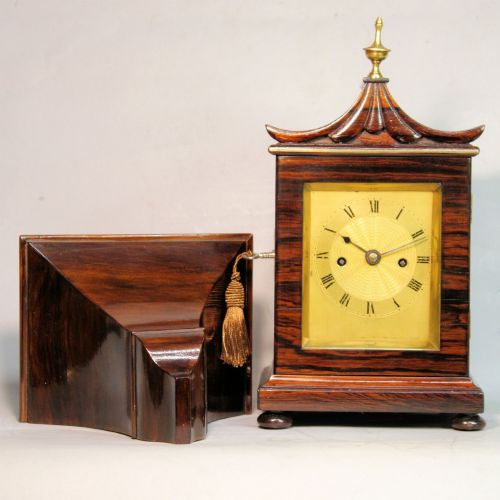
A nineteenth century bracket clock is a portable timekeeper designed to sit on a bracket, shelf, or mantelpiece. The pieces gathered here span the Regency, Georgian, and Victorian periods, reflecting the shifting tastes of the era.
Forms range from simple architectural mahogany cases to elaborate designs incorporating ebonised wood, bronze, and pollard oak. London makers predominate, alongside regional examples from makers such as Mitchell and Russell of Glasgow.
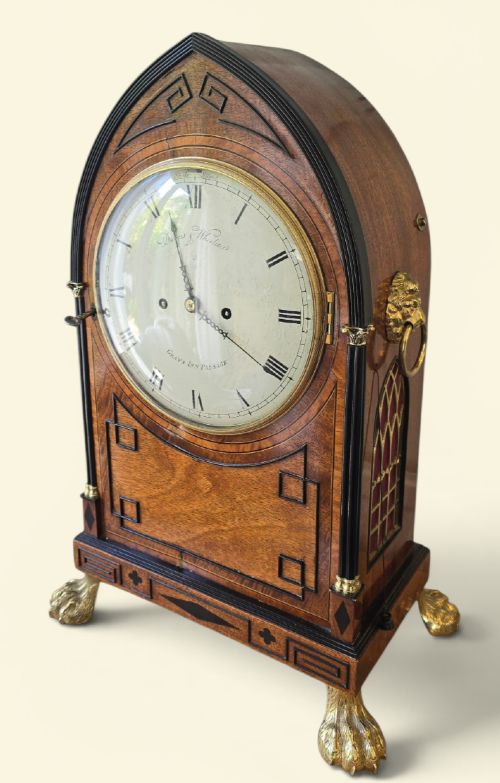
Most entries follow traditional British clockmaking formats, encompassing stylistic revivals including Gothic and Egyptian Revival alongside classic Regency and Victorian cabinet work.
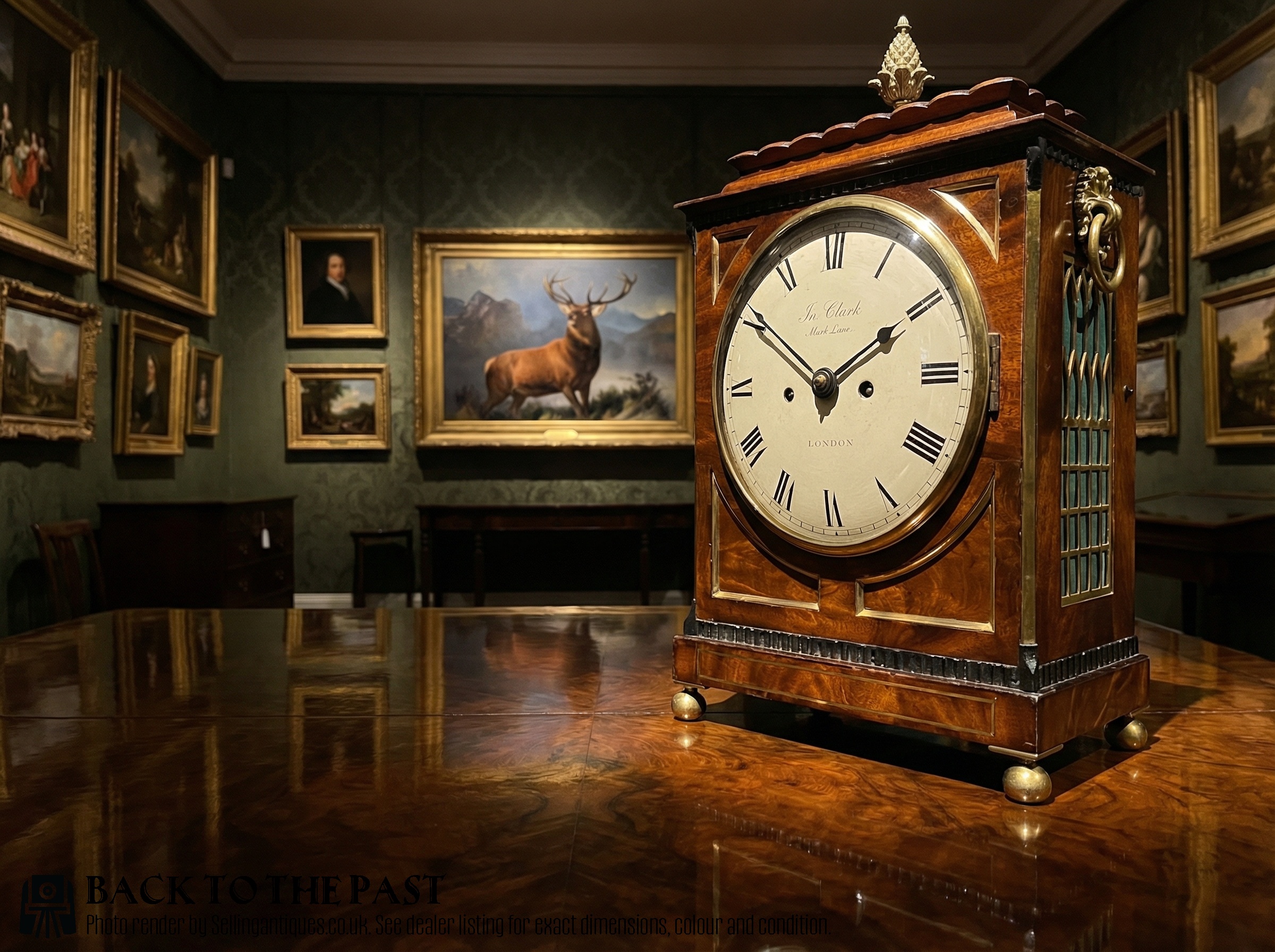
How they were made
Maker workshops constructed these movements using brass, steel, and multiple pillars to support robust gear trains. Twin fusee mechanisms are common, regulating the pull of the mainsprings to ensure even timekeeping.
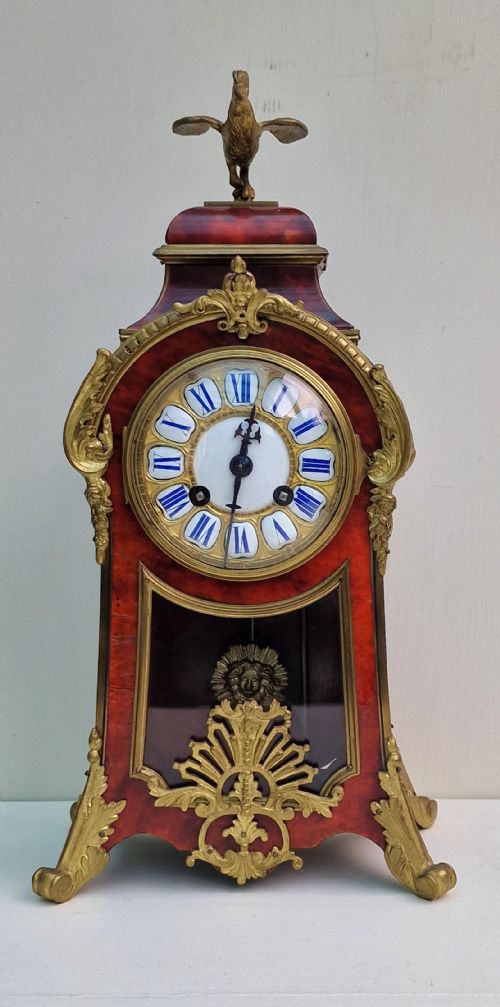
Casework relies on timber such as mahogany, ebony, and pollard oak, frequently enhanced with fine inlay work or ebonised finishes. Enamel dials and protective glass bezels complete the face, often paired with visible pendulums and bronze mounts.
Retail Price Guide 2026
Typical UK retail prices for nineteenth century bracket clock, calculated from the Sellingantiques database of over a million retail prices indexed since 2003. This retail price guide relies exclusively on Sellingantiques data; no external sources or auction records are used, so the figures do not describe the wider market.
Some models reveal their swinging pendulums directly through the dial, offering a discreet mechanical heartbeat on the mantelpiece.
What varies in quality
Quality rests in the sophistication of the movement and the integrity of the cabinet work. Multi-pillar movements and signed maker plates distinguish workshops of higher ambition from standard production.
The choice of timber and the precision of decorative inlay determine visual success. Finer examples balance sculptural bronze or glass elements with proportioned wood cases that retain their original surfaces.
Paul Philip Barraud·Barraud & Lunds·Payne and Co·Mitchell and Russell
The Nineteenth Century Bracket Clock Glossary
- Twin fusee
- A movement mechanism using two conical pulleys and chains or cords to maintain even tension on the mainsprings as they unwind. This arrangement improves timekeeping accuracy across the power reserve.
- Bracket clock
- A portable timekeeper originally designed to rest upon a wall bracket to project sound further into a room. Over time, the term came to describe any large table or mantel clock from these periods.
- Ebonised wood
- Timber treated with a dark stain or finish to imitate expensive ebony. This technique was popular in Victorian casework for creating sharp contrasts with brass dials and mounts.
- Fusee
- A conical pulley found in better mechanical clocks that compensates for the decreasing power of a declining mainspring. It is a hallmark of traditional British horology.
Frequently Asked Questions
What is a twin fusee movement?
A twin fusee movement uses conical pulleys to equalise the force of the mainsprings as they run down. This mechanical feature helps the clock maintain consistent time.
It represents a standard of traditional British clockmaking found in higher quality nineteenth-century pieces.
Where should I place a bracket clock?
These clocks suit sturdy mantelpieces, tabletops, or dedicated wall brackets where they can remain level. A stable surface ensures the pendulum swings freely and the escapement functions properly.
Keep them away from direct sunlight and draughts to protect the wooden casework and internal oils.
How do I identify the period of a clock?
Dating relies on stylistic clues in the woodwork, dial design, and architectural motifs. Regency pieces often feature classical restraint, while Victorian examples embrace Gothic or heavy ebonised forms.
Maker signatures on the dial or movement backplate provide a direct link to active working dates.
Are these clocks suitable for daily use?
Many nineteenth-century clocks remain entirely functional and capable of keeping accurate time when properly maintained. Regular winding and periodic professional servicing keep the brass and steel components operating smoothly.
Treating them as working antiques ensures they continue to function reliably in a modern home.