

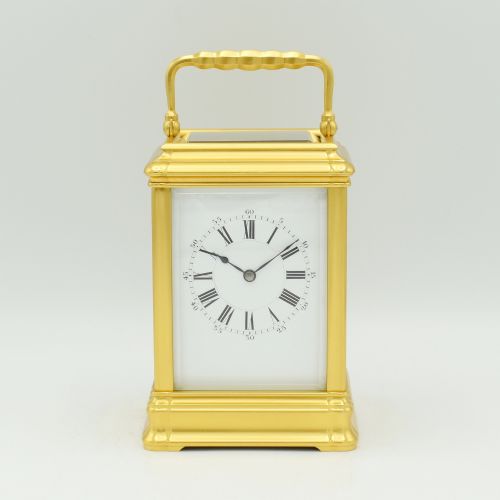
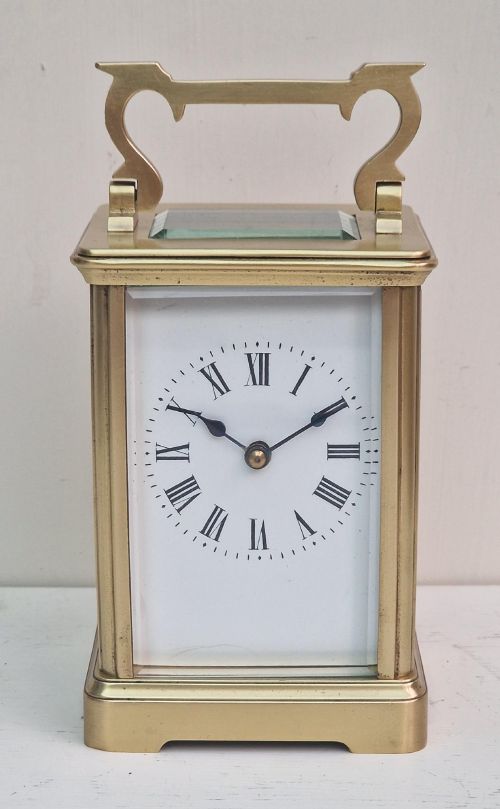
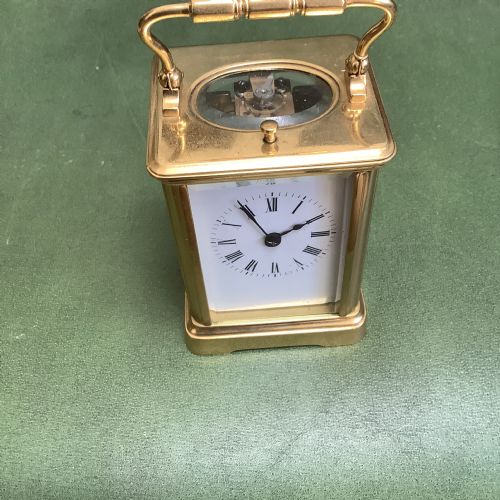
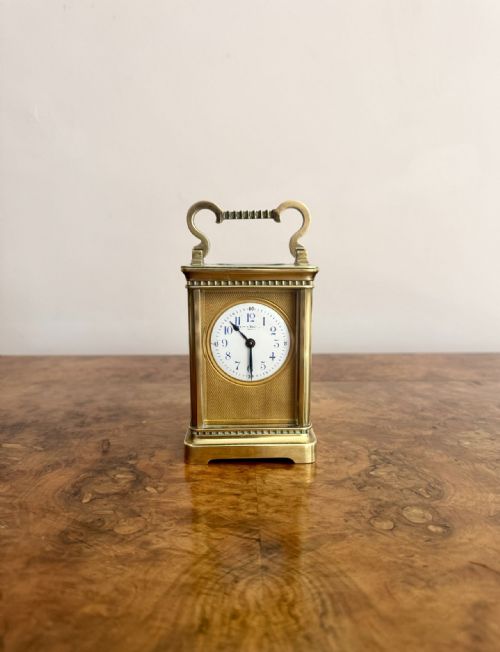
Antique Mantle Timepiece
These antique mantle timepiece selections offer reliable mechanical timekeeping housed in handsome period cases designed to anchor a room.
What these pieces are
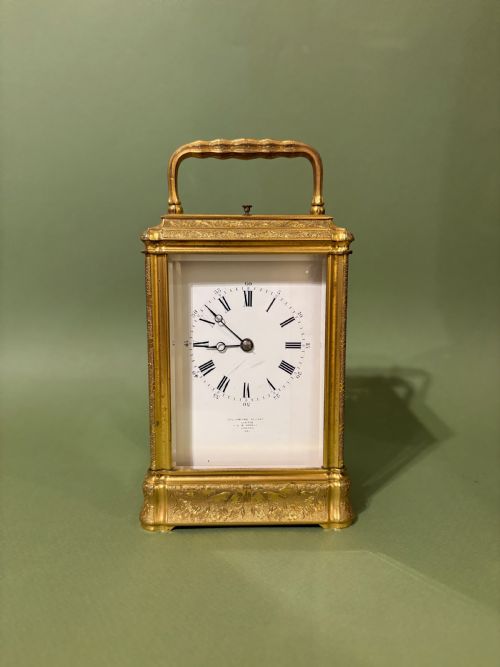
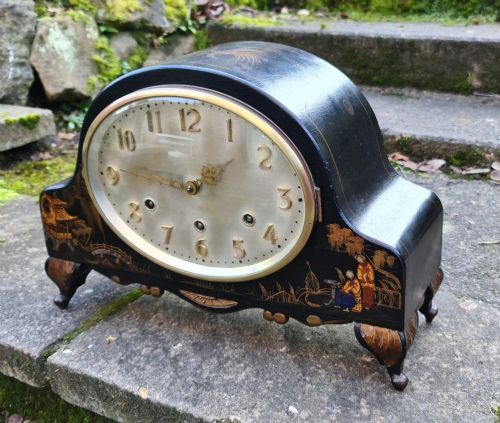
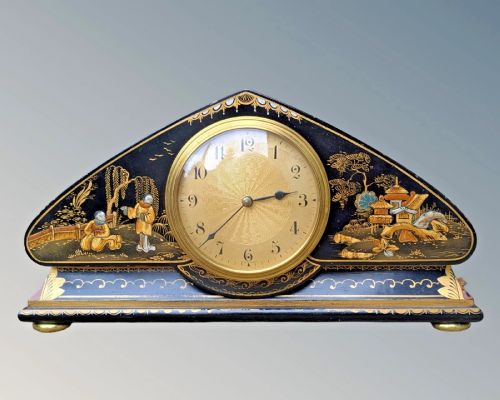
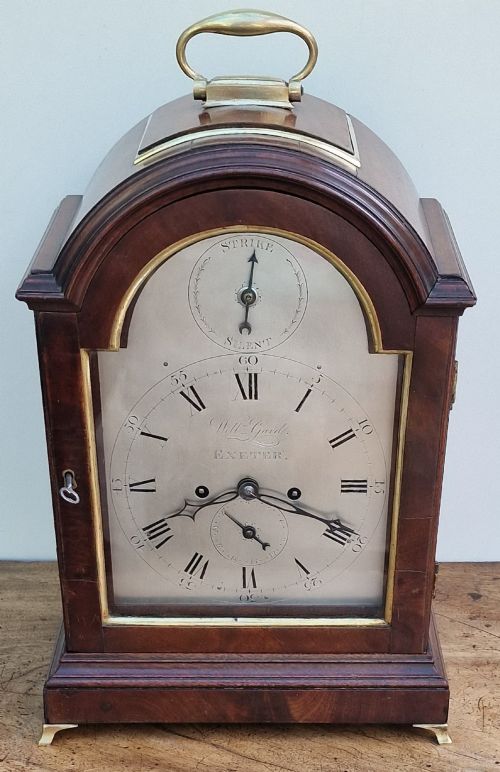
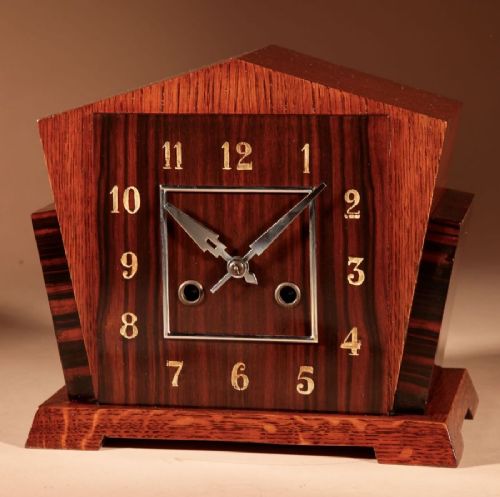
An antique mantle timepiece is a portable domestic clock built to sit upon a fireplace mantelpiece or shelf. The pieces on this page span several distinct periods including the Georgian era, the Regency era, and Victorian Rococo Revival.
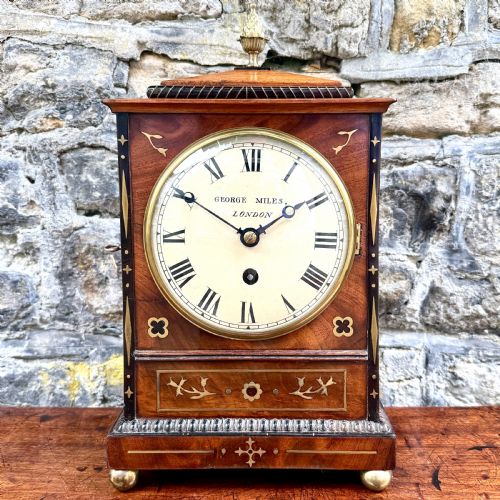
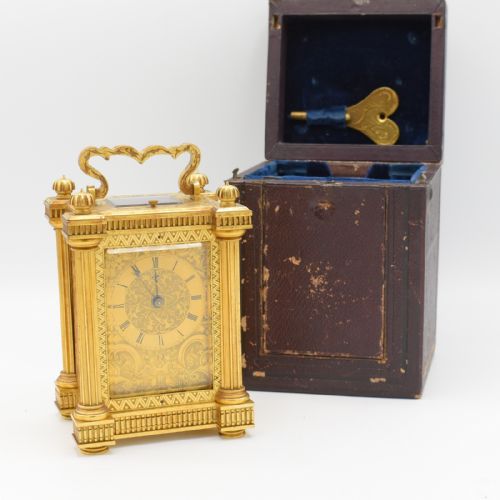
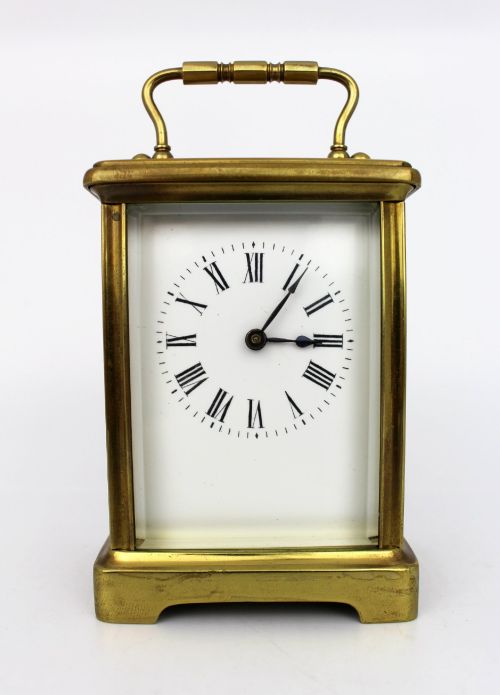
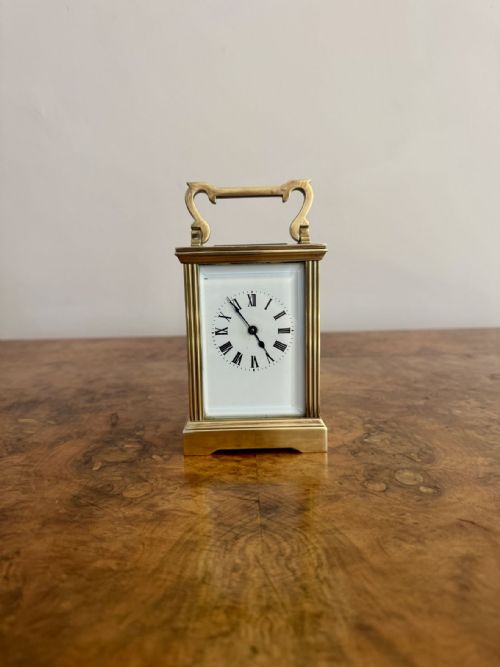
The forms encompass traditional mantel clocks, miniature carriage clocks, and striking bracket clocks. Origins range from London workshops to Scottish makers in Glasgow.
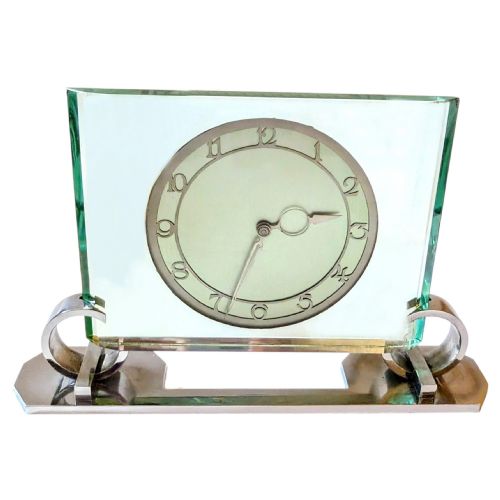
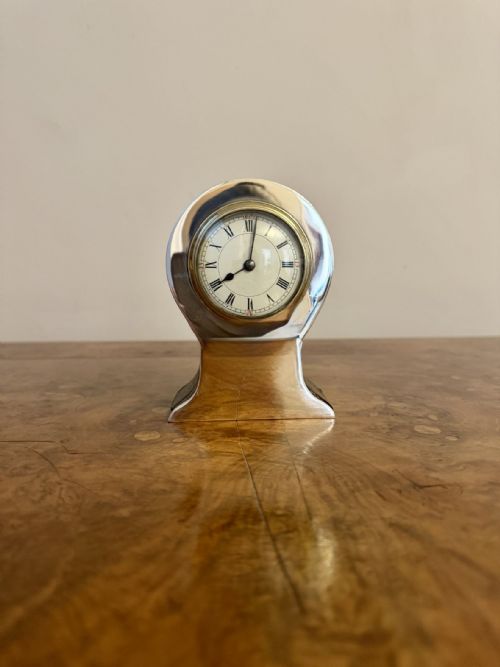
Buyers will most frequently encounter pieces fashioned from mahogany, ebonised wood, brass, gilt bronze, and patinated bronze. Enamel dials and protective glass bezels frequently complete these functional domestic objects.
How they were made
Maker construction methods combine cabinetmaking and precision metalwork, using timber cases of mahogany or ebonised wood to house intricate brass movements. Enamel is applied to dials for legibility, often paired with fine glass panels.
Decorative enrichment relies on cast metals, specifically gilt bronze, patinated bronze, and gilt brass. These metal components provide surface contrast against the dark polished woods of the clock bodies.
Retail Price Guide 2026
Typical UK retail prices for mantle timepiece, calculated from the Sellingantiques database of over a million retail prices indexed since 2003. This retail price guide relies exclusively on Sellingantiques data; no external sources or auction records are used, so the figures do not describe the wider market.
Listings feature items from the Regency period, the Victorian era, and the eighteenth century, constructed from mahogany, brass, and glass.
What varies in quality
Quality differences lie in the integration between the precision of the brass mechanical movement and the craftsmanship of the outer case. Higher grade examples exhibit crisp casting in gilt and patinated bronze alongside finely finished timber cabinets.
The refinement of the enamel dial and the integrity of the signature or maker attribution elevate certain pieces above standard domestic production. Superior execution of period specific details marks the distinction across the range.
Baetens London·John Fletcher·Mitchell And Russell
The Antique Mantle Timepiece Glossary
- Timepiece
- A clock that measures and indicates time without striking the hours or quarters. This mechanism focuses solely on the continuous passage of time.
- Bracket clock
- A portable clock originally designed to sit upon a wall bracket or table. These substantial pieces often feature robust striking trains and architectural wooden cases.
- Gilt bronze
- Metal cast from copper and zinc alloys treated with a gold layer or mercury gilding. This technique imparts a rich golden sheen that resists tarnishing.
- Ebonised wood
- Timber treated with a dark stain or finish to imitate ebony. This process provides a dense black surface popular in formal period case design.
- Carriage clock
- A small spring driven timepiece developed for travel during the nineteenth century. They typically feature glass sides and a swinging handle on top.
Frequently Asked Questions
Where should I place a mantle timepiece?
These clocks are proportioned for stable horizontal surfaces like mantelpieces, sideboards, or tabletops where they can be viewed easily.
Ensure the location is level to keep the mechanical movement beating evenly during operation.
Do all these clocks strike the hours?
Many examples function strictly as timepieces without striking mechanisms, measuring time silently through dial indicators.
Specific bracket clock variants include striking trains that sound the hour using bells or gongs.
How do I identify the period of a clock?
Dating relies upon stylistic markers in the woodwork, dial typography, and metal casting techniques characteristic of eras such as the Regency or Victorian periods.
Cabinet timbers like mahogany and ebonised wood alongside specific dial materials offer clear chronological indicators.
What materials are most common?
The recorded inventory frequently utilises timber cases built from mahogany and ebonised wood paired with brass movements.
Decorative surfaces commonly incorporate gilt bronze, patinated bronze, enamel dials, and protective glass components.