

French Shelf Clock
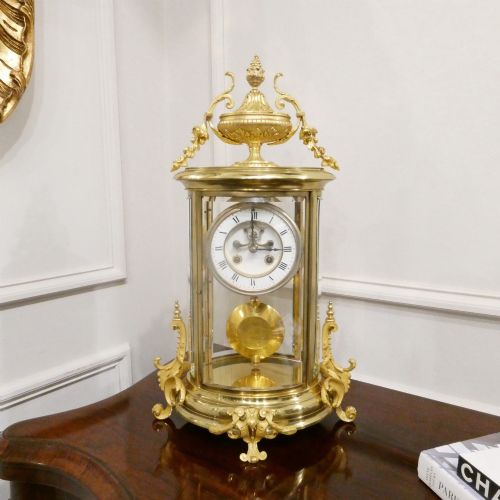
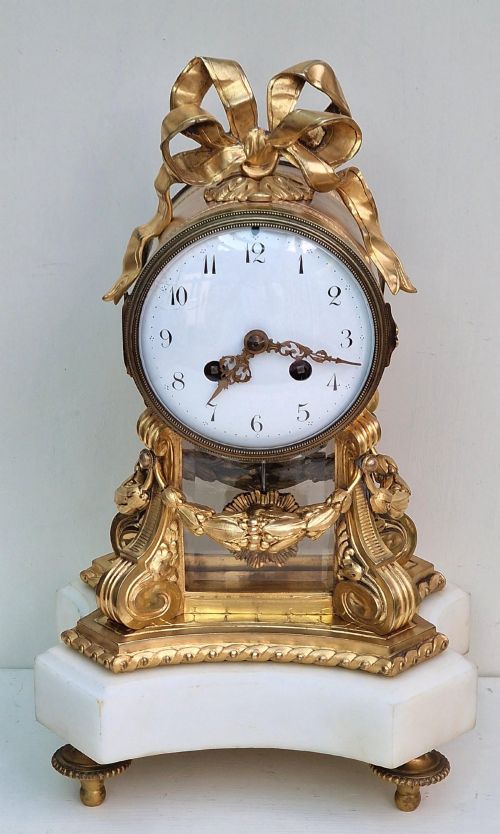
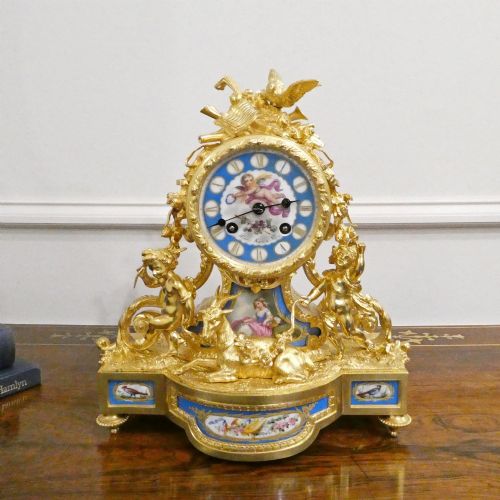
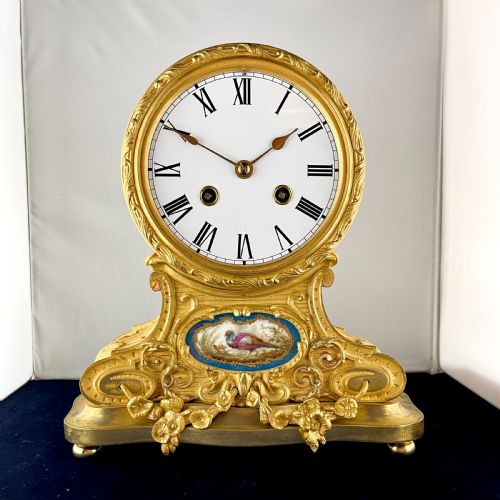
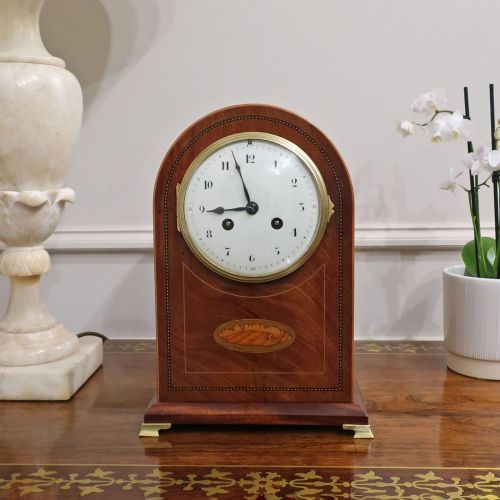
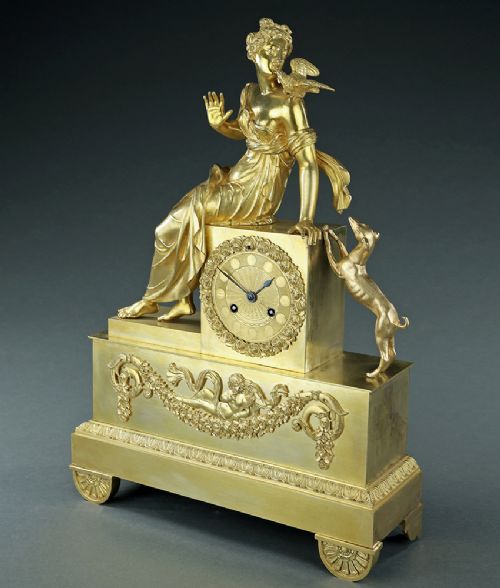
These french shelf clock examples bring architectural presence and precise movement into a room, combining brass, gilt bronze, and porcelain with classical grace.

Identifying the French Shelf Clock
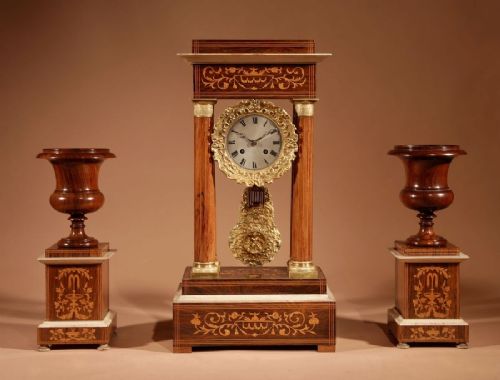
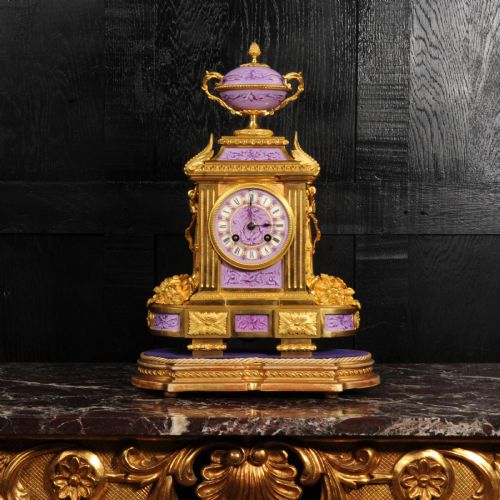
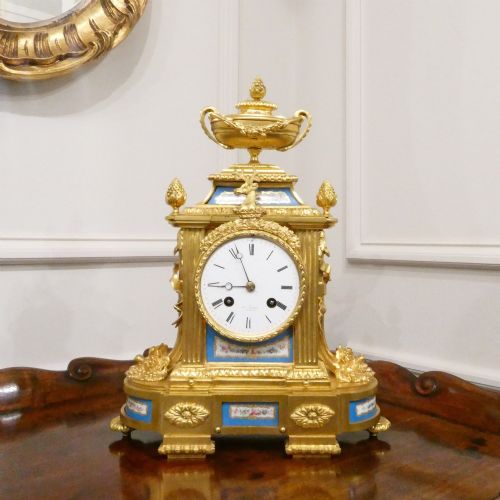
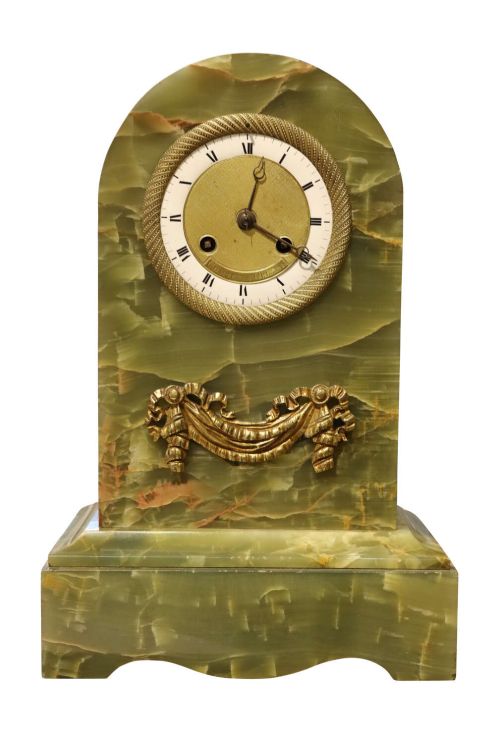
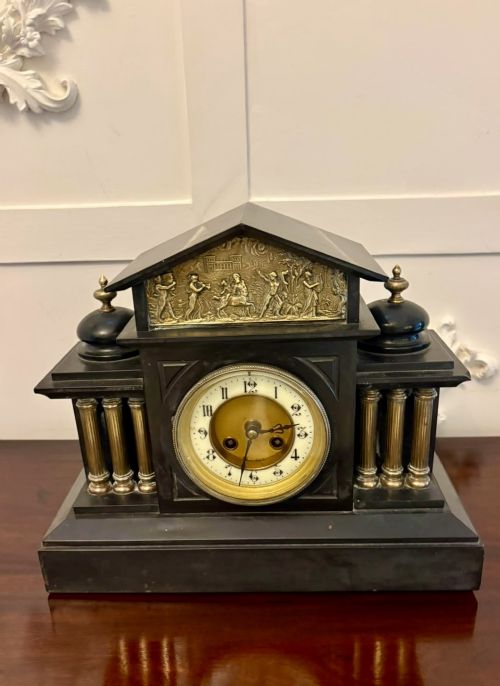
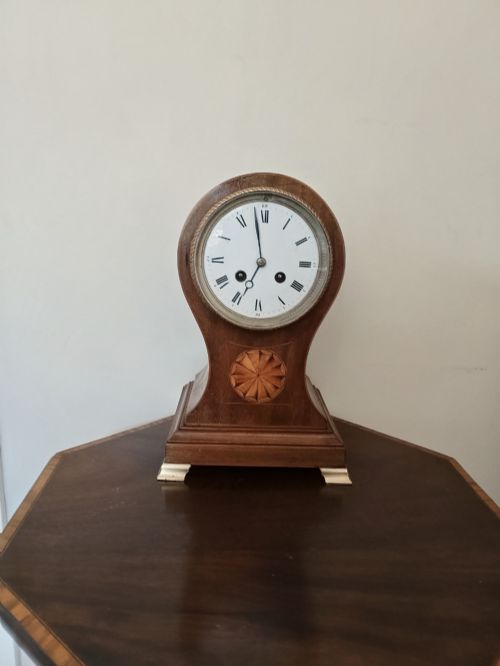
A french shelf clock sits on a mantel or surface, bringing together timekeeping and decorative sculpture from periods such as Regency, Belle Epoque, and Napoleon III. These objects range from architectural marble forms to ornate gilt bronze and porcelain bodies.
The most common examples on this page date from the nineteenth century, reflecting styles like French Louis XV, French Empire, and Classical Revival. They serve both as functional timepieces and as focal points within an interior scheme.
Makers such as Delettrez and Japy Frers appear among the listings, alongside architectural marble mantle clock designs and bronze Gothic shelf clock pieces. Each version demonstrates distinct regional artistry from its respective decade.
Materials and Construction
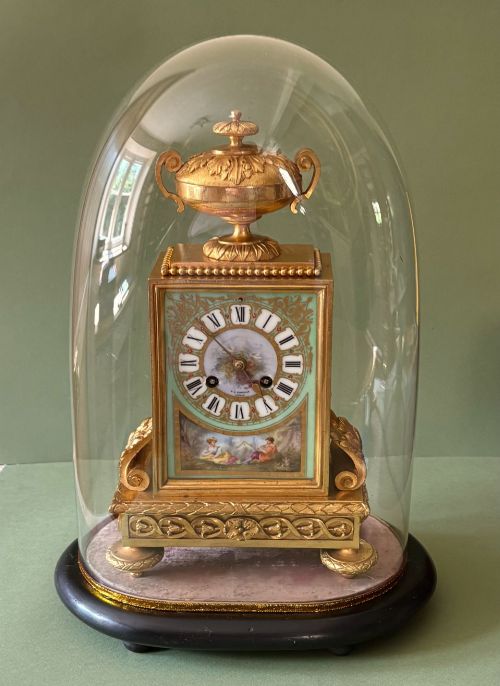
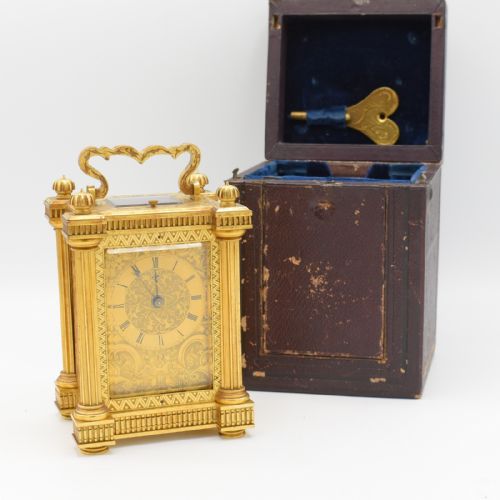
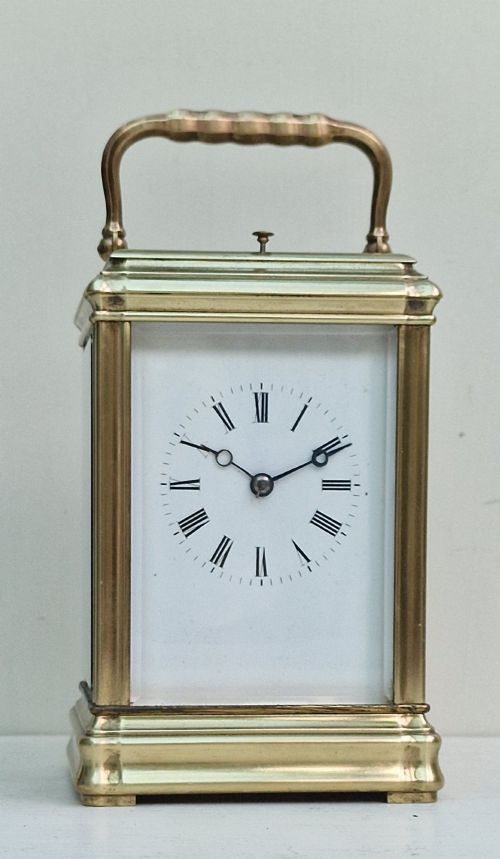
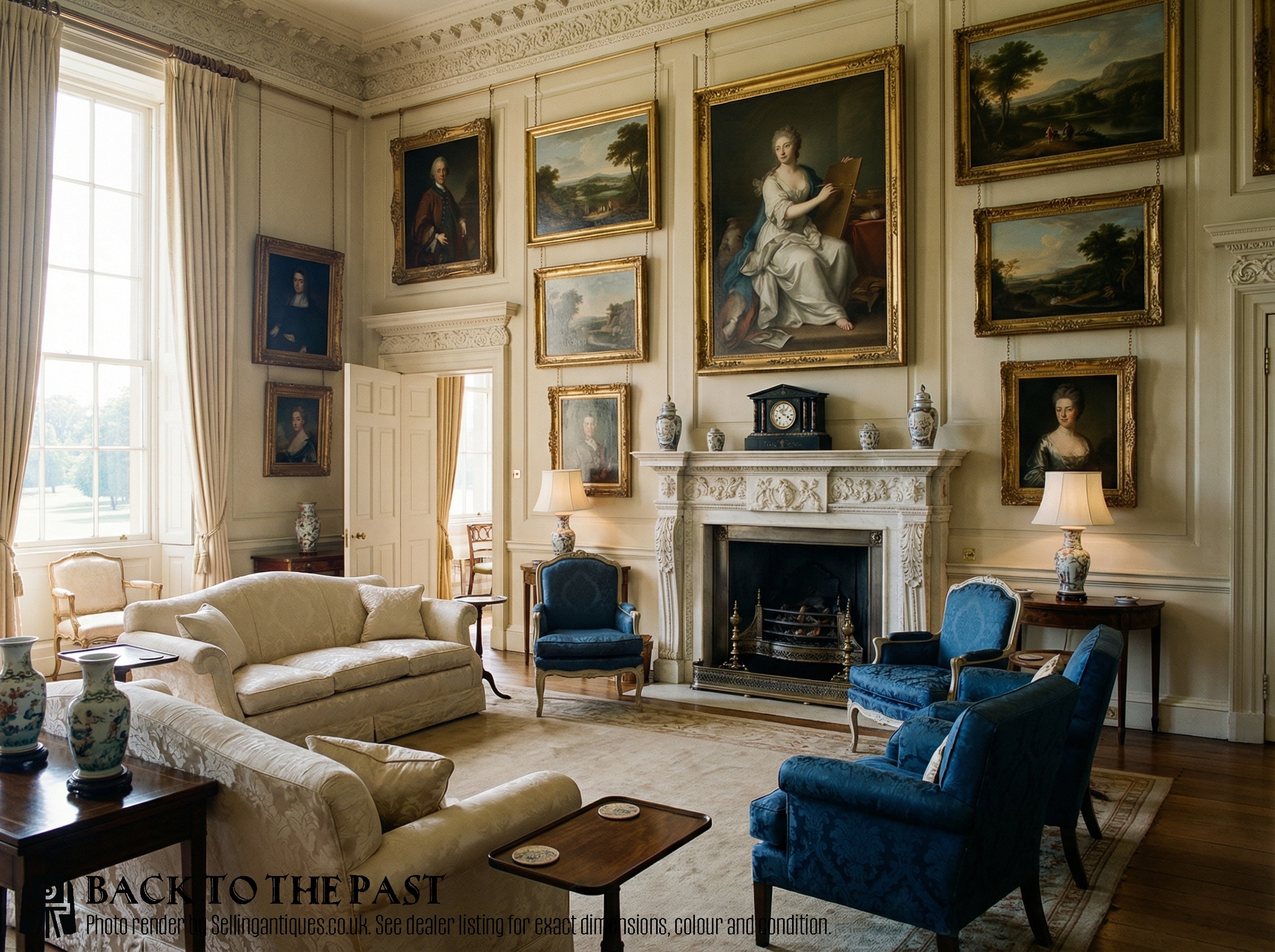
Construction relies heavily on metals like brass, ormolu, and gilt bronze, frequently paired with inset porcelain panels and enamel dials. Glass protects delicate faces, while mahogany and satinwood occasionally form the wooden components of the housing.
Movements often utilise fusee mechanisms for steady timekeeping, housed within heavy cast bronze or carved marble cases. Artisans chased and gilded the bronze elements by hand, creating rich surface textures and contrasting patinas.
Retail Price Guide 2026
Typical UK retail prices for french shelf clock, calculated from the Sellingantiques database of over a million retail prices indexed since 2003. This retail price guide relies exclusively on Sellingantiques data; no external sources or auction records are used, so the figures do not describe the wider market.
Current listings feature materials ranging from gilt bronze and porcelain to mahogany and glass, spanning the Regency period through to the year nineteen hundred.
Assessing Quality and Merit
Quality rests on the crispness of the bronze casting and the depth of the gilding or ormolu finish. Finer pieces display sharper relief in decorative motifs and superior integration of porcelain and enamel elements.
The sophistication of the internal movement also dictates value, particularly with fusee timepieces compared to standard spring-driven alternatives. Maker attribution, such as signed works by established foundries, elevates the standing of an individual piece.

Delettrez·Japy Frers
The French Shelf Clock Glossary
- Ormolu
- Gilded bronze produced by applying a mercury and gold amalgam to a bronze base and heating it. This technique creates a durable, warm metallic lustre characteristic of luxury French horology.
- Fusee
- A conical pulley used in clock movements to maintain equal power as the mainspring unwinds. It ensures consistent timekeeping across the entire duration of the winding cycle.
- Belle Epoque
- A period of Parisian optimism and cultural production spanning the late nineteenth and early twentieth centuries. Objects from this era often exhibit elaborate decorative flourishes.
- Enamel
- A glassy substance fused to metal surfaces under high heat to create smooth, durable dials. It provides a crisp background for painted numerals and hands.
Frequently Asked Questions
Where should I place a french shelf clock?
These clocks fit naturally on mantelpieces, console tables, or sturdy shelves where their architectural presence can be appreciated. Ensure the surface is level to keep the pendulum swinging evenly.
Keep them away from direct sunlight and damp environments to protect the gilt bronze surfaces, enamel dials, and delicate internal mechanisms from premature wear.
How do I identify the period of a french shelf clock?
Examine the stylistic details, such as the asymmetrical curves of Louis XV design or the martial motifs typical of the French Empire style. Materials like mahogany, satinwood, and marble also offer clues to the decade of manufacture.
Signatures on the dial or movement by makers like Japy Frers or Delettrez provide a direct reference point for dating the piece accurately.
What maintenance do these clocks require?
Regular winding keeps the mechanical movement functioning properly, though care must be taken not to overwind the mainspring. Professional servicing every few years ensures the gears and fusee mechanisms remain clean.
Dust the exterior gently with a soft, dry cloth. Avoid chemical polishes, which can strip the original gilding and damage bronze or marble surfaces.
Are these clocks suitable for daily use?
They function well as reliable timepieces when properly serviced and handled with care. Many retain their original movements and strike mechanisms, offering both auditory and visual charm.
However, due to their age and delicate construction, they require a stable environment and gentle handling during transport or adjustment.