




Classical Figure Clock
A classical figure clock brings a sculptural presence to a mantelpiece, combining French bronze work with dependable timekeeping.
What a classical figure clock is
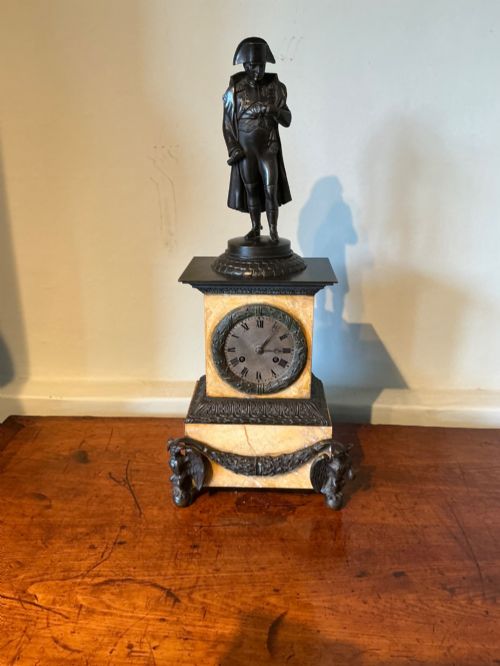
When you search for a classical figure clock, you encounter mantel clocks that integrate cast bronze or patinated figures into their architectural or sculptural cases. These horological pieces originate from periods spanning the Regency era, the nineteenth century, and specific decades such as eighteen seventy and eighteen ninety.
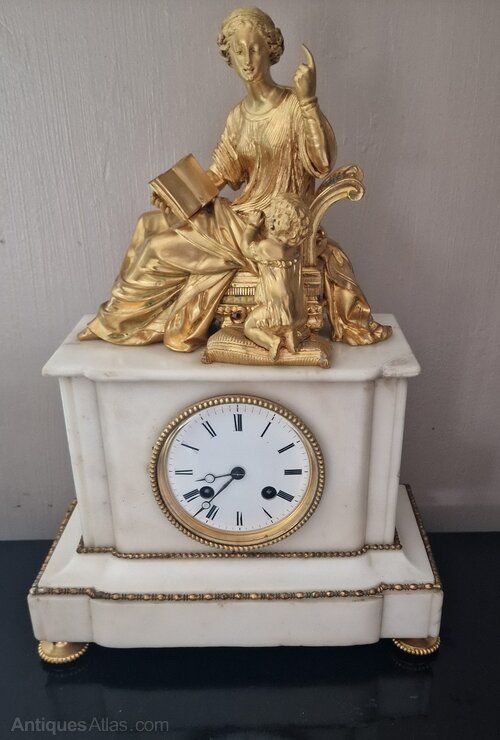
The dominant forms on this page take the shape of mantel clocks driven by French movements. Many adopt styles rooted in French Empire, Napoleon III, Louis XVI, and nineteenth century neoclassical aesthetics.
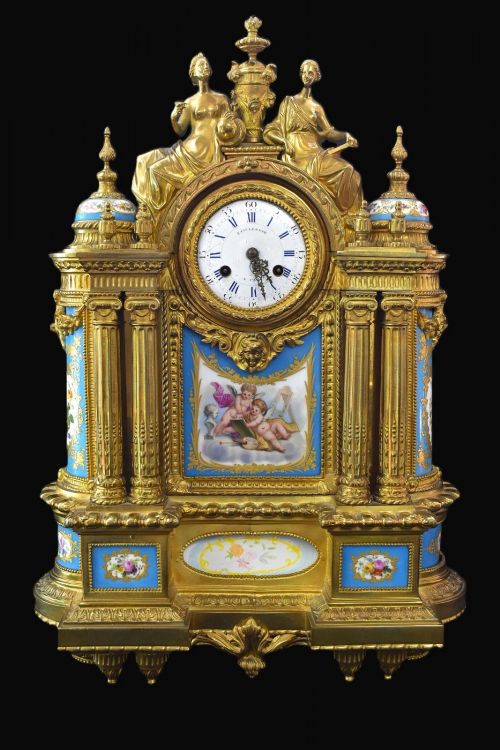
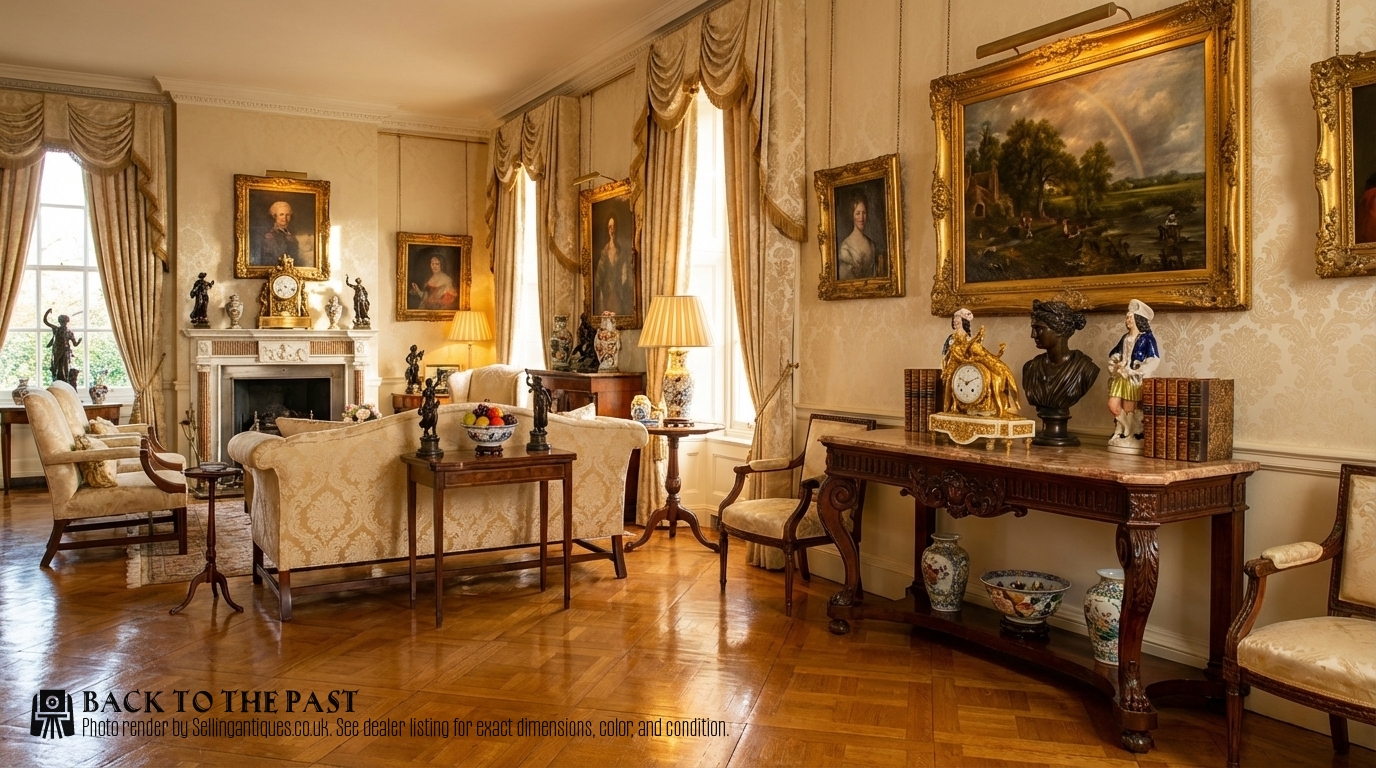
Origins heavily lean towards French workshops, alongside Italian carved alabaster examples. Buyers frequently meet pieces that pair patinated bronze with ormolu mounts, enamel dials, and occasionally glass domes.
How they were made
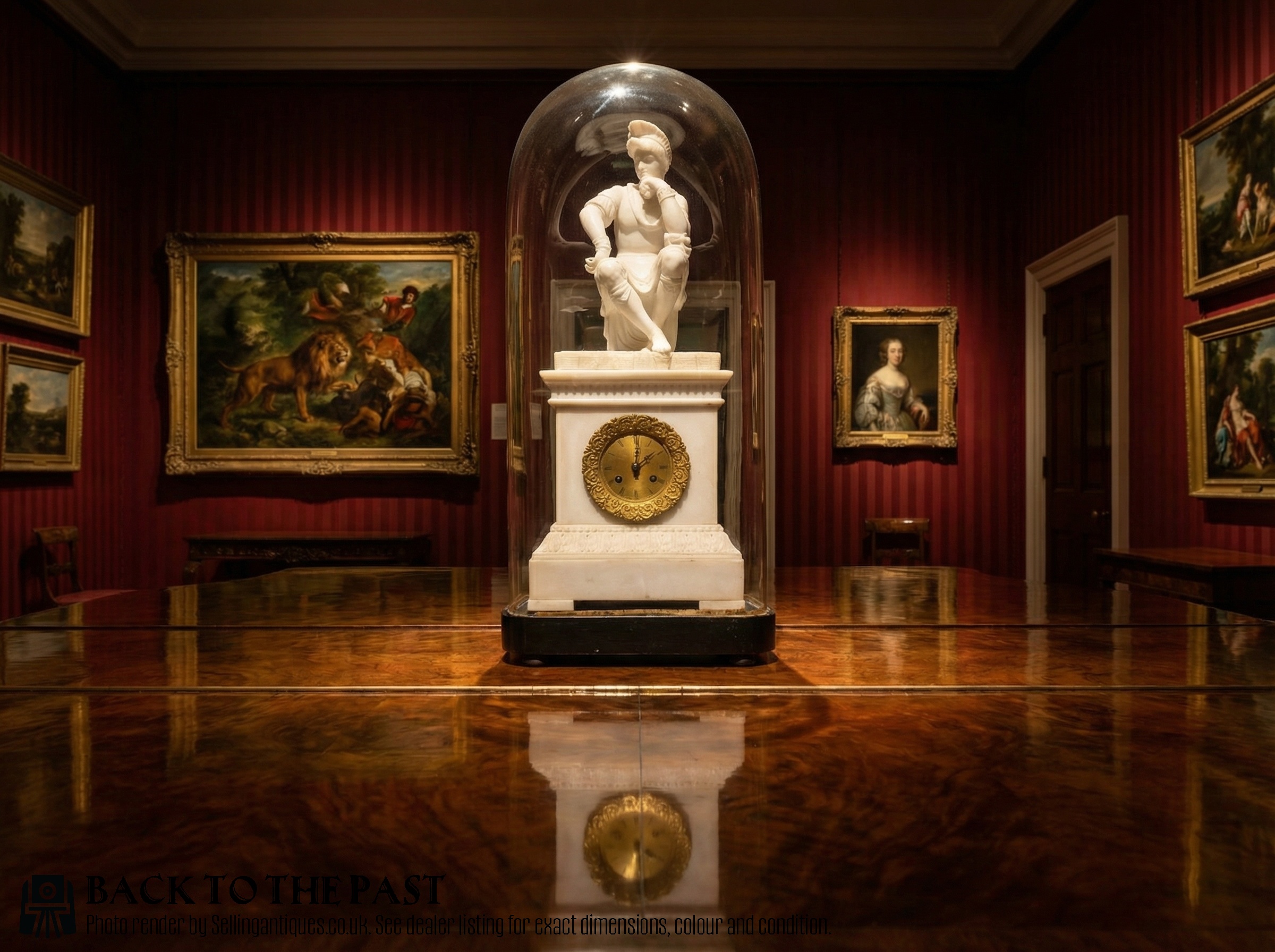
Maker construction combines metal casting with meticulous surface finishing, utilising patinated bronze alongside gilded ormolu. Cases incorporate marble, brass, and carved alabaster, frequently housing mechanical movements beneath glass domes.
Dials are commonly constructed from enamel with painted numerals, while structural elements draw on classical sculptural techniques. The integration of porcelain plaques, notably Sevres panels, occurs alongside heavy brass castings.
Retail Price Guide 2026
Typical UK retail prices for classical figure clock, calculated from the Sellingantiques database of over a million retail prices indexed since 2003. This retail price guide relies exclusively on Sellingantiques data; no external sources or auction records are used, so the figures do not describe the wider market.
Materials across these listings exclusively feature ormolu, patinated bronze, marble, brass, porcelain, and glass.
What varies in quality
Quality separates in the crispness of the bronze chasing and the depth of the ormolu gilding. Finer pieces demonstrate superior sculptural definition in the central figural groups and more substantial metal gauges across the case architecture.
The sophistication of the movement and the harmony between the sculptural subject and the clock housing dictate the standing of an individual piece. Lesser examples display simplified castings and less refined surface detailing.

Etienne Lenoir·Remond
The Classical Figure Clock Glossary
- Ormolu
- A technique of applying finely ground high-carat gold to an object of bronze, creating a rich golden finish. It protects the metal beneath while offering a brilliant decorative surface.
- Patinated Bronze
- Bronze that has been treated chemically or naturally to produce a rich surface colour ranging from deep brown to black. This finish highlights the sculptural contours of the figures.
- Fusee
- A conical pulley used in clock movements to maintain an equal pull as the mainspring unwinds. It ensures consistent timekeeping across the duration of the wind.
- Enamel
- A material made by fusing powdered glass to a metal substrate at high temperatures, typically used for clock dials. It provides a smooth, durable surface for painted numerals.
- Alabaster
- A fine-grained mineral stone used for carving decorative clock cases and decorative objects. Its translucent quality gives a soft appearance under light.
Frequently Asked Questions
What is a classical figure clock?
A classical figure clock is a mantel timepiece featuring cast bronze or patinated sculptural figures integrated into the case design. These items originate predominantly from nineteenth-century French workshops.
They combine timekeeping mechanics with decorative neoclassical sculpture, reflecting periods such as the Regency and Napoleon III eras.
How do I wind the clock?
Most of these clocks utilise an eight-day mechanical movement accessed through a glazed or open back door. A matching winding key is turned slowly into the arbour until resistance is felt.
Care must be taken not to overwind the mainspring, and hands should be adjusted gently according to the movement type.
Where should I place it?
These clocks are designed for stable horizontal surfaces such as mantelpieces, sideboards, or console tables. Because many feature heavy bronze and marble cases, a sturdy foundation is essential.
Protection from direct sunlight and sudden temperature changes helps preserve the enamel dials and delicate ormolu surfaces.
How do I identify the style?
Style identification relies on architectural motifs and figural attire referencing Louis XVI, French Empire, or neoclassical aesthetics. Ormolu mounts, urn finials, and mythological subjects point directly to these design roots.
Dates are often deduced from the casting quality, the composition of the dial, and the mechanical characteristics of the French movement.