


Restoration Period Clock
A restoration period clock brings architectural elegance and precision timekeeping into a room, combining rich metals and classic forms.

Restoration Period Clock
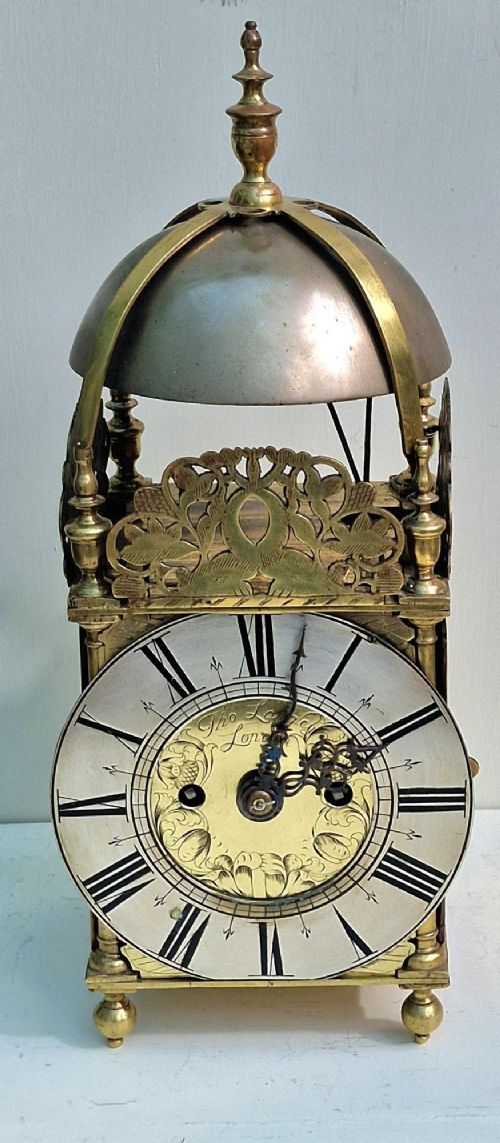
A restoration period clock encompasses sophisticated timepieces primarily originating from nineteenth century France alongside earlier English examples found in the selection. Buyers searching for a restoration period clock encounter striking mantel clocks, portico clocks, and bracket clocks featuring classical architectural motifs.
The objects span multiple eras including the nineteenth century and the seventeenth century, though French examples from the 1800s to 1830s dominate the offerings. These timepieces serve both as functional horological instruments and as decorative sculptural centrepieces for the interior.
How they were made
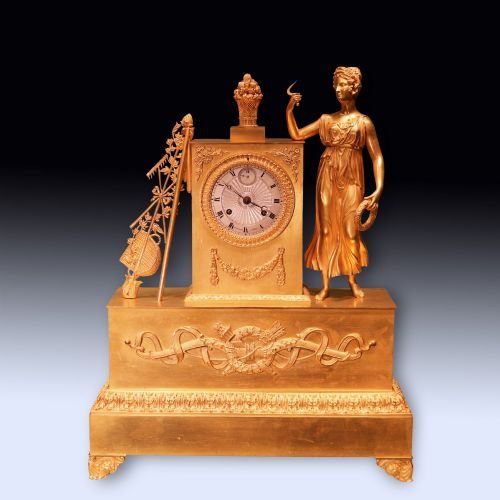
Makers utilised cast and chased ormolu, gilt bronze, and patinated bronze to form the sculptural bodies of these clocks. Ormolu mounts provide high-relief detail against darker bronze elements or polished wooden cases made from mahogany and ebony.
Dials frequently incorporate white enamel paired with delicate steel or brass hands, protected beneath glass panels. Marble elements, including rouge marble and white marble, provide substantial bases that anchor the heavy metalwork.
Restoration Period Clock Retail Price Guide 2026
Typical asking prices for restoration period clock among the pieces listed under this phrase on Sellingantiques today, from the lower quarter to the upper quarter. They describe what is for sale here now, not the wider market.
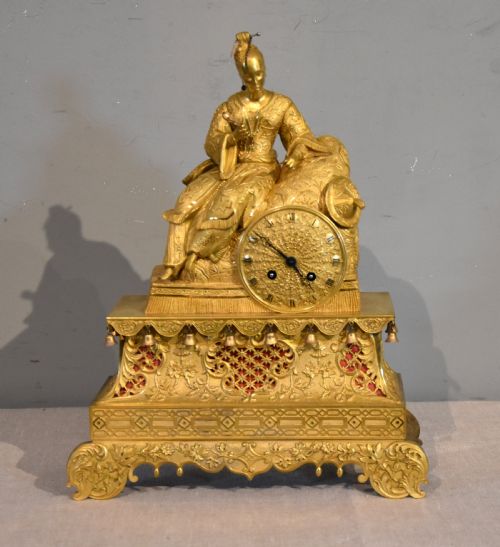
Makers occasionally indulged in the Turkish taste, ensuring that even a standard mantel clock could wear an exotic disguise.
What varies in quality
The finesse of the chasing on the ormolu and gilt bronze distinguishes superior examples from simpler productions. Sharp, deep detailing in the cast metalwork indicates skilled craftsmanship by prominent makers.
The choice of materials and the integration of architectural forms such as portico columns or figural elements dictate the overall sophistication of the piece. Superior clocks coordinate marble, metal, and enamel components with precise alignment and proportion.
Thomas Langley·Canaillor of Paris·William Speakman·Ravrio·Baltazart
The Restoration Period Clock Glossary
- Ormolu
- Gilded bronze produced by applying a mercury and gold amalgam to a bronze base and heating it. This technique creates a durable, rich golden surface finish found on many French mantel clocks.
- Portico clock
- A mantel clock featuring a distinct architectural case supported by four columns. This symmetrical form gained popularity during the early nineteenth century.
- Bracket clock
- A portable table clock originally designed to sit upon a wall bracket or a tabletop. Early English examples often feature a basket top design.
- Patinated bronze
- Bronze treated with chemical solutions to produce a darkened surface colour. This finish contrasts sharply with bright ormolu mountings.
- Enamel dial
- A clock face made by fusing powdered glass onto a metal plate at high temperatures. These smooth, glossy surfaces provide a crisp background for painted numerals.
Restoration Period Clock: Frequently Asked Questions
What is a portico clock?
A portico clock is a distinct type of mantel clock featuring an architectural case supported by columns. The pendulum often swings visibly within the central opening between the pillars.
These pieces emerged strongly in the early nineteenth century and rely on symmetry and classical proportions for their decorative appeal.
How do I identify French ormolu?
French ormolu consists of finely cast bronze coated in a gold amalgam through a high-heat process. It exhibits a warm, deep golden tone rather than the bright yellow shine of modern electroplate.
Under magnification, the surface reveals the subtle tool marks left by the chaser who refined the metal after casting.
Where should I place a mantel clock?
Mantel clocks function best on stable horizontal surfaces such as a fireplace mantel, a sideboard, or a heavy desk. Their weight, derived from bronze, marble, and brass components, requires sturdy support.
Keeping the clock away from damp areas and direct heat sources helps preserve the delicate enamel dials and gilded finishes.
How do early English bracket clocks differ from French models?
Early English bracket clocks, such as seventeenth-century examples in ebony, focus on architectural wooden cases with brass handle fittings and classical dial layouts. French models from later periods lean towards sculptural gilt bronze and figural ornamentation.
Both traditions represent the pinnacle of mechanical timekeeping for their respective eras.