






Silvered Chapter Ring Clock
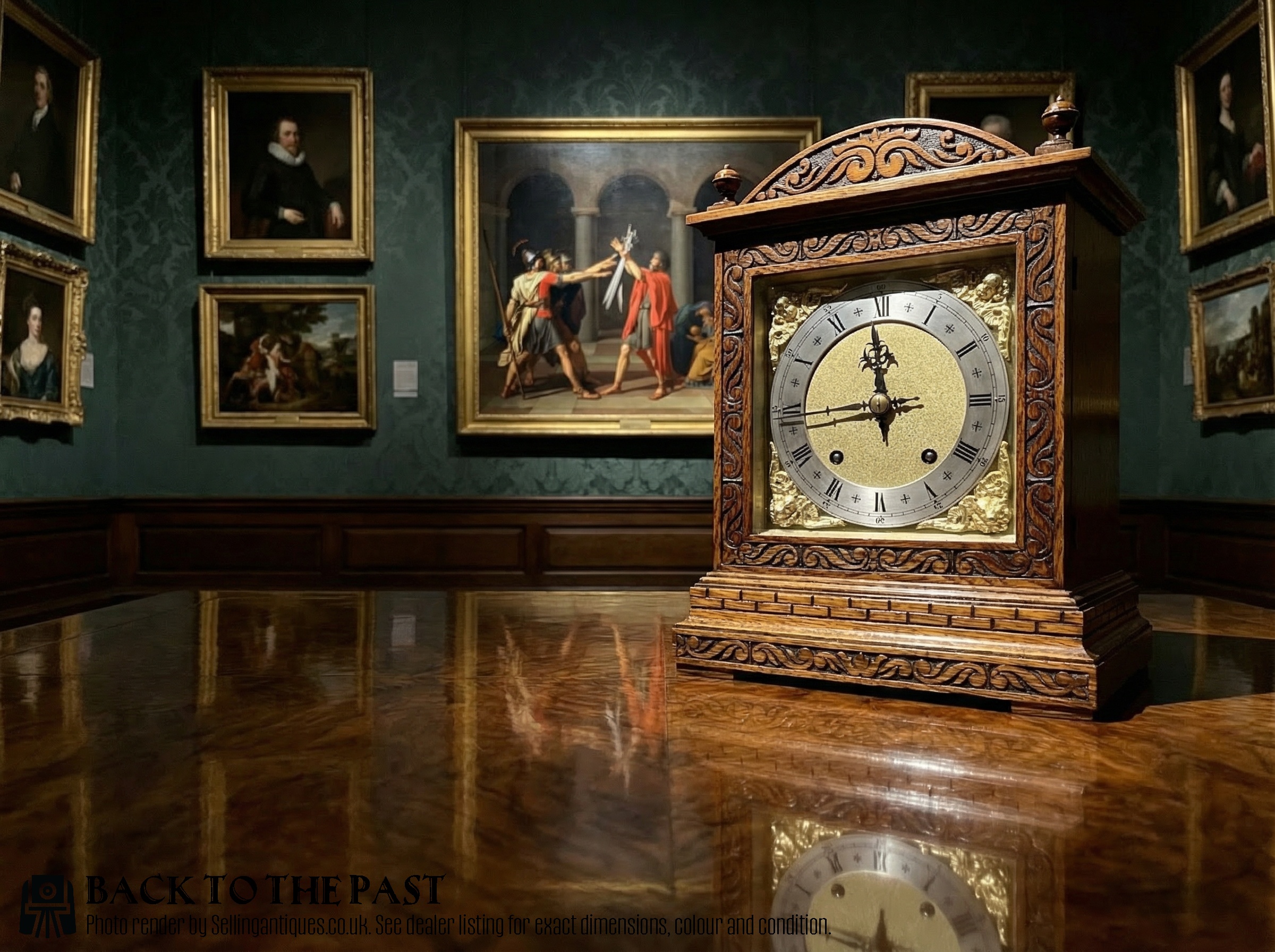
A silvered chapter ring clock brings mechanical timekeeping into focus through bright, legible brass numerals set against dark timber or polished metal.

Silvered Chapter Ring Clock
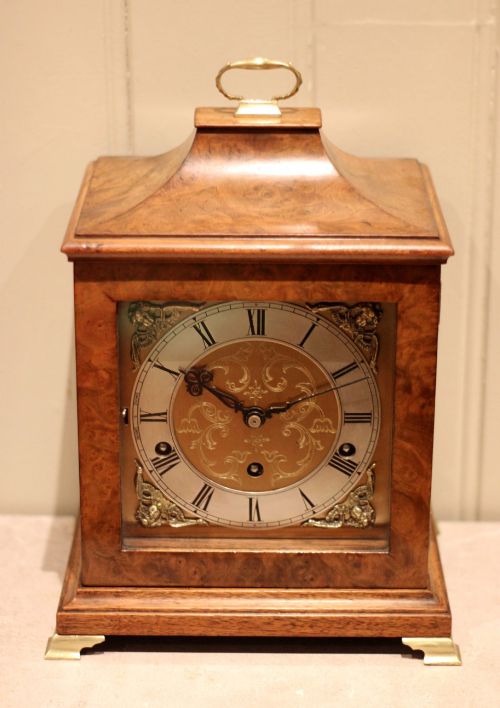
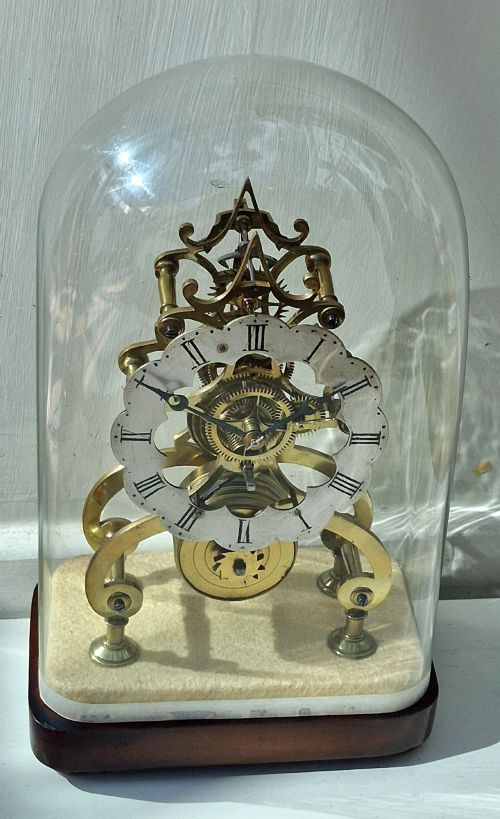
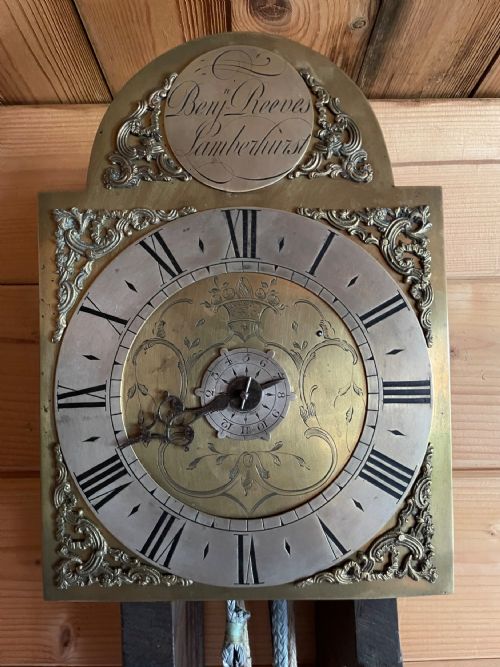
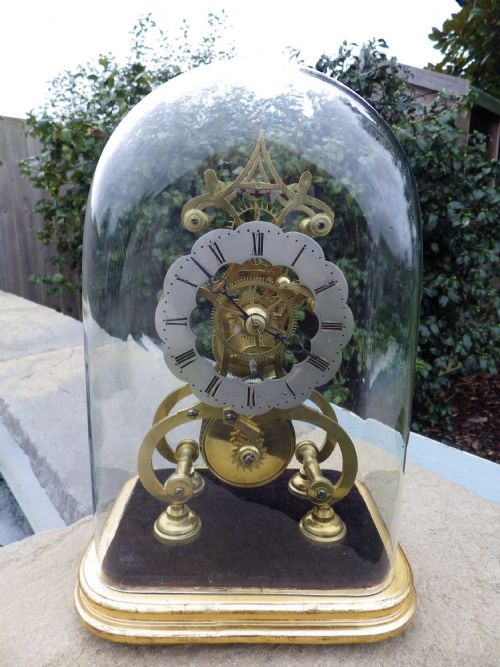
A silvered chapter ring clock centres on the metallic band displaying the hours, typically finished with a silver wash that contrasts sharply against the central dial. These timepieces appear across several distinct forms in the record, ranging from late seventeenth-century table clocks with ebony cases to Georgian longcase clocks and Victorian skeleton examples.
Buyers encounter bracket clocks, wall clocks, and longcase movements featuring these prominent metallic rings. The regional origins span London makers alongside provincial workshops, utilising both traditional brass dials and exposed wheelwork.
The aesthetic bridges domestic utility and fine metalwork, showing how horologists balanced legibility with decorative casework. Most examples draw from the seventeenth, eighteenth, and nineteenth centuries, reflecting shifts in British clockmaking from early lantern and bracket formats to later architectural and Gothic revival styles.
Evaluating quality and execution
The refinement of the engraving on the chapter ring and backplate separates standard production from exceptional workshop output. Crisp, deeply cut numerals and finely pierced brass hands indicate superior hand tool work by skilled artisans.
The integration of the case timber with the movement reveals the original tier of the clock. Selected grain patterns in ebony or mahogany, combined with robust brass carrying handles and clean subsidiary dials, distinguish the most accomplished survivals from simpler utility pieces.
Silvered Chapter Ring Clock Retail Price Guide 2026
Typical asking prices for silvered chapter ring clock among the pieces listed under this phrase on Sellingantiques today, from the lower quarter to the upper quarter. They describe what is for sale here now, not the wider market.
Some nineteenth-century skeleton clocks run for months under glass domes, faithfully ticking away while completely exposed to the passing dust.
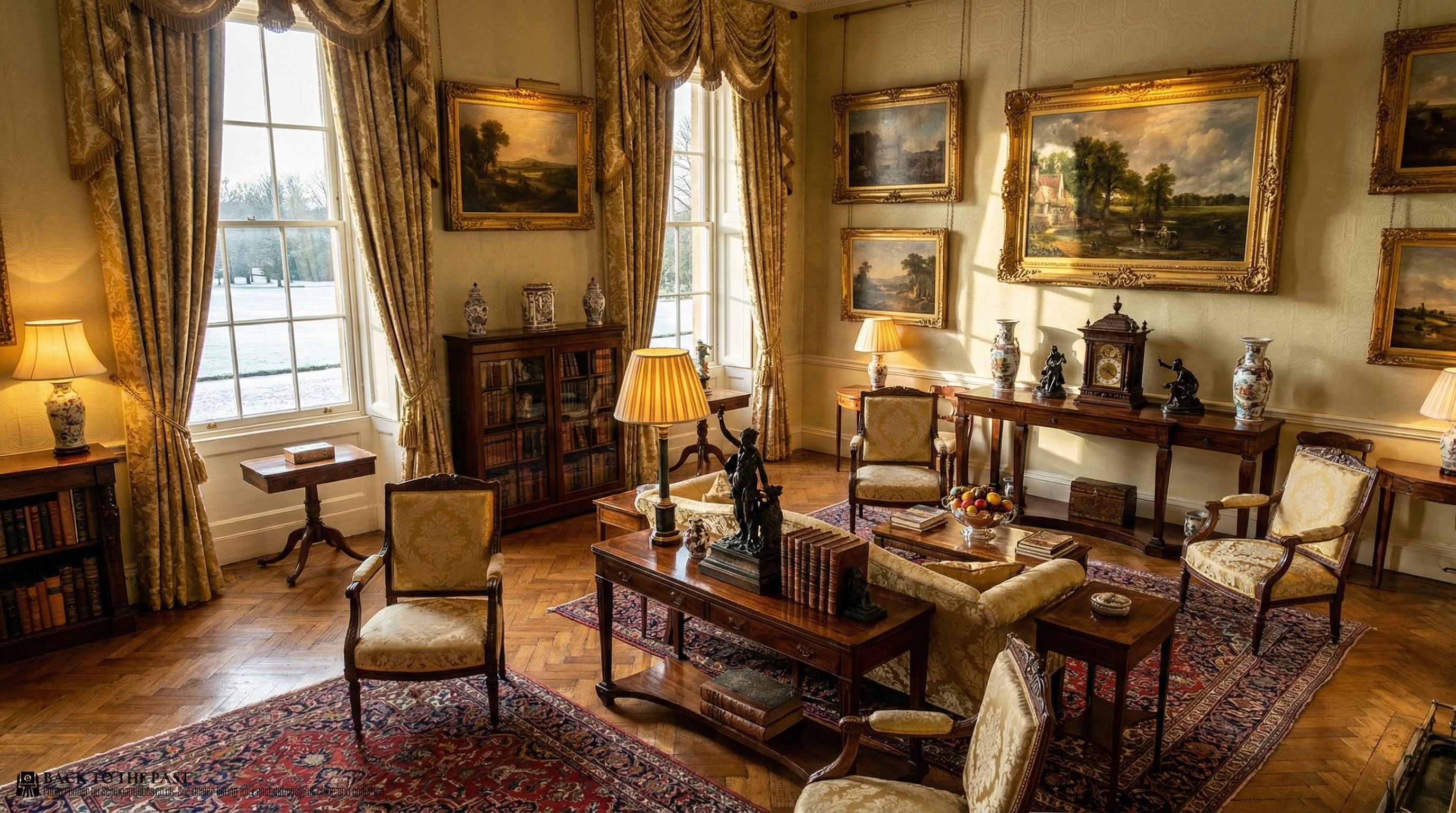
Mappin & Webb·Jonathon Lowndes·Thwaites of London·John Pepys London·William Speakman·Benj Reeves Lamberhurst·Winterhalder & Hofmeier·Standring of Bolton·Joseph Lum·Thomas King of Alnwick
The Silvered Chapter Ring Clock Glossary
- Chapter ring
- The metallic outer circle on a clock dial that displays the hour numerals. It is frequently silvered to create contrast against a brass ground.
- Fusee
- A conical pulley used in spring-driven clocks to maintain equal force on the gear train as the mainspring unwinds. This mechanism improves timekeeping accuracy across the power reserve.
- Bracket clock
- A portable spring-driven clock designed to sit on a table, shelf, or dedicated bracket. Early versions frequently feature basket-style wooden tops and brass carrying handles.
- Skeleton clock
- A timepiece with an open framework designed to expose the gear trains and movement plates to view. These are often displayed beneath a protective glass dome.
- Lantern clock
- An early form of brass wall clock driven by weights, featuring corner pillars and a bell mounted on top. They represent some of the earliest domestic mechanical clocks in Britain.
Silvered Chapter Ring Clock: Frequently Asked Questions
How do I wind an old clock?
Winding requires a matching key inserted into the winding square on the dial face, turning it gently until resistance stops the motion. Care must be taken not to overwind the mainspring.
Most mechanical movements require a steady hand and a regular weekly schedule to maintain proper tension and timekeeping consistency.
Where should I place a bracket clock?
Bracket clocks need a stable, level surface away from direct sunlight, drafts, and heavy vibrations from doors or footsteps. Placing them on a sturdy sideboard or dedicated wall bracket ensures the pendulum or balance wheel swings evenly.
Maintaining a stable room temperature also protects the timber case and delicate internal brass components from expansion.
What is a fusee movement?
A fusee movement uses a conical pulley connected to the mainspring by a cord or chain to equalise the driving force as the spring relaxes. This clever mechanical device ensures the clock delivers consistent power to the escapement from a full wind to empty.
Invented centuries ago, it remains a hallmark of better-quality British portable clocks.