

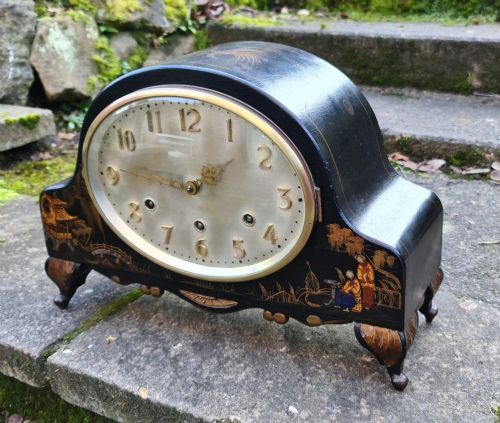
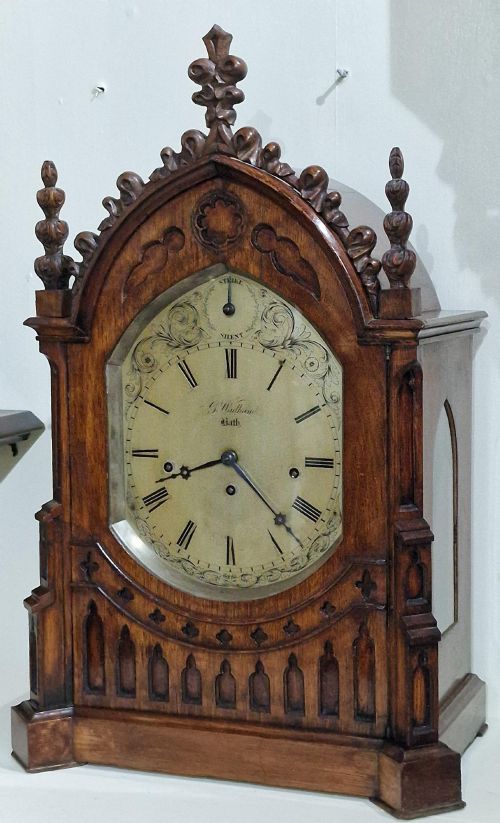
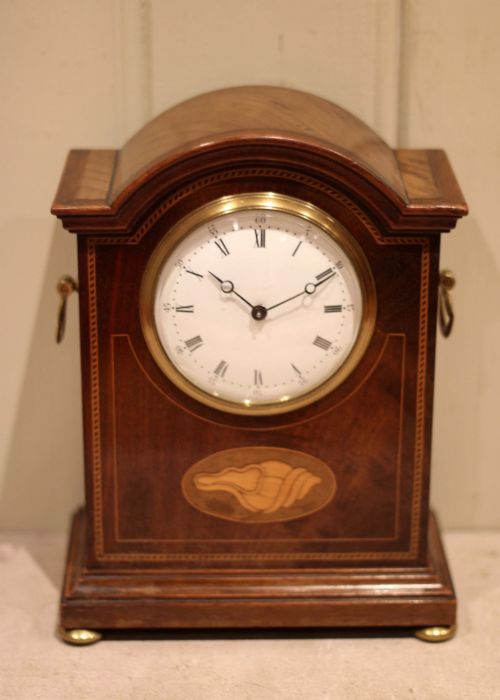
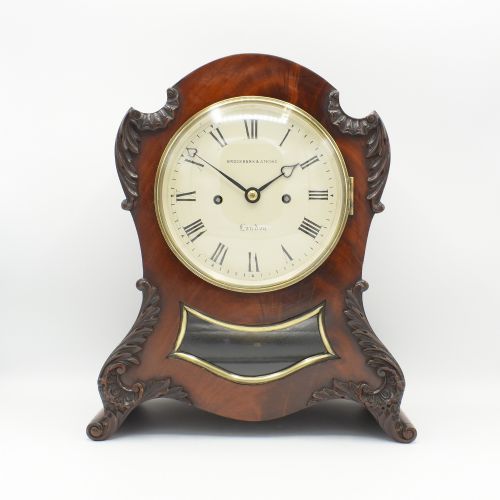
Mechanical Table Clock
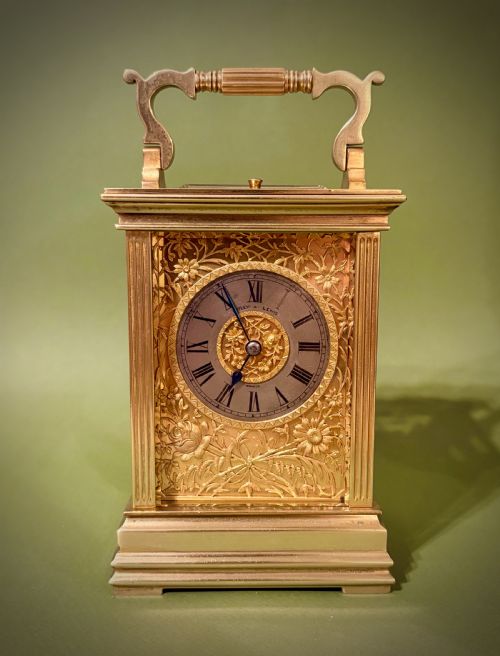
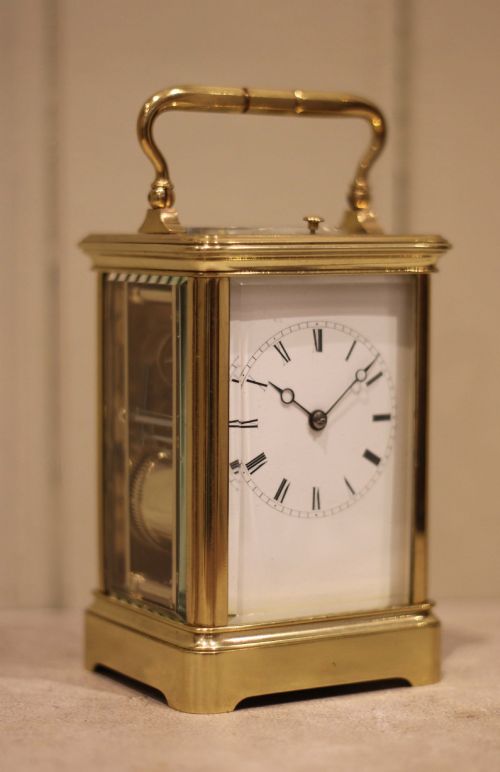
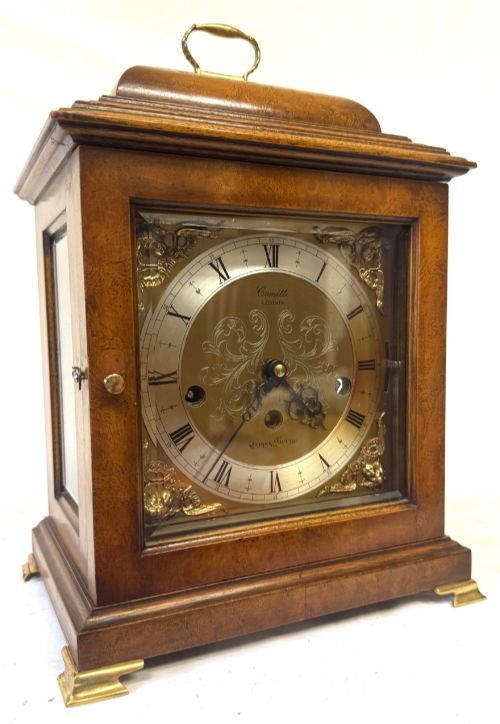
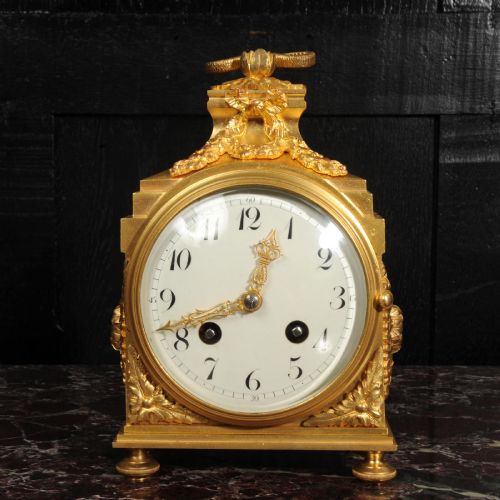
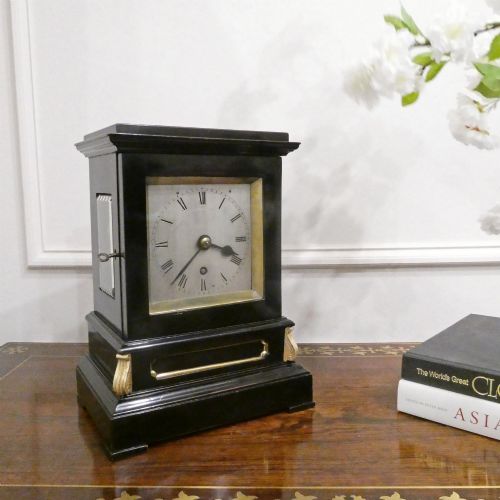
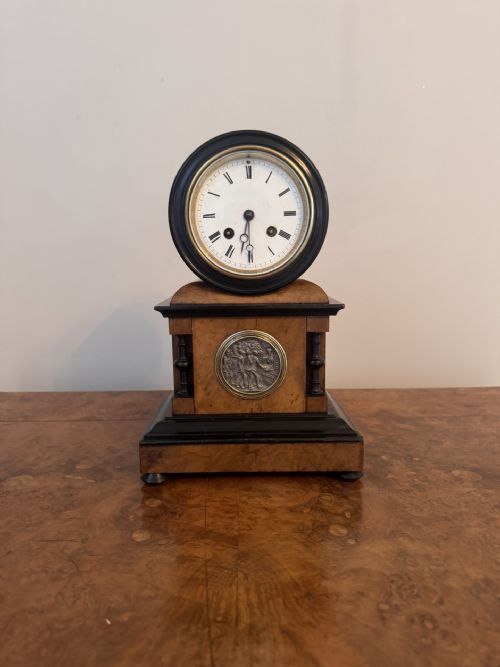
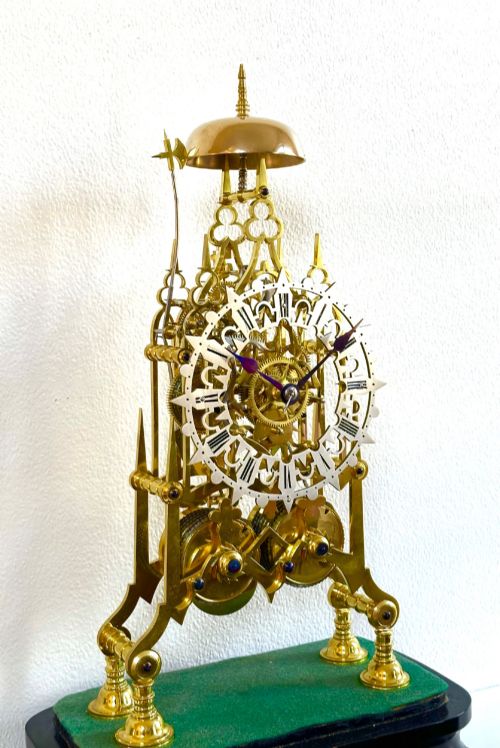
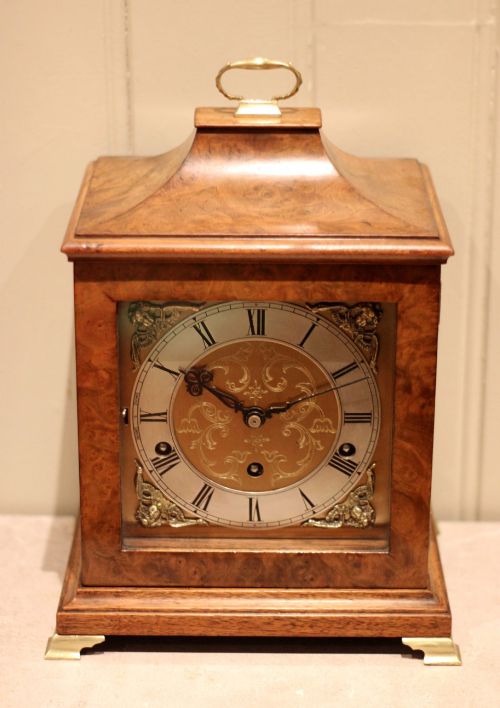
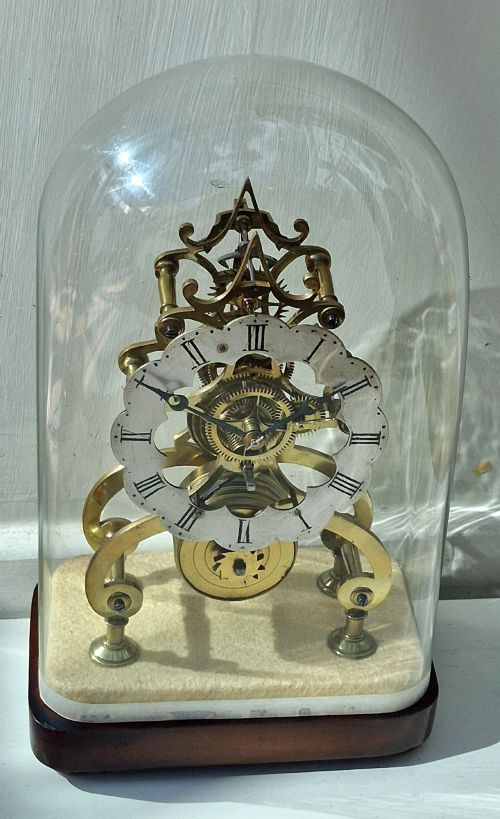
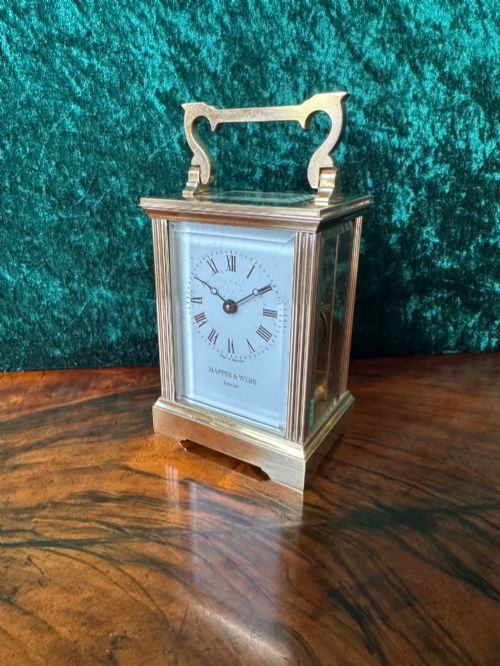
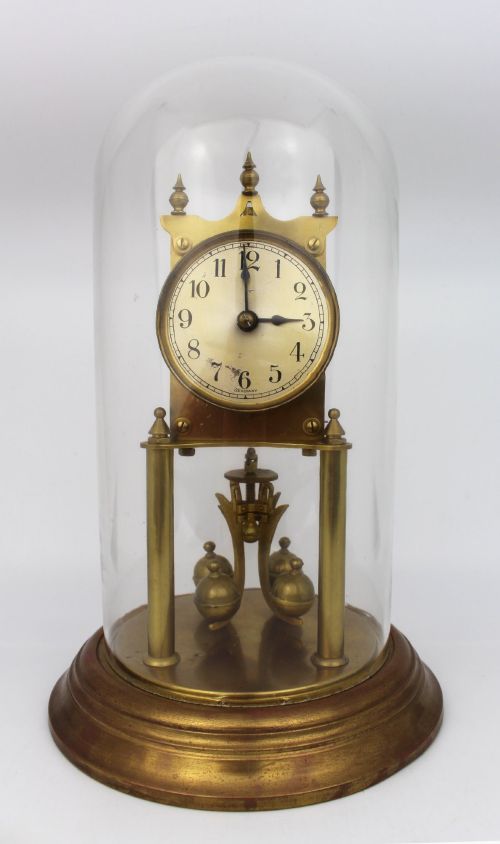
These mechanical table clock examples range from Victorian Gothic skeleton designs to mid-century Swiss Atmos movements, offering both precision engineering and striking desk or mantel presence.
What these mechanical table clock pieces are
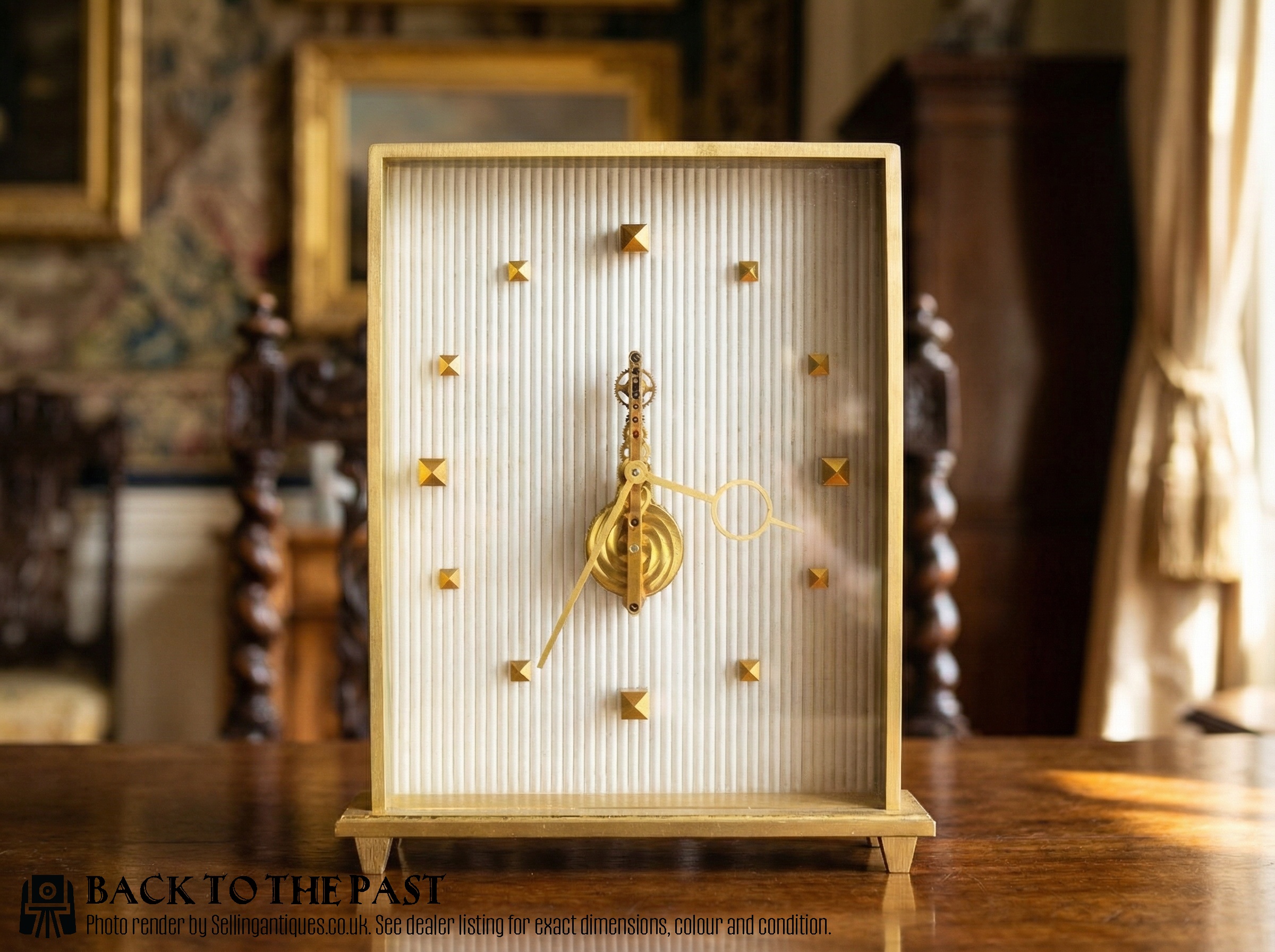
When you search for a mechanical table clock, you are looking at timepieces designed to sit on surfaces rather than hang on walls. The examples span from the Victorian period through to the mid-twentieth century.
The selection includes miniature Victorian Gothic skeleton clocks alongside traditional lantern clocks and Swiss Atmos movements. These items function as both practical timekeepers and decorative objects for the home.
How they were made
Makers utilise brass, steel, glass, and wood to construct the cases and internal gear trains. Some twentieth-century models feature rhodium plating over metal components.
Details such as velvet lining and quarter striking mechanisms on multiple bells demonstrate the traditional craftsmanship involved in housing these delicate movements.
Retail Price Guide 2026
Typical UK retail prices for mechanical table clock, calculated from the Sellingantiques database of over a million retail prices indexed since 2003. This retail price guide relies exclusively on Sellingantiques data; no external sources or auction records are used, so the figures do not describe the wider market.
The listings on this site span materials including brass, glass, wood, steel, velvet, metal, and rhodium.
What varies in quality
The sophistication of the movement largely dictates the standard of a mechanical table clock, ranging from simple timepieces to quarter striking mechanisms on twin bells. Complexity in skeleton designs exposes the gear train and finishing of individual brass components.
Material choice and finishing also separate the output, from standard brass and wood cases to rhodium-plated Swiss mechanisms and intricate Gothic architectural framing.
Peerless Mathias Bauerle·Jaeger LeCoultre
The Mechanical Table Clock Glossary
- Skeleton clock
- A timepiece with an open framework that exposes the gear train and movement to view. This design became popular during the Victorian period.
- Lantern clock
- An early form of domestic brass clock, typically driven by weights or springs and enclosed within a square brass frame.
- Atmos clock
- A mechanical timepiece manufactured by Jaeger-LeCoultre that is driven by temperature and atmospheric pressure changes in the environment.
- Striking mechanism
- The internal gear train that causes a clock to sound the hours or quarters on bells or gongs.
Frequently Asked Questions
How do Atmos clocks work?
Atmos clocks operate by means of a hermetically sealed capsule containing a gas and liquid mixture that expands and contracts with temperature changes.
This continuous expansion winds the mainspring without requiring human intervention or batteries.
Where should I place a table clock?
Mechanical table clocks suit stable surfaces such as mantelpieces, desks, or bookcases away from direct drafts and sunlight.
Level placement ensures the pendulum or balance wheel beats evenly for accurate timekeeping.
How do I date these clocks?
Dating relies on stylistic clues such as Victorian Gothic architectural details or mid-century modernist forms alongside maker signatures.
Materials like rhodium plating point to mid-twentieth-century production, whereas brass lantern formats suggest earlier traditional manufacturing.