
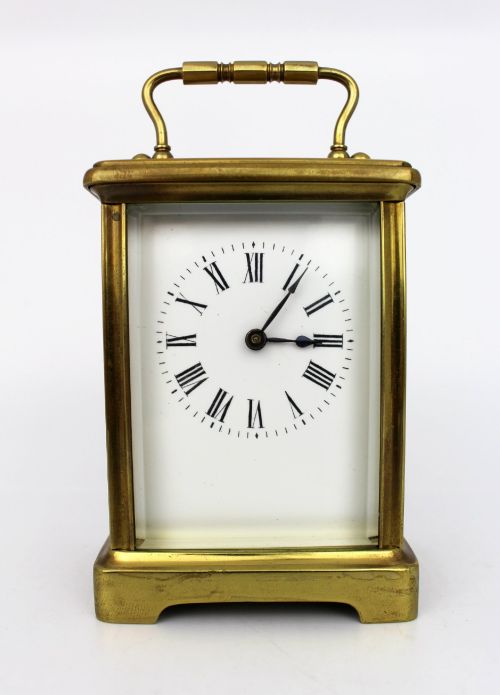
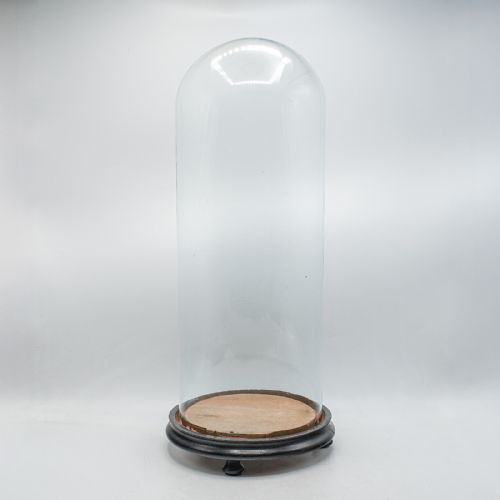


Glass Case Clock
When you seek a glass case clock, you uncover precision timepieces housed in transparent enclosures that showcase intricate internal mechanics.
What they are
A glass case clock encompasses both elegant nineteenth-century mantel models and mid-century perpetual motion designs. Buyers meeting these pieces on this page frequently encounter French four-glass mantel variations alongside sophisticated Swiss Atmos timepieces.
The selection extends from intricate skeleton movements to traditional mantel clocks framed in brass, gilt brass, and various timber housings. These objects function simultaneously as reliable timekeepers and transparent displays of horological engineering.
How they were made
Maker workshops utilised robust materials including brass, rhodium plating, gilt brass, steel, and heavy glass panes to construct protective yet fully visible enclosures. Movements incorporated specialised jewelled components, such as fifteen jewel configurations, to reduce friction.
Artisans combined metal casting with precision glass-cutting techniques to fit transparent panels snugly into structural frames. Dials featured enamel work and distinct numerals, paired with specialised mechanisms like perpetual motion systems driven by atmospheric pressure changes.
Retail Price Guide 2026
Typical UK retail prices for glass case clock, calculated from the Sellingantiques database of over a million retail prices indexed since 2003. This retail price guide relies exclusively on Sellingantiques data; no external sources or auction records are used, so the figures do not describe the wider market.
Materials recorded across these timepieces include solid brass, rhodium, enamel, gold gilt, steel, and heavy clear glass.
What varies in quality
The refinement of a glass case clock depends upon the sophistication of its internal movement and the purity of its housing materials. Heavy rhodium plating and intricate skeleton designs indicate higher workshop ambition than standard mass-produced brass frames.
Finish details on dials, bezel construction, and the clarity of the surrounding glass panels distinguish exceptional examples from simpler iterations. Originality of components and the preservation of mechanical integrity dictate the standing of individual pieces.
Jaeger Le Coultre·Francis Correll·John Douglass
The Glass Case Clock Glossary
- Atmos clock
- A mechanical mantel clock created by Jaeger-LeCoultre that runs using changes in atmospheric temperature and pressure, eliminating the need for manual winding. This ingenious mechanism winds itself continuously through subtle environmental shifts.
- Gorge case
- A distinct architectural brass or gilt-brass housing style featuring stepped top mouldings commonly found on French mantel clocks. It provides a robust structural framework for supporting multiple glass inspection panels.
- Four glass clock
- A mantel timepiece encased in glass panes on the front, back, and both sides to offer an unobstructed view of the movement. This design allows light to pass through the entire housing, illuminating the pendulum and gears.
- Skeleton timepiece
- A clock designed with an open framework that exposes the gear train and escapement without traditional dial plates obscuring the interior. Collectors value this layout for revealing the direct interaction of every wheel and pinion.
- Fusee
- A conical pulley used in mechanical clocks to maintain an equalized pull on the gear train as the mainspring unwinds. It ensures consistent torque and steady timekeeping accuracy throughout the power reserve.
Frequently Asked Questions
What is an Atmos clock?
An Atmos clock is a remarkable timepiece that operates entirely without batteries or manual winding. It relies on a hermetically sealed capsule containing a gas-and-liquid mixture that expands and contracts with minor temperature variations.
This continuous expansion winds the mainspring automatically. Consequently, the clock requires virtually no human intervention to maintain perpetual operation over decades.
How do four-glass clocks work?
Four-glass clocks utilise transparent panels on every side to protect the delicate movement from dust while maximising visibility. The brass or gilt framework supports heavy bevelled glass plates that surround the pendulum and dial.
This open arrangement permits light to illuminate the inner mechanics from multiple angles. Viewers can observe the slow swing of the pendulum and the movement of the gear trains directly.
Where should I place a glass clock?
These timepieces require a stable, level surface away from direct sunlight, heavy vibrations, and sudden temperature fluctuations. Mantelpieces, sturdy sideboards, and dedicated display cabinets offer secure platforms for housing transparent enclosures safely.
Atmos models especially need stable stationary placement to function without disrupting their sensitive internal power generation. Proper positioning prevents unnecessary wear on delicate pivots and suspension springs.
How do I identify the period?
Dating relies on examining stylistic cues in the metalwork, dial typography, and manufacturing techniques used within the housing. Nineteenth-century examples often display ornate cast brass frames and traditional mercury or gridiron pendulums.
Mid-century pieces incorporate cleaner geometric lines, rhodium finishes, and minimalist dials. Comparing movement signatures and patent marks helps pinpoint the exact era of production.