


Vintage Swiss Clock
When you want a vintage swiss clock, you are choosing precision engineering housed in brass, gilt metal or mahogany for your desk, wall or mantel.
Vintage Swiss Clock
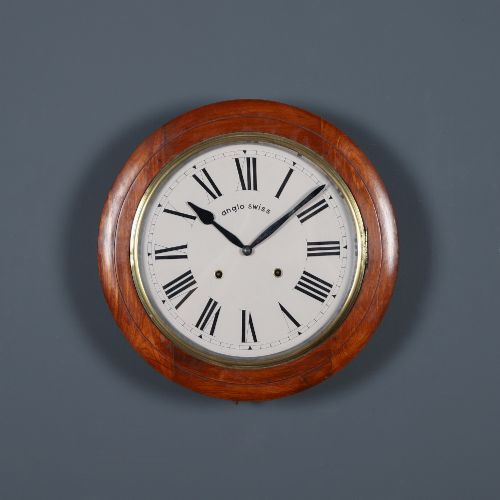
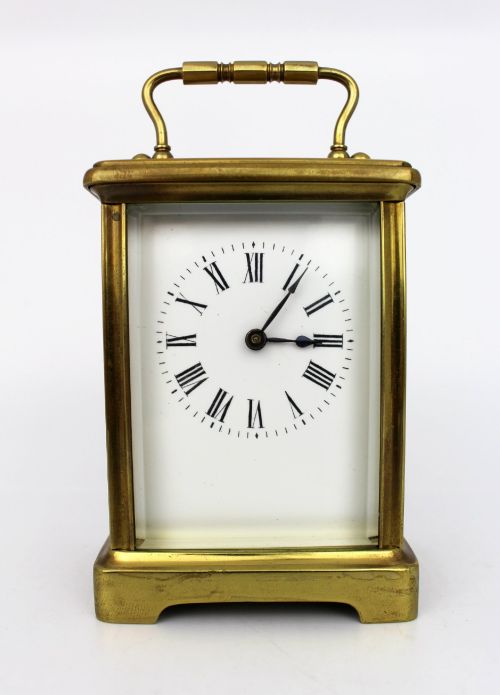
A vintage swiss clock encompasses a diverse array of timepieces ranging from railway station wall clocks and leather-cased travel items to ornate gilt carriage clocks and perpetual motion mantel pieces. These objects reflect various aesthetics including Victorian, Art Deco and Mid-Century Modern designs spanning multiple decades.
Buyers will most frequently encounter desk clocks, mantel clocks and miniature travel timepieces produced by notable makers. Many examples integrate mechanical movements driven by eight-day mechanisms, alarms or complex complications.
The materials span traditional wood housings such as mahogany to metallic constructions featuring gilt brass, rhodium plating and chrome finishes. Enamel dials and glass panels frequently protect the inner workings of these horological instruments.
How They Were Made
Maker workshops utilised durable metals including brass, gilt brass, chrome and rhodium plating to construct robust cases and intricate internal gear trains. Leather travel cases were also fashioned to protect portable instruments during transit.
Enamel dials, champlevé decoration and glass glazing added decorative and protective elements to both miniature strut clocks and larger mantelpieces. Wood artisans shaped mahogany and elm to form housing bodies for wall and station clocks.
Vintage Swiss Clock Retail Price Guide 2026
Typical asking prices for vintage swiss clock among the pieces listed under this phrase on Sellingantiques today, from the lower quarter to the upper quarter. They describe what is for sale here now, not the wider market.
Listings feature items spanning the nineteenth century through the 1960s, incorporating brass, rhodium, glass and mahogany.
What Varies in Quality
The calibre of craftsmanship shows in the complexity of the movement, such as the inclusion of multiple jewels, perpetual motion systems or grande sonnerie striking complications. Simpler timepieces contrast with elaborately jewelled or chiming mechanisms.
Materials and external ornamentation dictate the tier of the piece, distinguishing standard brass frames from those enhanced with champlevé enamel, solid gold or fine rhodium plating. Original protective boxes and leather travel cases further elevate the standing of surviving items.
Harrods of London·Imhof·Zenith·Asprey·J. F. Bautte Et Cie·Luxor·Van Cleef And Arpels·Jaeger LeCoultre
The Vintage Swiss Clock Glossary
- Carriage clock
- A portable spring-driven clock designed for travellers, typically featuring a rectangular brass case with glass panels and a swing handle. These originated in the nineteenth century and often included alarm or striking functions.
- Atmos clock
- A mechanical timepiece manufactured by Jaeger-LeCoultre that is powered by subtle temperature fluctuations in the ambient air. This clever mechanism eliminates the need for manual winding.
- Strut clock
- A desk or table timepiece supported by a hinged prop or leg attached to the rear of the case. They often feature enamel or precious metal mounts.
- Jewels
- Synthetic rubies or sapphires used as bearing surfaces within a clock movement to reduce friction and wear on moving pivots. Higher jewel counts indicate more complex horological assemblies.
- Grande sonnerie
- A sophisticated striking mechanism that sounds the hours and quarters automatically on bells or gongs as time passes. It represents a pinnacle of mechanical clockmaking.
Vintage Swiss Clock: Frequently Asked Questions
How do Atmos clocks wind themselves?
An Atmos clock operates using a hermetically sealed capsule containing a gas and liquid mixture that expands and contracts with minor temperature changes. This continuous motion winds the mainspring without human intervention.
Because the energy requirement is remarkably low, the mechanism avoids standard manual winding entirely while maintaining steady operation over many decades.
Where were carriage clocks originally used?
Carriage clocks were originally built for affluent travellers journeying by horse-drawn carriage or early railways. Their compact size and protective leather cases allowed owners to transport accurate time safely.
Over time, these portable timepieces transitioned from travel companions to decorative mantel and desk ornaments in homes and offices.
What is a jewelled clock movement?
A jewelled movement incorporates small synthetic gemstones at high-friction pivot points within the gear train. These stones provide smooth surfaces for metal axles to turn against.
Movements featuring more jewels generally indicate higher mechanical complexity and precision engineering standards applied by the maker.