

Gold Desk Clock
A gold desk clock brings nineteenth-century precision and gilt elegance to a study, uniting brass, ormolu, and porcelain in a functional centrepiece.
Gold Desk Clock
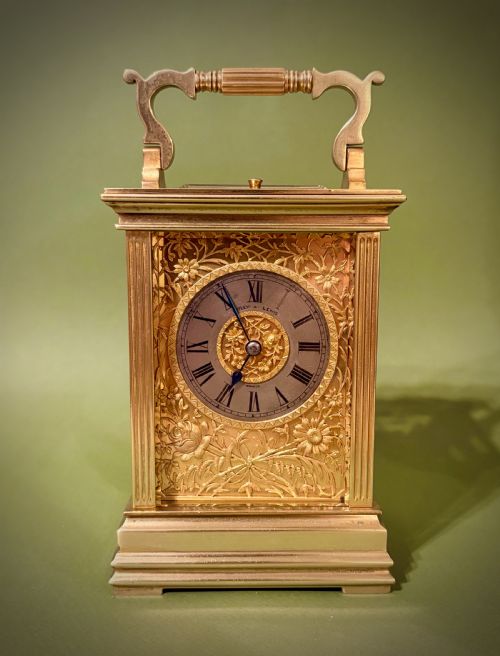
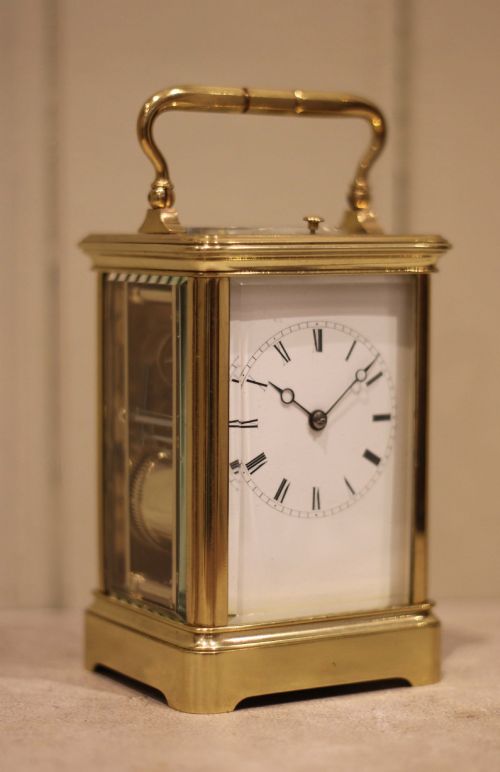
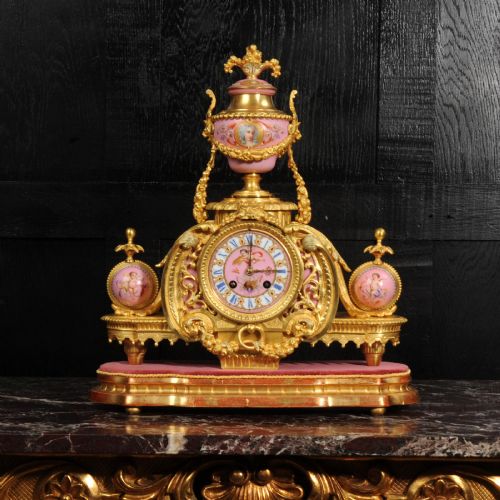
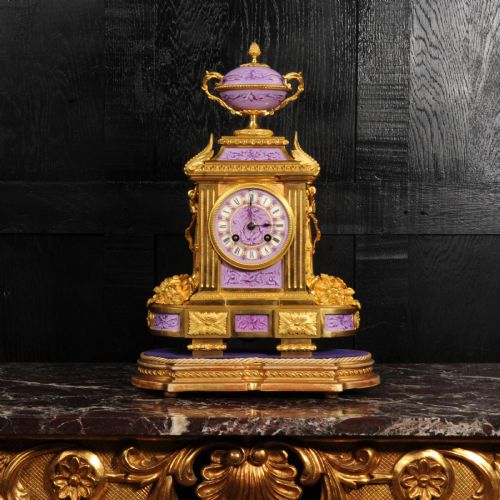
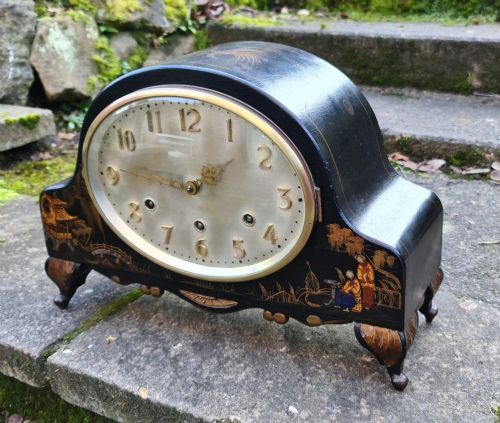
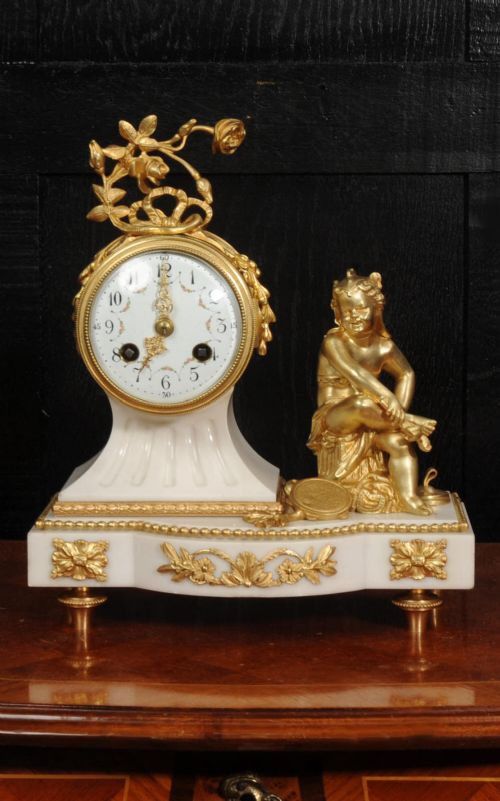
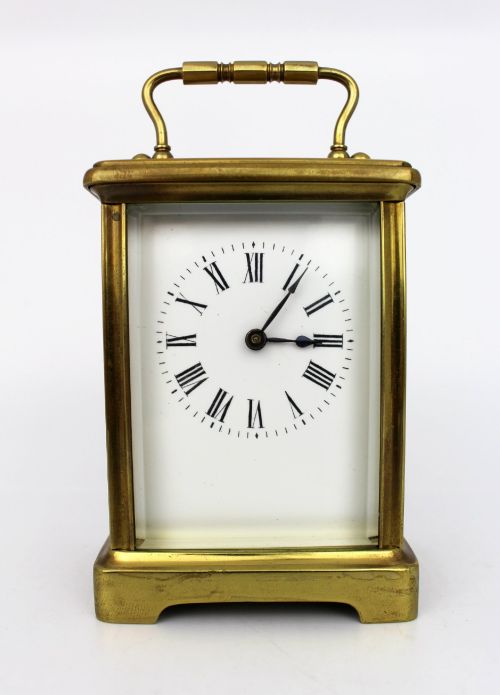
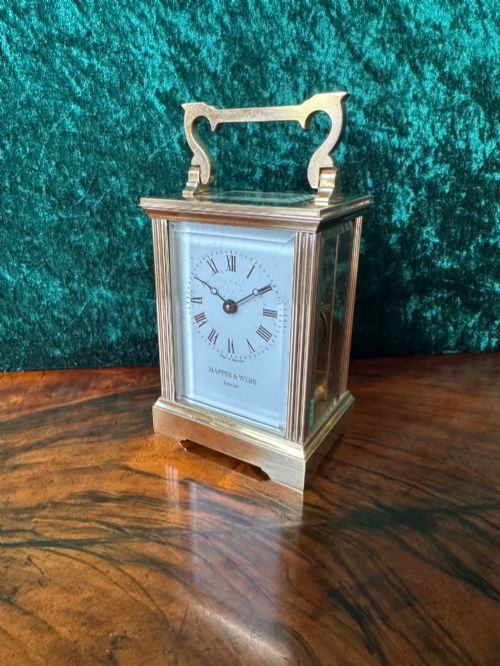
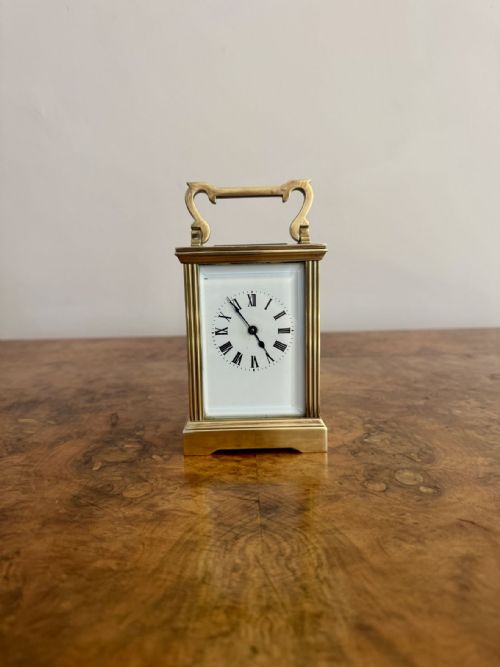
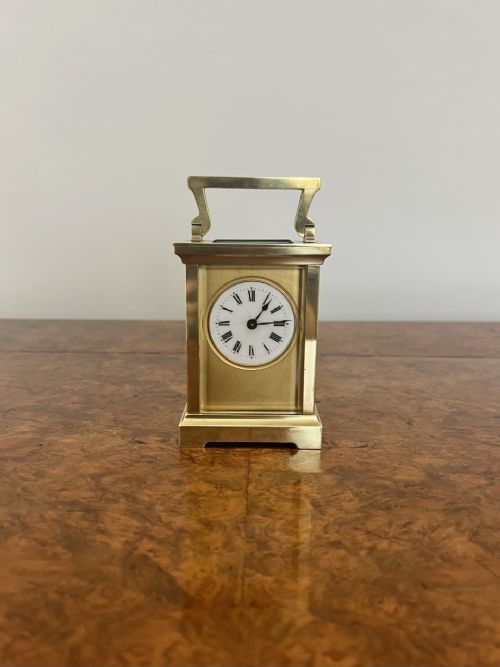
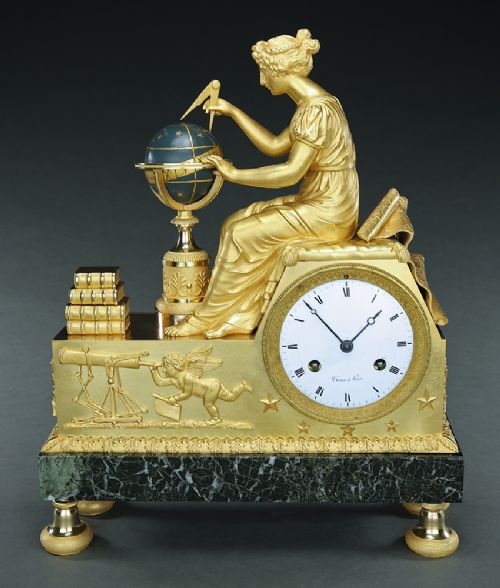
When you search for a gold desk clock, you encounter a selection of nineteenth-century carriage clocks, mantel pieces, and timepieces spanning the Victorian and Edwardian eras. These objects range from miniature engraved brass carriage clocks with travel cases to large ormolu and porcelain mantel clocks housed in gorge or doucine cases.
The pieces appearing in these listings originate predominantly from French and English workshops, with nineteenth-century French makers providing many of the ormolu, gilt bronze, and champlevé examples. You will frequently meet carriage clocks and striking mantel clocks dating from eighteen-eighty to nineteen-hundred, designed for both travel and domestic display.
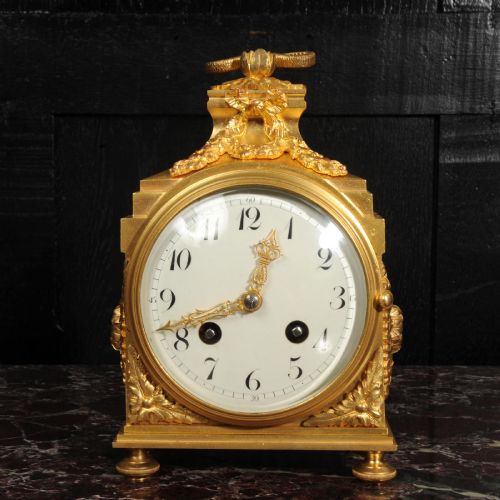
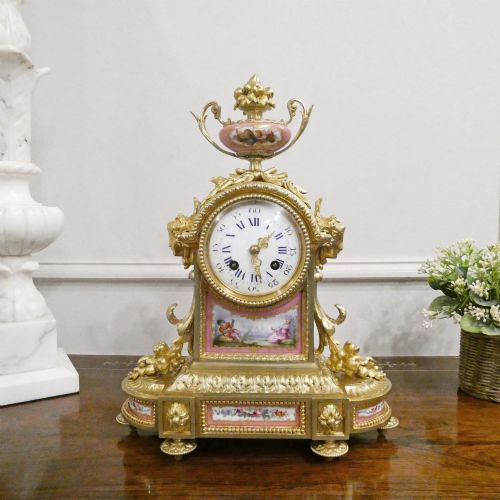
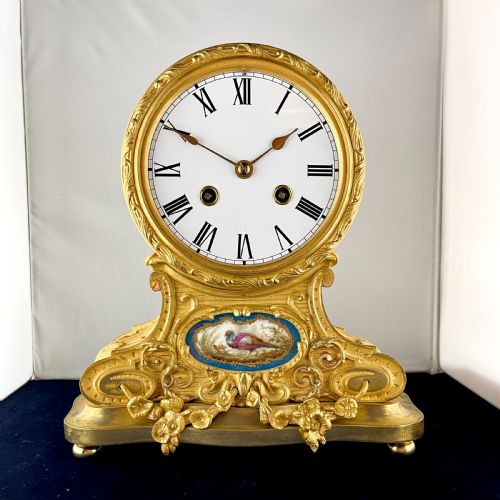
Forms vary from drumhead desk clocks and four-glass cases to figural mantel clocks and portable timepieces featuring Swiss or French movements. Whether mounted with Sèvres porcelain or framed in engraved gilt brass, each object serves as a functional timekeeper defined by period craftsmanship.
Materials and construction
Makers utilised brass, gilt bronze, and ormolu as the primary structural and decorative metals, casting and fire-gilding them to achieve a lasting golden lustre. Many examples incorporate glass panels, bevelled to reveal the mechanical movement within, or feature champlevé enamel borders.
Porcelain plaques, often painted with pastoral or floral scenes, are integrated into the cases of mantel and carriage clocks, particularly in French designs. Dials frequently employ white enamel with delicate painted numerals, paired with finely pierced hands driven by eight-day movements.
Gold Desk Clock Retail Price Guide 2026
Typical asking prices for gold desk clock among the pieces listed under this phrase on Sellingantiques today, from the lower quarter to the upper quarter. They describe what is for sale here now, not the wider market.
Quality and execution
The distinction between standard production and the finest work lies in the depth of hand-engraving on the brass cases and the crispness of the ormolu casting. Superior pieces display finely detailed figural mounts, robust repeater mechanisms, and fully engraved dial masks rather than plain stamped plates.
The integration of materials also dictates the standing of a piece, where hand-painted porcelain panels and fire-gilded surfaces retain their richness over time. Movements signed by established makers or incorporating complex striking and chiming functions represent the upper tier of period production.
Achille Brocot·Japy Freres·Mappin and Web·Drocourt Paris·Le Roy Paris
The Gold Desk Clock Glossary
- Ormolu
- Gilded bronze, produced by applying a mixture of gold and mercury to a bronze base and heating it. This technique creates a durable golden finish characteristic of nineteenth-century French clocks.
- Carriage clock
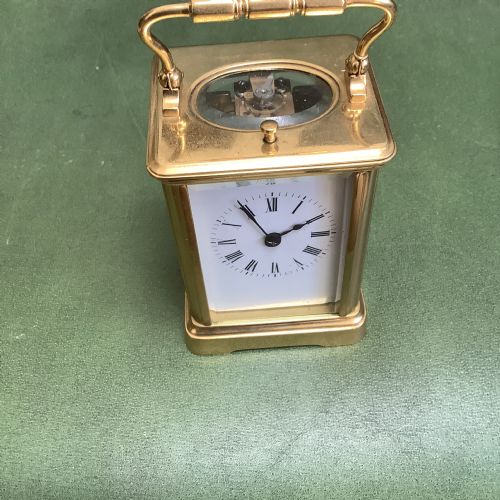
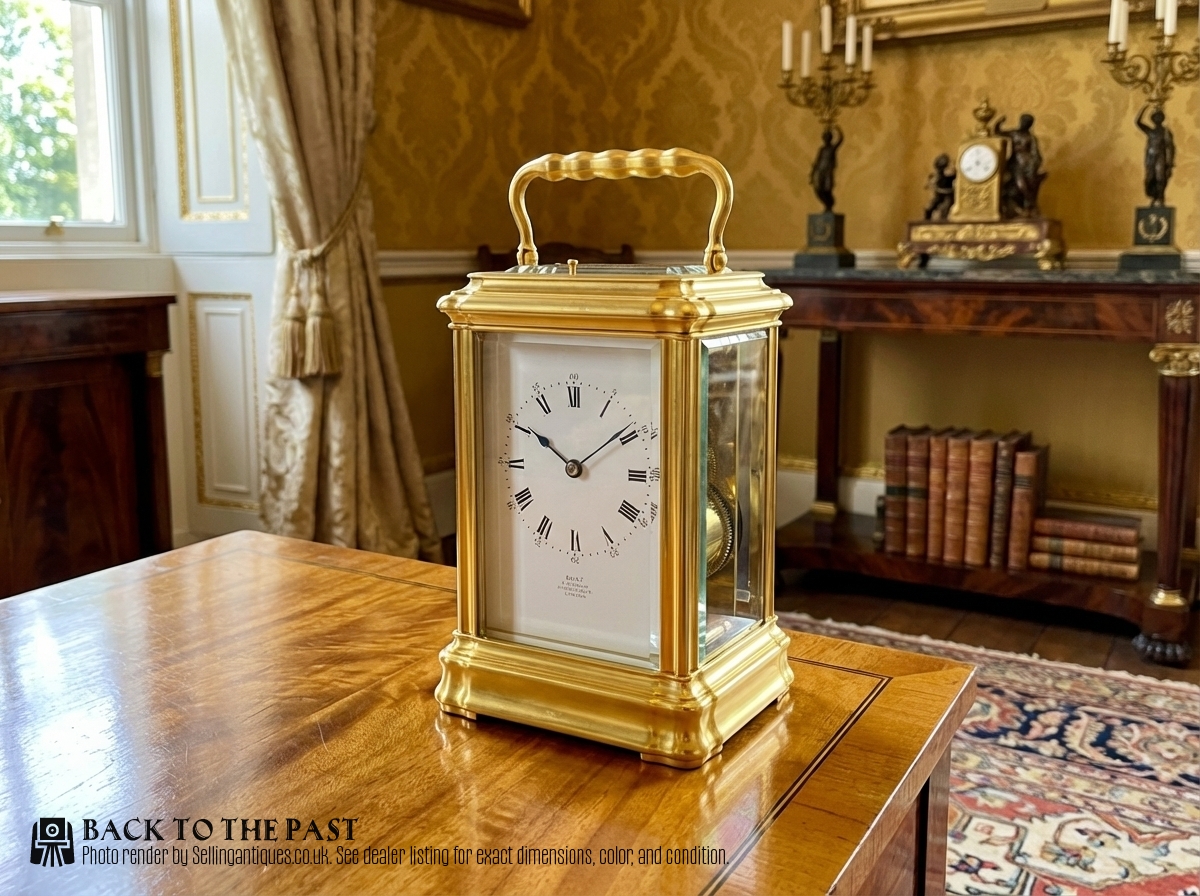
- A small, portable spring-driven timepiece designed for travellers during the nineteenth century. These clocks typically feature a rectangular brass case with glass panels and a folding handle on top.
- Champlevé
- An enamelling technique where troughs or cells are hollowed out of the metal surface and filled with coloured glass paste before firing. It frequently decorates the bezels and pillars of Victorian desk clocks.
- Gorge case
- A stepped, architectural brass case style commonly found on better-quality nineteenth-century carriage clocks. The top and bottom plates feature characteristic concave mouldings.
- Pendule d'officier
- A French military or travelling officer clock from the empire period, usually housed in a robust ormolu case with a carrying handle. These early portable timepieces set the structural template for later carriage clocks.
Gold Desk Clock: Frequently Asked Questions
What is a repeating carriage clock?
A repeating carriage clock includes an extra mechanism that chimes the last hour and quarters on demand when a plunger or button on the case is pressed. This allowed owners to check the time in the dark during the nineteenth century.
These striking and repeating trains require careful handling and professional servicing to maintain proper synchronisation between the hands and the acoustic gongs or bells.
How do I tell Victorian from Edwardian clocks?
Victorian clocks, produced between eighteen-thirty-seven and nineteen-one, often favour heavier ormolu mounts, ornate champlevé enamel, and deeply engraved brass gorge cases. Their aesthetic leans towards revival styles like French Rococo and Empire.
Edwardian pieces from the early twentieth century frequently exhibit lighter, more restrained silver and brass framing, reflecting a shift towards cleaner architectural lines while retaining traditional mechanical movements.
Where should I place a desk clock?
Position your desk clock on a stable, level surface away from direct sunlight, draughts, and dampness. Wooden mantelpieces and sturdy mahogany or walnut writing desks provide ideal environments that protect the delicate escapement from vibrations.
Because many nineteenth-century timepieces rely on a vertical balance wheel or pendulum, a level foundation ensures the beat remains even and the movement keeps accurate time.