

Vintage Horology Clock
These vintage horology clock examples combine brass, glass and fine wood to measure time across centuries of British and French craftsmanship.
Vintage Horology Clock
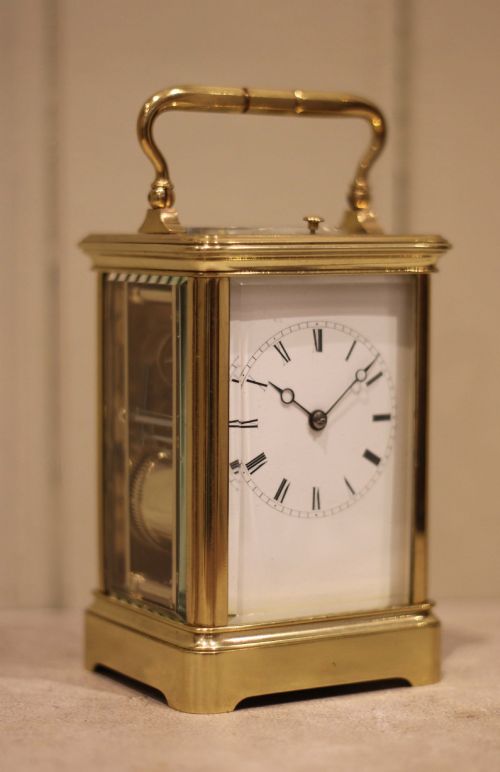
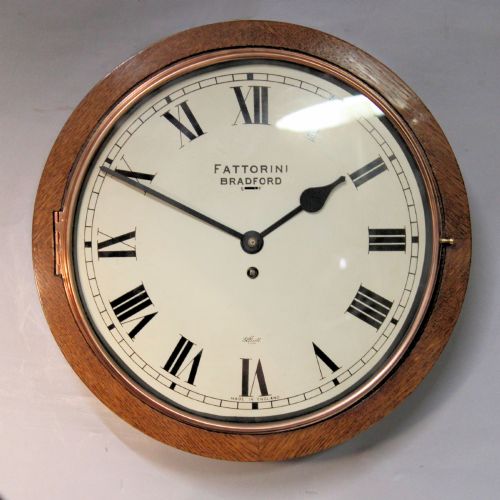
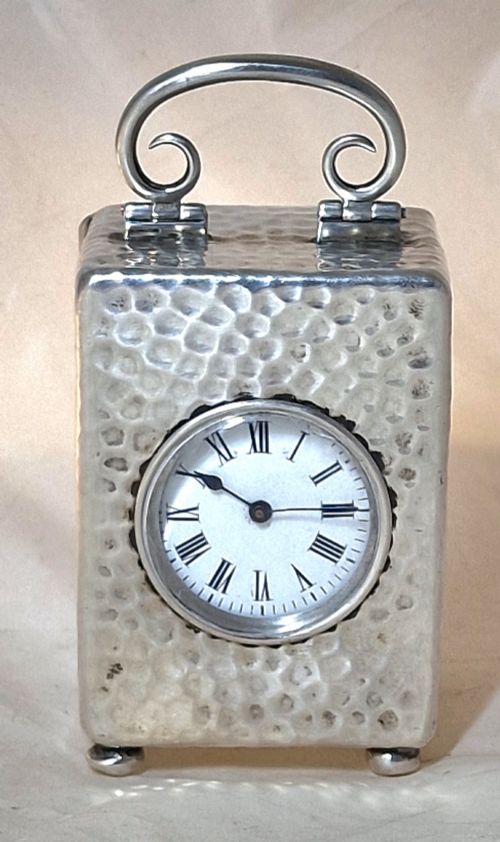
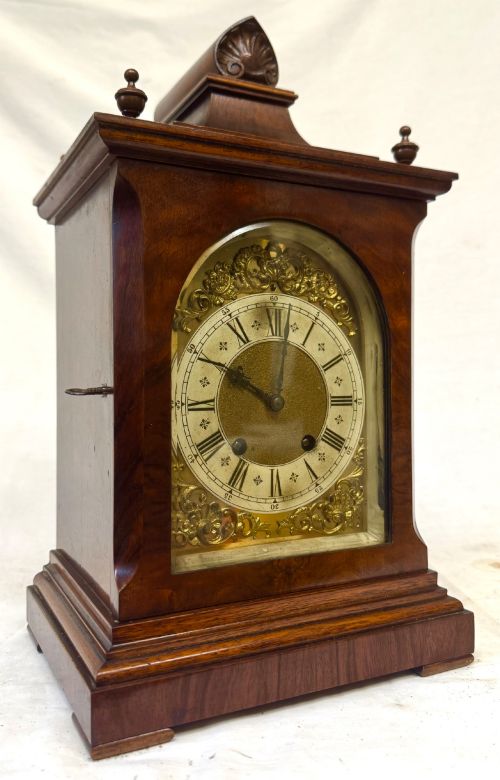
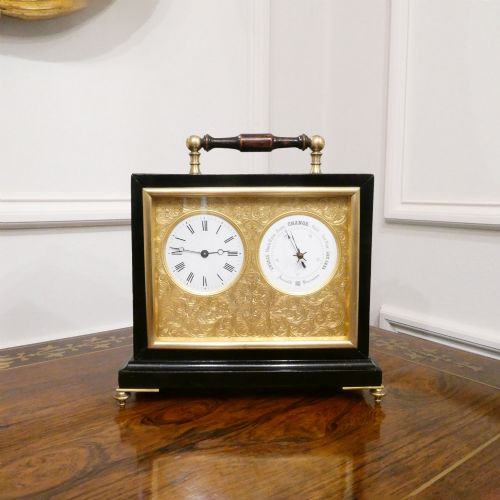
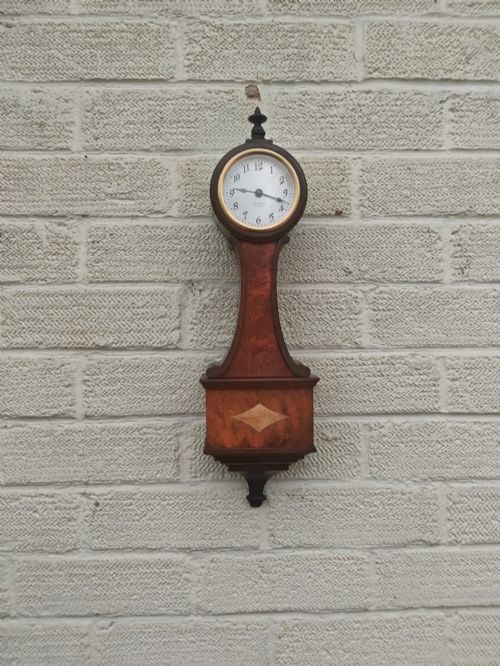
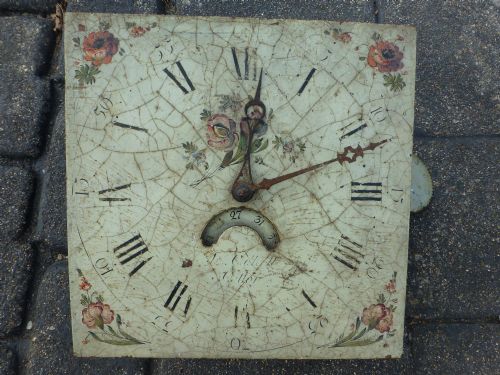
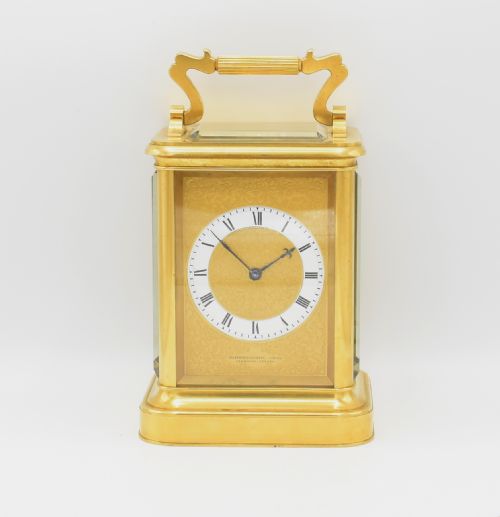
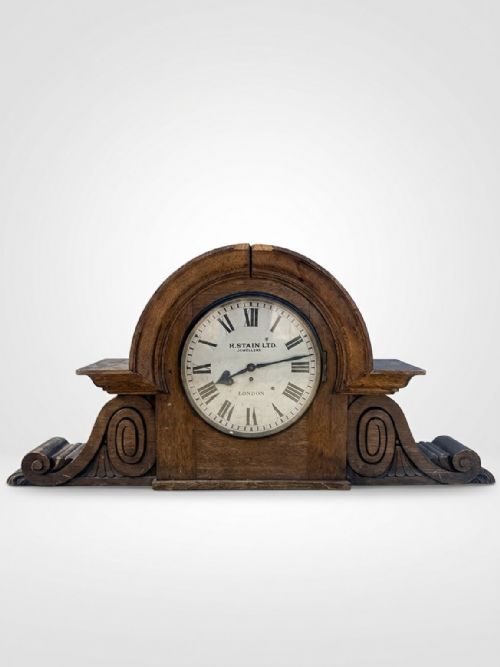
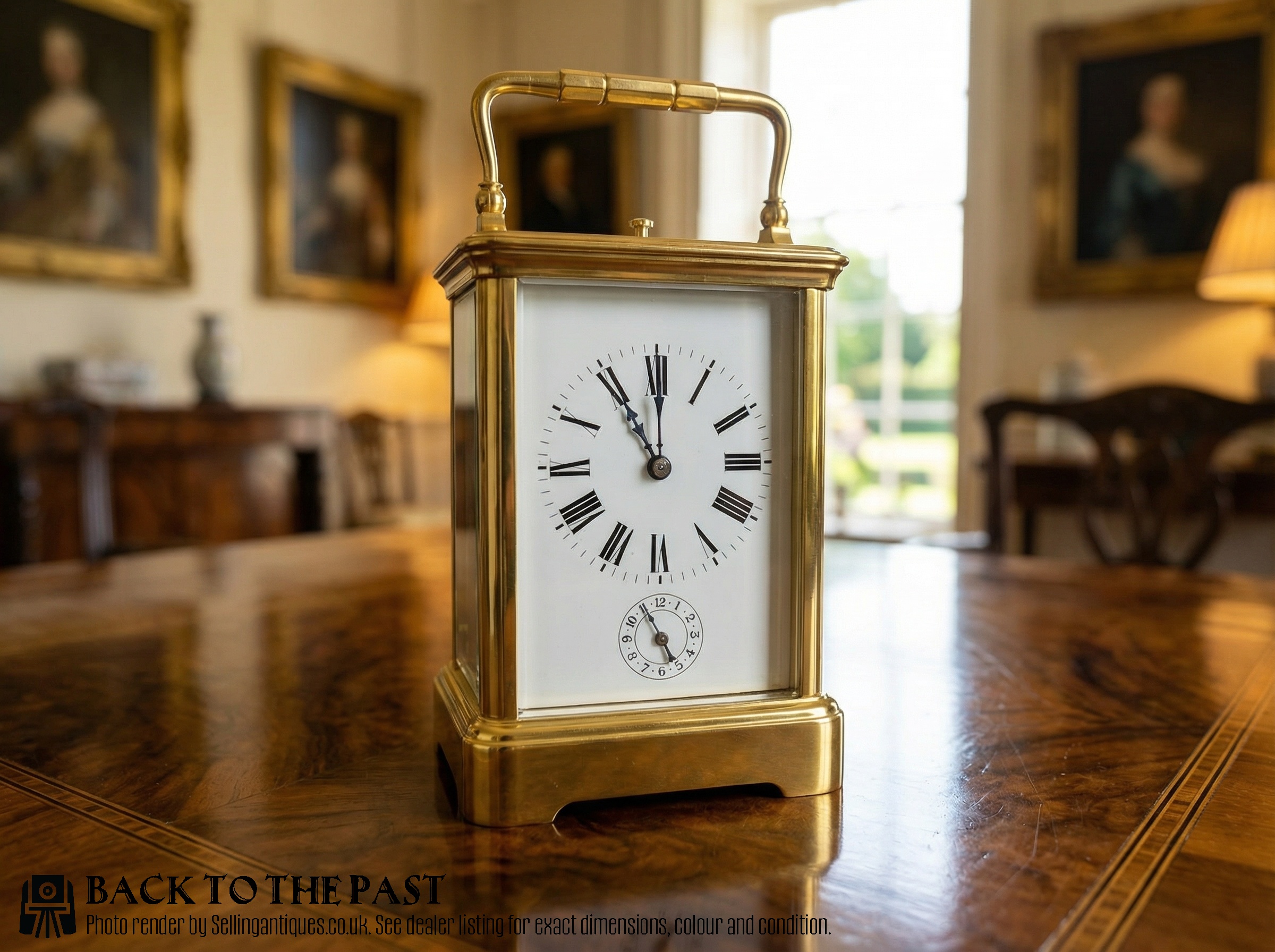
A vintage horology clock covers a broad spectrum of timepieces, from French carriage clocks housed in glass and brass to substantial oak-cased wall dials and bracket clocks. Buyers searching this phrase encounter diverse formats spanning the seventeenth century through to the art deco period of the twentieth century, reflecting varied domestic and public uses.
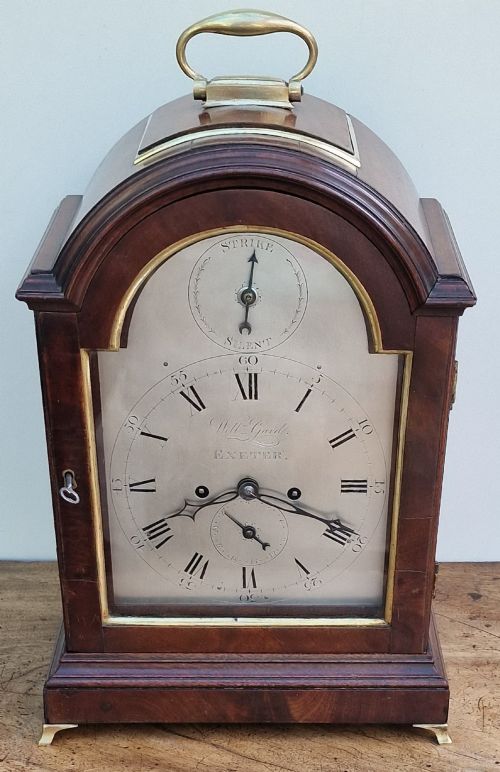
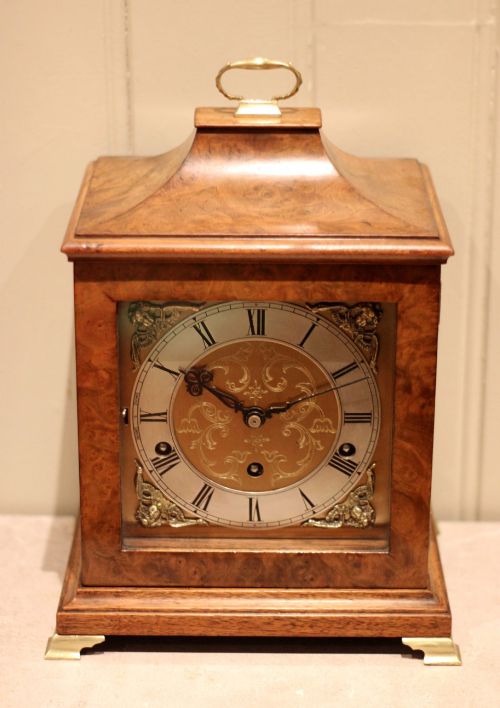
Mantel clocks, wall clocks and carriage clocks dominate the selection, alongside rarer lantern clocks and skeleton movements. French examples frequently feature repeating mechanisms, whilst English pieces showcase traditional mahogany, walnut and oak cabinetry paired with enamelled or brass dials.
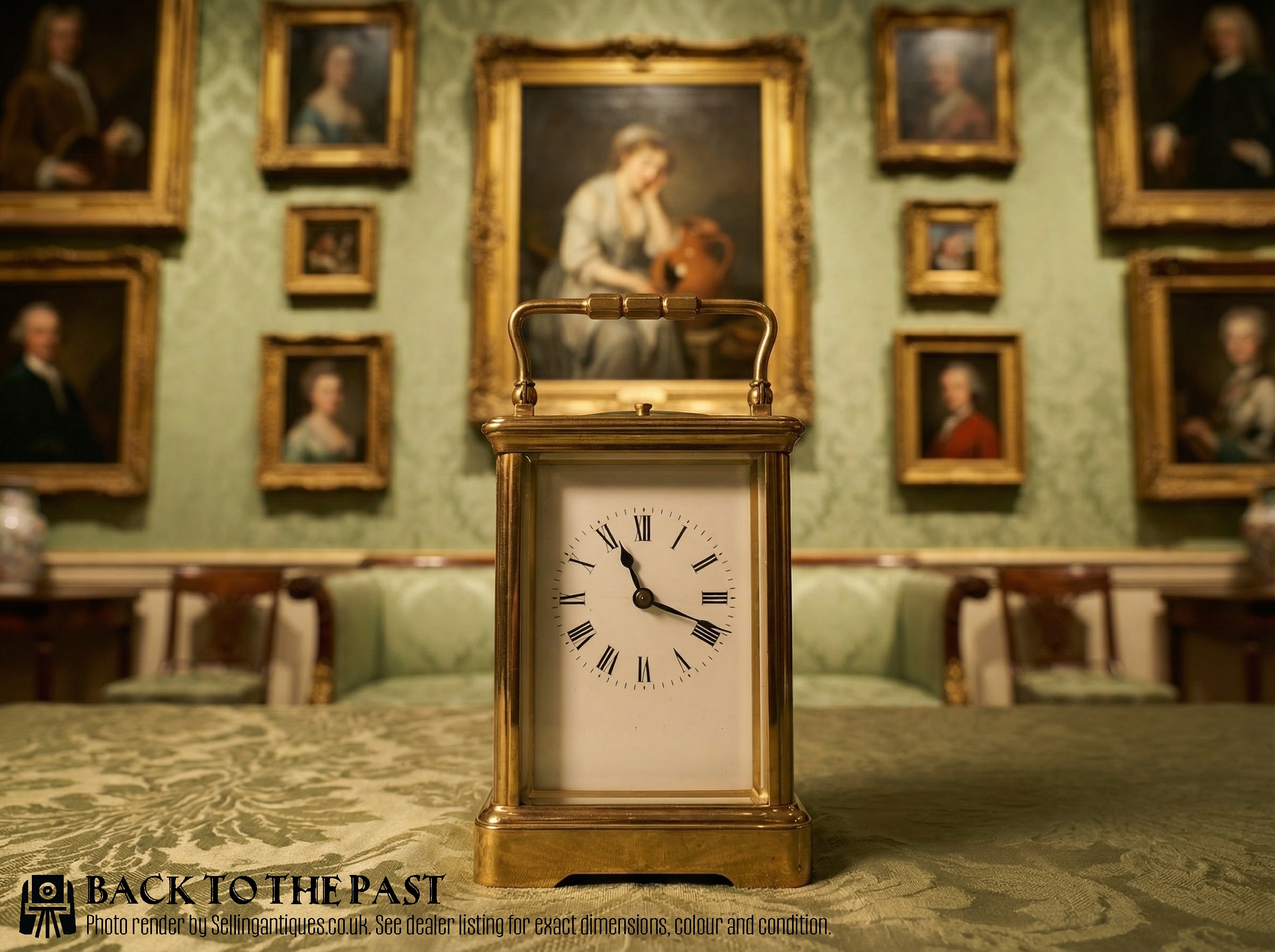
Materials and Construction
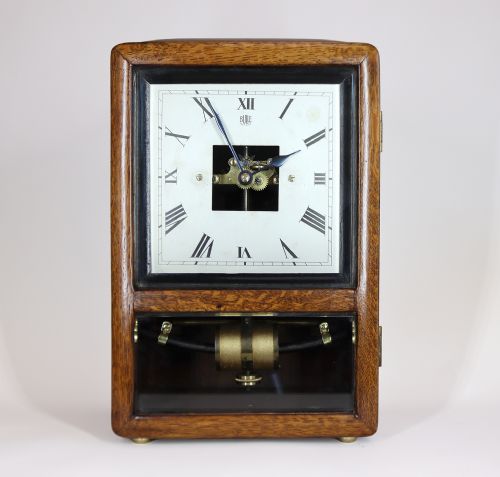
The construction relies on contrasting structural timber cases with delicate metallic internal mechanisms. Cabinetmakers utilise mahogany, oak, walnut and ebony for the housings, often incorporating glass panels to display the inner workings.
Brass, iron and steel form the mechanical chassis, gear trains and escapements, while dials combine brass, enamel and silvered metal. Cases range from ornate cast brass frames on carriage clocks to utilitarian railway and wall dial surrounds.
Vintage Horology Clock Retail Price Guide 2026
Typical asking prices for vintage horology clock among the pieces listed under this phrase on Sellingantiques today, from the lower quarter to the upper quarter. They describe what is for sale here now, not the wider market.
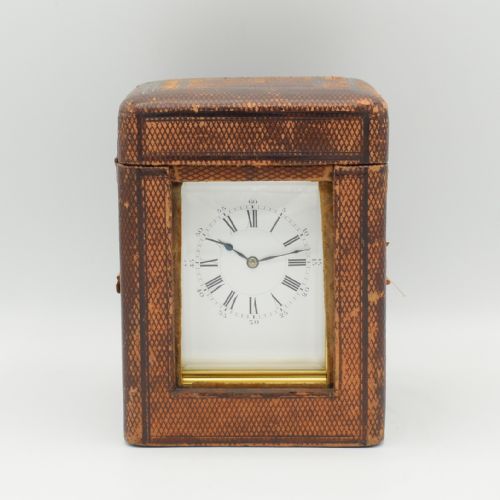
Some nineteenth-century carriage clocks arrived with dedicated leather travel cases, ensuring adventurous timepieces survived bumpy stagecoach journeys.
Evaluating Craftsmanship
Quality rests in the precision of the movement and the integrity of the casing. Finer pieces demonstrate superior mechanical complexity, such as quarter-striking and repeating mechanisms housed within heavy, well-cast brass or finely figured timber cases.
Makers known for exceptional production standards differentiate the upper tier, alongside original components and matching travel cases. Later or replaced parts alter the standing of a piece, while crisp dial markings and unblemished enamel signal superior workshop execution.
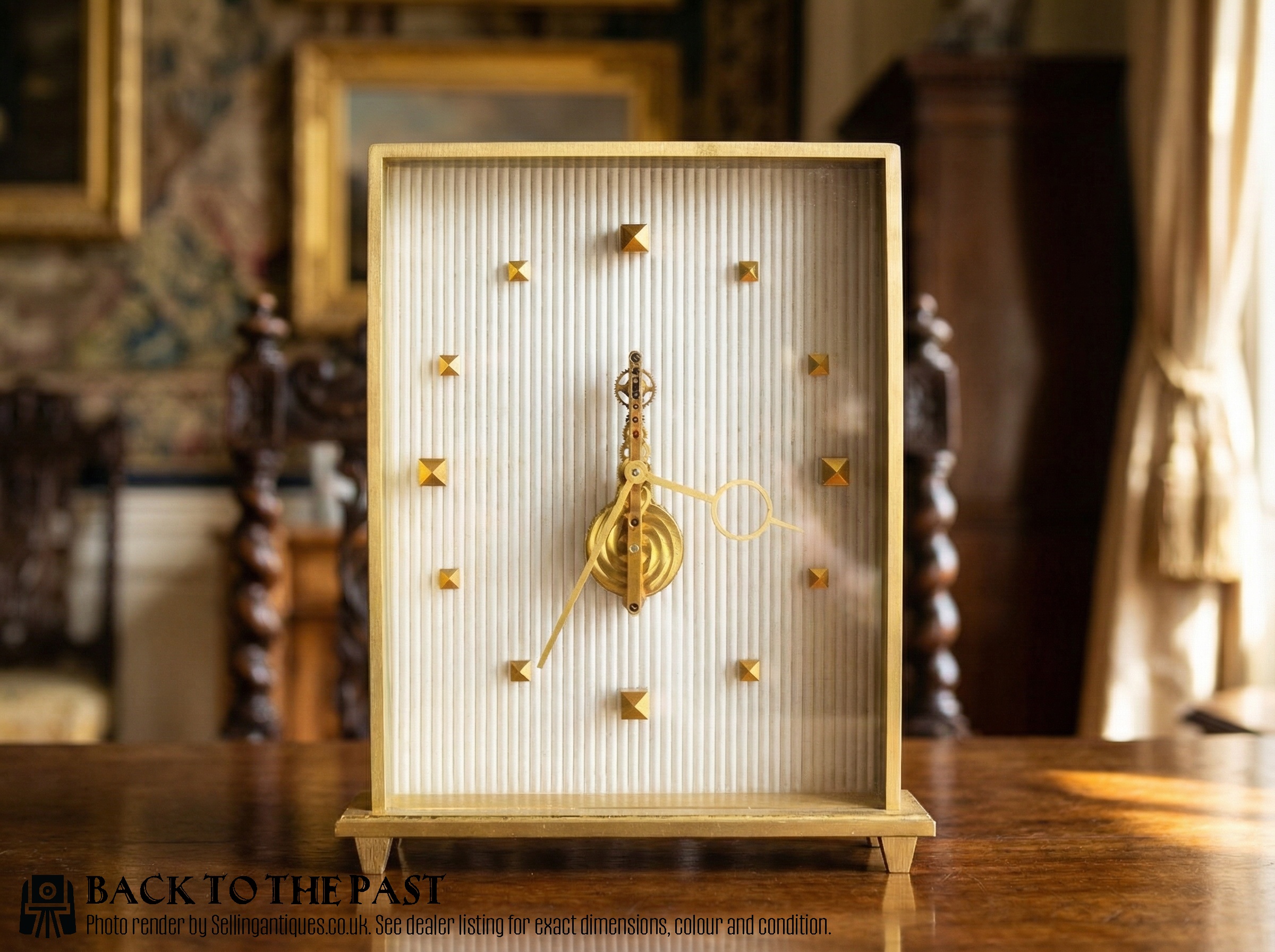
Elliott·Seth Thomas·Henri Jacot·Mappin and Webb·Antoine Redier
The Vintage Horology Clock Glossary
- Carriage clock
- A portable spring-driven timepiece designed for travel, typically featuring a brass frame inset with glass panels. These clocks often include striking and repeating complications.
- Fusee
- A conical pulley used in mechanical clocks to maintain even power delivery to the gear train as the mainspring unwinds. This mechanism improves timekeeping accuracy across the power reserve.
- Escapement
- The mechanical linkage that converts rotational force into controlled impulses to regulate the clock. Common variations include lever and verge escapements.
- Bracket clock
- A portable table clock originally designed to sit on a architectural bracket or shelf. They frequently feature intricate wooden cases and striking chime trains.
- Skeleton clock
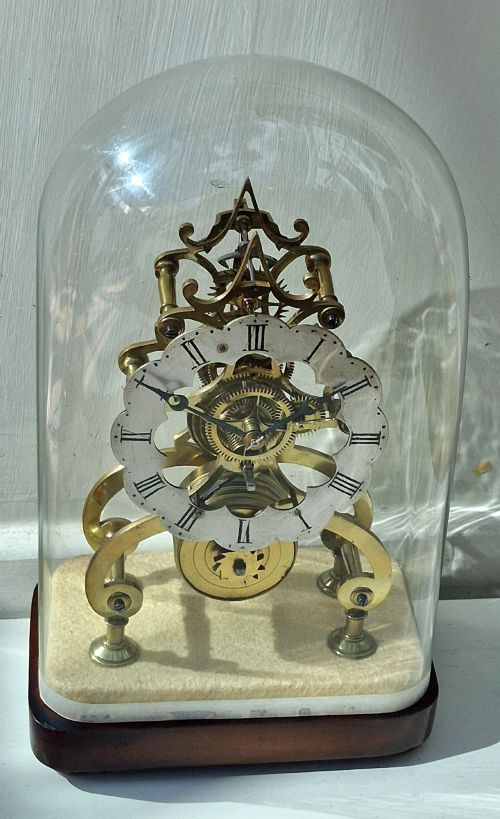
- A timepiece with an open framework designed to expose the gear train and movement to view. These pieces rely on glass domes for protection.
Vintage Horology Clock: Frequently Asked Questions
How do I wind a mechanical clock?
Use the designated key on the winding arbor, turning it gently until resistance indicates the mainspring is fully tensioned. Avoid over-winding to protect the internal components.
Different movements require specific winding intervals, typically ranging from daily eight-day sequences to annual variations depending on the gear train complexity.
What is a repeating carriage clock?
A repeating carriage clock sounds the most recent hour and quarter-hour when a button or plunger on the case is pressed. This allowed owners to check the time in darkness.
These complex mechanisms require skilled adjustment and form a distinct subset within nineteenth-century French horology.
How do I identify the period of a wall dial clock?
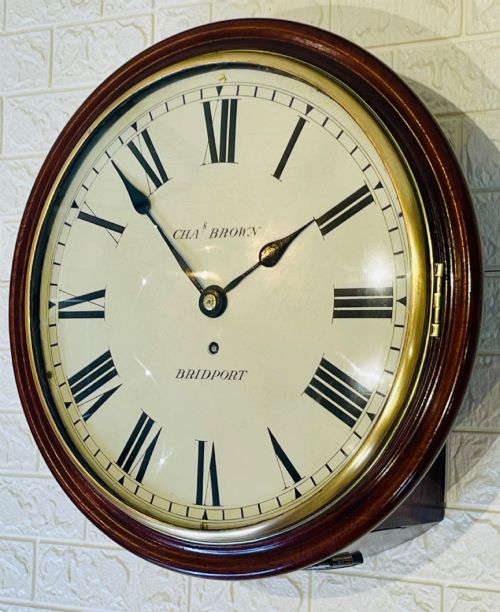
Examine the wood of the case, the style of the numerals on the dial, and the construction of the fusee movement behind the face. Mahogany and brass bezels often point to earlier Georgian or Victorian origins, while oak and distinct numbering can indicate later Edwardian or twentieth-century production.
Makers' signatures inscribed on the dial or movement backplate provide definitive attribution when present.
Where should I place a bracket clock?
Position the clock on a stable, level surface away from direct sunlight, drafts and excessive humidity to protect the wooden case and delicate internal lubricant. Wall-mounted bracket clocks require secure fixings into structural studs or masonry.
Stability ensures the pendulum or balance wheel maintains an even beat for accurate timekeeping.