
Brass Inlay Clock
A brass inlay clock brings together precise timekeeping and meticulous metalwork, offering a striking focal point for a mantelpiece or wall.
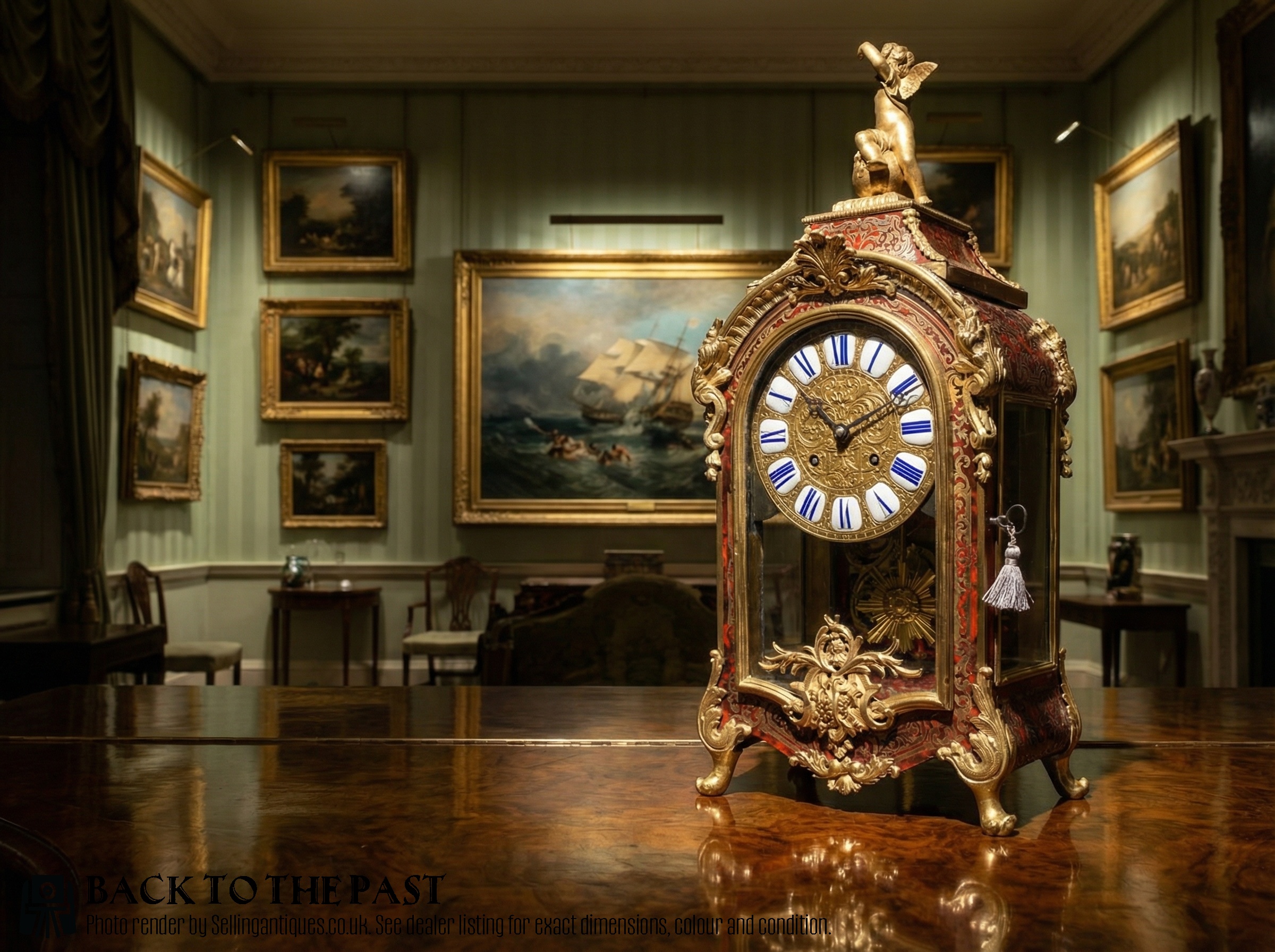
Understanding brass inlay clock pieces
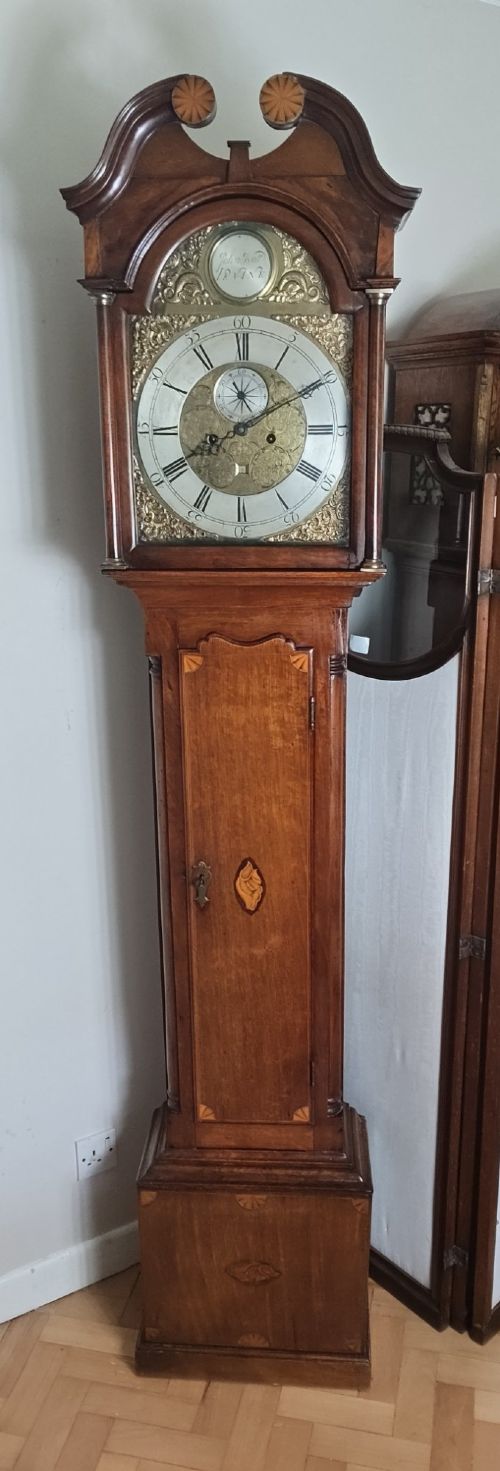
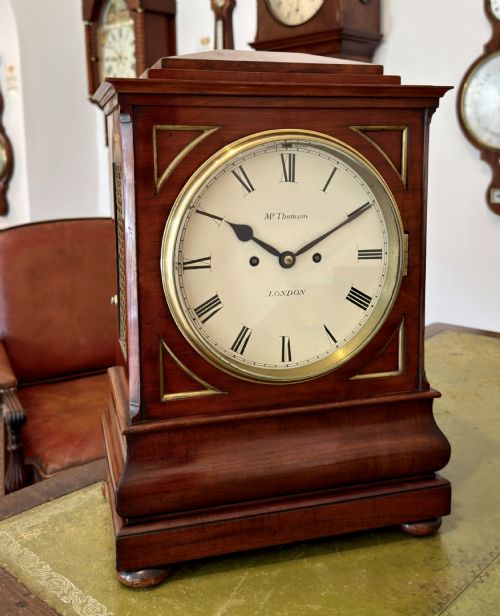
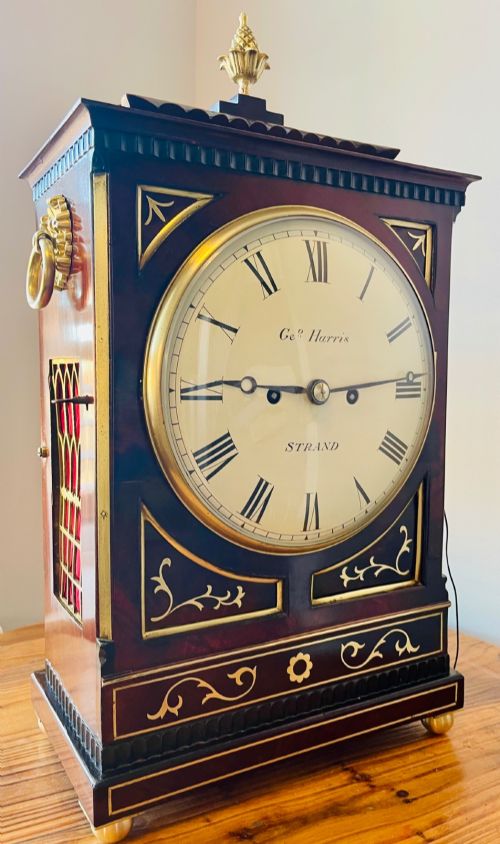
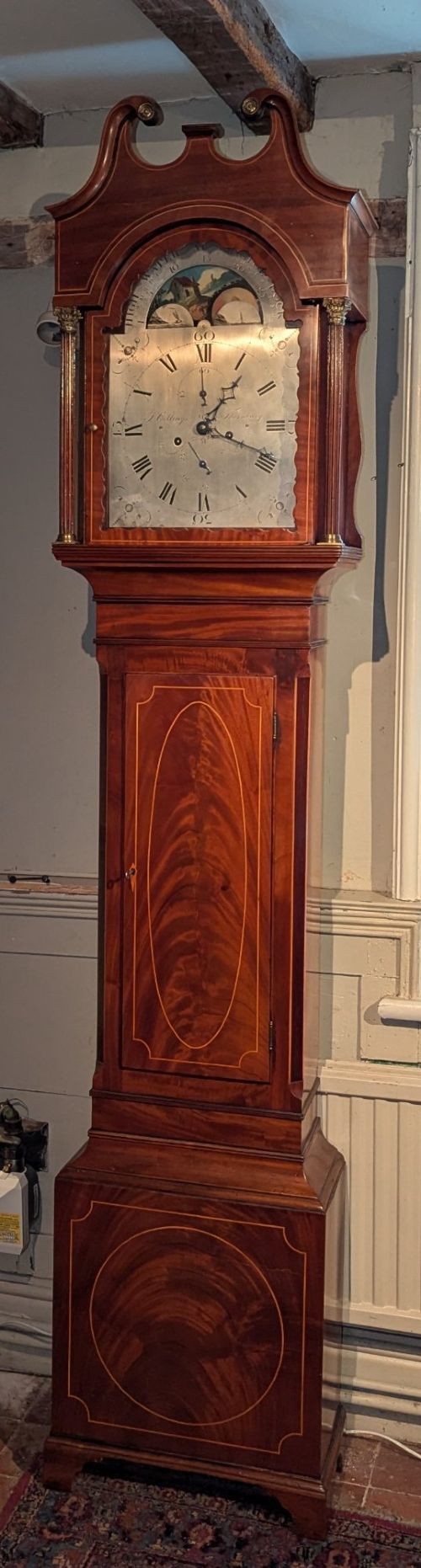
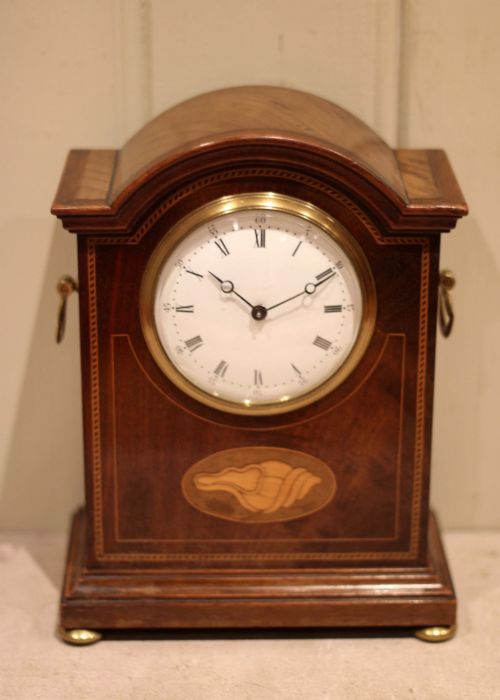
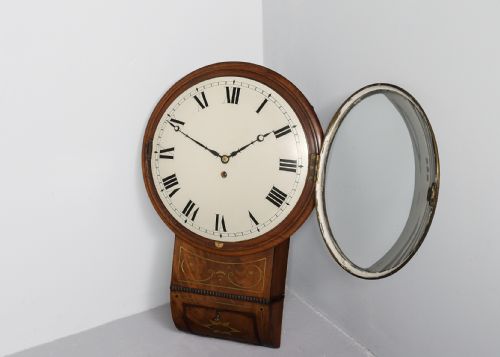
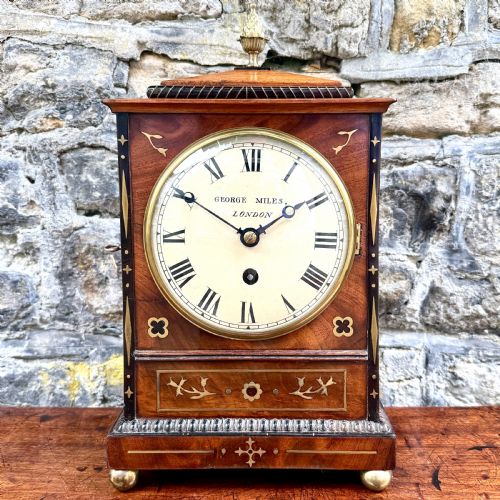
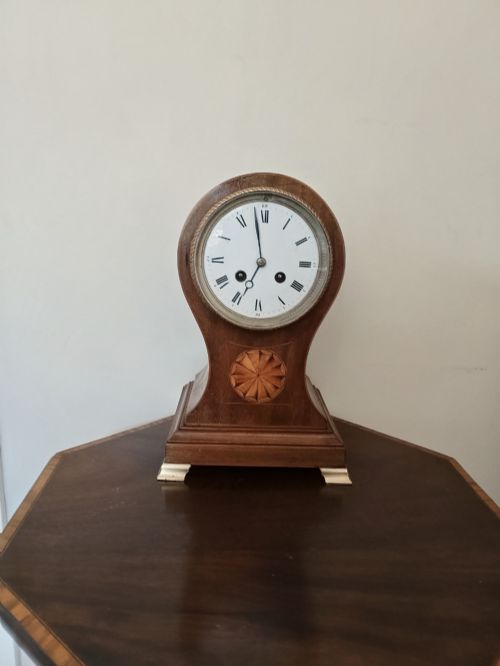
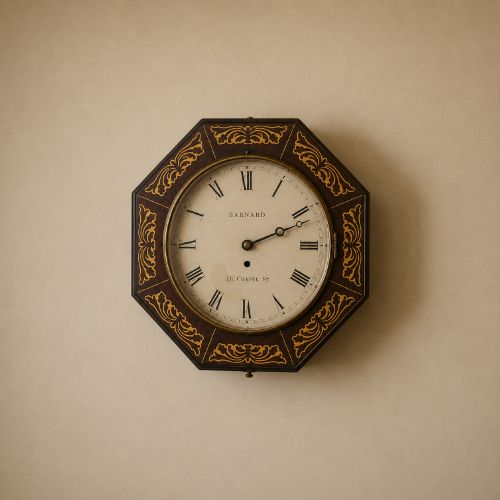
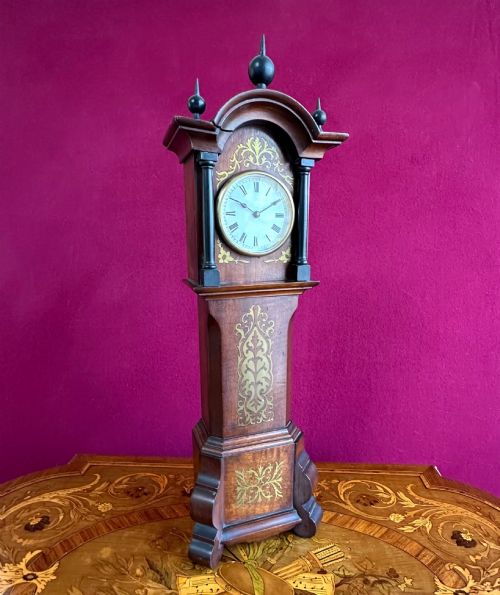
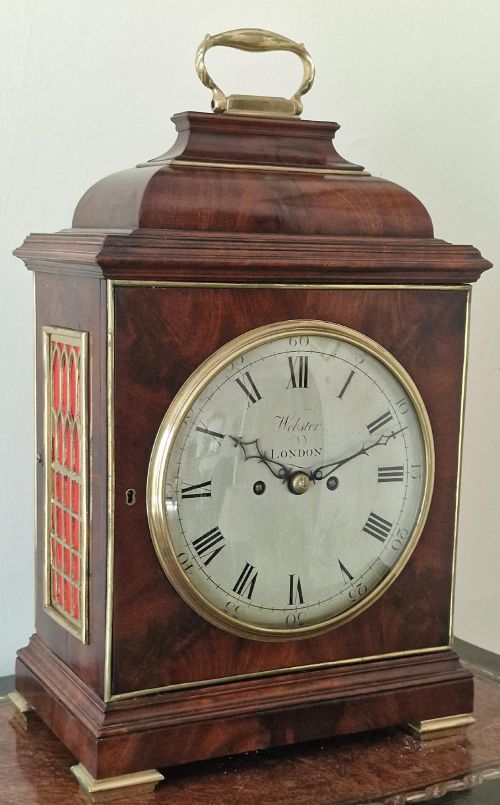
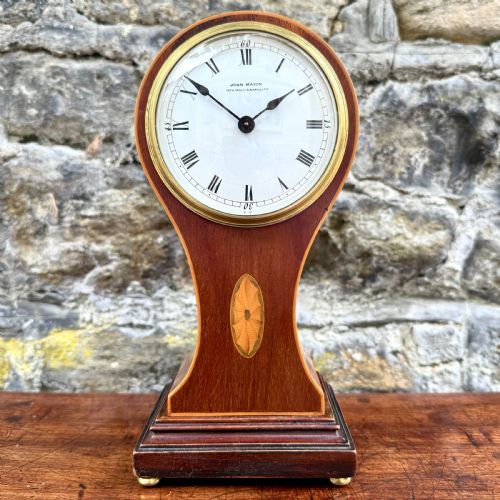
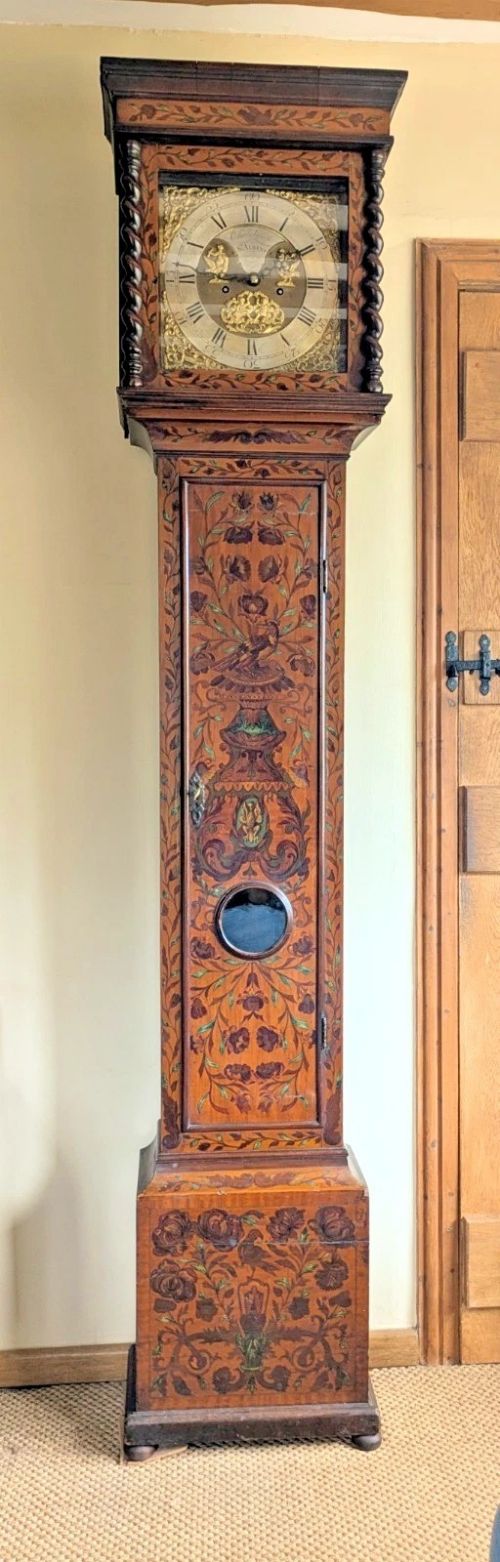
A brass inlay clock typically appears as a mantel clock, a bracket clock, or occasionally a longcase clock housed in timber or tortoiseshell cases. These timepieces stem from various periods, including the Georgian, Regency, and Victorian eras, alongside French and Scottish workshops.
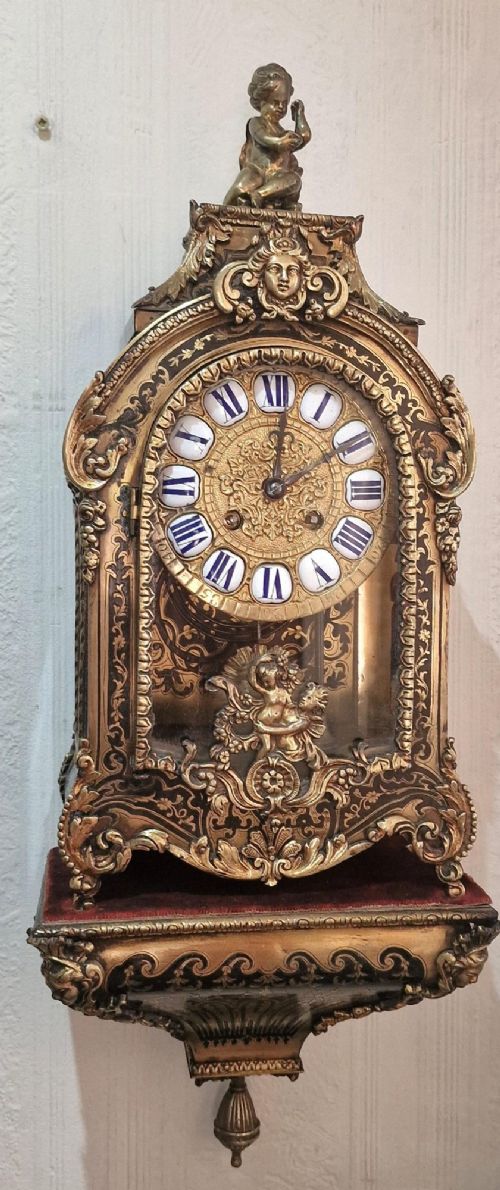
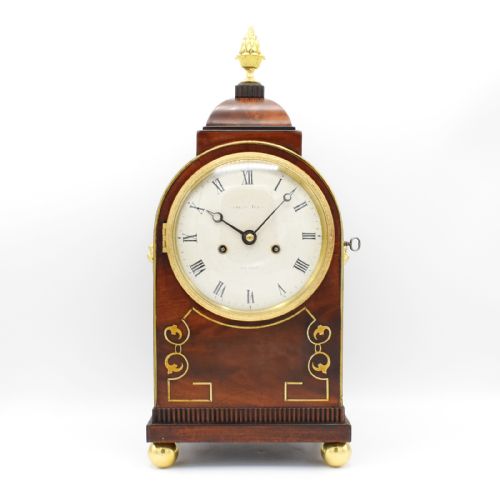
The most frequent versions encountered on this page are French mantel clocks featuring intricate tortoiseshell and brass inlay, often referred to as Boullework, and British mahogany or rosewood bracket clocks. Regional pieces, such as early Scottish mantel clocks and Irish longcase clocks, also emerge within the selection.
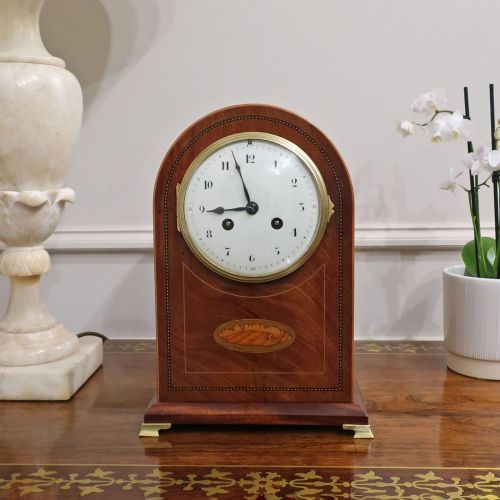
Forms range from steeple bracket clocks and arch top designs to elaborate French Rococo and Louis XIV style cases adorned with ormolu mounts. Buyers select these objects for their decorative presence and historical horological engineering.
Materials and construction
Cases combine timbers such as mahogany, rosewood, oak, and occasionally tulipwood with delicate brass inlays. French examples frequently employ tortoiseshell veneers laid over a wooden carcase in the Boulle technique, complemented by cast ormolu mounts and glass panels.
Dial construction incorporates materials such as enamel for chapter rings and white metal or brass for decorative faces. Movements rely on traditional mechanics, including silk suspension systems and bell striking functions, fitted into sturdy metal and timber frames.
Retail Price Guide 2026
Typical UK retail prices for brass inlay clock, calculated from the Sellingantiques database of over a million retail prices indexed since 2003. This retail price guide relies exclusively on Sellingantiques data; no external sources or auction records are used, so the figures do not describe the wider market.
Several clocks hide their inner workings behind elaborate tortoiseshell and brass shells, keeping time beneath intricate metal patterns.
Assessing quality in brass inlay clock examples
The distinction between standard and exceptional pieces rests upon the precision of the brass inlay work and the harmony of the case proportions. Finer examples display crisp, flush metalwork set tightly into the surrounding tortoiseshell or timber without gaps.
Movement sophistication and maker attribution elevate a piece significantly. Signed works by established makers or reputable foundries demonstrate superior mechanical execution and finishing compared to unsigned commercial production.
Turner of London·Bryson Edinburgh·Samuel Marti·Vulliamy
The Brass Inlay Clock Glossary
- Boullework
- A type of marquetry using brass and tortoiseshell, popularised in France and frequently seen on mantel clocks. It creates a striking contrast between the dark shell and the gleaming metal.
- Bracket clock
- A portable table clock historically designed to sit upon a matching wall bracket or furniture surface. Many feature architectural cases with brass carrying handles.
- Ormolu
- Gilded bronze used for decorative mounts and feet on French clock cases. This material adds sculptural depth and ornate detailing to the exterior.
- Silk suspension
- A horological method where the pendulum hangs from a silk thread rather than a metal spring. This mechanism is typical of certain 19th-century French movements.
- Ting tang
- A striking mechanism that sounds two different notes on bells to indicate the quarters of the hour. It offers a distinct auditory quality distinct from standard hour chimes.
Frequently Asked Questions
How do I wind a brass inlay clock?
Winding requires a matching key inserted into the winding holes on the dial face, turning gently until resistance is felt. Care must be taken not to overwind the mainspring.
Most mechanical movements require a steady hand and a regular schedule to maintain accurate timekeeping without straining the internal brass gears.
Where should I place a bracket clock?
Bracket clocks suit heavy wooden sideboards, mantels, or dedicated wall brackets where the weight of the timber and brass case finds stable support. Level surfaces ensure the pendulum swings evenly.
Avoid placing clocks near direct heat sources or damp areas, as fluctuations in temperature affect both the wood movement and the delicate brass inlay.
What is a French mantel clock?
A French mantel clock is a decorative timepiece produced in France during the 19th century, frequently featuring tortoiseshell, brass inlay, and cast ormolu mounts. These pieces often employ silk suspension mechanisms.
They emphasise ornate visual styling, incorporating Louis XIV, Napoleon III, or Rococo aesthetic influences alongside reliable bell striking movements.
How do I identify the period of a clock?
Period identification relies on stylistic cues, case timbers, dial construction, and the signature of the maker or foundry. Georgian and Regency pieces favour mahogany and rosewood with restrained brass lines.
Later Victorian and 19th-century French examples lean toward elaborate Boullework, tortoiseshell, and flamboyant ormolu mounts, reflecting the tastes of their respective decades.