


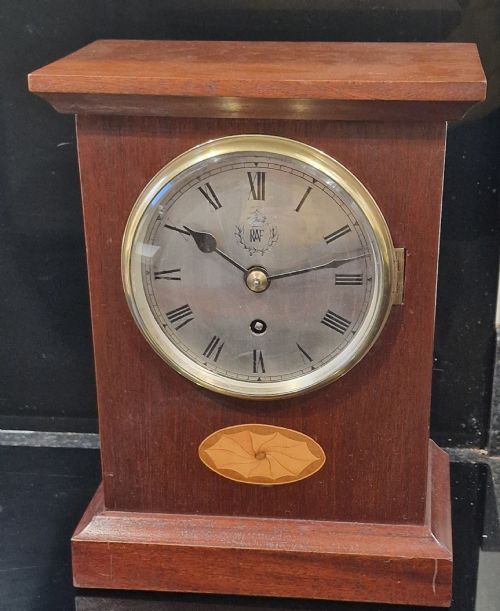
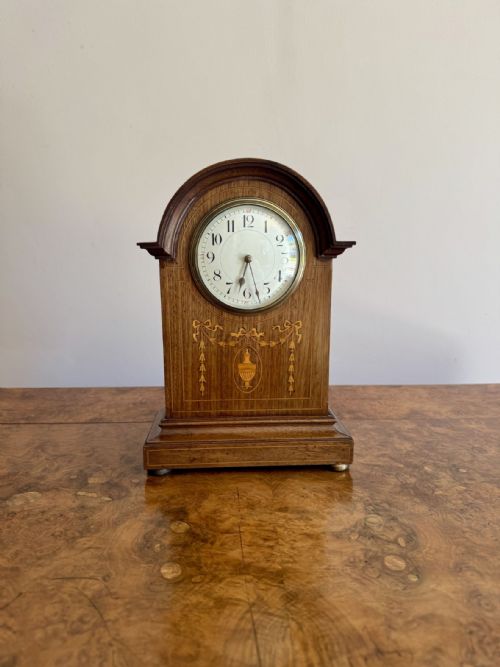


Brown Wood Mantel Clock
These brown wood mantel clock pieces bring character and timekeeping heritage to a room, offering warm tones and classic forms.

Understanding the brown wood mantel clock
When you search for a brown wood mantel clock, you encounter timepieces shaped by centuries of cabinet making and horology. The pieces here span periods from the eighteenth century through to nineteen ten, bringing historical presence to a mantelpiece or shelf.
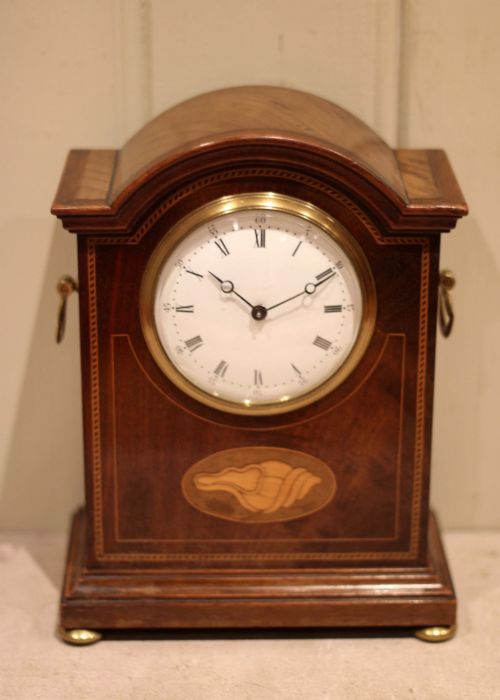
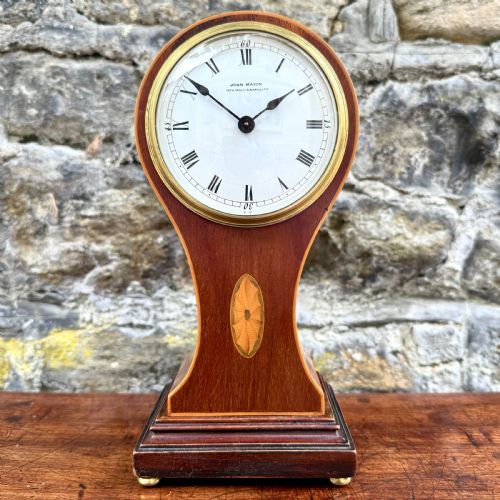
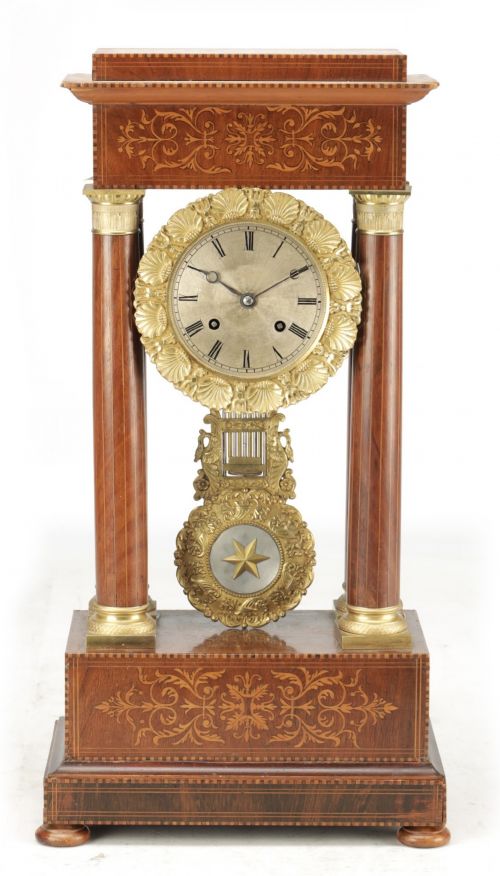
The forms vary from grand bracket clocks to carved Swiss examples and inlaid eight day designs. Mahogany and oak form the backbone of these pieces, often enriched with brass details or wood inlay.
You are most likely to meet mahogany bracket clocks and carved wooden designs from the nineteenth century on this page. These domestic timepieces reflect both Georgian elegance and later Arts and Crafts or Gothic Revival tastes.
Materials and construction
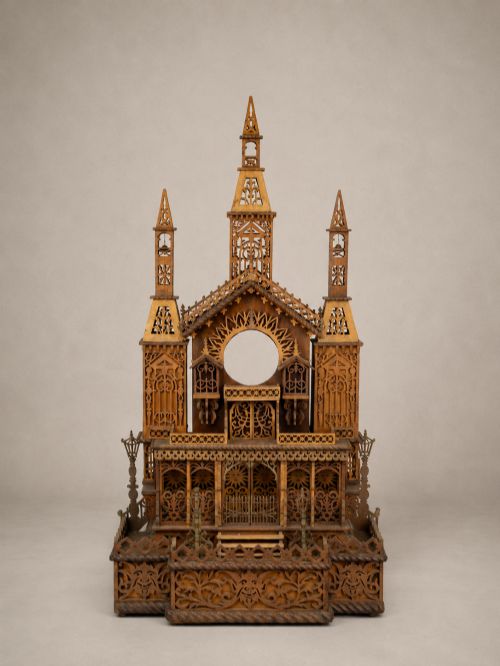
Cabinet makers utilised dense timbers such as mahogany and oak, building robust cases designed to house delicate mechanical movements. Linden wood appears in carved pieces, allowing artisans to shape intricate botanical or figurative details.
Decoration relied on precision woodworking techniques including wood inlay and elaborate brass work. Silvered brass dials and cast brass mounts complemented the dark grain of the timber cases.
Retail Price Guide 2026
Typical UK retail prices for brown wood mantel clock, calculated from the Sellingantiques database of over a million retail prices indexed since 2003. This retail price guide relies exclusively on Sellingantiques data; no external sources or auction records are used, so the figures do not describe the wider market.
Swiss carvers turned soft linden wood into dense thickets of foliage, hiding tiny timepieces deep within miniature forest landscapes.
Distinctions in quality
Quality rests in the harmony between the cabinet maker's joinery and the horological housing. Superior examples display crisp carving, balanced proportions, and careful selection of mahogany or inlaid veneers.
The refinement of brass inlay and the depth of carved linden wood separate standard items from finer works. Case architecture, from caddy tops to chamfered edges, dictates the visual authority of each clock.
Bergen & Co·James Maitland
The Brown Wood Mantel Clock Glossary
- Bracket clock
- A portable table or mantel clock originally designed to sit upon a wall bracket. They often feature arched or caddy tops and sophisticated mechanical movements.
- Caddy top
- A stepped, domed top shape reminiscent of tea caddies popular in Georgian cabinet making. This profile adds height and architectural dignity to the clock case.
- Bracket feet
- Small supports elevating the base of the clock above the surface. They protect the timber and lift the proportions of the case.
- Wood inlay
- The technique of inserting pieces of contrasting timber or brass into a recessed wood surface to create decorative patterns. It defines the aesthetic of Regency and Arts and Crafts examples.
Frequently Asked Questions
What is a brown wood mantel clock?
A brown wood mantel clock is a domestic timepiece housed in a wooden case made from timbers like mahogany or oak. These objects served both a practical timekeeping function and acted as decorative mantelpiece ornaments.
Designs range from plain Georgian bracket clocks to carved Swiss forest pieces and inlaid Arts and Crafts models. They rely on mechanical movements rather than modern electronics.
Where did these clocks sit?
Historically, bracket clocks sat on wooden wall brackets to project sound and ensure level placement for the pendulum. Over time, owners placed them on mantelpieces, tables, and chests of drawers.
Their portable nature allowed staff to move them between rooms as needed within a large household.
How do I identify the period?
Dating relies on stylistic clues found in the woodwork, brass mounts, and dial design. Eighteenth century pieces often feature caddy tops and simpler bracket forms, while Regency items introduce bold brass inlay.
Later nineteenth century examples draw on Gothic Revival or Arts and Crafts aesthetics, utilising distinct carving styles and materials like linden wood.
How do I live with one?
Living with an antique clock involves placing it on a stable, level surface away from direct sunlight and draughts. Regular professional maintenance helps keep the mechanical movement running accurately.
Positioning the clock where its chime or visual presence can be appreciated enhances any room.