
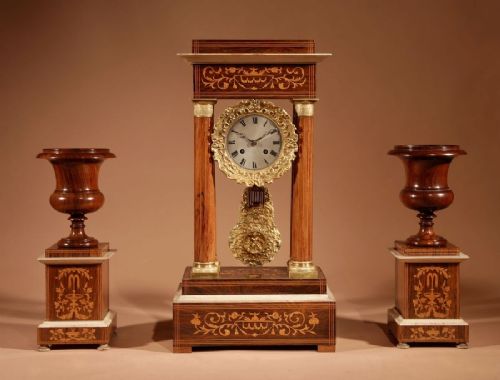
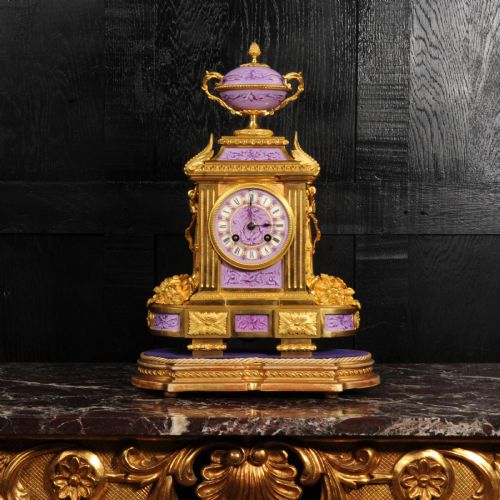
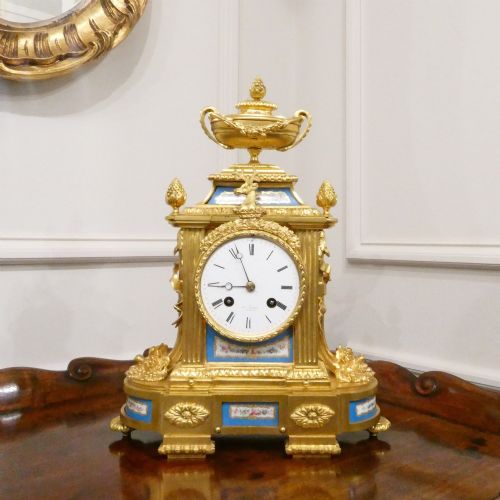
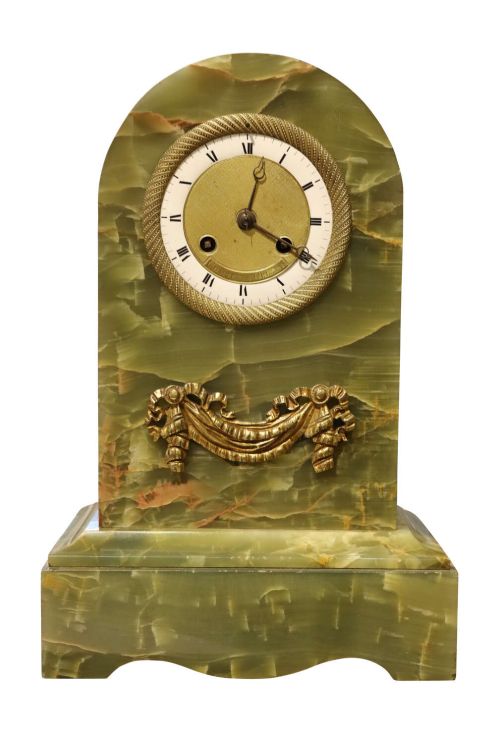
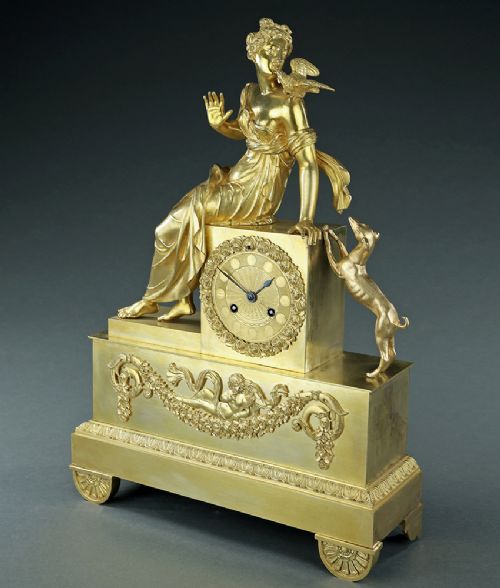
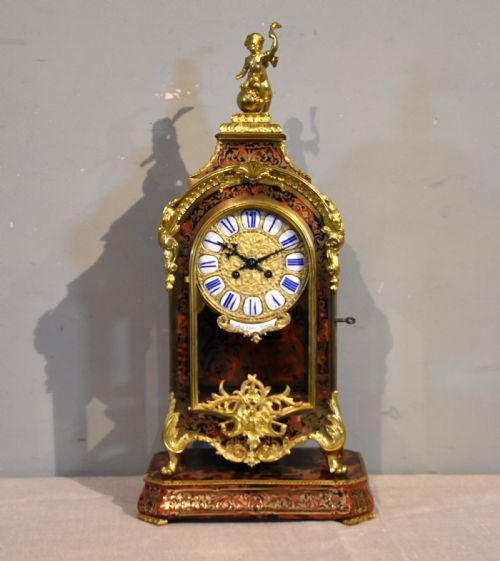
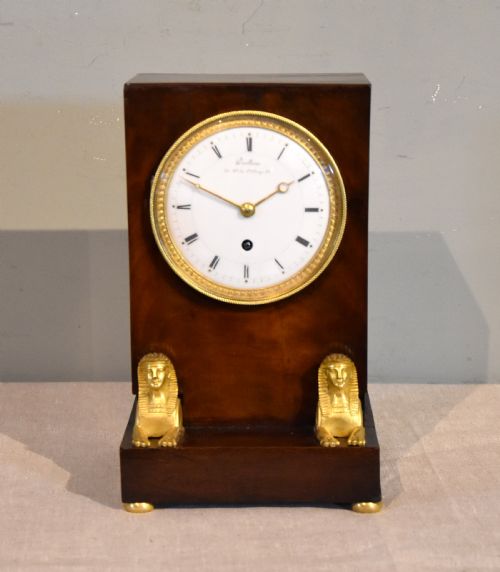
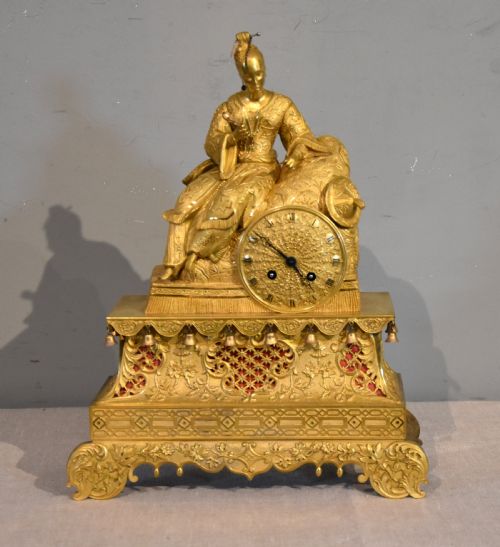


Ormolu Shelf Clock
An ormolu shelf clock brings brilliant gilt bronze and precise horology to a mantelpiece, combining decorative presence with functional timekeeping.
What these ormolu shelf clocks are
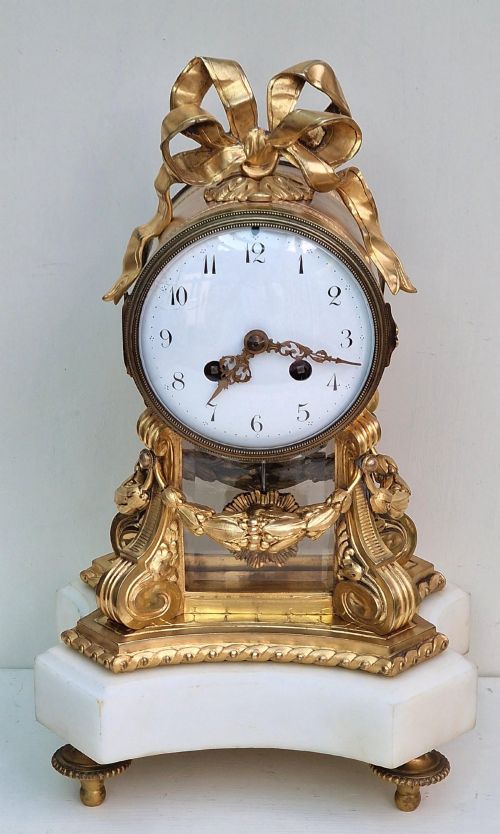
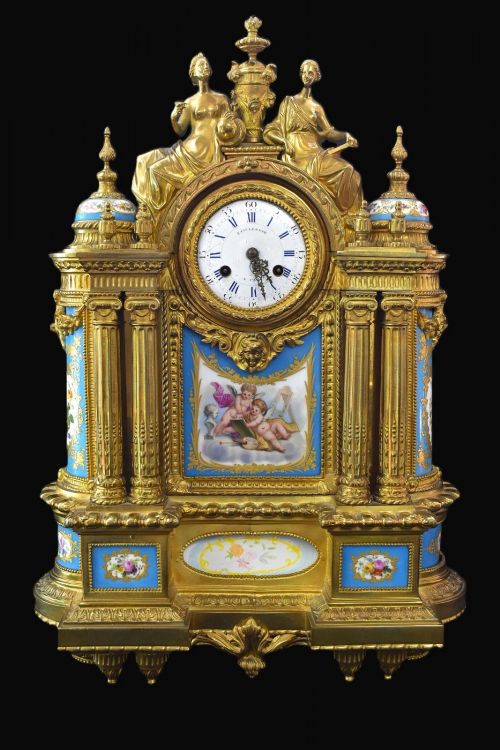
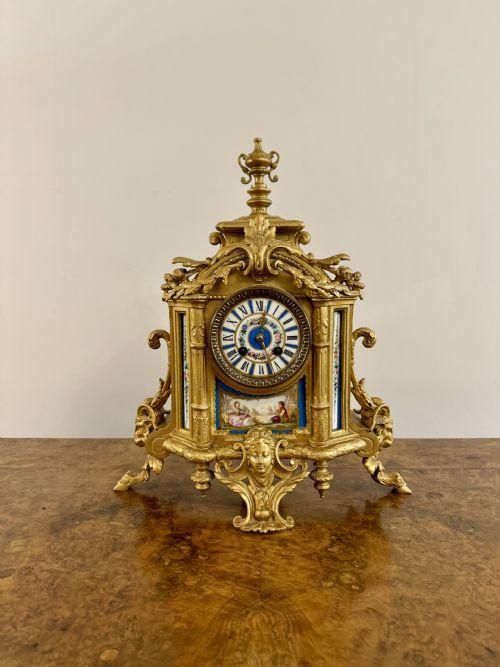
An ormolu shelf clock stands as a decorative timepiece designed for display on a mantelpiece, shelf, or table. The pieces found here span the eighteenth and nineteenth centuries, taking the form of mantel clocks and general clocks.
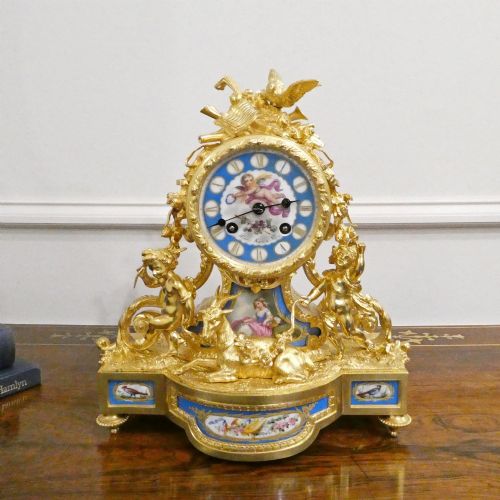
Makers drew on specific historical idioms, resulting in Napoleon III, French Rococo Revival, French Restauration, Regency, Louis XVI Style, French Rococo, and French Empire aesthetics. These designs range from architectural Louis XVI cases to expressive Rococo models featuring musical themes.
The most common examples on this page date to the nineteenth century, including Napoleon III productions and pieces from the eighteen-eighties and eighteen-nineties. They utilise varied materials while retaining gilded bronze or ormolu as their primary visual anchor.
How they were made
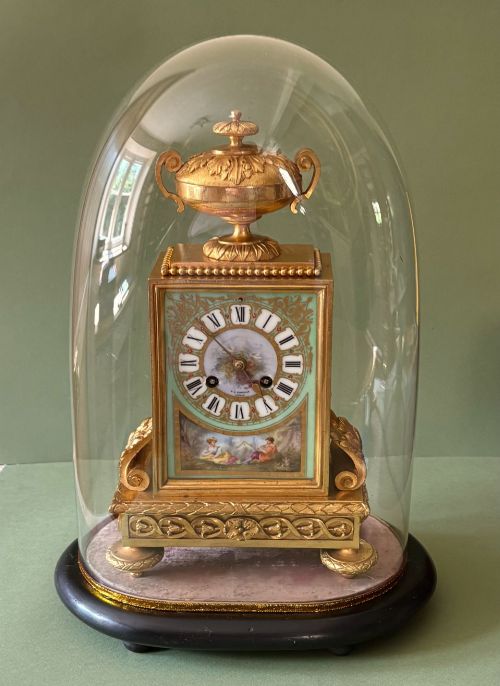
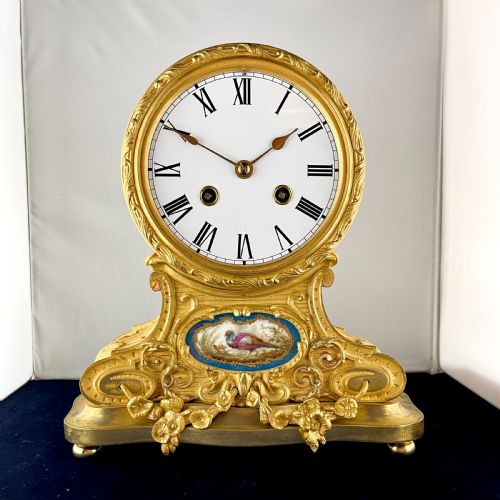
Construction relies heavily on ormolu and gilt bronze, which provide a rich, golden metallic surface through mercury gilding or modern electroplating techniques. Brass and marble frequently form the structural chassis and decorative plinths that support the heavy metalwork.
Many of these timepieces incorporate delicate enamel dials for the numeric display, protected behind glazed bezels. Additional materials such as porcelain plaques, notably Sèvres porcelain, and tortoiseshell details embellish the outer cases.
Internal mechanics involve sophisticated brass movements, exemplified by single chain fusee mechanisms that regulate the gear train with consistent force. The union of cast metal sculpture, porcelain painting, and mechanical engineering required collaborative workshops of bronze-founders and horologists.
Retail Price Guide 2026
Typical UK retail prices for ormolu shelf clock, calculated from the Sellingantiques database of over a million retail prices indexed since 2003. This retail price guide relies exclusively on Sellingantiques data; no external sources or auction records are used, so the figures do not describe the wider market.
One listed clock plays music alongside telling time, proving that nineteenth-century inventors liked their hours with a side of theatre.
What varies in quality
Quality in an ormolu shelf clock rests on the crispness of the bronze chasing and the depth of the gilding. Superior examples display sharply defined scrollwork, foliage, and figural details that retain their original golden lustre.
The integration of secondary materials dictates the tier of the piece, where hand-painted porcelain panels or genuine tortoiseshell elevate the decorative ambition far beyond simple cast metal. Movement complexity, such as the inclusion of a chain fusee mechanism rather than a standard spring barrel, marks the division between ordinary production and high-grade horology.
Scale and proportion also define the upper tier, as larger monumental clocks demand more ambitious foundry work and structural engineering to support heavy marble and bronze assemblies.
Etienne Lenoir·Gillion
The Ormolu Shelf Clock Glossary
- Ormolu
- A technique of applying finely ground high-carat gold-mercury amalgam to a bronze object, followed by firing to drive off the mercury. This creates a durable, luminous golden finish characteristic of fine antique metalwork.
- Fusee
- A conical pulley used with a cord or chain inside a clock movement to maintain equal power as the mainspring unwinds. It ensures more accurate timekeeping throughout the duration of the wind.
- Mantel clock
- A portable clock designed to sit on the shelf or mantel above a fireplace. These domestic timepieces often served as prominent parlour decorations.
- Sèvres porcelain
- Fine porcelain produced by the French national factory, frequently incorporated as painted dial surrounds or decorative plaques on nineteenth-century clocks. Its presence indicates high-status manufacturing.
- Gilt bronze
- Copper alloy cast and subsequently gilded with gold leaf or mercury gilt. It forms the structural and decorative body of French revival clocks.
Frequently Asked Questions
What is an ormolu shelf clock?
An ormolu shelf clock is a decorative timepiece featuring a case made from gilded bronze, designed for placement on a mantelpiece or shelf.
These pieces combine functional clockwork movements with elaborate sculptural metalwork, often drawing on historical French design styles.
How do you wind these clocks?
Windings are typically operated via a key inserted directly into winding holes on the enamel dial face. The key tensions the internal spring or chain fusee mechanism to power the movement.
Care must be taken not to over-wind the mechanism, ensuring the longevity of the historical gear train.
Where were they placed?
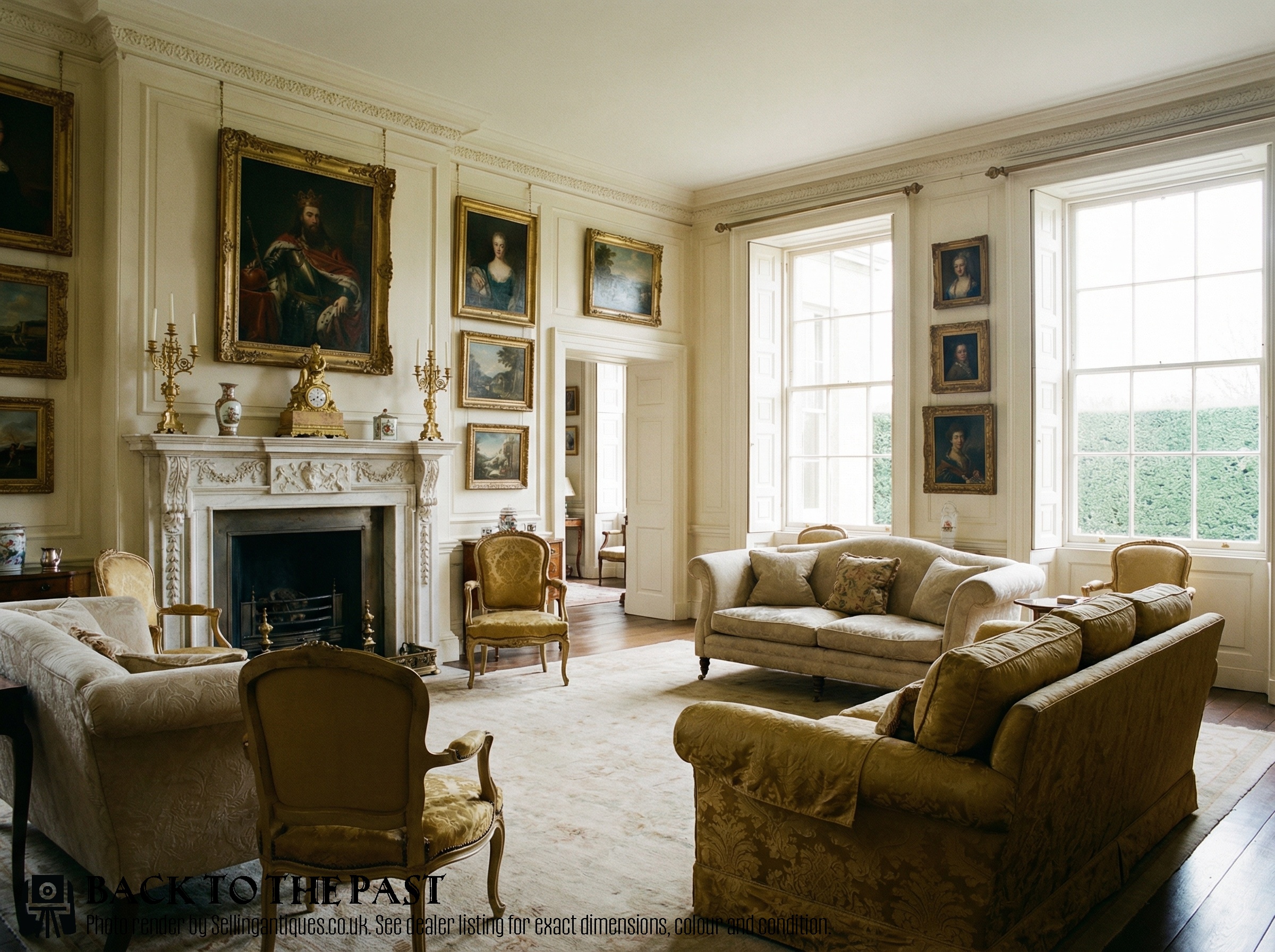
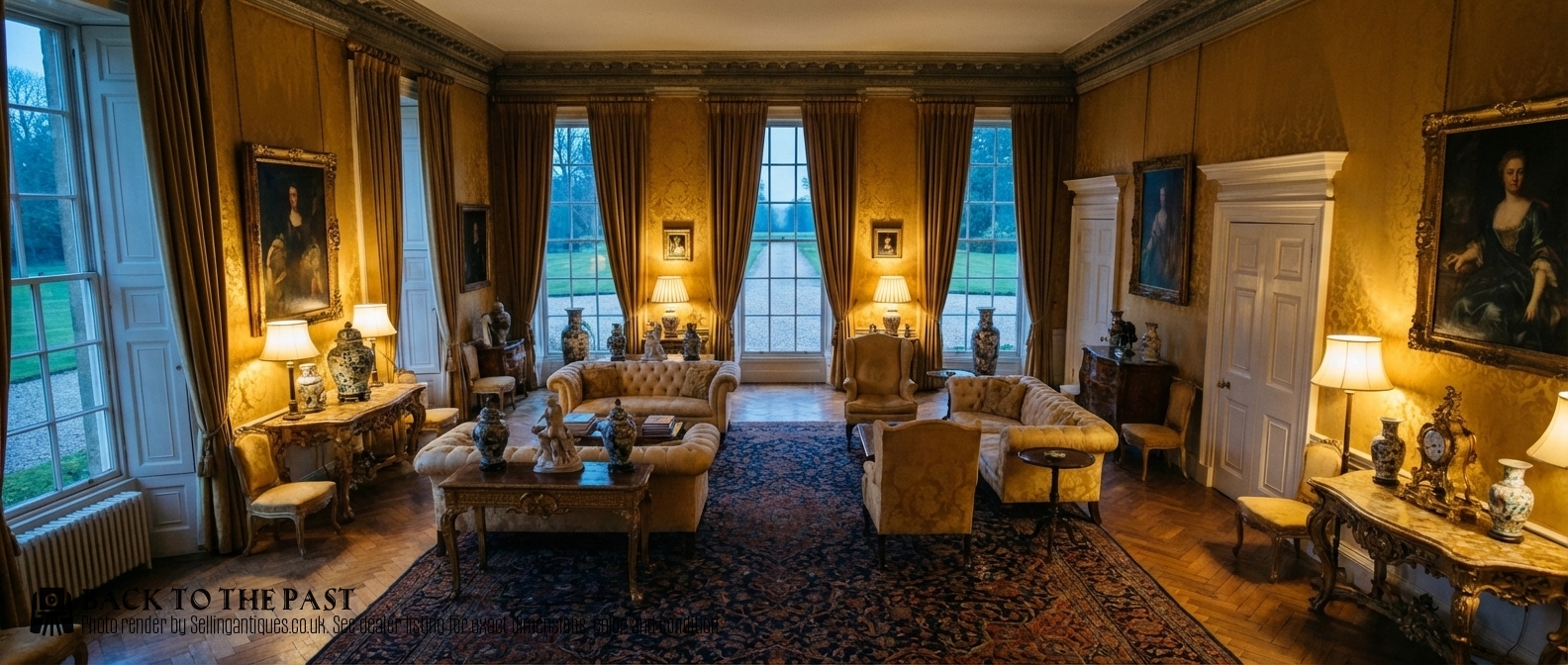
These clocks were traditionally positioned on the mantelpiece above a fireplace in formal reception rooms and parlours. Their ornate gilt surfaces were meant to catch the ambient light of the room.
They also found homes on console tables, credenzas, and bedroom side tables as both ornaments and practical timepieces.
How do you identify nineteenth-century styles?
Nineteenth-century clocks often revive earlier aesthetics, such as Louis XVI symmetry or exuberant Rococo curves. Examination of the casting style, dial construction, and materials helps distinguish original eighteenth-century work from later nineteenth-century revivals like Napoleon III.
The inclusion of specific regional hallmarks or signature formats on the movement backplate also aids in dating.