




Decorative Table Clock
A decorative table clock sits on a mantelpiece or desk, bringing polished brass, enamel dials and sculpted bronze into a room.
Decorative Table Clock
A decorative table clock encompasses mantel clocks, carriage clocks and desk timepieces designed to tell time while serving as a prominent interior ornament. When exploring this selection, buyers frequently encounter French models from the nineteenth century alongside British bracket clocks and brass carriage designs.
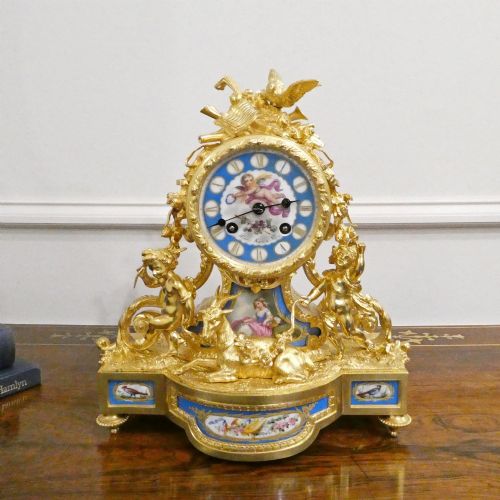
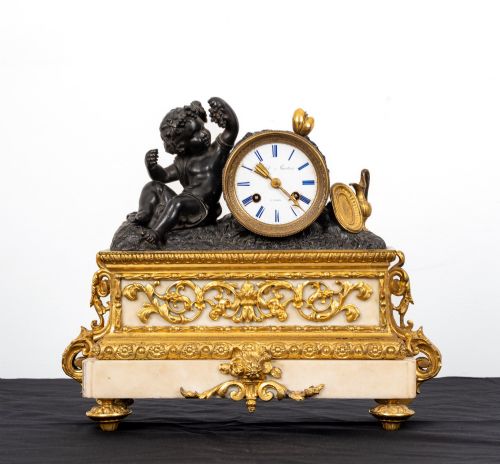
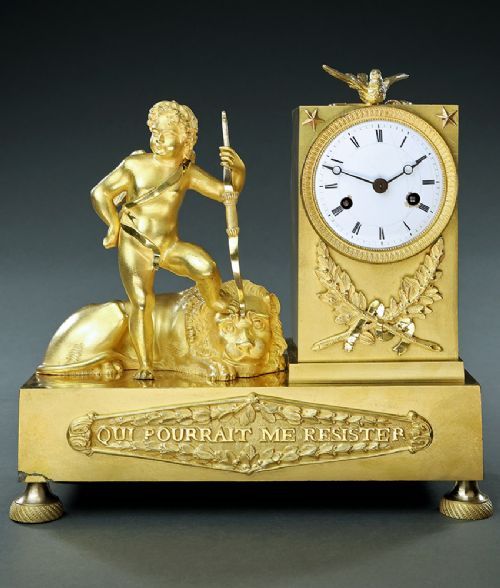
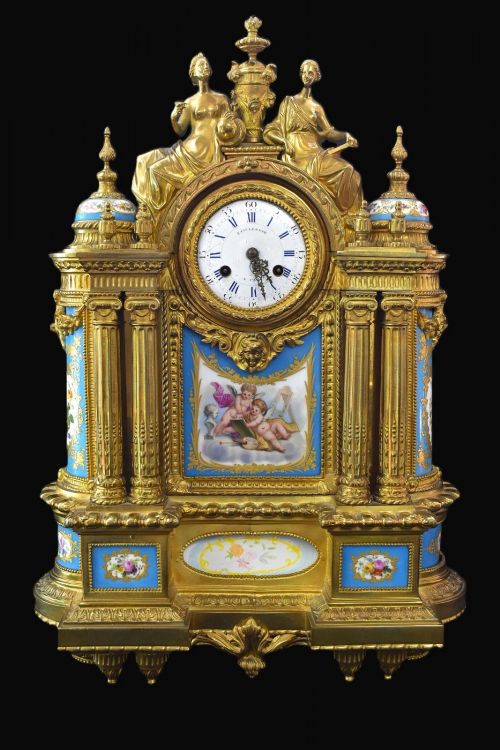
The primary forms vary from four-glass mantel pieces and architectural marble cases to smaller travelling timepieces with enamel dials. Many incorporate figural elements, decorative porcelain panels or repeating mechanisms housed within ebonised wood, gilt bronze or ormolu.
Materials and construction methods
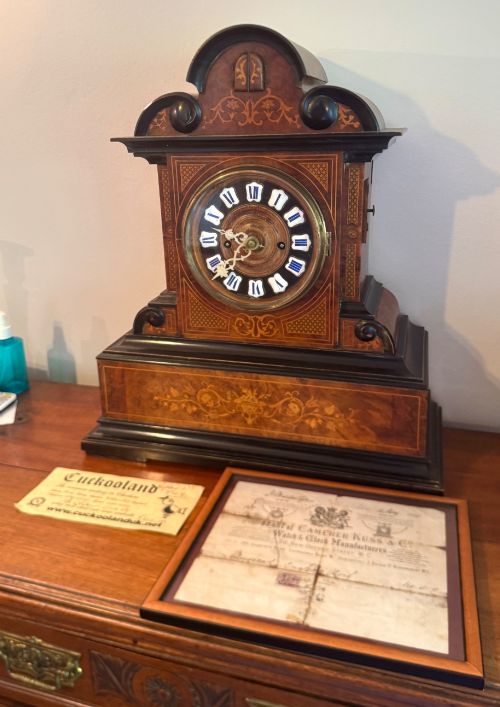
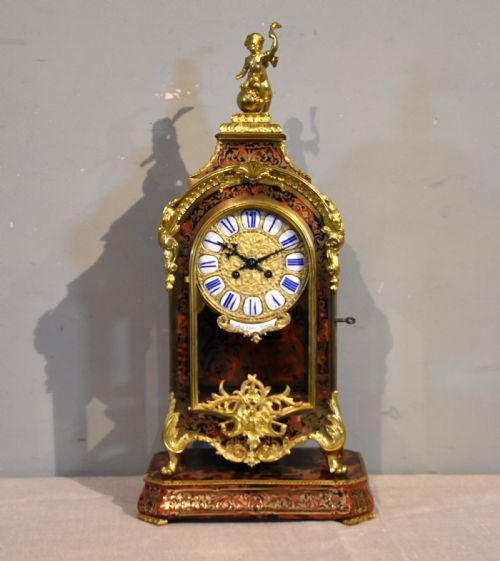
Watchmakers and bronze-founders built these pieces using cast metals like ormolu and gilt bronze, often mounted on white or rouge marble bases. Cases integrate walnut, rosewood and ebonised timber, frequently finished with marquetry or faux tortoiseshell panels.
Dials employ hand-painted porcelain, white enamel with fine numerals, or champlevé enamel work. Mechanical movements range from standard spring-driven timepieces to fusee movements and repeating carriage mechanisms.
Decorative Table Clock Retail Price Guide 2026
Typical asking prices for decorative table clock among the pieces listed under this phrase on Sellingantiques today, from the lower quarter to the upper quarter. They describe what is for sale here now, not the wider market.
Differentiating quality in these timepieces
The standard of a clock rests upon the crispness of the bronze casting, the depth of the gilt finish and the refinement of hand-painted porcelain elements. Maker signatures on movements and dials elevate a piece, reflecting superior workshop production.
Casing materials also dictate value, with intricate boulle marquetry, heavy marble mounts and detailed champlevé enamel separating standard production items from exceptional examples.
Henry Marc·Siffel and Cartier·Etienne Lenoir·Le Roy Paris·Thuret·Seller of Reading·Tiffany·PH Mourey
The Decorative Table Clock Glossary
- Ormolu
- A technique of applying finely ground high-carat gold to an bronze object using mercury. It gives the metal a rich, warm golden lustre.
- Champlevé
- An enamelling method where troughs or cells are hollowed out of a metal surface and filled with vitreous enamel before firing. The technique creates distinct patterns of colour bordered by thin metal lines.
- Boulle
- A style of marquetry using brass and tortoiseshell inlaid in contrasting patterns. It is named after the French cabinetmaker André-Charles Boulle.
- Carriage clock
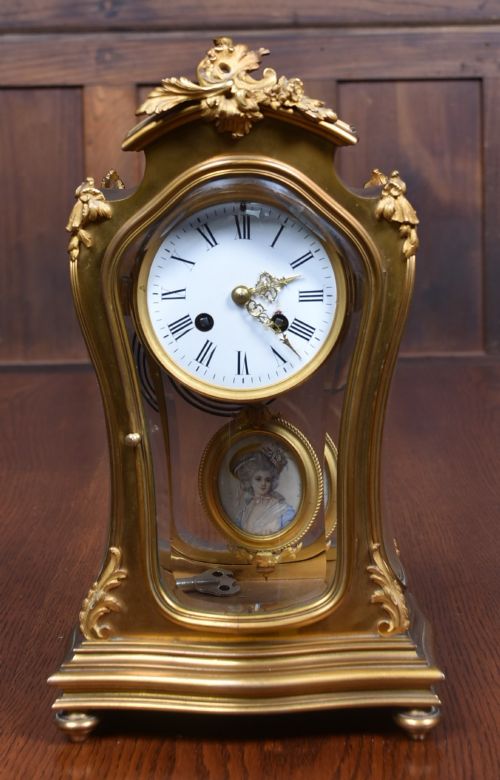
- A small, portable spring-driven timepiece equipped with a carrying handle and glass panels. They originated for travelling officers during the nineteenth century.
- Fusee
- A conical pulley used in clockwork to maintain an even pull on the movement as the mainspring unwinds. This mechanism improves the timekeeping accuracy of the clock.
Decorative Table Clock: Frequently Asked Questions
How do I wind a mechanical table clock?
Use the designated key to turn the winding square clockwise until resistance is felt. Take care not to overwind the mainspring.
Consult the specific movement type before adjusting the hands, as some repeating mechanisms require the hands to move only forward.
Where should I place a heavy marble clock?
Position the piece on a sturdy, level surface such as a heavy mantelpiece or a dedicated side table. Ensure the weight is evenly distributed to prevent the case from tilting.
Keep the clock away from direct sunlight and draughts to protect the delicate enamel dials and movement oils.
What is the difference between a carriage clock and a mantel clock?
Carriage clocks are compact, portable timepieces featuring carrying handles and glazed sides designed for travel. Mantel clocks are larger, heavier ornamental pieces meant to remain stationary on a shelf or desk.
Materials for carriage clocks lean towards brass and enamel, whereas mantel clocks frequently utilise marble, gilt bronze and exotic woods.
How do I identify a nineteenth-century French clock?
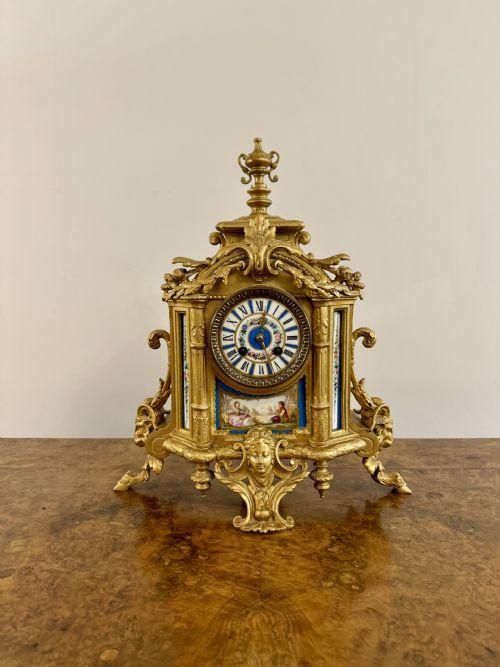
Look for stylistic cues such as gilt bronze mounts, Sevres-style porcelain panels and cast figures depicting classical themes. Movements often bear French foundry stamps or maker signatures on the backplate.
Case materials commonly include ormolu, black marble, and ebonised wood characteristic of the Victorian and Napoleon III periods.