
Vintage French Clock
A vintage french clock brings traditional timekeeping into domestic spaces through brass carriage forms, marble mantel designs and carved wooden wall pieces.
Vintage French Clock
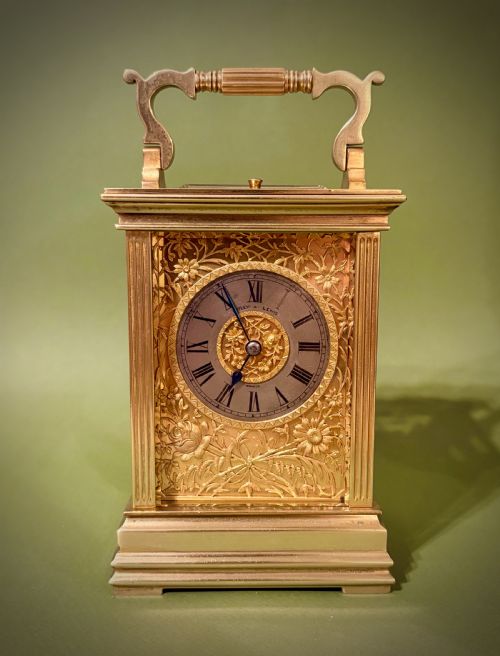
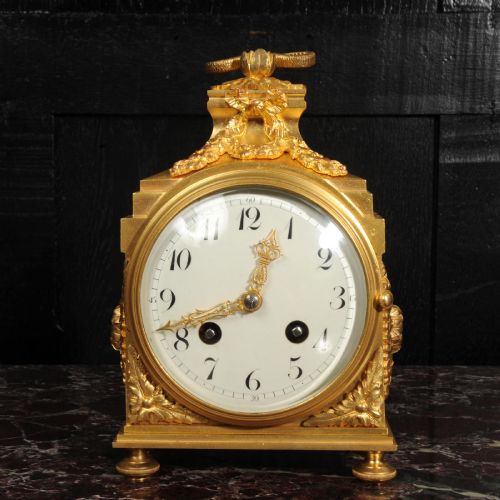
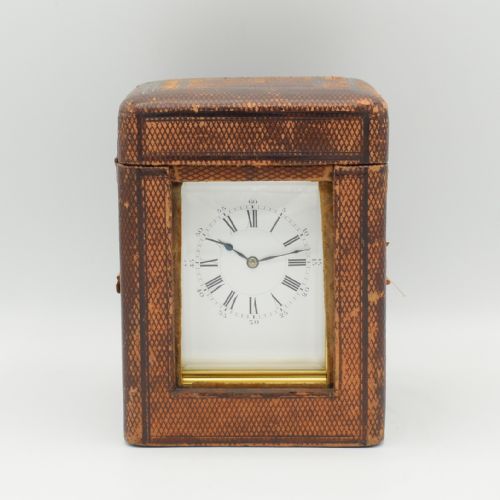
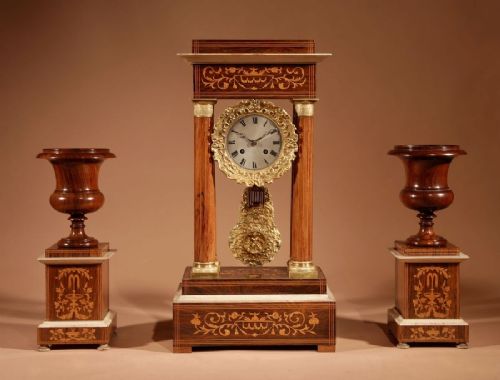
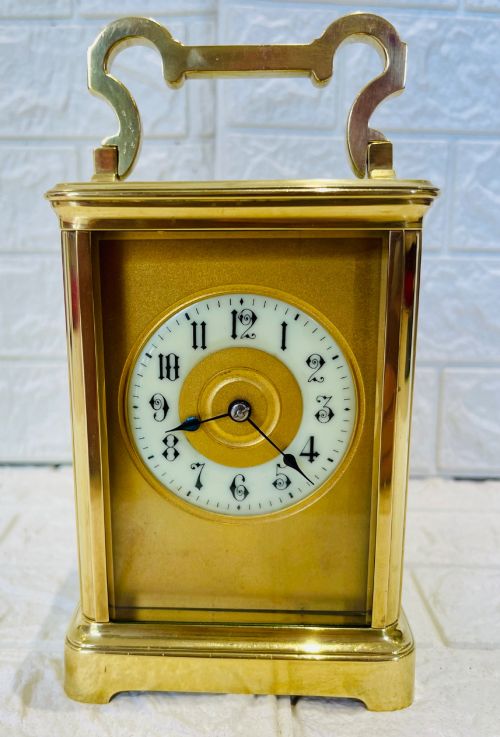
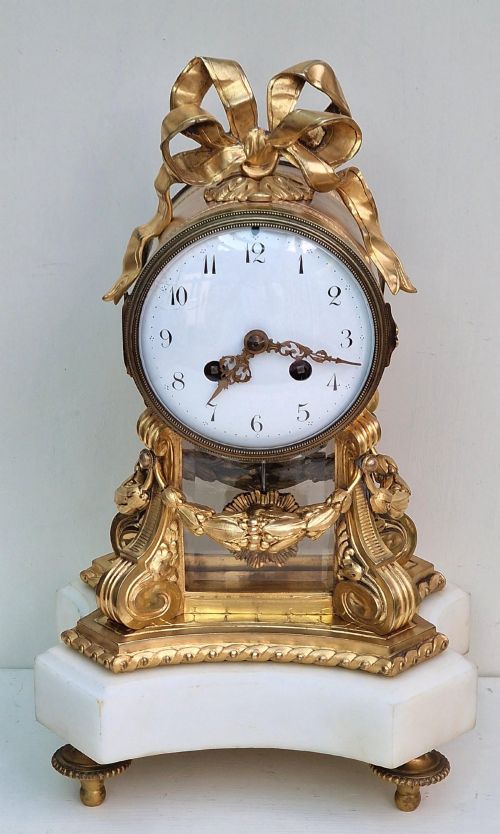
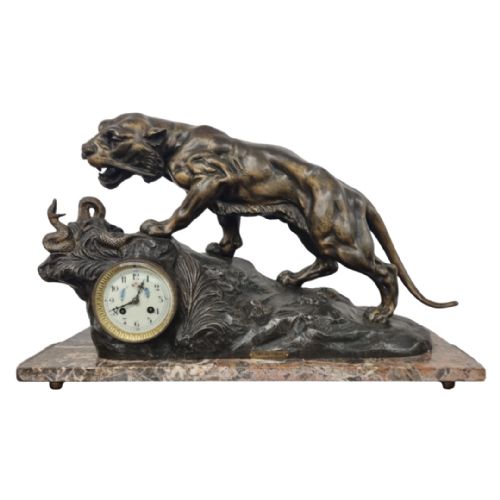
A vintage french clock encompasses a wide array of timepieces ranging from heavy marble mantel garnitures to portable brass carriage clocks. The selection on this page relies heavily on nineteenth century Victorian examples alongside early twentieth century Art Deco designs.
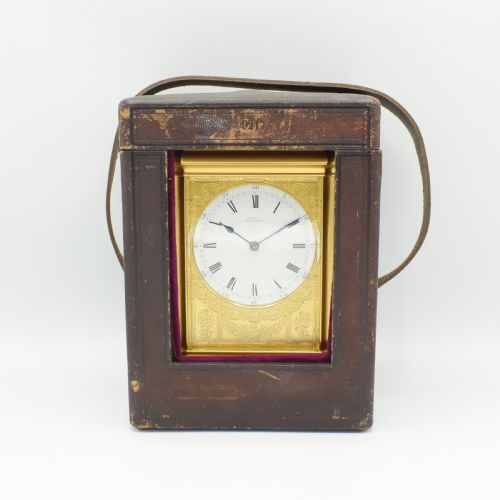
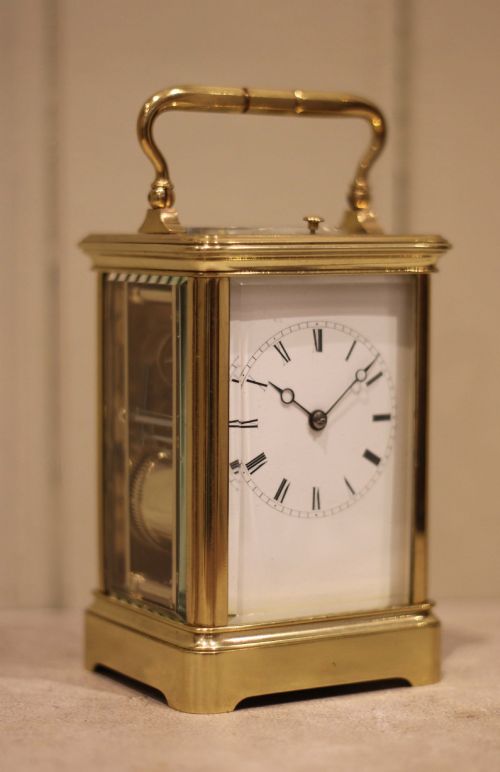
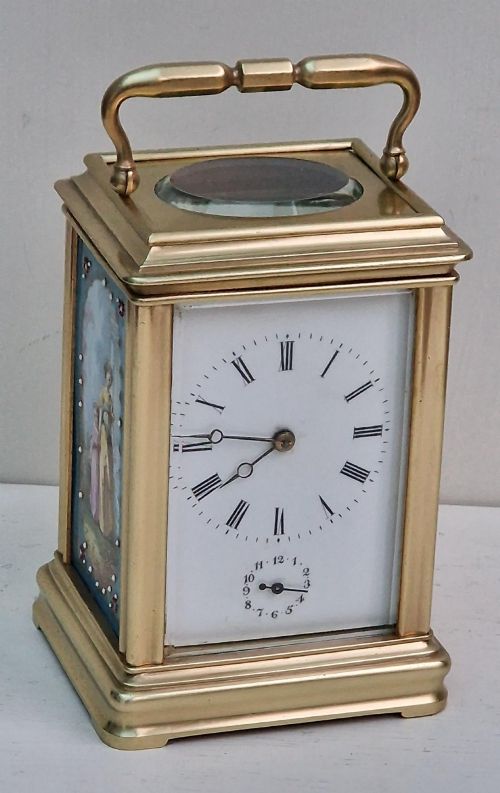
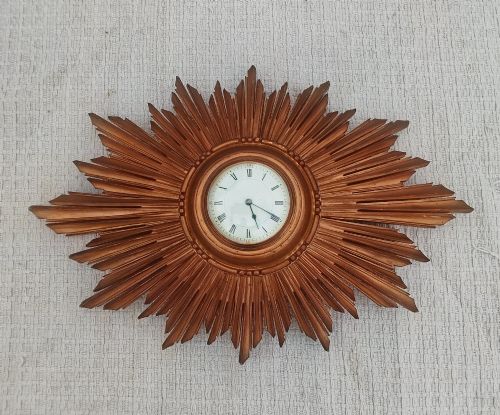
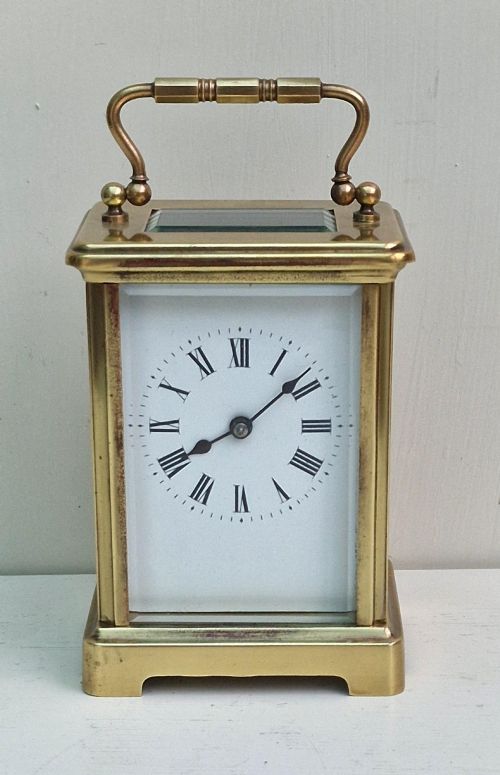
Carriage clocks dominate the offerings, frequently housed in glass panels with striking and repeating mechanisms. Buyers also encounter architectural portico models, wall hung star burst units and porcelain mounted timepieces originating from French workshops.
What varies in quality
Quality differences stem from the precision of the internal mechanical movement and the weight of the cast case metals. Heavy gilt bronze and detailed ormolu castings separate standard production models from superior examples.
The crispness of dial enamel, the integrity of bevelled glass windows and the presence of signed maker movements dictate the overall standard. Original travel cases and fully operational striking or repeating functions elevate the tier of the piece.
Vintage French Clock Retail Price Guide 2026
Typical asking prices for vintage french clock among the pieces listed under this phrase on Sellingantiques today, from the lower quarter to the upper quarter. They describe what is for sale here now, not the wider market.
Materials utilised across the inventory include brass, glass, marble, porcelain, walnut, mahogany and gilt bronze.
Henri Jacot·R Lalique·Walker and Hall·Jaz
The Vintage French Clock Glossary
- Carriage clock
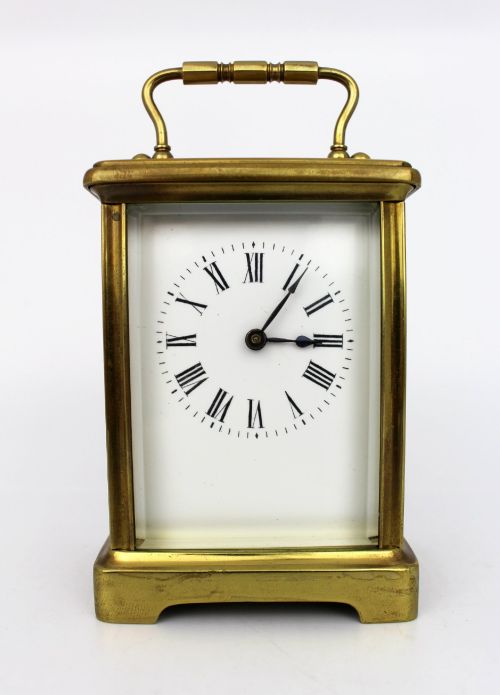
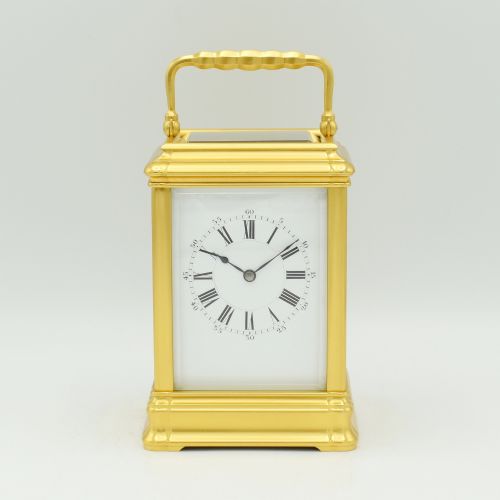
- A small, portable spring driven timepiece originally designed for travel, featuring a carrying handle and glass panels that display the movement. These units often include striking mechanisms.
- Garniture
- A set of matching decorative objects, typically comprising a central mantel clock flanked by matching urns or side pieces placed on a shelf or mantelpiece. These sets frequently utilise marble or gilt bronze.
- Portico clock
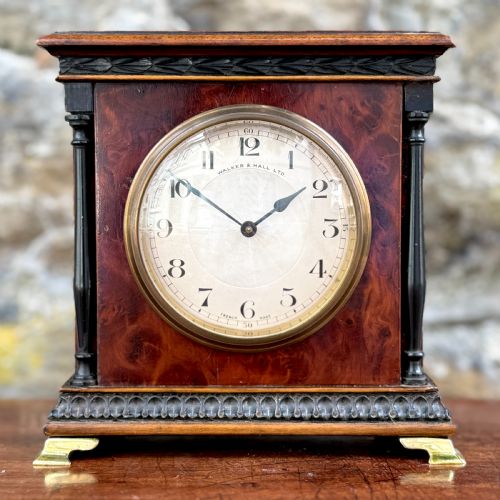
- A mantel clock styled after classical architecture with supporting columns framing the central pendulum housing. This neoclassical design gained popularity during the nineteenth century.
- Champleve enamel
- A technique where troughs or cells are carved into the surface of a metal object and filled with vitreous enamel paste before firing. This method creates colourful decorative patterns on clock bezels and cases.
Vintage French Clock: Frequently Asked Questions
What is a carriage clock?
A carriage clock is a portable spring driven timepiece fitted with a glass case and a handle on top. They were designed for travel during the nineteenth century.
Most examples sit on four small feet and house mechanical movements that often include alarm or striking complications.
How do I wind an antique clock?
Antique clocks require a specific key inserted into the winding arbors located on the dial or back plate. Turning the key tensions the internal mainspring gently.
Care must be taken not to overwind the mechanism, stopping as soon as resistance is felt against the key.
What is a portico clock?
A portico clock is a mantel timepiece built with architectural columns supporting a central pediment. The pendulum typically swings visibly between these structural pillars.
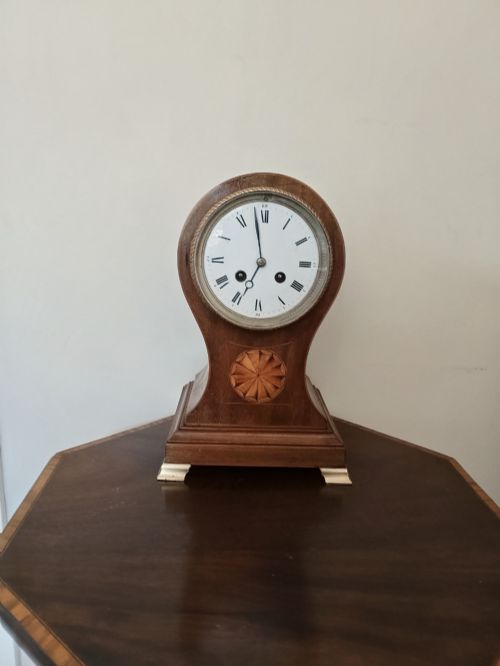
Originating in the neoclassical period, these clocks often feature wooden cases decorated with marquetry or inlay.
How do I date a French clock?
Dating relies on stylistic clues, case materials, dial signatures and the evolution of internal escapement mechanisms. Art Deco models feature geometric Bakelite or streamline forms from the twentieth century.
Earlier nineteenth century pieces lean towards heavy brass, ormolu, marble and ornate champleve enamel decorations.