



French Architectural Clock
A French architectural clock turns buildings into timepieces, giving a room monumental presence through columns, porticos and classical marble.
Understanding French architectural clocks
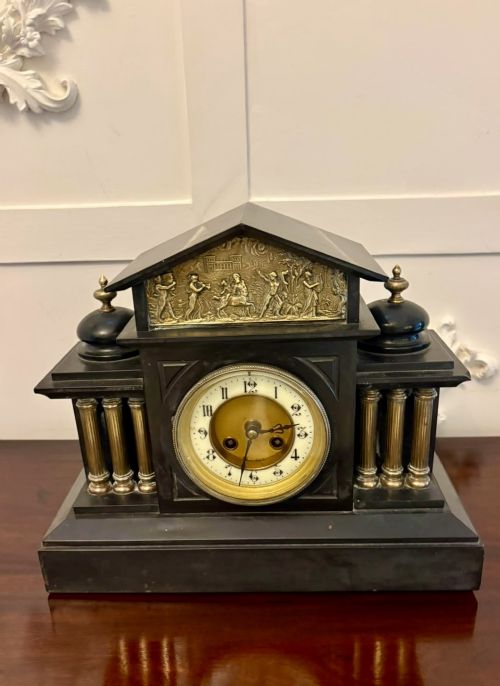
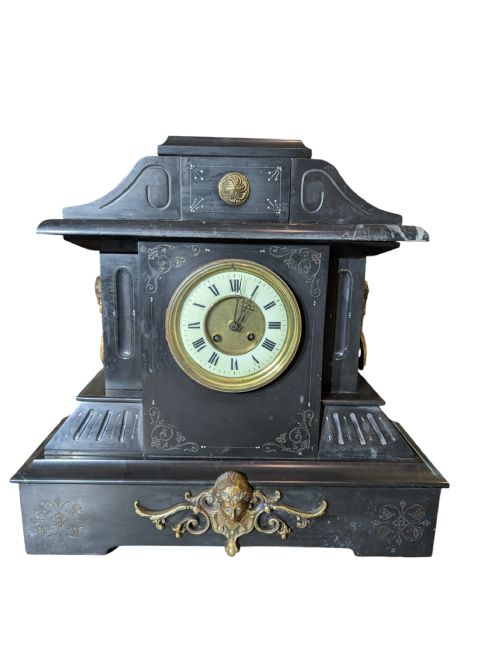
When you search for a French architectural clock, you are looking at mantel timepieces designed to echo classical buildings, ancient temples and grand porticos. These objects translate stone columns, pediments and multi-tiered facades into miniature domestic sculpture that sits upon a fireplace.
The versions you are most likely to meet on this page span the nineteenth century, including pieces from the eighteen-sixties and eighteen-eighties alongside earlier nineteenth-century examples. They draw upon French Empire, Restauration and Classical Revival styles, using architectural forms to frame the dial.
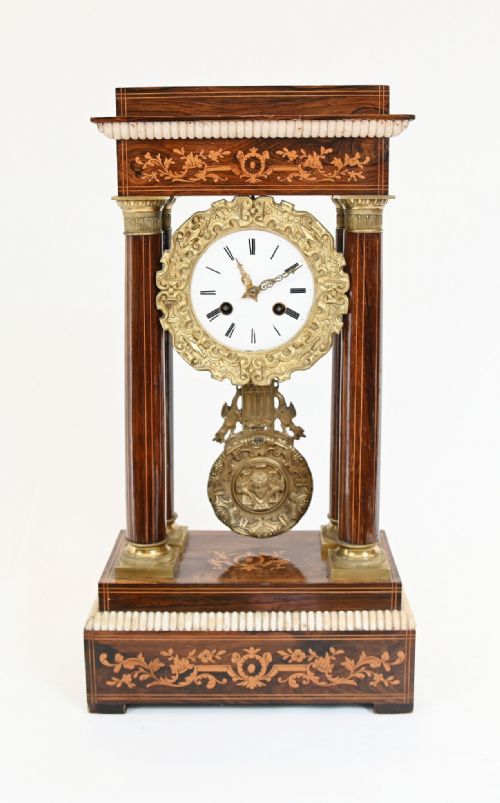
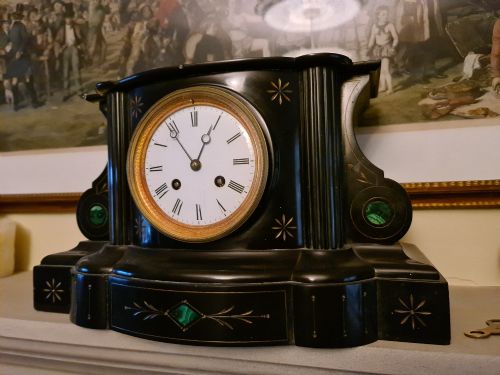
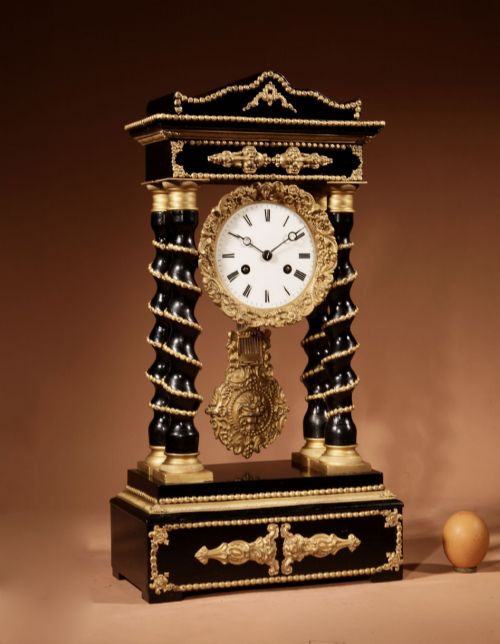
Beyond standard mantel clocks, the evidence shows portico forms and carriage clock designs interpreted through an architectural lens. These range from ebonised wood and gilded portico structures to robust marble and slate housings.
Materials and construction
Makers built these clock cases using a combination of dense stones and rich timbers, incorporating marble, slate, rosewood and ebonised wood. Brass and ormolu mountings provided structural trim and decorative highlights around the glass panels and dials.
Enamel dials were fitted behind protective glass to display the time, often integrated directly into the stone or wooden architectural framework. The structures relied on precision carpentry and stonemasonry to keep columns, bases and pediments aligned.
Retail Price Guide 2026
Typical UK retail prices for french architectural clock, calculated from the Sellingantiques database of over a million retail prices indexed since 2003. This retail price guide relies exclusively on Sellingantiques data; no external sources or auction records are used, so the figures do not describe the wider market.
Listings feature nineteen-century pieces spanning the eighteen-sixties and eighteen-eighties, alongside broader nineteenth-century examples.
Assessing quality and execution
The division between ordinary and exceptional pieces lies in the ambition of the architectural detailing and the crispness of the materials. Fine examples feature carefully selected siena marble, deep ebonised finishes paired with genuine gilding, and well-proportioned columns that respect classical rules.
Lesser pieces rely on simpler wooden housings with minimal decoration, whereas top-tier works integrate ormolu mounts and multiple glass panels that allow light to pass through the movement. The integration of the dial into the stone or wood facade dictates the overall visual success of the clock.
The French Architectural Clock Glossary
- Portico clock
- A distinct architectural style featuring four or more vertical columns supporting a prominent lintel and pediment, housing a suspended pendulum between the uprights.
- Ormolu
- Gilded bronze applied to clock mounts and decorative elements, offering a warm metallic finish that contrasts with dark marble or ebonised wood.
- Ebonised wood
- Timber treated to imitate costly ebony, providing a deep black surface often highlighted with gilding in nineteenth-century French pieces.
- Siena marble
- A distinctive yellow-orange decorative marble with dark grey veining, frequently utilised in nineteenth-century French architectural clock cases.
- Classical Revival
- An artistic movement drawing direct inspiration from the architecture and ornamentation of ancient Greece and Rome.
Frequently Asked Questions
What is a French portico clock?
A French portico clock is a distinct architectural timepiece where the movement is suspended between vertical pillars supporting an upper pediment.
These structures mirror ancient temple architecture, often framing a pendulum that swings visibly within the central opening.
How do I date an architectural clock?
You date these pieces by examining the materials, such as siena marble or ebonised wood, alongside stylistic cues from the French Empire and Classical Revival periods.
Nineteenth-century examples frequently combine classical architectural proportions with enamel dials and Ormolu mounts.
Where should I place a marble clock?
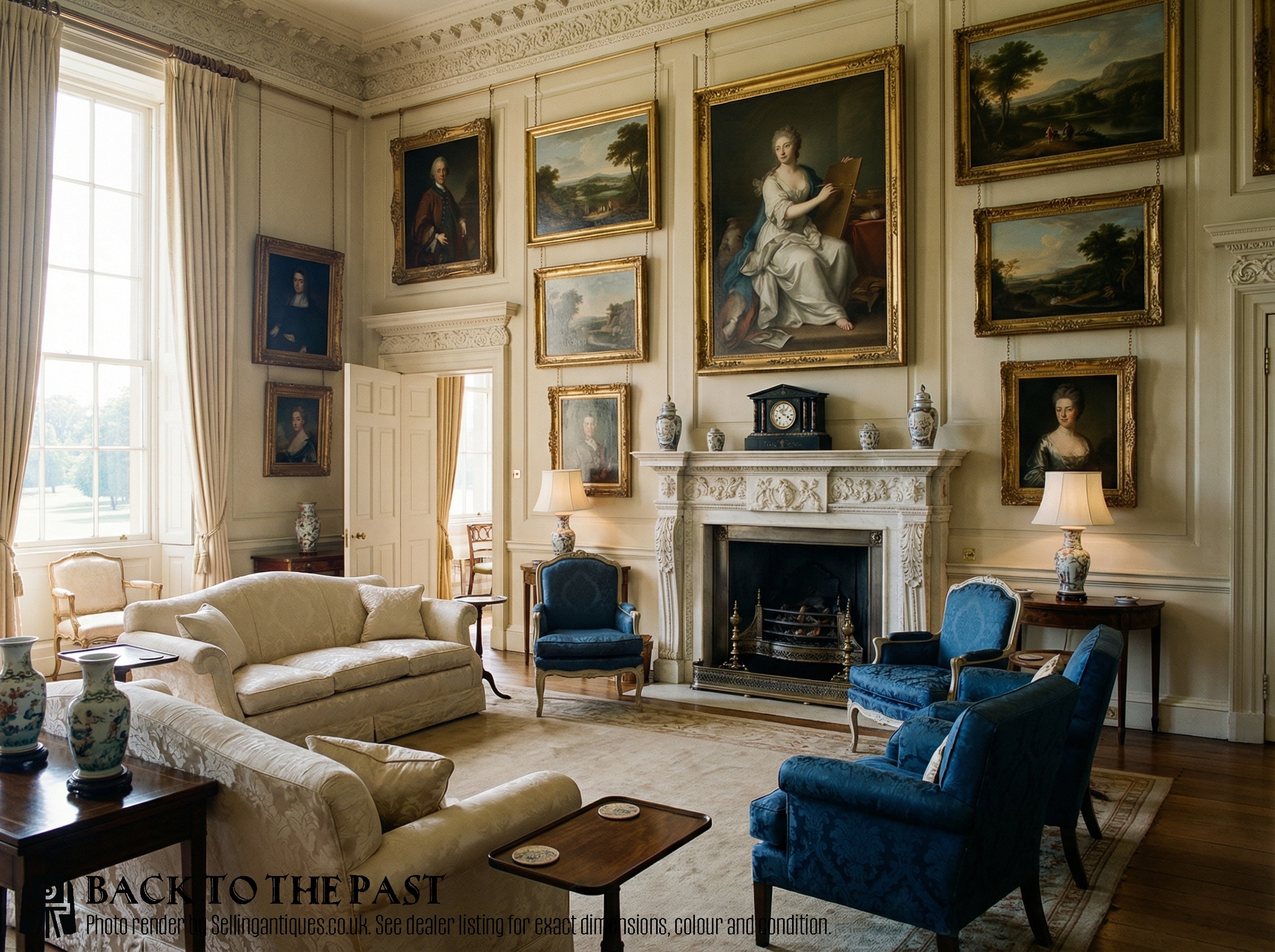
Marble architectural clocks require a sturdy surface like a mantelpiece or a heavy sideboard due to their considerable weight.
Keep them away from direct sunlight and damp walls to protect the stone surface and the metal movement inside.
Are carriage clocks architectural too?
Some carriage clocks incorporate architectural elements such as classical columns, stepped cases and pediment-like tops.
These smaller pieces translate grand building designs into portable formats meant for travel.