


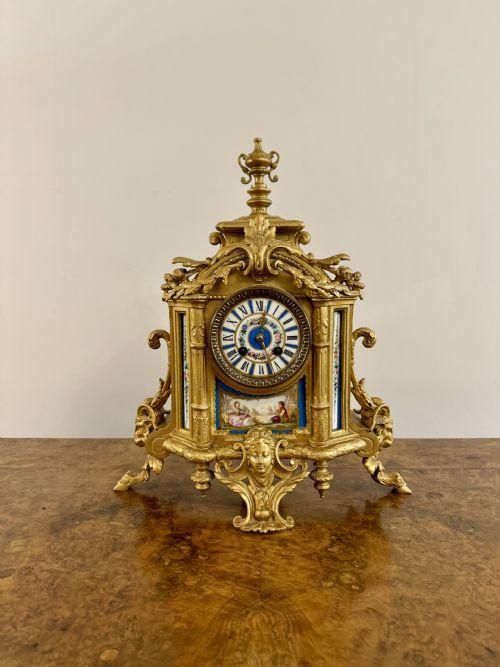

Porcelain Mantel Clock
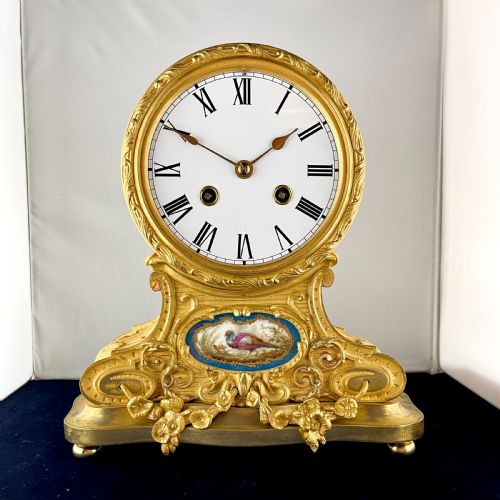
A porcelain mantel clock brings together painted ceramic panels and gilt metalwork to keep time with ornamental weight on the shelf.
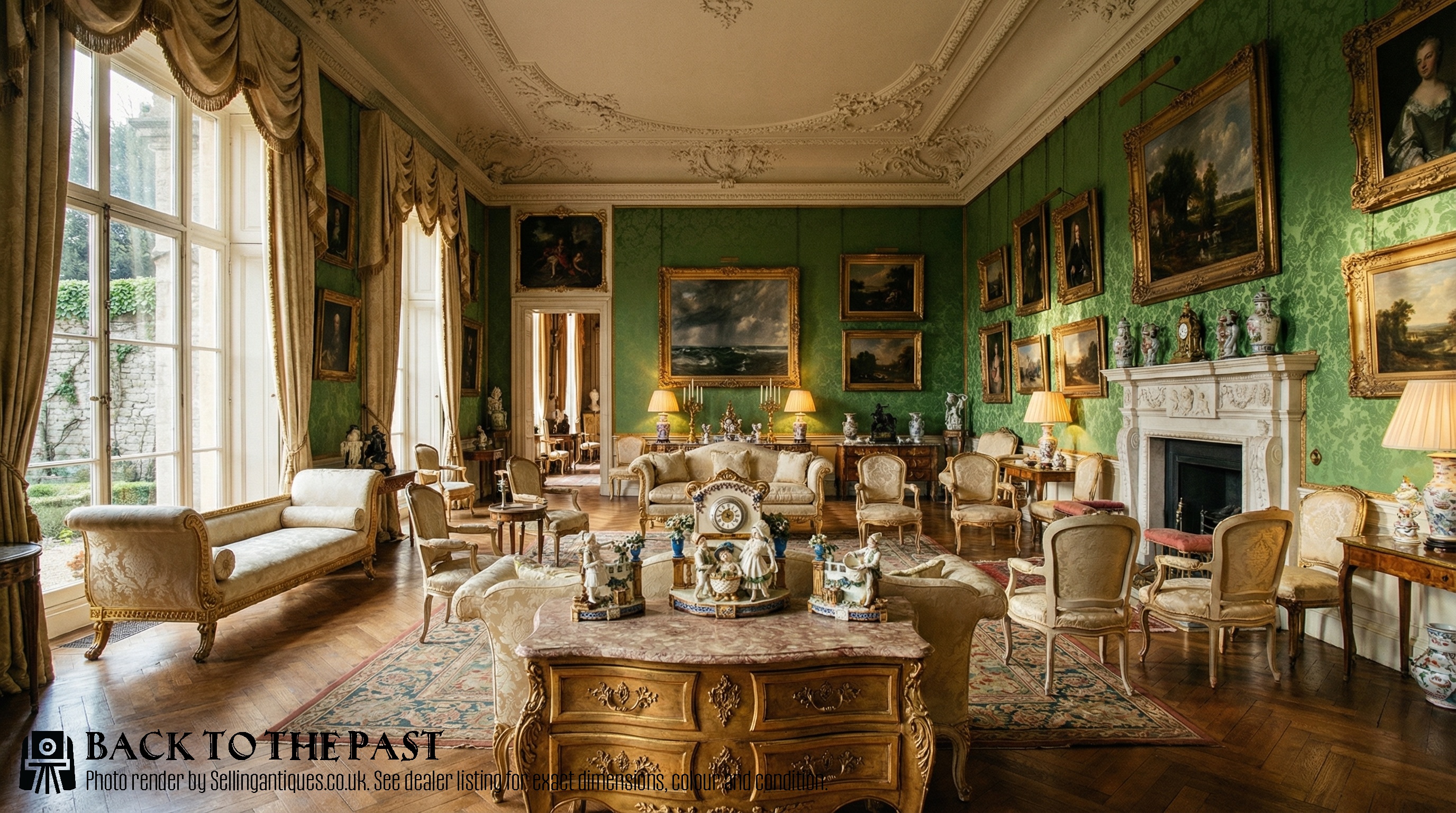
Porcelain mantel clock forms and origins
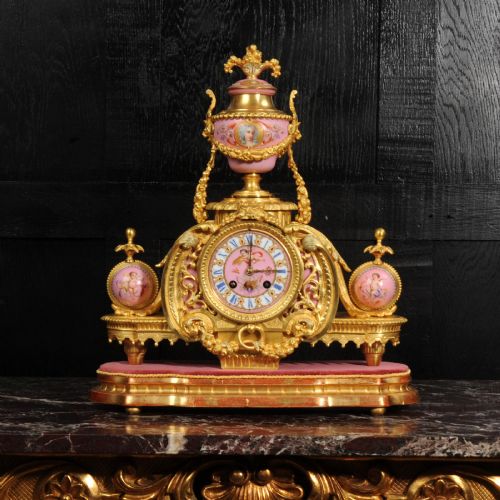
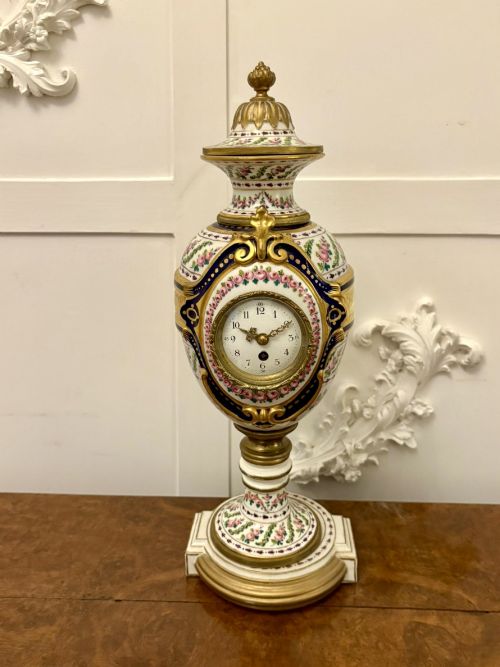
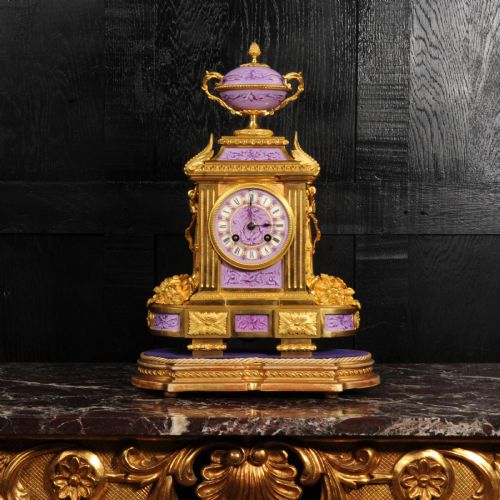
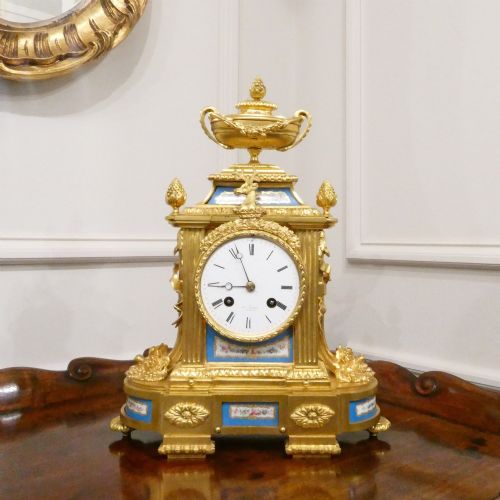
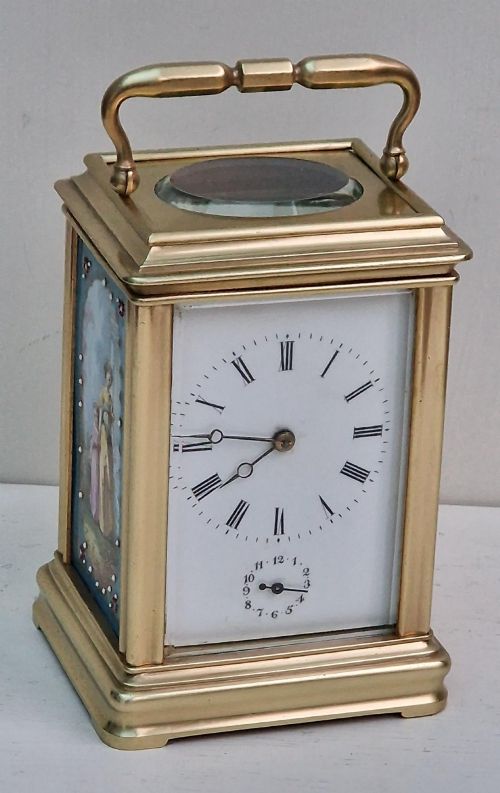
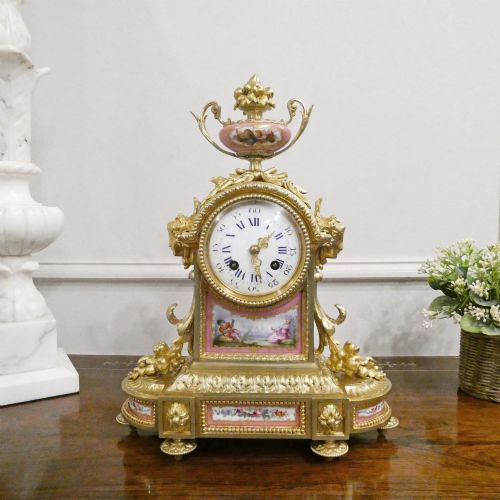
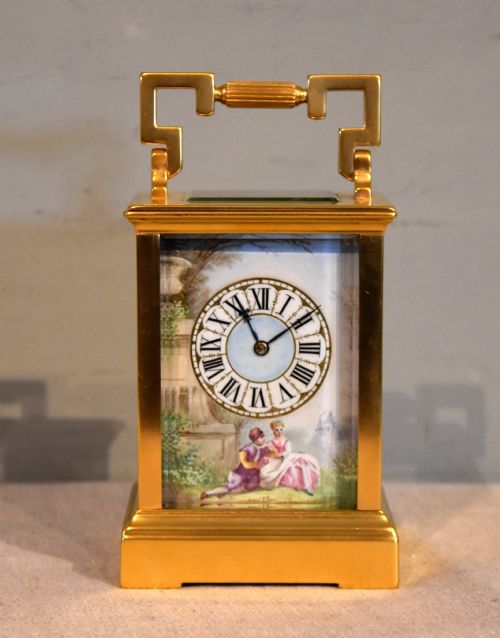
When you examine a porcelain mantel clock, you are looking at nineteenth-century timepieces that combine ceramic bodies or decorated panels with metal mounts. The examples you encounter on this page span the Victorian and Edwardian eras alongside French periods including Napoleon III, Louis XV, and Louis XVI styles.
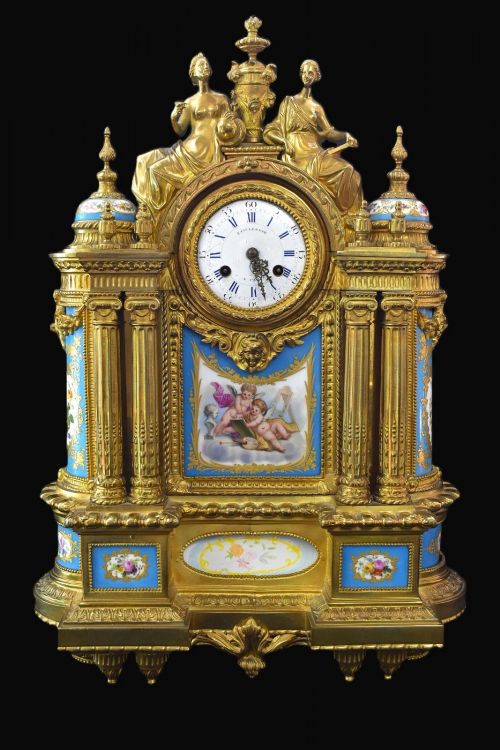
Most pieces you meet here originate from French workshops or British makers, taking the form of striking clocks, garniture sets with side urns, and carriage timepieces. These objects served a domestic function in period drawing rooms and parlours, displaying painted scenes or floral motifs on their porcelain dials and panels.
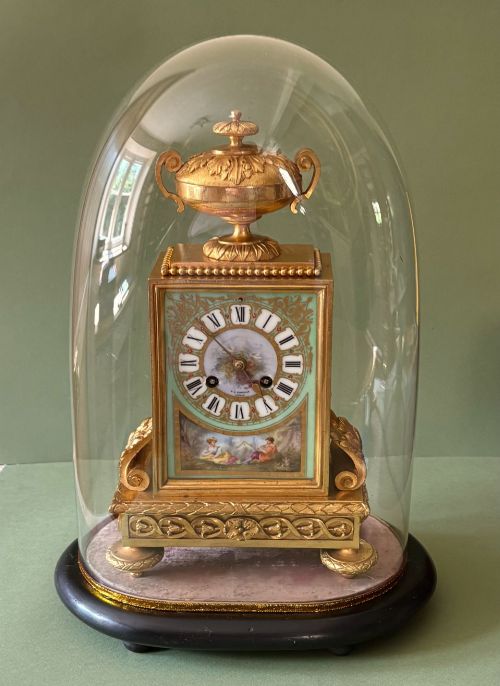
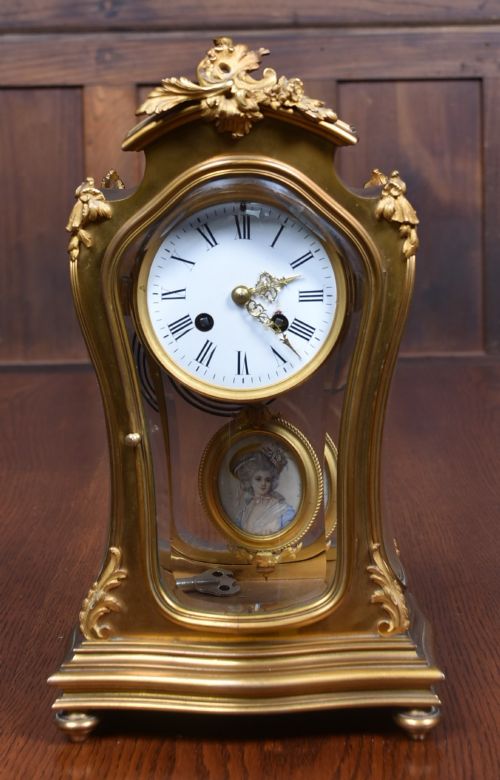
The selection includes specific sculptural shapes such as artists' palettes and architectural cases framed in brass, ormolu, and gilt bronze. Certain pieces incorporate glass domes to protect the delicate gilt surfaces and painted porcelain elements from dust.
Materials and construction
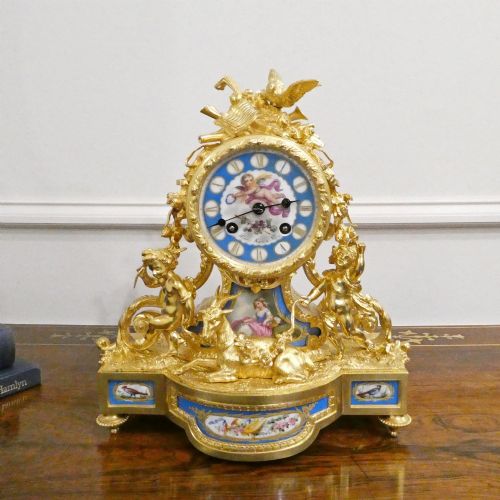
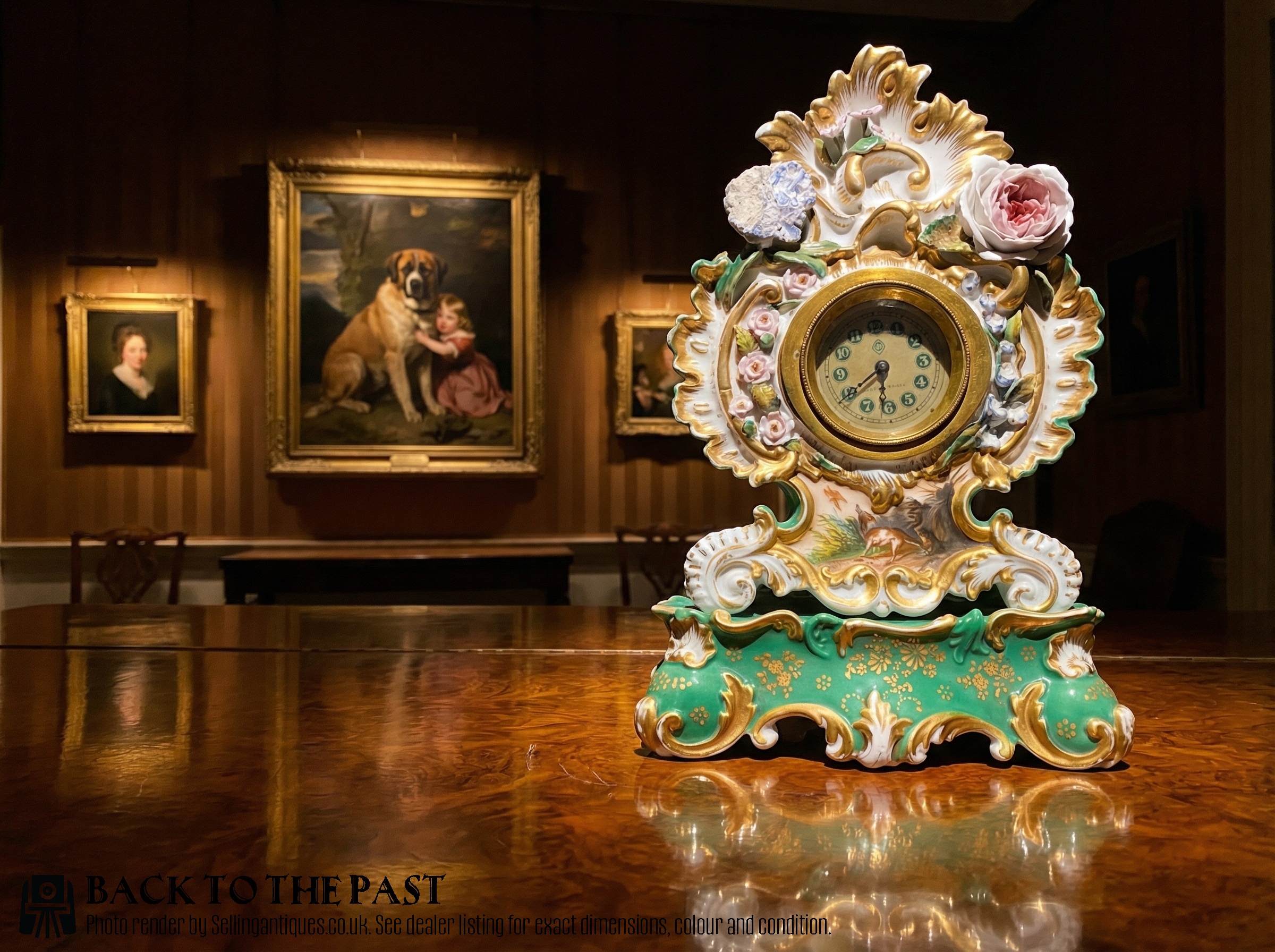
The construction of these clocks relies on hard-paste porcelain combined with cast brass, gilt bronze, and ormolu mounts finished with gold leaf. Makers used enamelled dials featuring individual porcelain cartouches for the hours, housing mechanical movements driven by springs or weights.
The ceramic components feature hand-painted decoration, often depicting birds, figures, or floral scenes set against coloured grounds. These porcelain plaques and panels are fitted directly into metal frames or secured behind bevelled glass within the clock housing.
Retail Price Guide 2026
Typical UK retail prices for porcelain mantel clock, calculated from the Sellingantiques database of over a million retail prices indexed since 2003. This retail price guide relies exclusively on Sellingantiques data; no external sources or auction records are used, so the figures do not describe the wider market.
Listings feature hard-paste porcelain, gilt bronze, and brass, spanning the Victorian era and French Napoleon III and Louis periods.
Differences in quality
Quality in these clocks rests on the precision of the cast metal mounts and the artistry of the painted porcelain panels. Finer examples display finely chased ormolu and detailed hand painting on the ceramic, whereas simpler items rely on plain brass cases and mass-produced transfers.
The distinction also lies in the reputation of the maker and the integration of the movement with the case. Signed works from established French foundries and porcelain houses demonstrate a greater harmony between the ceramic elements and the structural metalwork.
Japy Freres·Delettrez·PH Mourey·Meissen·Vincenti·Tiffany and Co
The Porcelain Mantel Clock Glossary
- Ormolu
- Gilt bronze applied to decorative objects using a mercury gilding process or electroplating. This technique creates a rich golden surface that frames the porcelain panels.
- Hard-paste porcelain
- A dense, durable ceramic material fired at high temperatures, composed of kaolin and petuntse. It provides a stable white ground for the hand-painted scenes found on these clocks.
- Garniture set
- A matching group of decorative objects consisting of a central clock flanked by matching side pieces such as urns or vases. These sets were designed to sit symmetrically on a mantelpiece.
- Cartouche
- A separate small plaque or plaque section on a clock face used to indicate individual hours. These porcelain segments are often pinned individually to the dial plate.
Frequently Asked Questions
How do I wind a porcelain mantel clock?
Wind the clock using the key provided on the arbors in the dial face, turning gently until you feel resistance. Take care not to overwind the mainspring.
Ensure you do not force the hands backward when setting the time, moving them strictly in a clockwise direction to protect the vintage gear train.
Why does my clock run fast or slow?
Mechanical clocks require regulation via the pendulum to keep accurate time. Adjusting the small nut on the pendulum bob up or down alters the swing speed.
Environmental changes such as temperature and a non-level mantelpiece can also affect the beat of the escapement inside the brass movement.
How should I clean the porcelain panels?
Dust the painted ceramic surfaces softly with a dry, clean artist's brush or a soft microfiber cloth. Avoid commercial liquid cleaners or water.
Moisture can seep into hairline cracks in the glaze or damage the hand-painted pigments and gilt highlights surrounding the panels.
Are these clocks suitable for daily use?
These nineteenth-century pieces function well for regular timekeeping if they have been professionally serviced and oiled. Treat the mechanical movement with care.
Many owners choose to run them occasionally rather than continuously to preserve the antique springs and delicate escapement components.