
French Brass Mantle Clock
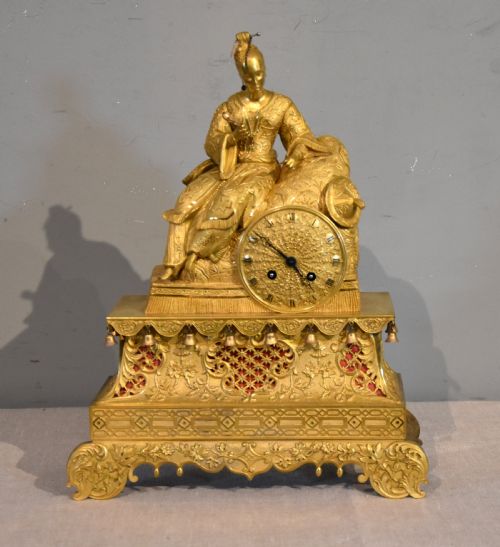
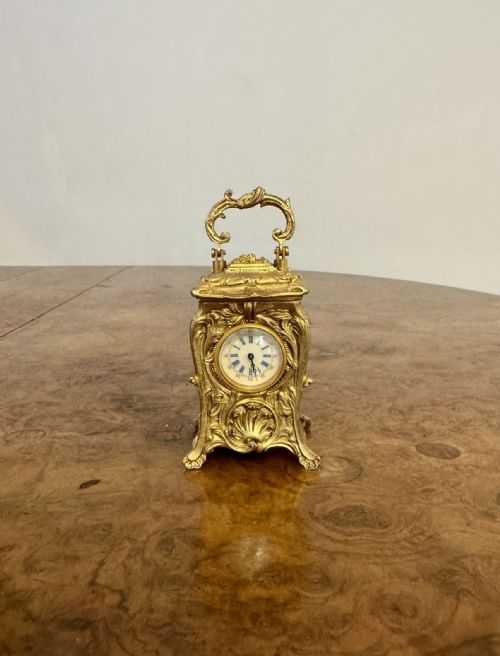
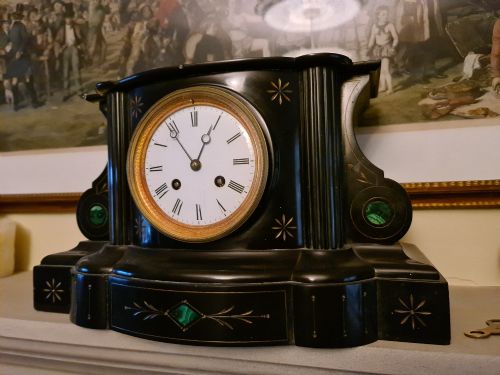
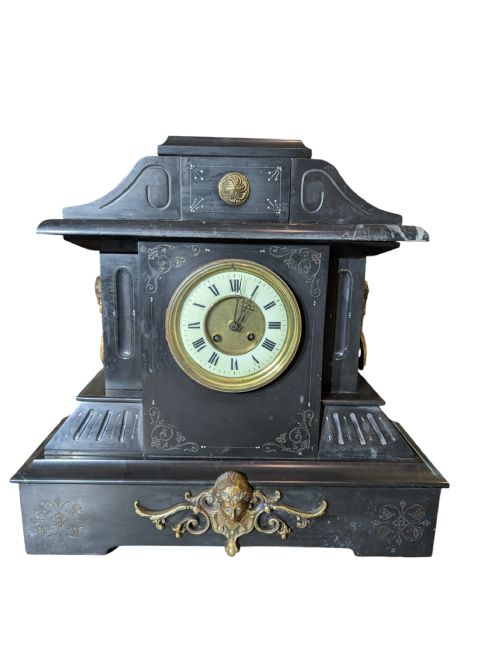
These French brass mantle clock pieces combine heavy metal cases with delicate dials, offering both timekeeping and traditional nineteenth century decoration.
French brass mantle clock types
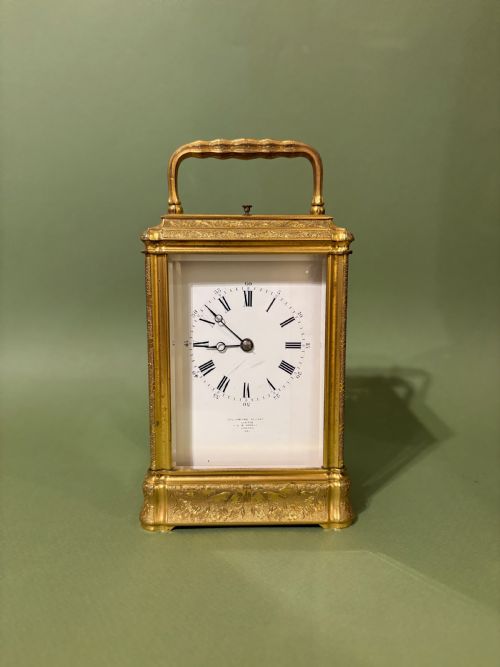
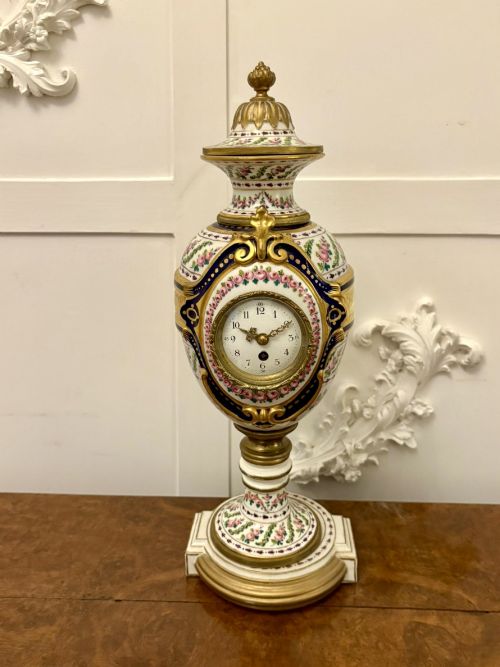
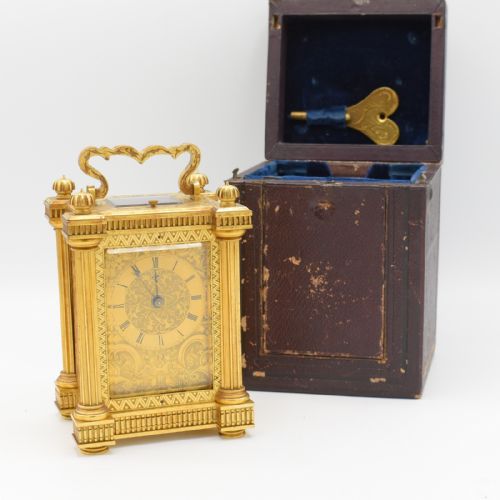
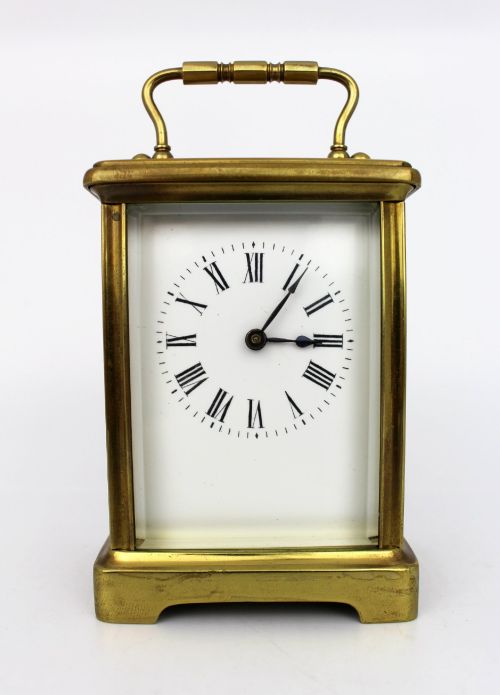
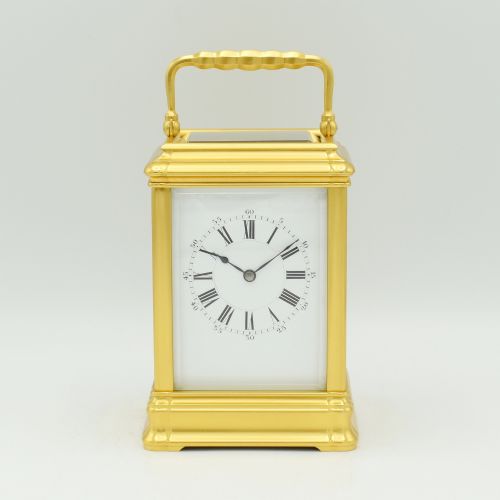
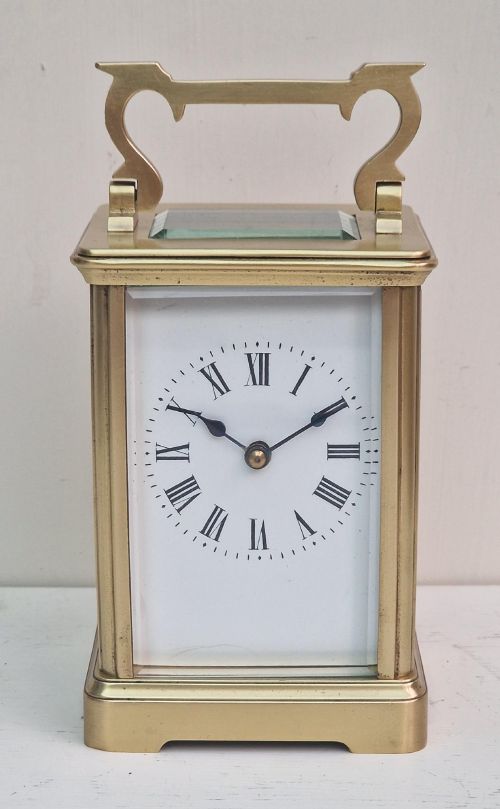
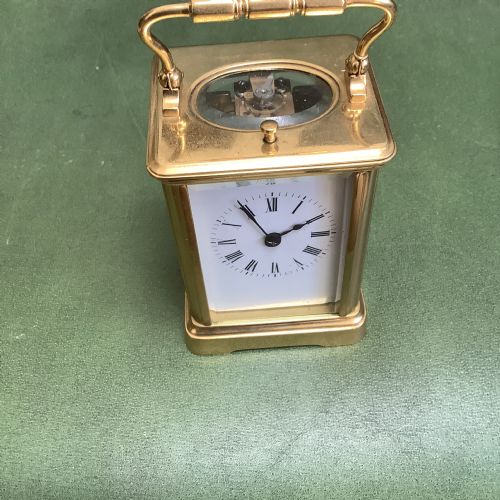
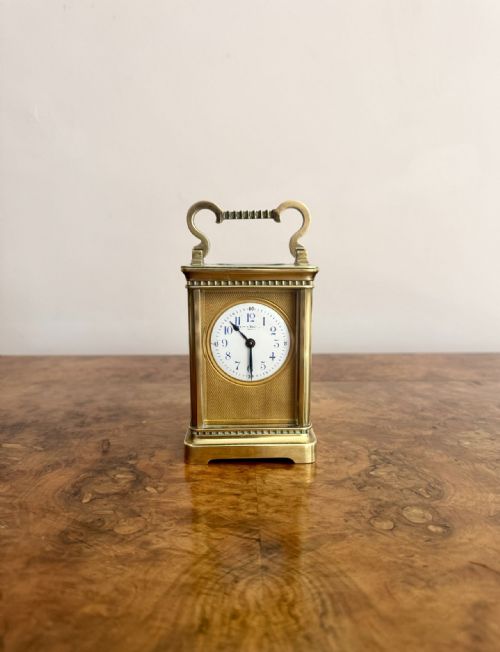
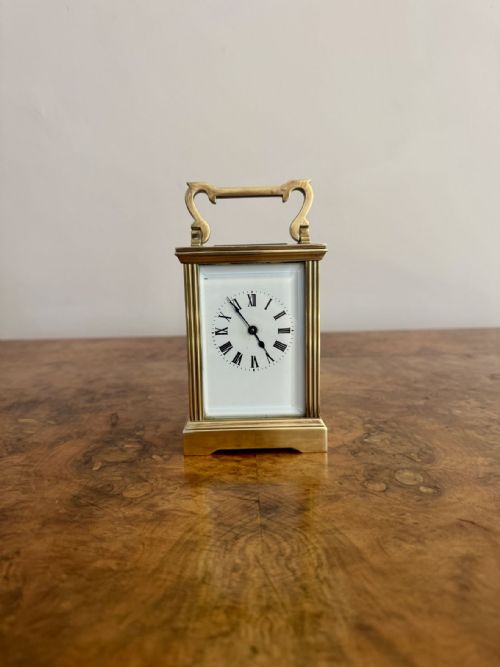
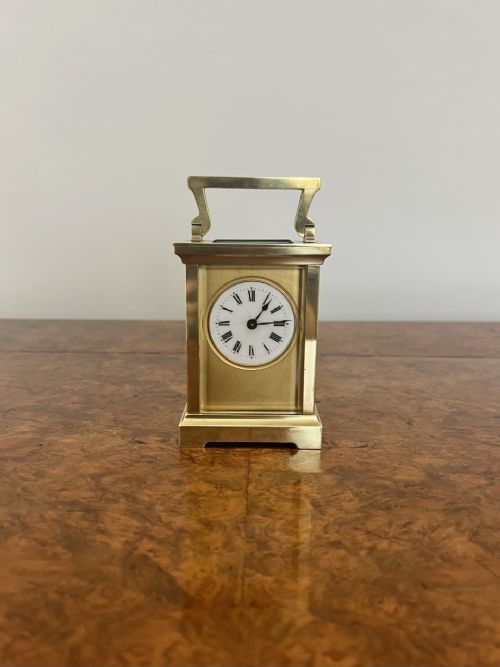
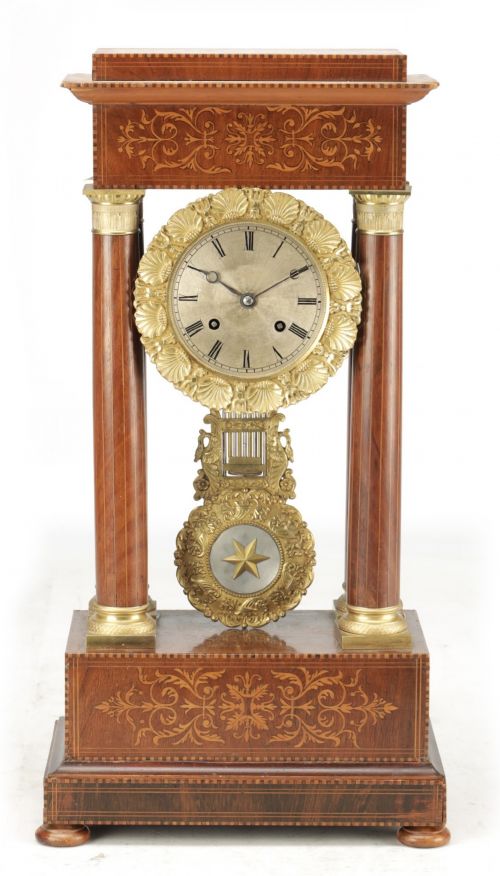
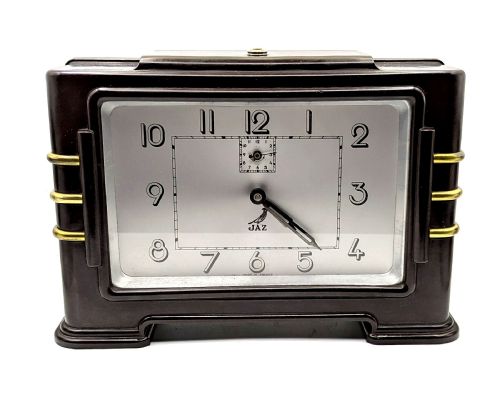
A french brass mantle clock search reveals items spanning the middle of the nineteenth century through to the belle epoque and nineteen hundred. The most frequent encounters on this page are carriage clocks with glass panels, alongside larger four glass mantel clocks and clock garnitures.
Makers such as Tiffany and Paul Garnier appear in the records alongside unsigned pieces from the late nineteenth century. Styles range from plain corniche cases to louis xvi revival designs incorporating champleve enamel and marble bases.
Materials and construction
Cases combine polished brass and gilt bronze with bevelled glass windows that reveal the mechanical works within. Dials feature white enamel or hand painted panels, sometimes paired with silvered metal details.
Structural elements occasionally incorporate marble and fruitwood or satinwood mounts to create contrasting bases and frames. Movements utilise striking mechanisms, repeaters, and alarm complications.
Retail Price Guide 2026
Typical UK retail prices for french brass mantle clock, calculated from the Sellingantiques database of over a million retail prices indexed since 2003. This retail price guide relies exclusively on Sellingantiques data; no external sources or auction records are used, so the figures do not describe the wider market.
Some tiny travel clocks hide alarm settings loud enough to wake a sleeping traveller in a rattling railway carriage.
Evaluating quality
Superior examples display crisp casting work on the gilt brass frames and thick bevelled glass panels with clean edges. The integration of hand painted enamel dials or champleve decoration separates standard models from finer productions.
The presence of fully restored repeater or alarm movements elevates the standard of a piece. Heavier gauge metal cases and matched marble or brass garniture sets indicate higher workshop ambition.
Tiffany·Paul Garnier
The French Brass Mantle Clock Glossary
- Carriage clock
- A portable spring driven timekeeper with a carrying handle, designed for travellers in the nineteenth century. These feature glass sides to show the escapement.
- Corniche case
- A traditional rectangular brass carriage clock housing with distinctive moulded framing to the top and bottom. This architectural style remains common on late nineteenth century examples.
- Repeater
- A mechanical complication that strikes the hours and quarters upon demand when a lever is pressed. This feature required sophisticated internal gearing.
- Champleve
- An enamelling technique where troughs are dug into the metal surface and filled with vitreous paste before firing. The resulting coloured patterns decorate the brass bezels and columns.
Frequently Asked Questions
What is a french brass mantle clock?
These items are mechanical timepieces produced in France during the nineteenth century, housing brass or gilt bronze frames. They include portable carriage designs and larger mantel clocks with glass panels.
Most examples rely on spring driven movements rather than weight driven pendulums. Their exterior appearance draws upon historical french design traditions such as the louis xvi style.
How do carriage clocks work?
Carriage clocks operate using a spring barrel and a platform escapement visible through the top or side glass panels. This layout allowed them to keep time while being transported.
Many incorporate striking trains that announce the hours automatically. Some advanced versions add alarm functions or repeater mechanisms.
How do I style a mantle clock?
These clocks suit traditional mantelpieces, sideboards, and occasional tables where their metal cases catch the light. Four glass models look particularly striking when placed where light passes right through the case.
Consider pairing carriage clocks with desk accessories or placing garniture sets centrally on a surface. Ensure the location is level to keep the pendulum or balance wheel beating evenly.
How do I date a french clock?
Dating relies on stylistic clues, case architecture, and dial materials typical of periods like the belle epoque or eighteen ninety. Maker signatures and exhibition inscriptions also provide historical markers.
Changes in escapement design and enamel techniques help narrow down the decade of production. Examining the interior movement often reveals serial numbers or maker stamps.