




Late Victorian Clock
When you search for a late victorian clock, you uncover a diverse assortment of timepieces spanning mantel, wall, and carriage formats produced near the turn of the nineteenth century.
Late Victorian Clock
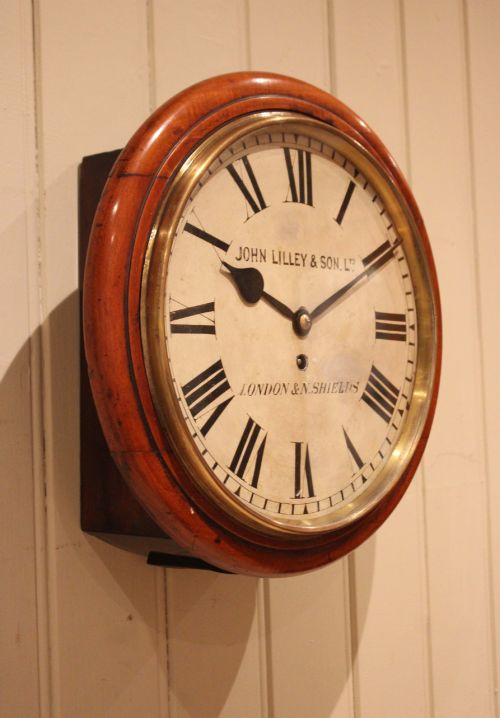
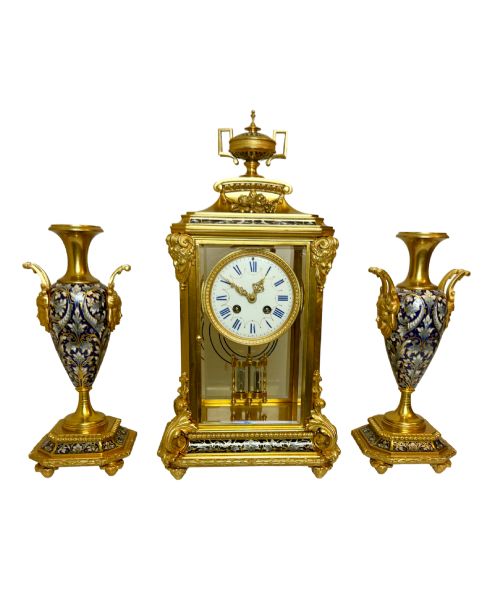
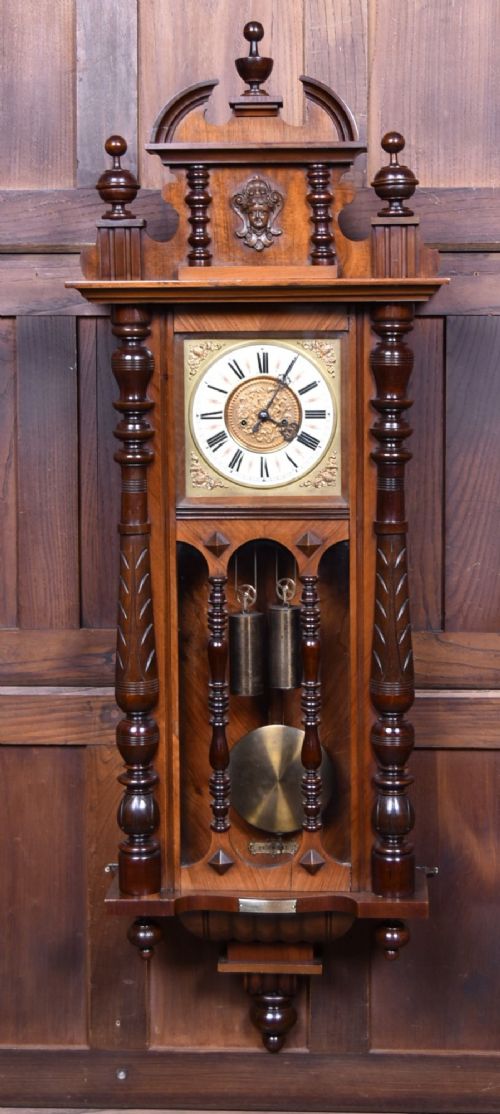
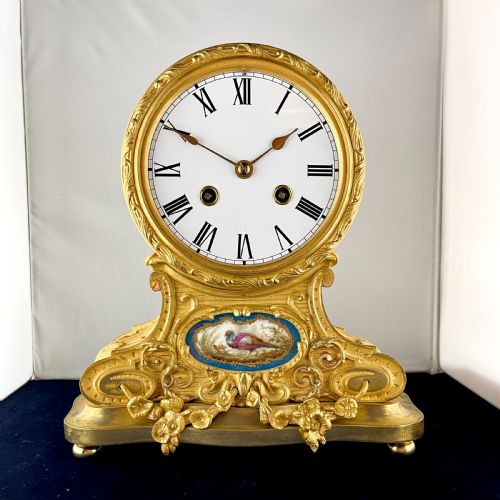
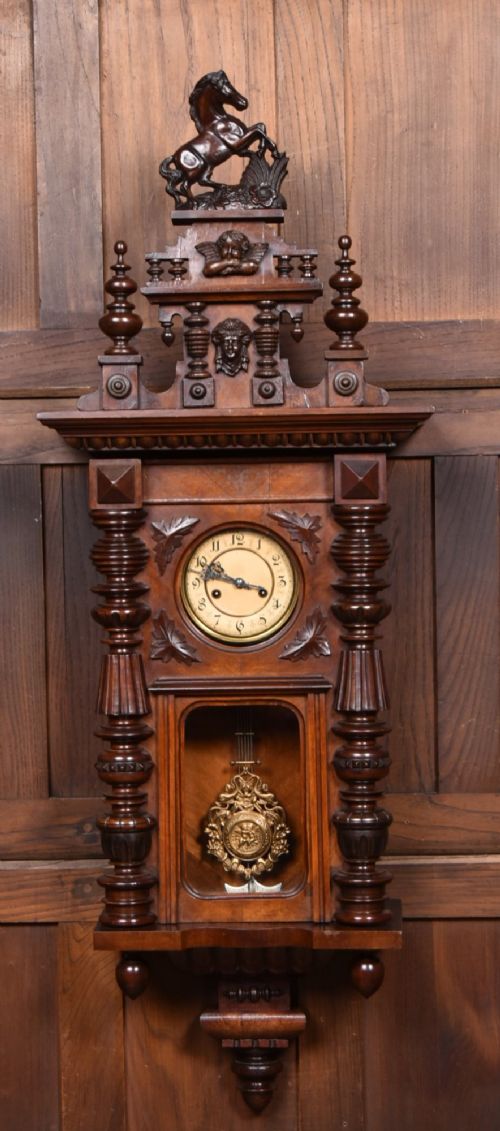
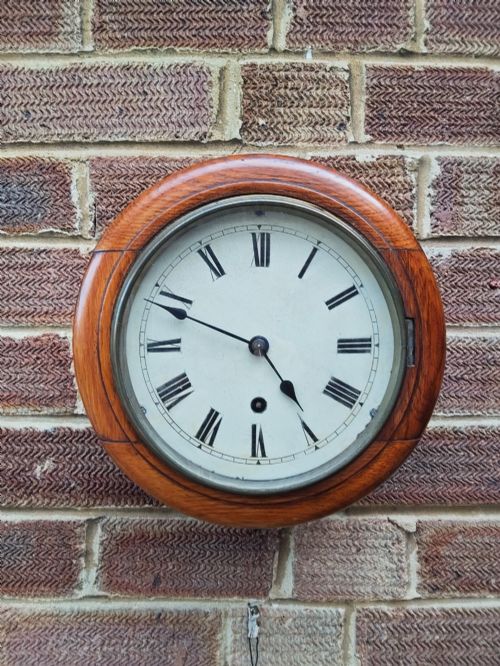
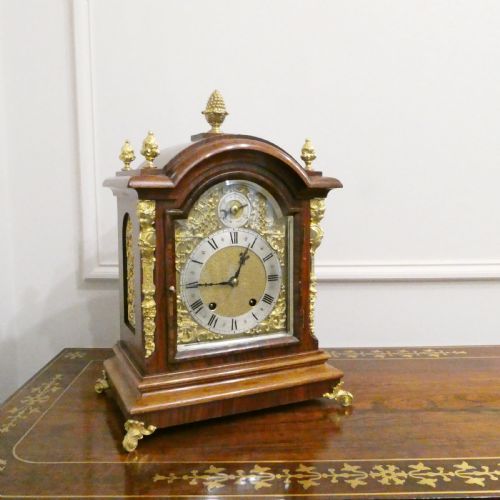
A late victorian clock encompasses timepieces manufactured primarily during the final decades of the nineteenth century up to the Edwardian transition. Buyers exploring this category encounter everything from simple oak and mahogany fusee dial wall clocks to elaborate French gilt bronze mantel clocks and carriage clocks housed in glass cases.
The objects frequently appear in domestic settings such as studies, hallways, and drawing rooms, ranging from utilitarian office dial clocks to decorative clock garniture sets paired with side urns or candelabra. Regional variations emerge clearly, balancing Britishfusee movements against continental platform escapements and complex striking mechanisms.
Materials and Construction
Cases rely heavily on timbers like mahogany, walnut, oak, and ebony, alongside heavy structural materials including black slate, marble, and cast metals such as ormolu, brass, and bronze. Woodworkers utilised techniques like inlay, veneer, and fretwork carving to embellish mahogany and walnut bodies.
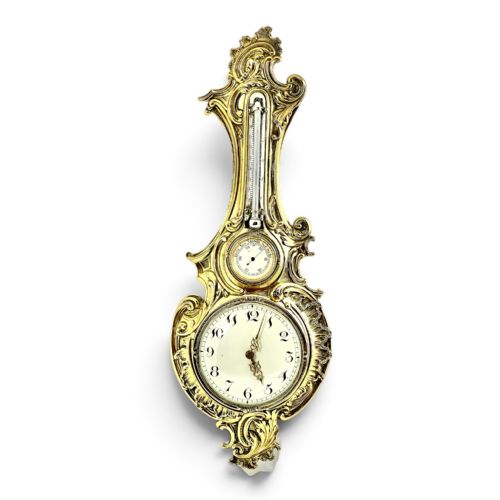
Internal mechanisms combine brass wheels and plates with steel arbors and spring or weight-driven power sources, often protected beneath glass domes and cloches. Dials feature white enamel with Roman or Arabic numerals, frequently complemented by champleve enamel panels or chased brass bezels.
Late Victorian Clock Retail Price Guide 2026
Typical asking prices for late victorian clock among the pieces listed under this phrase on Sellingantiques today, from the lower quarter to the upper quarter. They describe what is for sale here now, not the wider market.
Listings feature diverse woods including mahogany, walnut, and oak alongside structural slate, marble, glass, brass, and ormolu.
Assessing Quality and Execution
Quality separates through the precision of the movement and the integrity of the housing, distinguishing standard utility office clocks from exhibition-grade bracket and carriage clocks. Finer examples exhibit signed movements by known makers, twin fusee or triple train chiming systems, and hand-painted enamel elements.
Material selection and decorative depth define the upper tiers, where heavy slate and marble, finely chased ormolu, and intricately carved architectural wooden cases supersede plain veneered boxes. Comprehensive restoration of delicate escapements and painted panels further elevates the standing of individual pieces.
F.Milliot·Winterhalder & Hofmeier·Henri Jacot·Schneckenburger·Mappin & Webb·Brunelot·AG Lenzkirch·Harrods
The Late Victorian Clock Glossary
- Fusee
- A conical pulley used in clock mechanisms to maintain even tension on the gear train as the mainspring unwinds.
- Carriage Clock
- A small, portable spring-driven timepiece fitted with a handle and glass panels, originally designed for travelling.
- Garniture
- A set consisting of a central clock flanked by matching decorative ornaments such as urns or vases for a mantelpiece.
- Escapement
- The mechanism that controls the release of power to maintain the motion of the pendulum or balance wheel.
- Grand Sonnerie
- A striking train complication that sounds both the hours and the quarters automatically on every quarter hour.
Late Victorian Clock: Frequently Asked Questions
How do I wind a fusee wall clock?
Use the appropriate winding key on the dial arbor, turning it gently until resistance indicates the mainspring is fully tensioned.
Avoid overwinding, as this places undue strain on the brass teeth and the fusee chain or gut line.
Where should I place a heavy slate mantel clock?
Position the piece on a sturdy, level surface capable of supporting considerable weight, such as a sturdy sideboard or slate hearth.
Uneven placement can impede the pendulum swing and cause the striking train to fall out of beat.
What is the purpose of a glass display dome?
Display domes protect delicate mechanisms, taxidermy, or fragile carriage clocks from dust, atmospheric moisture, and accidental physical contact.
They sit directly on wooden or velvet-lined bases to enclose the object completely while maintaining visibility.
How do carriage clocks differ from mantel clocks?
Carriage clocks utilise a platform escapement instead of a pendulum, making them portable and operable in transit without stopping.
Mantel clocks rely on pendulums and heavier wooden, slate, or metal cases designed to remain stationary on furniture.