


Antique Brass Clockwork
Antique brass clockwork pieces are mechanical timepieces and culinary devices driven by intricate brass gear trains, prized for their visible movement and enduring craftsmanship.
What antique brass clockwork pieces are
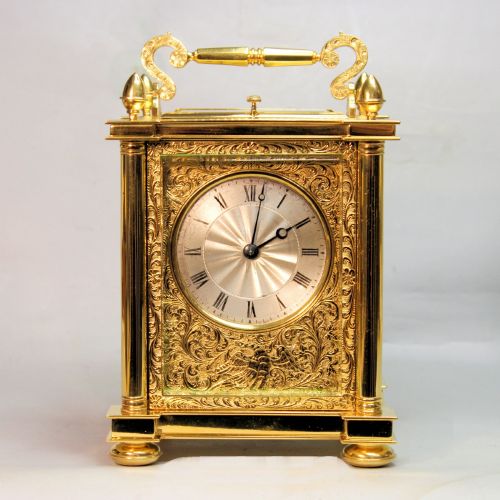
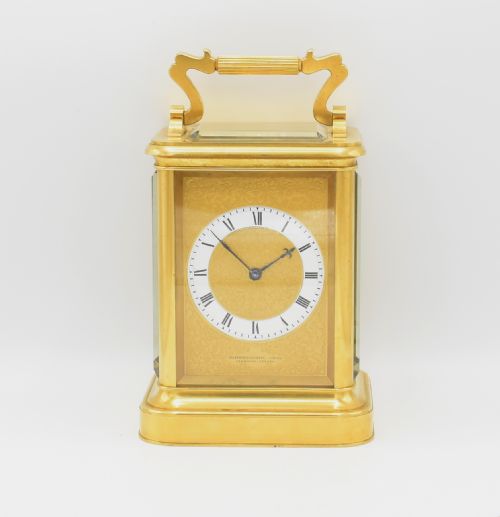
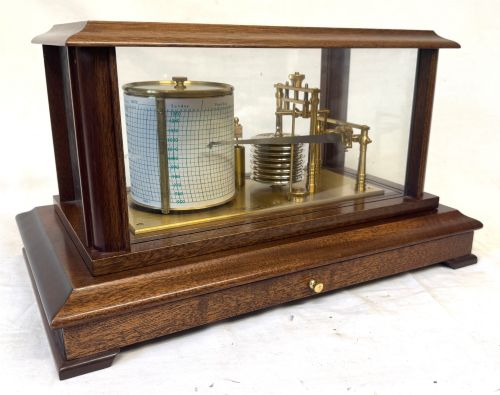
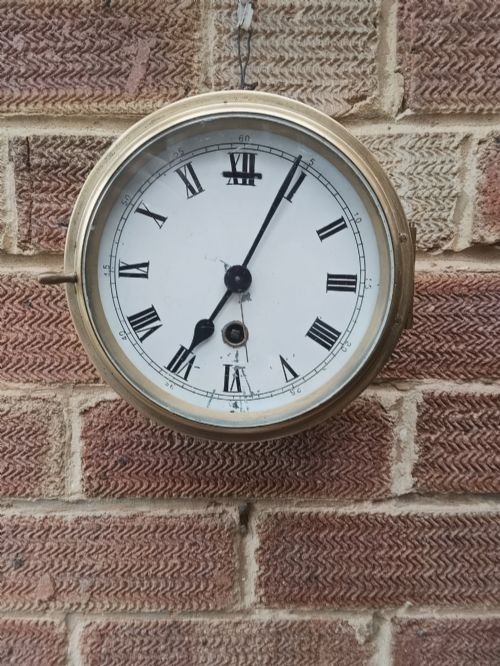
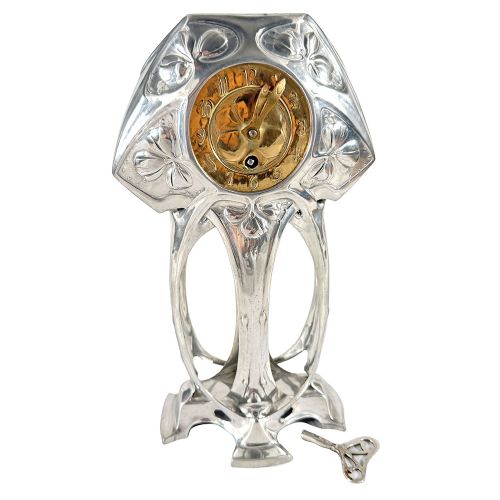
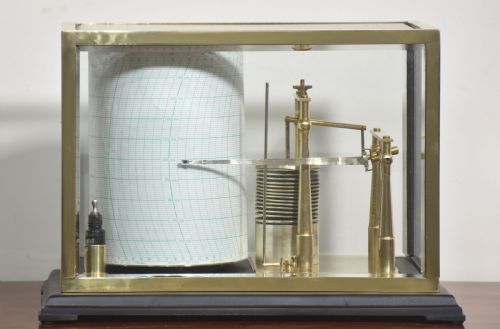
When you search for antique brass clockwork, you find mechanical items driven by springs and gear trains, ranging from skeleton clocks to carriage clocks and roasting jacks. These objects showcase the inner workings of timekeeping and domestic mechanics, housed in polished metal and glass frames.
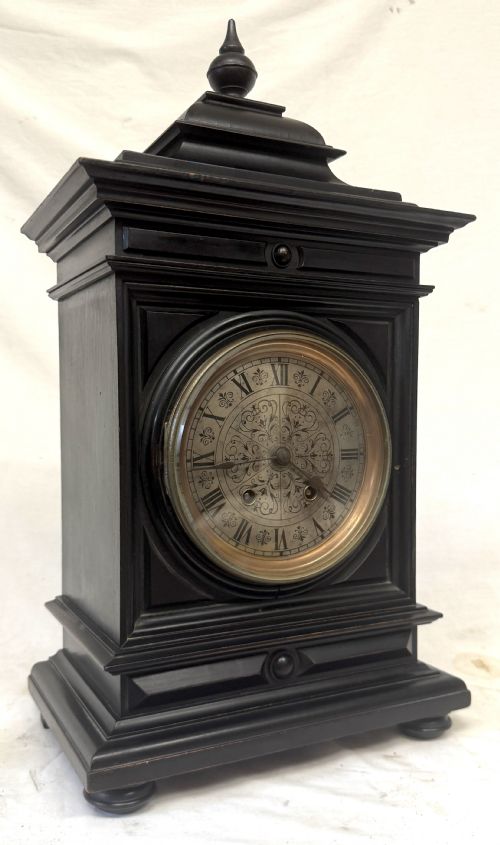
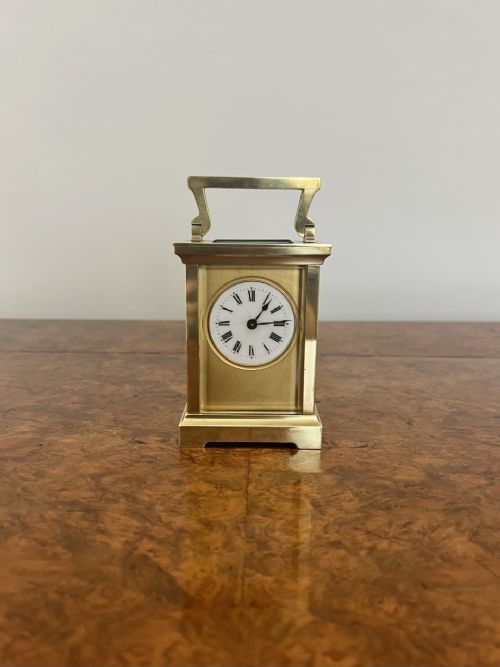
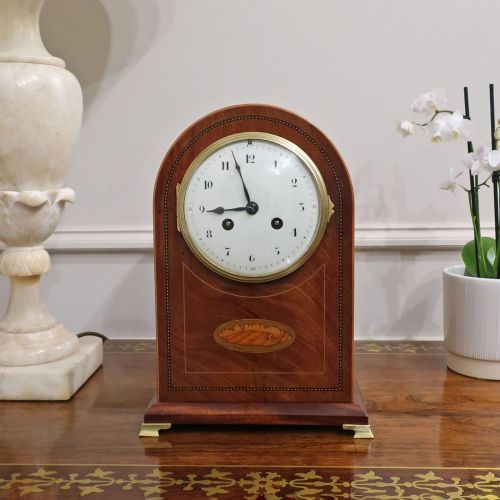
You are most likely to meet French and English carriage clocks or skeleton clocks on this page, spanning the Victorian era through the late nineteenth century and into the nineteen thirties. These pieces emerge in styles including Victorian Gothic, French Belle Epoque, and Art Deco, reflecting diverse European manufacturing traditions.
How they were made
These items utilise brass for their structural plates, gears, and decorative cases, often combined with glass panels, enamel dials, and marble or wooden bases. Some examples feature gilt finishes or velvet linings, housing delicate spring-driven clockwork mechanisms.
Master makers constructed these mechanisms by hand, cutting gear teeth and assembling plates to ensure smooth kinetic movement. Enamel dials received hand-painted numerals, while exterior brass cases were polished, cast, or shaped into corniche and skeleton designs.
Retail Price Guide 2026
Typical UK retail prices for brass clockwork, calculated from the Sellingantiques database of over a million retail prices indexed since 2003. This retail price guide relies exclusively on Sellingantiques data; no external sources or auction records are used, so the figures do not describe the wider market.
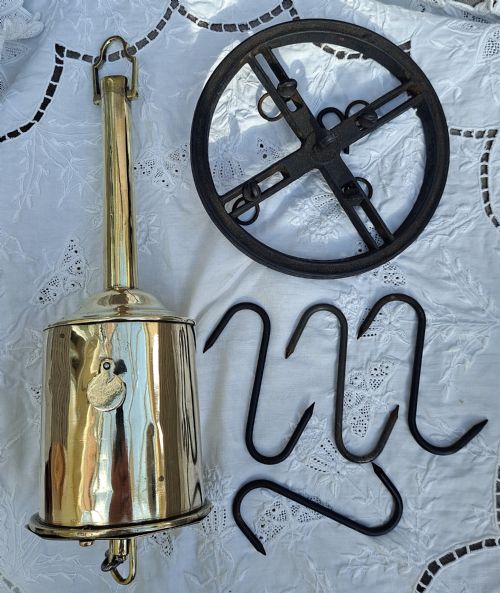
Before electric ovens, a spring-driven clockwork roasting jack kept your Sunday joint turning by the hearth all afternoon.
What varies in quality
The sophistication of the internal movement and the crispness of the brass casting separate standard examples from finer works. Superior pieces display intricate skeleton framing or complex striking and alarm complications executed by skilled horologists.
The integration of materials also defines the tier of a piece, such as heavy bevelled glass panels fitted precisely into polished brass corniche cases or marble bases. Finer examples retain delicate painted enamel dials and original mercury or spring escapements intact.
Thwaites of London·Samuel Marti·E White Of Manchester
The Antique Brass Clockwork Glossary
- Skeleton clock
- A timepiece designed with open metal plates that expose the entire gear train and movement to view.
- Carriage clock
- A small, portable spring-driven clock originally designed for travel, featuring a protective glass case and a carrying handle.
- Corniche case
- A traditional rectangular brass carriage clock case characterised by moulded top and bottom framing and pillars at the corners.
- Escapement
- The mechanical linkage that controls the release of power in a clock movement, regulating the rotation of the gear train.
- Roasting jack
- A mechanical device powered by clockwork used to turn meat steadily before a fire for even cooking.
Frequently Asked Questions
How do these clockwork mechanisms function?
These devices rely on a mainspring that stores potential energy as it is wound up, releasing it gradually through a train of brass gears. An escapement mechanism controls this release, allowing the gears to move forward in precise, measured steps.
The steady motion is then translated to the hands of a clock or the rotating spit of a roasting jack. Each gear and spring must be precisely aligned for the mechanism to operate without stopping.
What is a skeleton clock?
A skeleton clock strips away the traditional solid wooden or metal dial case to expose the intricate gear trains and plates to the viewer. This design allows light to pass through the centre, highlighting the polished brass wheels and escapement.
Victorian makers favoured this style to showcase both the mechanical mastery of the horologist and the aesthetic beauty of moving metal. They sit on protective bases, often sheltered beneath glass domes.
How do I care for antique brass clockwork?
Keep these mechanisms in stable environments away from direct sunlight, excessive moisture, and rapid temperature fluctuations that can affect the metal and lubricants. Dust the exterior brass gently with a soft, dry cloth without using harsh chemical polishes.
Professional servicing every few years ensures the internal brass gears remain clean and properly oiled. Regular winding should be done gently to avoid over-tensioning the vintage mainsprings.