







French Brass Timekeeper
A french brass timekeeper is a mechanical clock housed in metal and glass, prized for reliable movement and portable design.
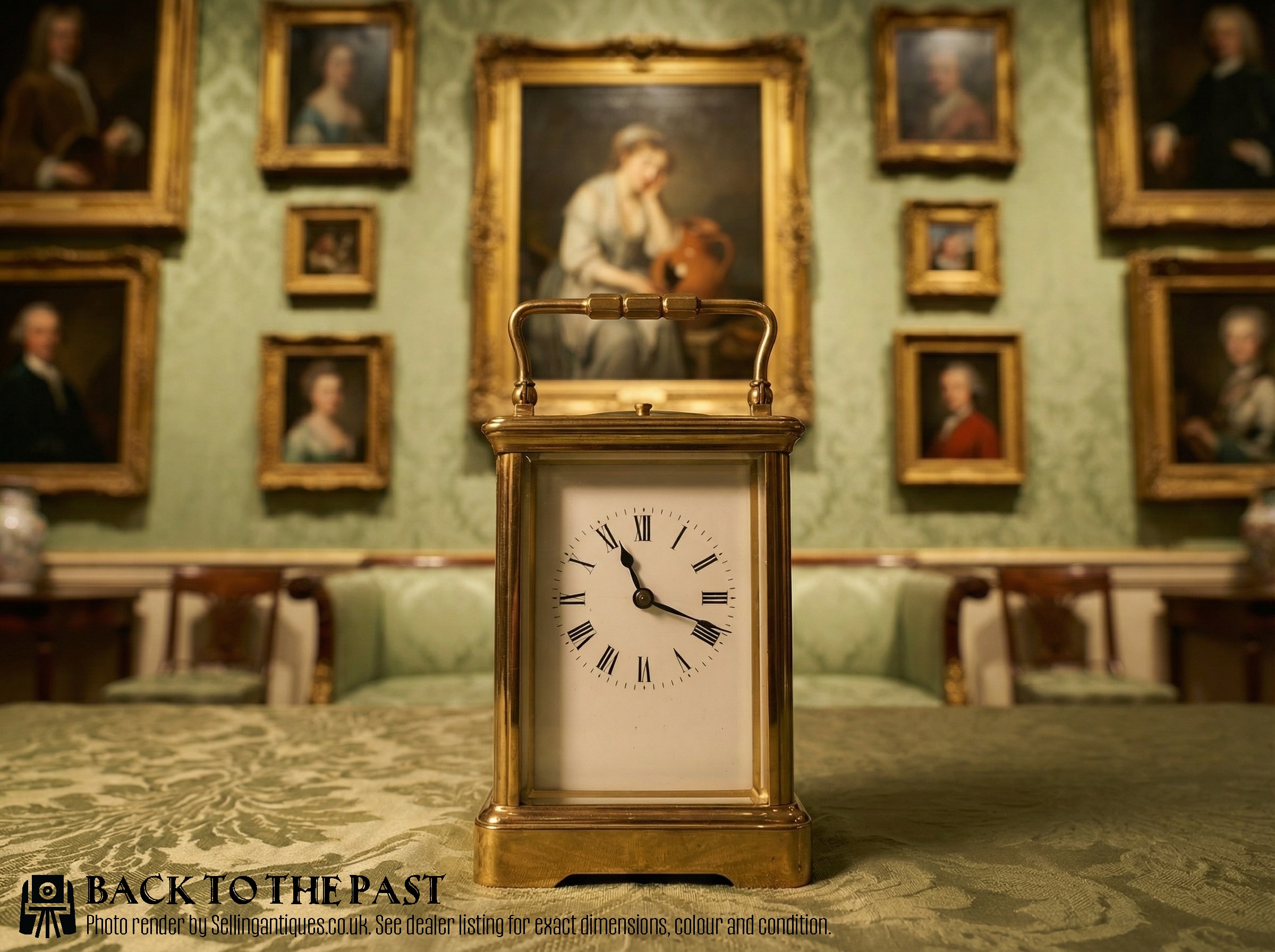
French Brass Timekeeper
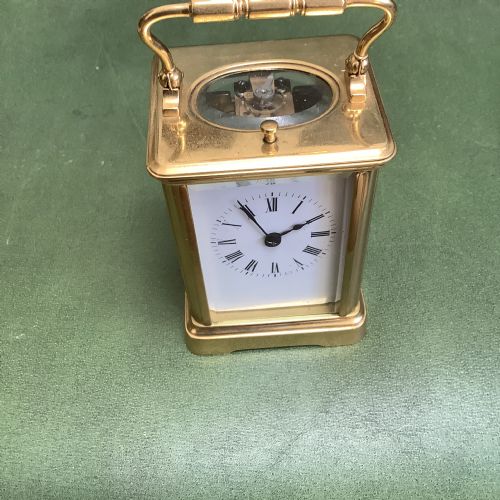
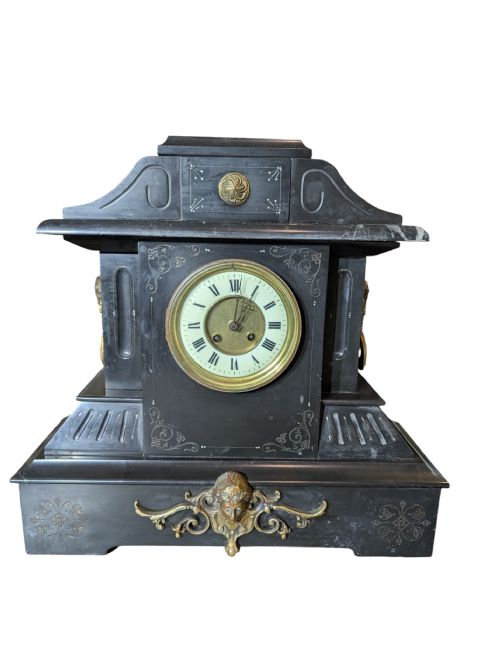
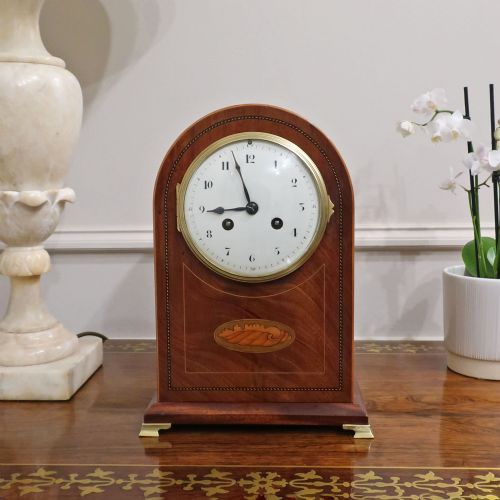
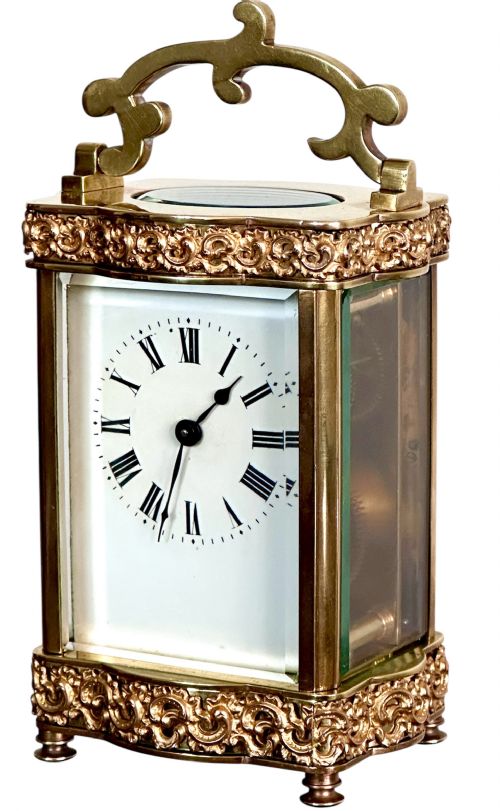
When you search for a french brass timekeeper, you encounter mechanical devices designed to measure hours reliably while serving as decorative objects for rooms. The selection includes portable carriage clocks and stationary mantel clocks originating from the nineteenth century through the early twentieth century.
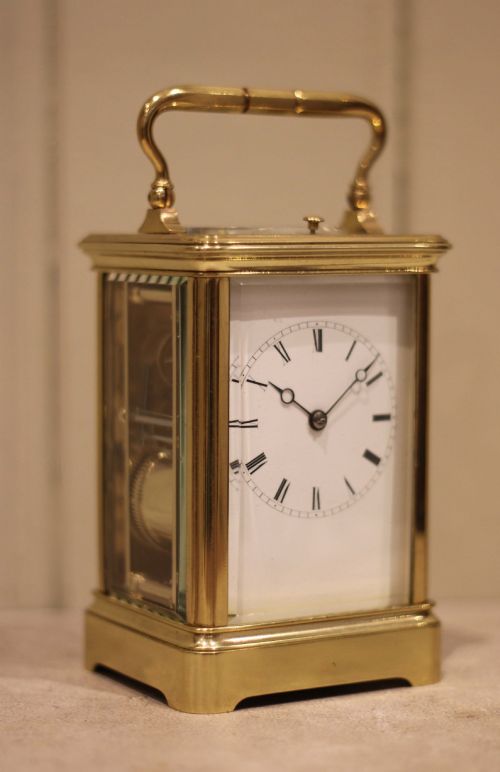
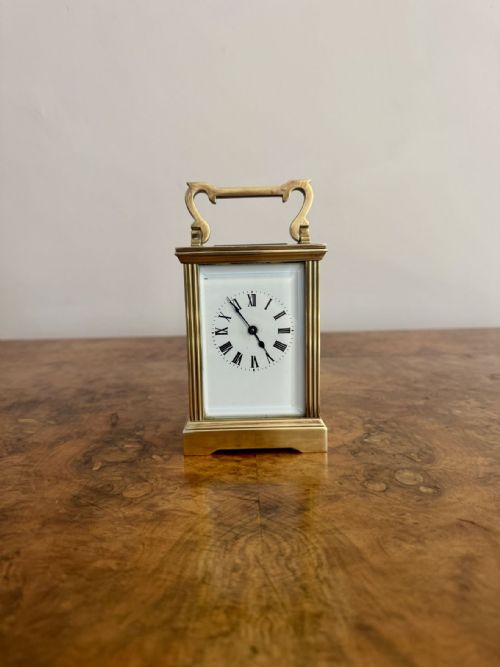
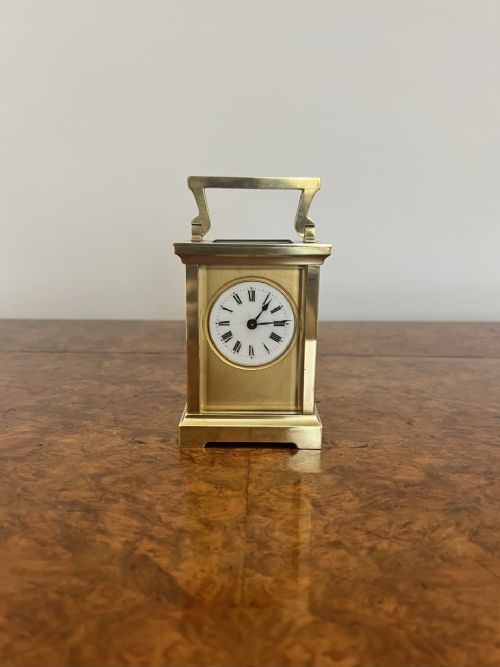
The most common form on this page is the carriage clock, housed in a brass frame with glass panels that expose the internal mechanism. These pieces frequently date from the Victorian era and the late nineteenth century, reflecting French manufacturing traditions.
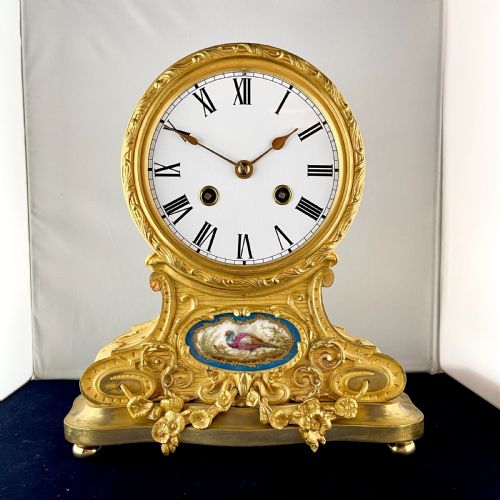
Mantel clocks also appear within the selection, incorporating materials such as marble, mahogany, and gilt bronze alongside brass components. These larger timekeepers sit on shelves or fireplace surrounds, displaying varied styles from the period including Art Deco and Edwardian designs.
What varies in quality
The refinement of the case engraving and the crispness of the cast brass or gilt bronze elements distinguish standard examples from finer works. Superior pieces display deep, sharp hand-engraving on the metal masks and side panels rather than simplified or cast-only surface patterns.
Movement complexity introduces another distinction, with striking and repeating mechanisms or eight-day movements representing higher technical achievement than basic time-only models. Signed dials and movements from recognised makers also indicate higher production standards.
French Brass Timekeeper Retail Price Guide 2026
Typical asking prices for french brass timekeeper among the pieces listed under this phrase on Sellingantiques today, from the lower quarter to the upper quarter. They describe what is for sale here now, not the wider market.
Two metal doves permanently sit atop one gilt bronze mantel clock, quietly guarding the hours.
Pickford of London·Drocourt Paris·Margaine Of France·Brunelot·Duverdrey & Bloquel·Delépine-Barrois·Dwerrihouse & Bell·Bourdin, Paris·Goldsmiths
The French Brass Timekeeper Glossary
- Carriage clock
- A small, portable spring-driven clock designed for travel, typically fitted with a swing handle and glass panels. These timekeepers originated to be carried by coach during the nineteenth century.
- Gorge case
- A stepped brass carriage clock case design featuring distinctive rounded mouldings at the top and bottom. This classical architectural profile is common in French pieces from the late nineteenth century.
- Striking mechanism
- An internal gear train that sounds the hours or half-hours on a bell or gong. Many carriage clocks incorporate this function alongside the time-keeping train.
- Repeater
- A mechanism operated by pushing a button on the case that repeats the last sounded hour and quarter-hour on demand. This complication allowed owners to check the time in darkness.
- Enamel dial
- A clock face formed by fusing powdered glass onto a copper or brass plate at high temperatures. These durable surfaces provide a smooth, white background for painted numerals.
French Brass Timekeeper: Frequently Asked Questions
What is a french brass timekeeper?
A french brass timekeeper is a mechanical clock enclosed in a brass and glass case, produced primarily during the nineteenth and early twentieth centuries.
These objects include portable carriage clocks for travel and stationary mantel clocks designed for domestic interiors.
How do carriage clocks work?
Carriage clocks operate using a spring-driven movement regulated by a balance wheel rather than a traditional pendulum. This compact mechanism allows the clock to keep accurate time while being moved.
Most models run for eight days on a single wind, requiring a key to tension the mainspring.
How do I identify the period?
Dating relies on stylistic details, case shapes, and the signatures or maker marks stamped on the movement plates. Victorian and late nineteenth-century pieces often feature heavy cast brass cases with hand engraving.
Later examples from the twentieth century introduce streamlined materials like Bakelite and simpler geometric forms associated with Art Deco.
Where were they placed?
Carriage clocks were originally placed in travelling carriages or used on bedside tables and desks where their portable nature proved useful. Their glass panels allowed travellers to view the mechanism from multiple angles.
Larger mantel variations were positioned on drawing room mantelpieces or shelves as decorative and functional furnishings.