




Gilded Brass Desk Clock
A gilded brass desk clock brings a heavy, gleaming presence of nineteenth-century manufacture to any surface.

Gilded Brass Desk Clock
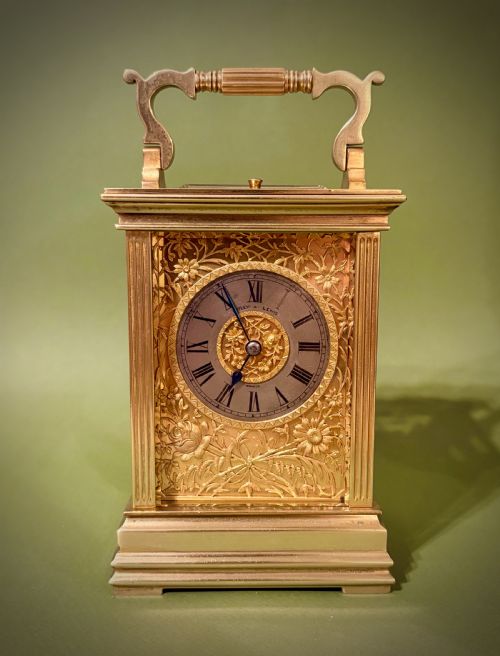
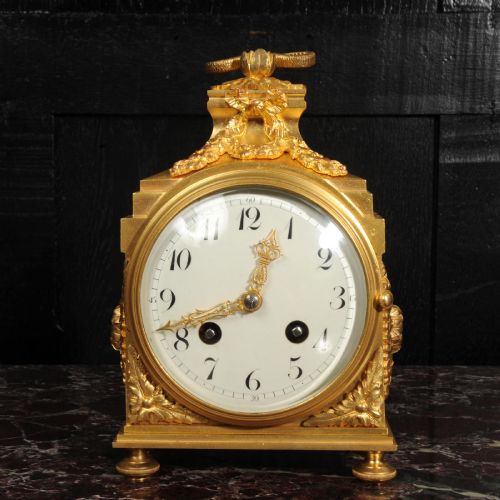
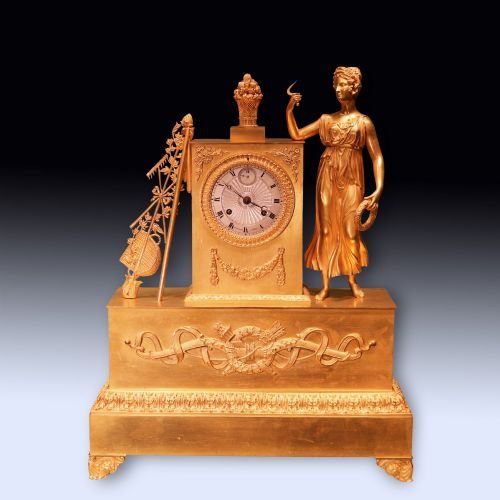
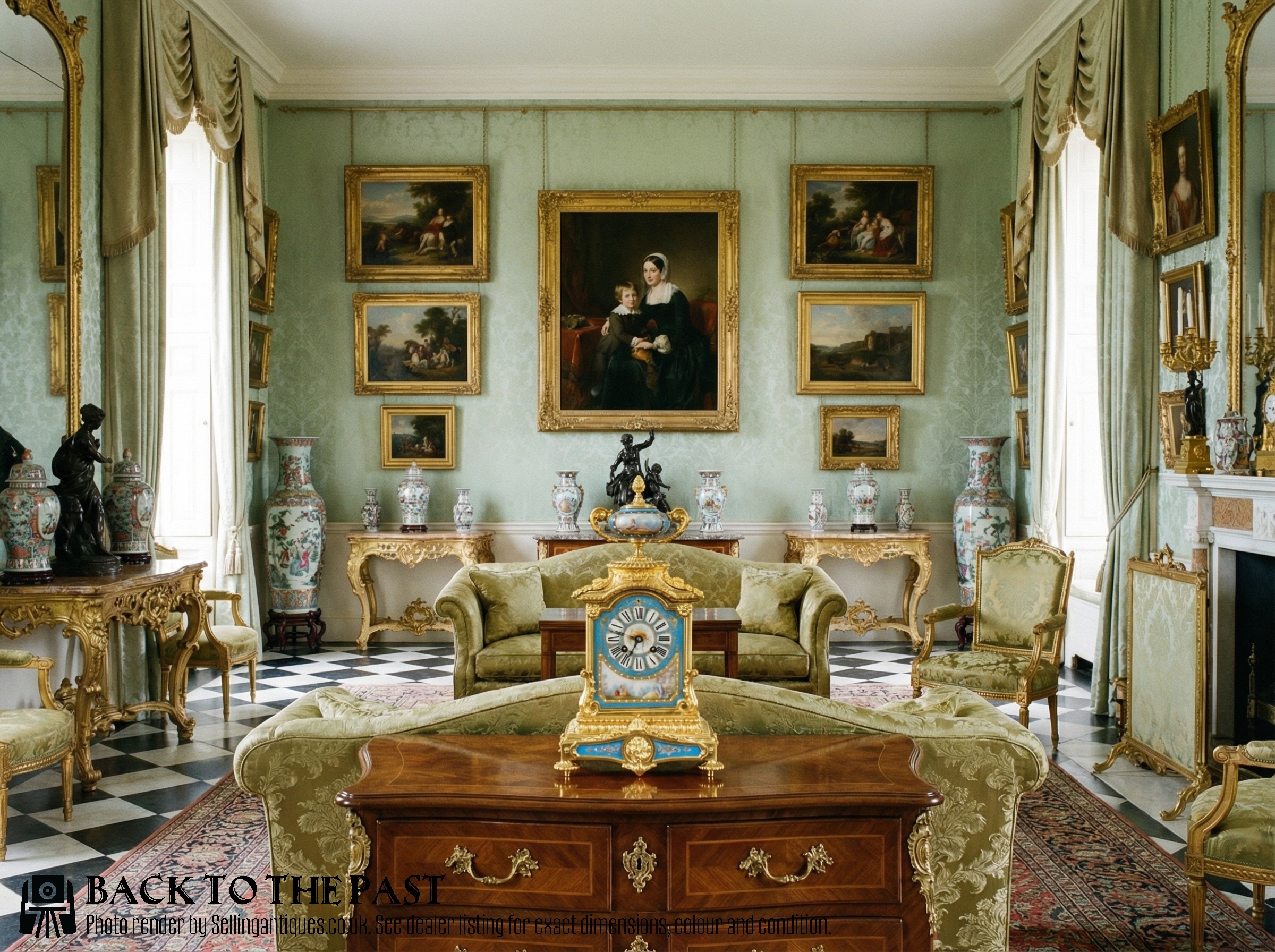
A gilded brass desk clock encompasses a variety of nineteenth-century timepieces, dominated by carriage clocks and mantel clocks originating from French workshops. These objects combine utilitarian timekeeping with ornate metalwork, appearing in forms from small bedside timepieces to large architectural mantel designs.
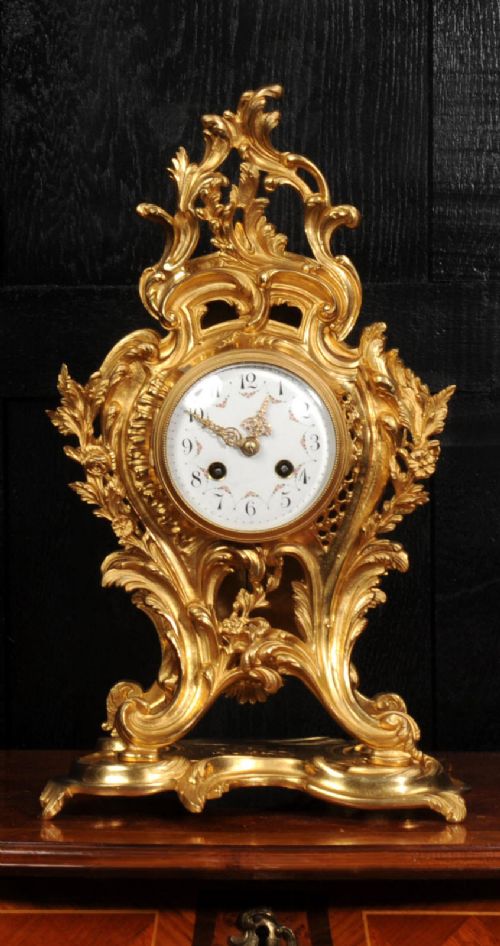
The selection on this page relies heavily on Victorian tastes and Revival styles, notably Louis XVI, Rococo, and French Empire. Buyers frequently encounter carriage clocks with glazed panels alongside heavier gilt bronze and ormolu mantel clocks produced between eighteen fifty and nineteen ten.
How they were made
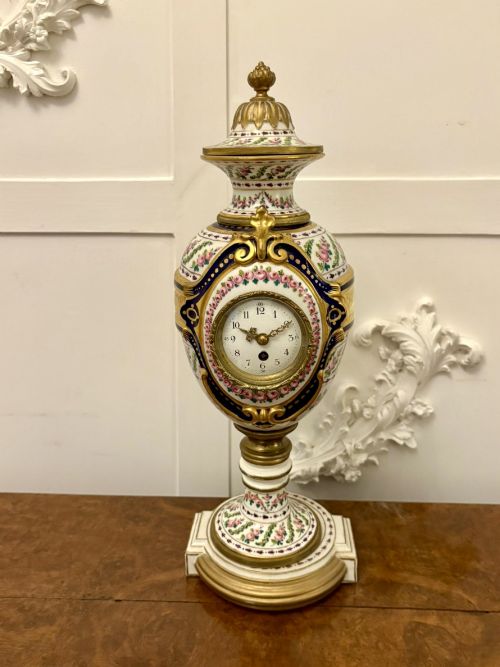
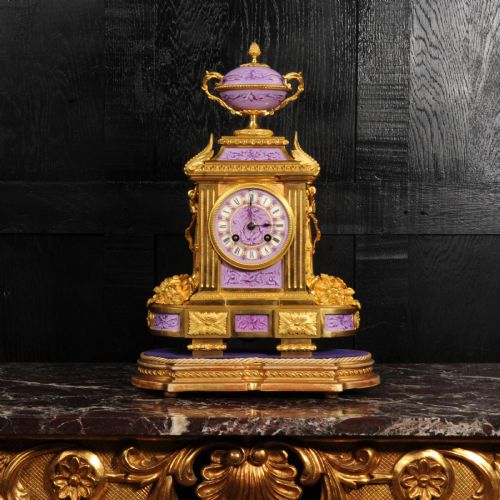
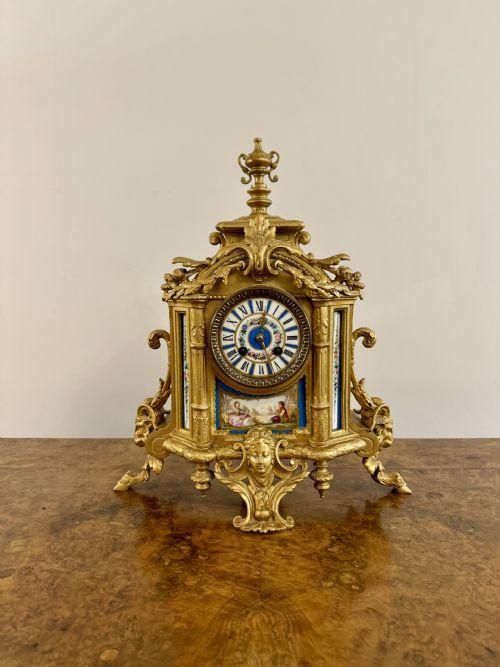
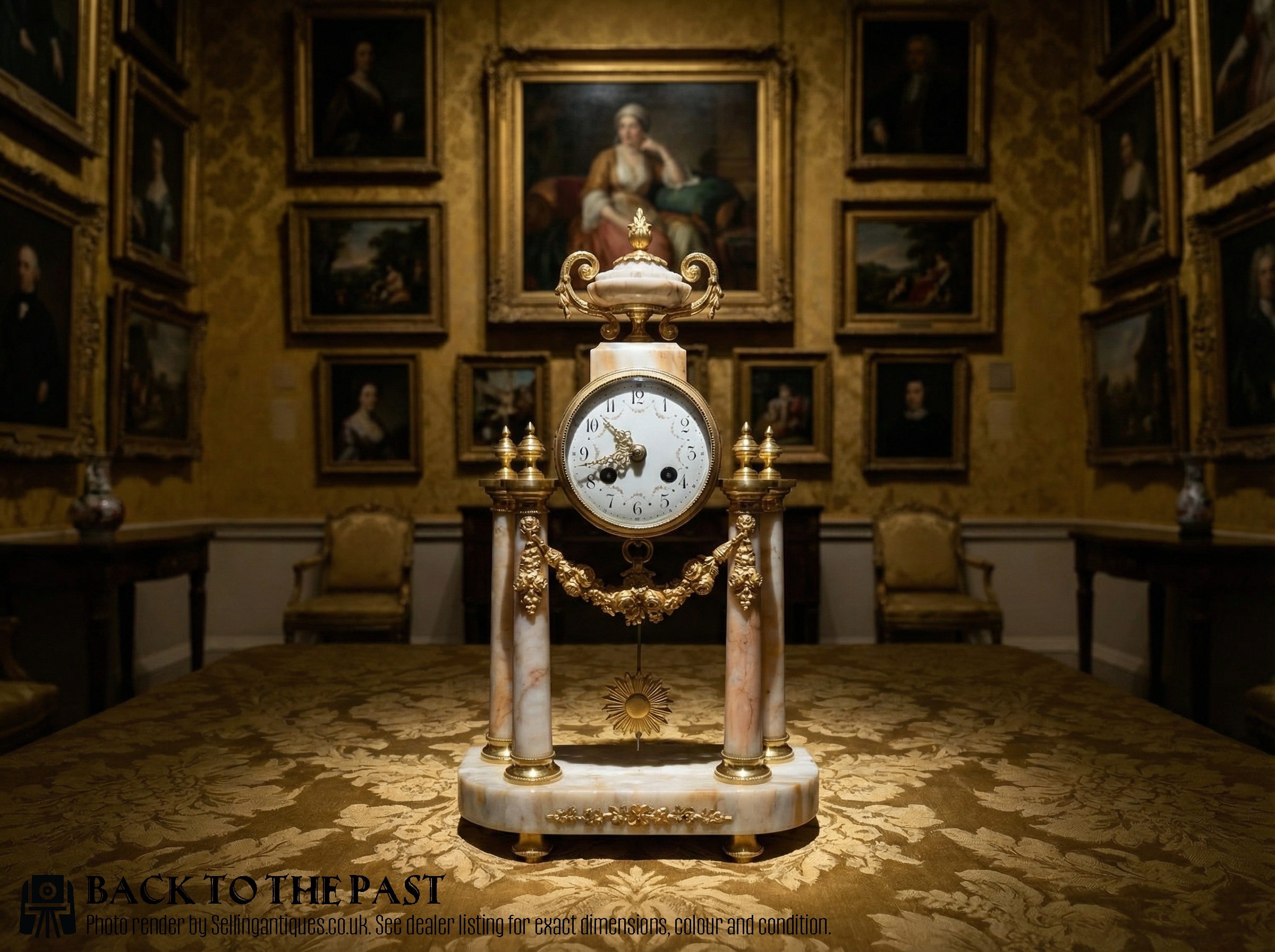
Gilded brass, ormolu, and gilt bronze provide the primary metallic structure for these cases, shaped through casting and fine chasing before the application of gold gilding. Many pieces incorporate white enamel dials with painted numerals, alongside inset porcelain plaques or panels decorated with hand-painted scenes.
Gilded Brass Desk Clock Retail Price Guide 2026
Typical asking prices for gilded brass desk clock among the pieces listed under this phrase on Sellingantiques today, from the lower quarter to the upper quarter. They describe what is for sale here now, not the wider market.
Several pieces feature hand-painted porcelain doves and poodles keeping silent watch over the passing hours.
What varies in quality
Quality rests in the crispness of the cast bronze or brass ornamentation and the depth of the fire-gilding or ormolu finish. Hand-painted porcelain panels and finely detailed enamel dials demonstrate superior artisan involvement compared to plain metal faces.
The sophistication of the internal movement distinguishes standard examples from exceptional pieces, particularly complications such as repeaters, alarm functions, or fusee movements signed by notable makers.
Achille Brocot·Canaillor of Paris·Le Roy Paris·Japy Freres·Tiffany·Drocourt·Hessen Paris·Henri Jacot·Paul Garnier
The Gilded Brass Desk Clock Glossary
- Ormolu
- Finely ground high-carat gold applied to a bronze base using a mercury amalgamation technique, common in nineteenth-century French manufacturing. This process creates a deep, durable lustre that differs from modern electroplating.
- Carriage clock
- A portable spring-driven timepiece designed for travel, typically featuring a brass case with glazed panels and a swinging handle on top. These clocks often sit within fitted leather travelling cases.
- Gorge
- A specific stepped architectural moulding found on the top and bottom of traditional carriage clock brass cases. The style defines many late nineteenth-century pieces.
- Four glass
- A mantel clock design enclosed by four bevelled glass panels that reveal the internal brass movement and pendulum. This style gained popularity during the Victorian period.
- Petite sonnerie
- A striking train complication that sounds the hours and quarters automatically as they pass. It represents a higher standard of clockmaking skill.
Gilded Brass Desk Clock: Frequently Asked Questions
How do I wind a carriage clock?
Use the dedicated winding key on the underside or back of the movement, turning it gently until resistance indicates it is fully wound. Avoid over-winding to protect the delicate internal springs.
Ensure you handle the clock by its solid case rather than the decorative handle when moving it during the winding process.
What is a crystal regulator?
A crystal regulator is a mantel clock featuring heavy bevelled glass panels on all sides, supported by a brass frame. This design allows light to pass through the entire body of the clock.
Inside, a mercury or compensated pendulum swings visibly behind the enamel dial.
What does a platform escapement do?
A platform escapement is a self-contained unit holding the balance wheel, hairspring, and escapement lever. It replaces the traditional hanging pendulum in portable timepieces.
This innovation allows carriage clocks to keep accurate time while being transported.