


French Rococo Mantel Clock
When you seek a French rococo mantel clock, you explore ornate 19th-century timepieces shaped by fluid asymmetrical lines and rich gilding.
French Rococo Mantel Clock
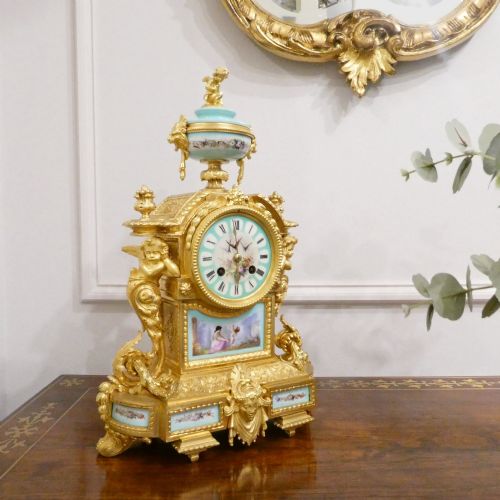
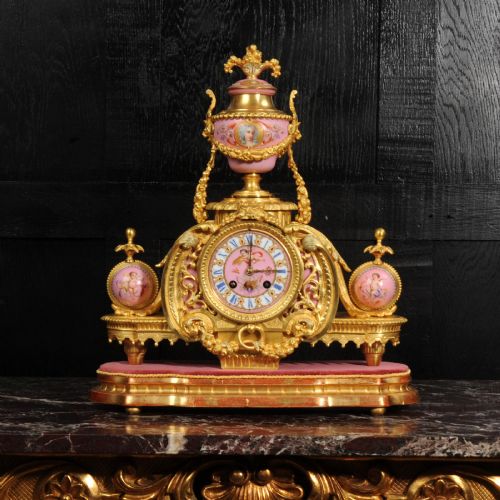
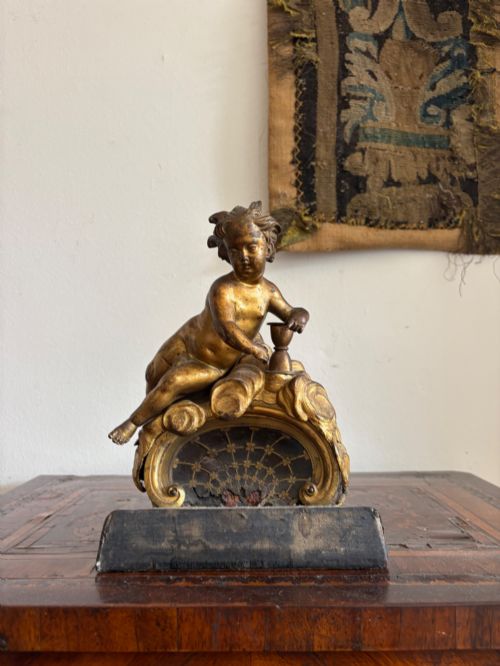
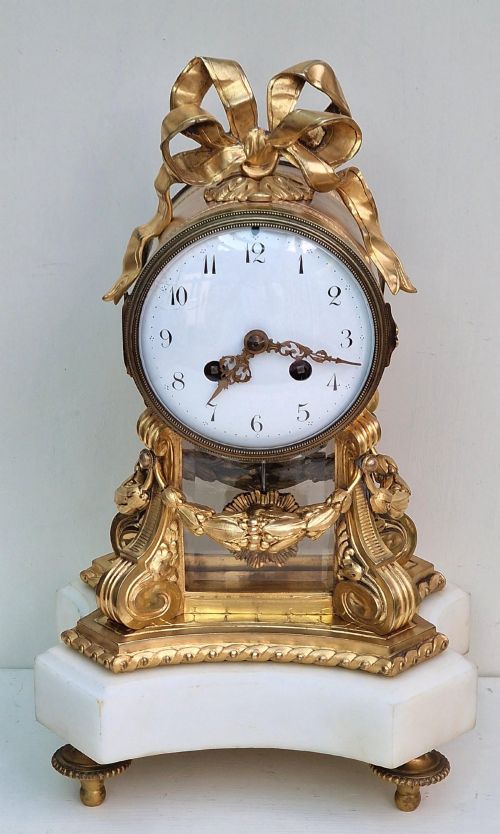
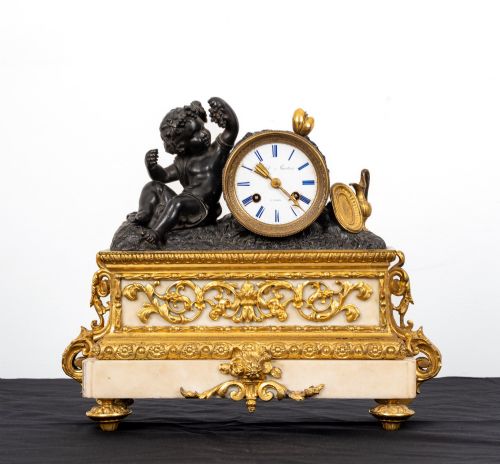
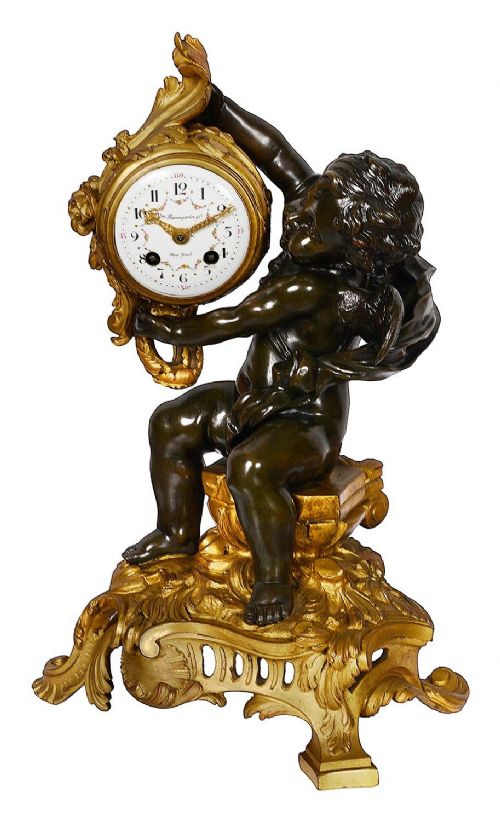
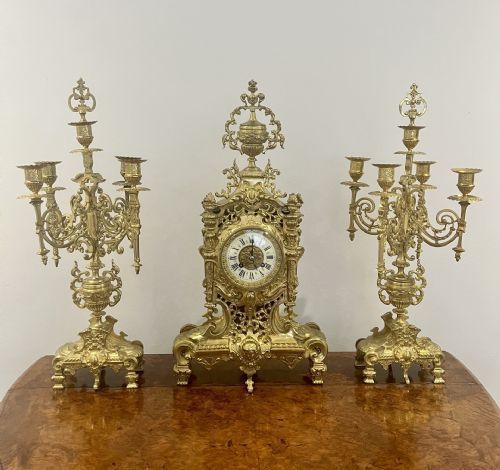
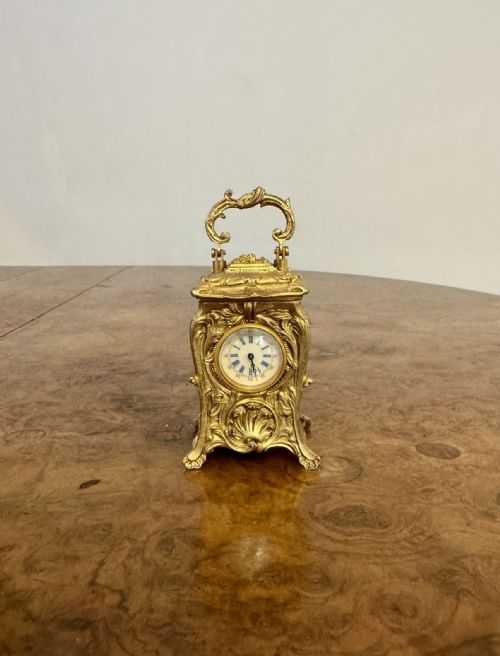
A french rococo mantel clock stands as a decorative timepiece originating predominantly in the nineteenth century, reflecting revival styles of the reign of Louis XV. These pieces often incorporate elaborate scrollwork, flora and figural motifs such as cherubs or putti.
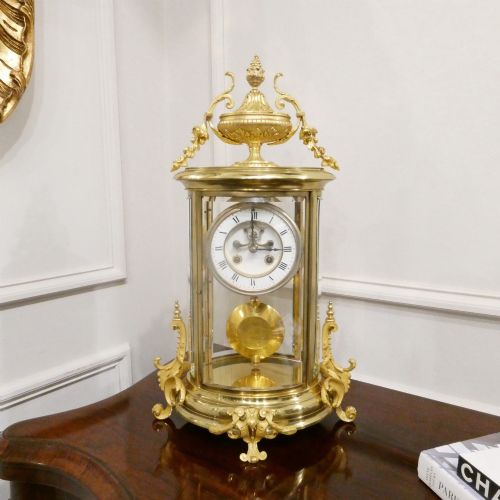
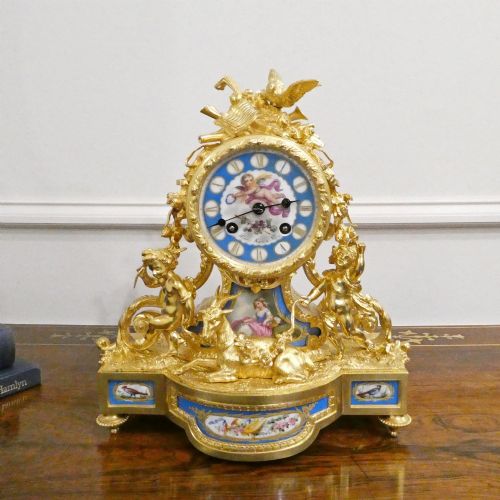
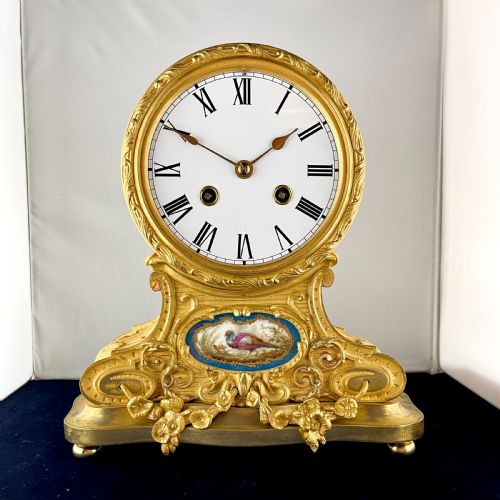
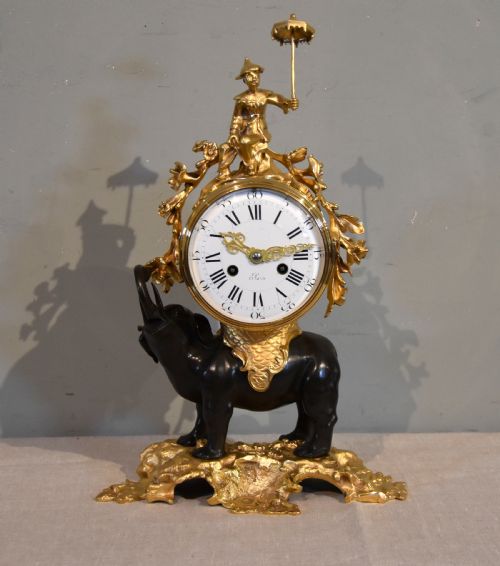
The version most commonly met on this page is an ormolu or gilt bronze mantel clock, frequently accompanied by porcelain panels or paired with matching candelabra garnitures. Examples range from compact drumhead designs to large sculptural clocks featuring elephants or classical figures.

How they were made
Clockmakers and metalworkers utilised cast bronze and brass, applying mercury gilding or modern electroplating to create the signature bright ormolu finish. Intricate mounts and asymmetrical cases required skilled chiselling and assembly by hand.
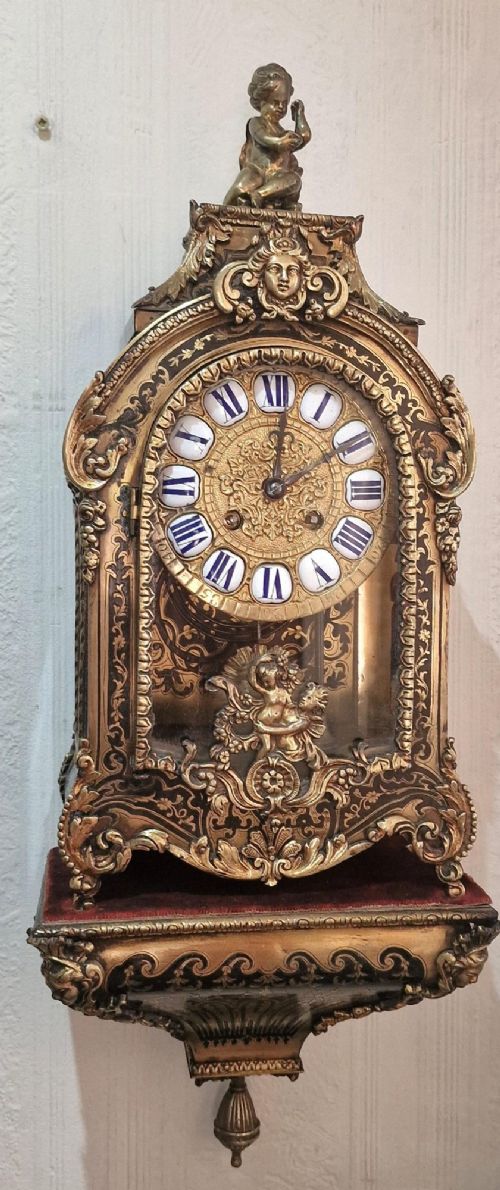
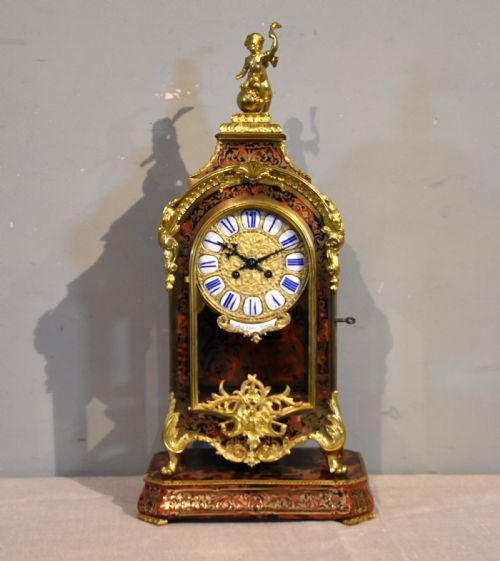
Dials frequently featured painted enamel chapters on convex metal discs, occasionally complemented by Sèvres porcelain plaques decorated with hand-painted scenes. Cases also incorporated organic materials like tortoiseshell in Boullework pieces or carved marble bases.
French Rococo Mantel Clock Retail Price Guide 2026
Typical asking prices for french rococo mantel clock among the pieces listed under this phrase on Sellingantiques today, from the lower quarter to the upper quarter. They describe what is for sale here now, not the wider market.
Several clocks abandon traditional architectural forms entirely to emerge as lifelike bronze elephants bearing clock dials upon their backs.
What varies in quality
The standard of chasing upon the bronze or brass case distinguishes ordinary production from exceptional work, as sharper relief and deeper undercut foliage demonstrate greater artisan skill. Maker signatures on the movement backplate or dial elevate the standing of a clock considerably.
The integrity of the mercury gilding or ormolu surface, alongside the presence of matching garniture sets or original porcelain panels, marks the upper tier of these pieces. Original movements bearing maker stamps retain historical completeness compared to marriages of disparate parts.

Achille Brocot·Samuel Marti·Henry Marc·Siffel and Cartier·Delettrez·Japy Freres·Leroy Paris·Leon Message·Jollet et Cie·PH Mourey·Vincenti
The French Rococo Mantel Clock Glossary
- Ormolu
- Gilded bronze produced by applying a mixture of gold and mercury to a cast bronze base, then heating to vaporise the mercury. This technique creates a durable, warm metallic golden surface.
- Garniture
- A matched set of decorative ornaments, typically comprising a central clock flanked by two matching candelabras or urns designed for a mantelpiece. These sets unify the decorative scheme of a room.
- Champlevé
- An enamelling technique where troughs or cells are hollowed out of the metal surface and filled with vitreous enamel paste before firing. The resulting design displays colourful patterns flush with the metal walls.
- Boullework
- A style of marquetry using thin sheets of tortoiseshell and brass inlaid in contrasting patterns, named after the cabinetmaker André-Charles Boulle. It adds intricate geometric or floral patterning to wooden clock cases.
- Drumhead
- A clock case shaped like a circular drum mounted upon a decorative plinth or base. This form concentrates visual weight around the white enamel dial.
French Rococo Mantel Clock: Frequently Asked Questions
How do I wind a french rococo mantel clock?
Wind the clock using the appropriate square-keyed winding key inserted into the dial holes, turning gently until resistance is felt. Care should be taken not to overwind the mainspring.
Most movements require a weekly wind to maintain accurate timekeeping, and pendulums must be secured prior to transporting the clock.
Were these clocks used only for telling time?
These timepieces served primarily as high-status interior ornaments for drawing rooms and salons, where status and taste were displayed to visitors. Timekeeping was a secondary benefit to the sculptural presence upon the mantelpiece.
Clock garnitures were arranged symmetrically on marble or wooden surrounds to anchor the visual balance of the fireplace.
How do I identify a reproduction from an original period clock?
Examine the casting quality of the bronze case, as period pieces exhibit hand-finished chisel marks and heavy solid construction rather than modern lightweight alloys. Movement serial numbers and maker stamps on the brass backplate confirm 19th-century origin.
Wear patterns around the winding holes and natural ageing of the enamel dial also provide reliable indicators of genuine age.
Can these antique clocks run accurately today?
Many restored movements operate reliably when cleaned and serviced by a professional horologist experienced in antique pendulum clocks. Environmental factors such as unlevel mantelpieces can affect the beat of the pendulum.
Regular oiling and professional maintenance ensure these mechanical movements continue to function smoothly.