

Gilt Brass Desk Clock
A gilt brass desk clock brings heavy metalwork and precise movement to a study, combining nineteenth-century engineering with ornamental gilding.
Gilt Brass Desk Clock
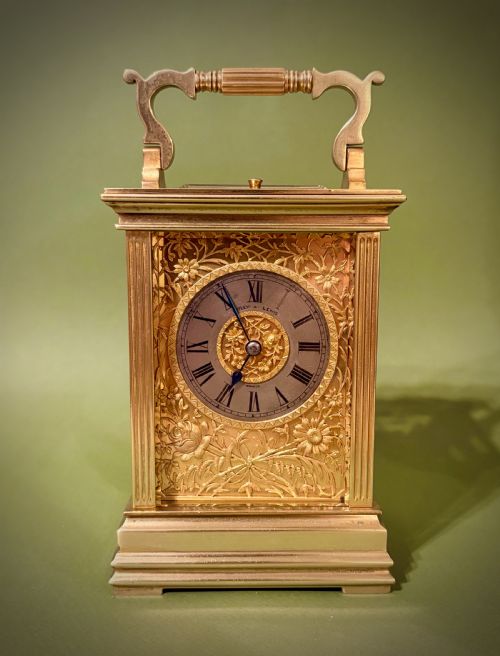
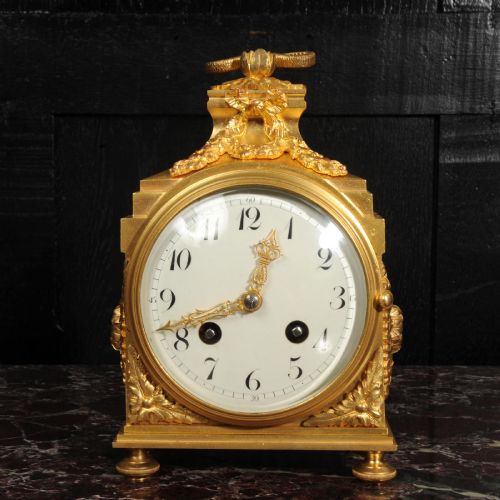
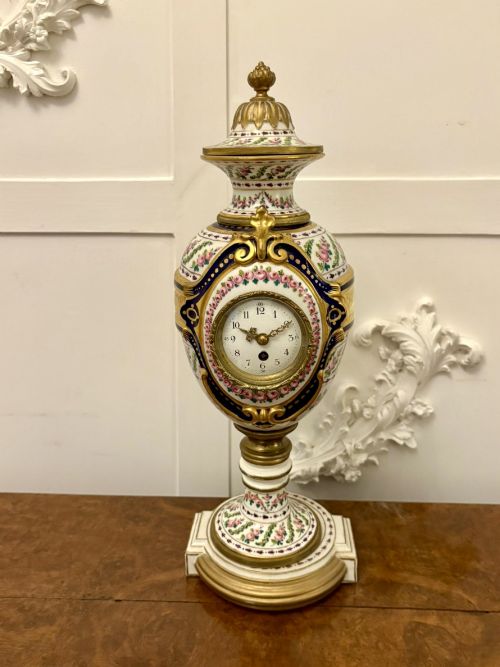
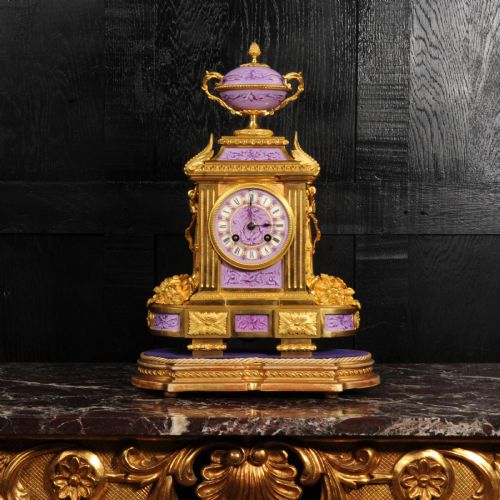
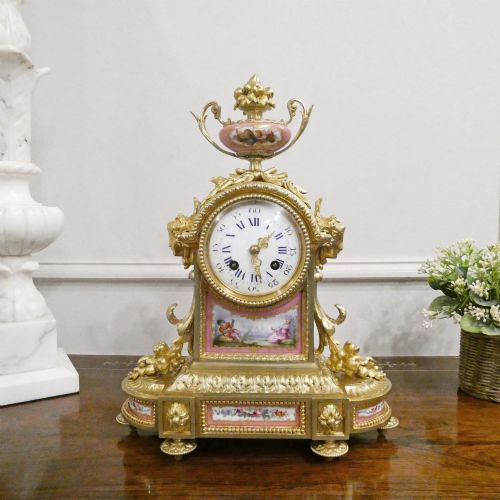
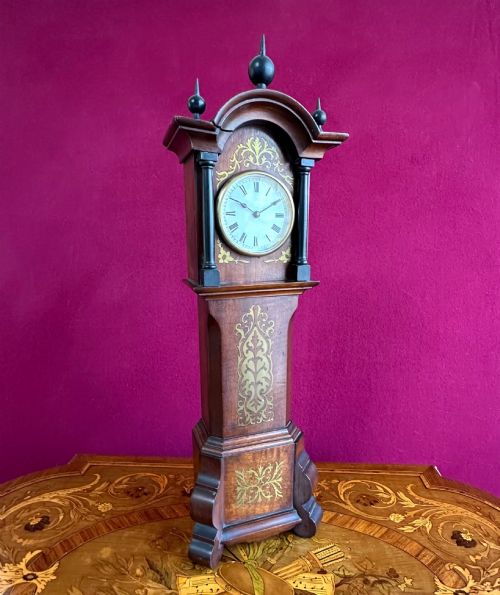
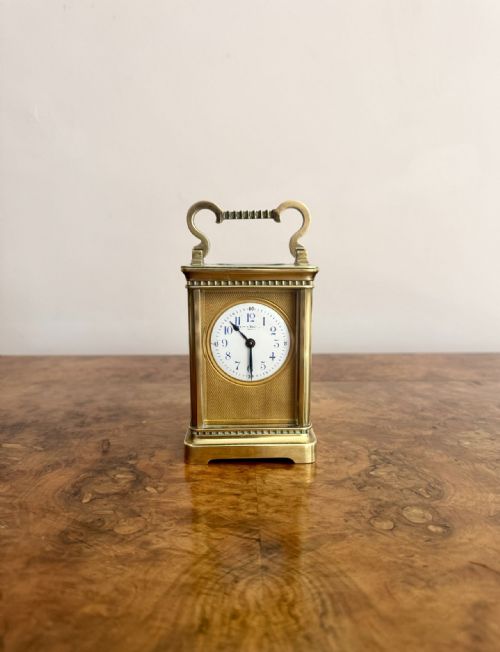
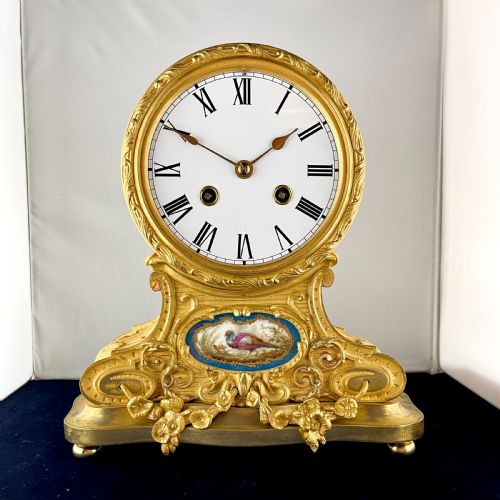
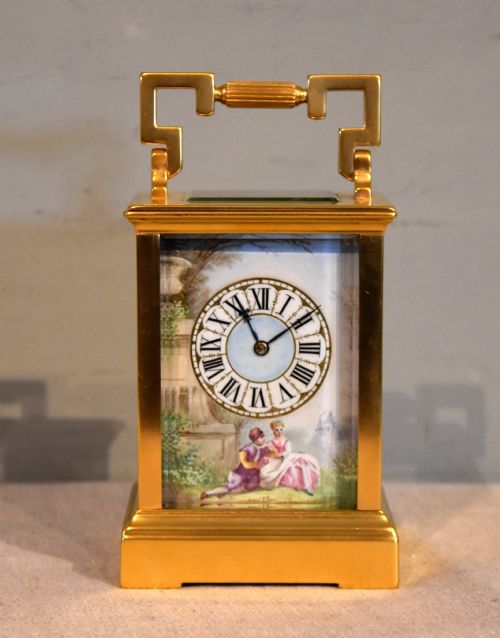
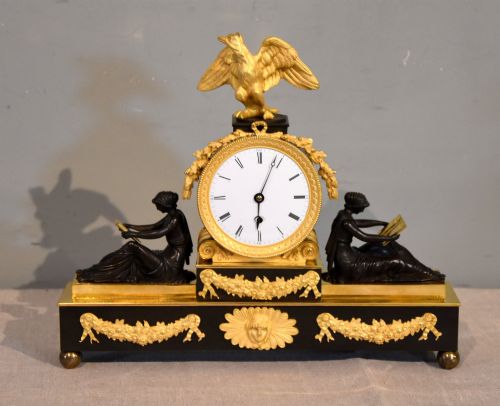
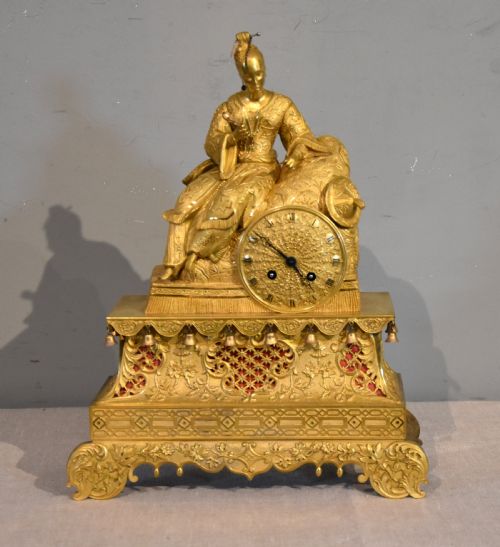
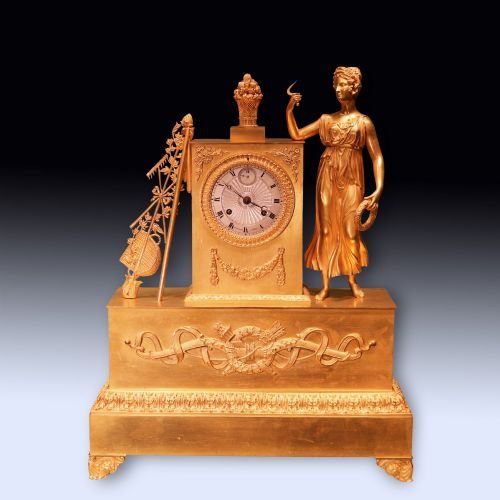
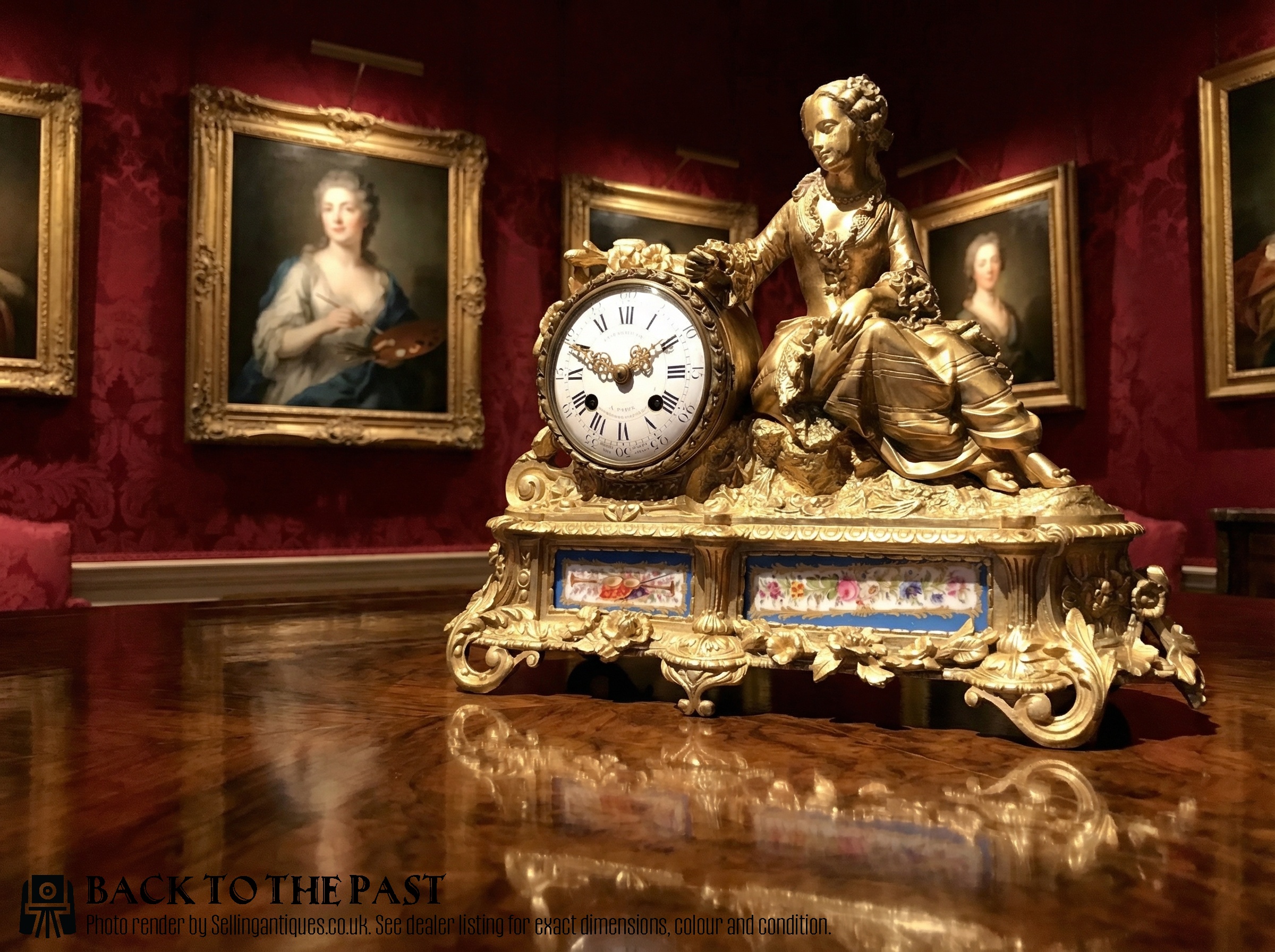
When searching for a gilt brass desk clock, collectors encounter a variety of nineteenth-century timepieces designed for table or mantel placement. These objects range from heavy carriage clocks with glass panels to ornate French mantel clocks displaying regional revival styles.
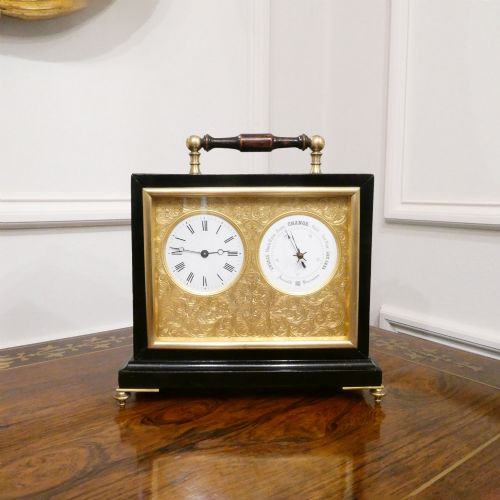
The selection on this page leans heavily towards Victorian and Edwardian examples, alongside earlier Regency and Louis-style pieces. Forms vary from small repeating carriage clocks in engraved cases to larger porcelain-mounted mantel pieces and delicate easel clocks.
Originating largely from French workshops and English makers, these clocks utilise brass, ormolu, and gilt bronze. They serve as functional timekeepers while retaining the decorative weight of their respective periods.
What varies in quality
Quality reveals itself in the crispness of the cast brass and the depth of the gilding across the case. Finer pieces display deeply hand-engraved scrollwork and heavy bezels rather than shallow machine stamping.
The complexity of the internal movement dictates the upper tier of these timepieces, with repeating strikes and multi-day running trains demonstrating superior horological skill. Maker attribution and intact original travel cases also separate standard examples from exceptional ones.
Gilt Brass Desk Clock Retail Price Guide 2026
Typical asking prices for gilt brass desk clock among the pieces listed under this phrase on Sellingantiques today, from the lower quarter to the upper quarter. They describe what is for sale here now, not the wider market.
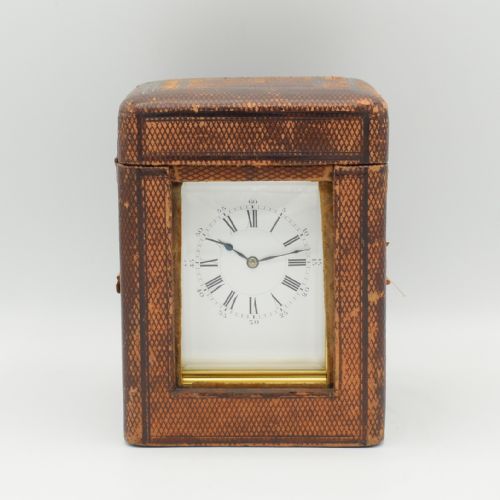
Several travel cases survive intact, proving that nineteenth-century owners actually packed their heavy brass clocks for journeys by carriage and train.

Henri Jacot·Achille Brocot·Japy Freres·Le Roy Paris·Tiffany
The Gilt Brass Desk Clock Glossary
- Ormolu
- Finely ground high-carat gold applied to a bronze base using a mercury amalgamation technique. This historic process yields a warm, durable metallic lustre.
- Carriage clock
- A portable spring-driven timepiece developed for travellers, featuring a rectangular brass case with glass panels and a folding handle on top.
- Champlevé
- An enamelling technique where troughs are dug into the brass surface and filled with vitreous paste before firing. The metal partitions remain visible between the coloured enamel fields.
- Repeating movement
- A mechanical complication that strikes the hours and quarters on demand when a lever or cord is activated. This allowed owners to check the time in the dark.
- Japy Freres
- A prominent nineteenth-century French clockmaking dynasty known for producing robust movements used across various decorative mantel housings.
Gilt Brass Desk Clock: Frequently Asked Questions
How do I wind a carriage clock?
Use the matching key on the winding arbor located on the underside or backplate of the movement. Turn the key gently until resistance signals the mainspring is fully tensioned.
Avoid overwinding, as this can strain the historic spring. Ensure the movement is stationary on a level surface before adjusting the time via the rear square.
What is a repeating carriage clock?
A repeating clock sounds the last elapsed hour and quarter-hour when a top button or lever is pressed. This complication was designed for checking time during the night without striking continuously.
The mechanism uses extra gear trains and hammers inside the gilt brass case to strike internal gongs or bells.
Can these clocks run accurately today?
Many nineteenth-century movements maintain reliable timekeeping when properly serviced and adjusted by a professional horologist. Regular maintenance prevents wear on the brass pivots and delicate steel arbors.
Placement matters for pendulum-regulated mantel clocks, which require a strictly level surface to keep the escapement beating evenly.