


French Bronze Mantel Clock
When you search for a french bronze mantel clock, you enter a world of heavy cast metal, polished stone, and precise movement that defined nineteenth-century interiors.
French Bronze Mantel Clock
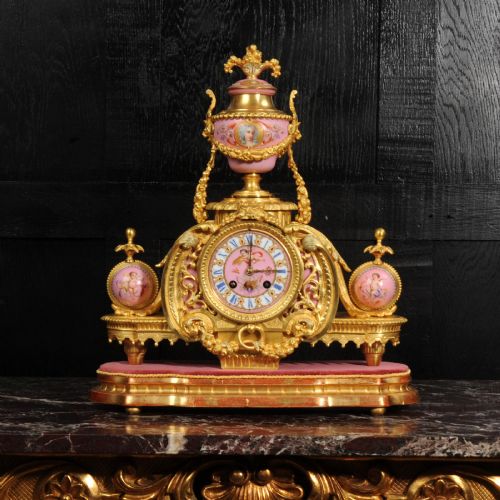
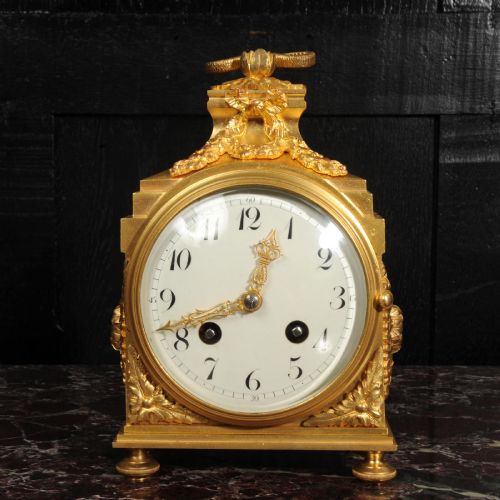
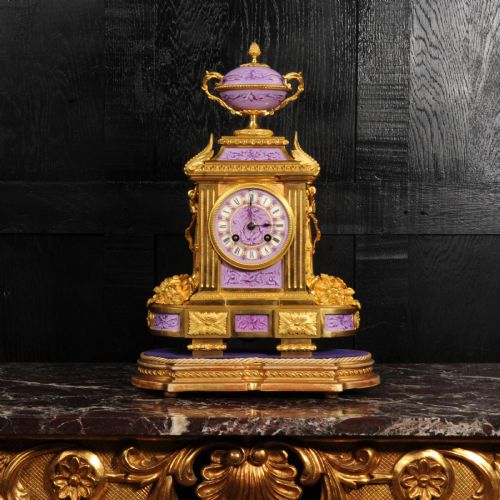
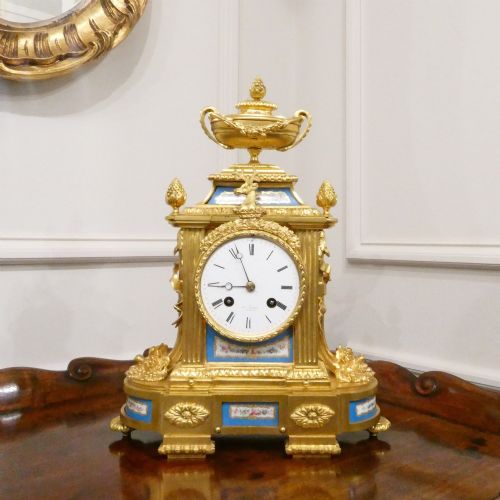
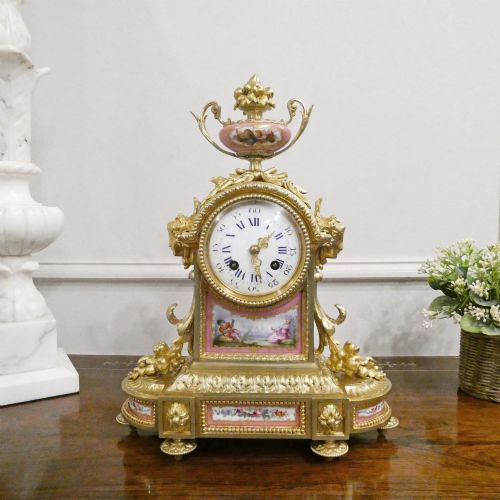
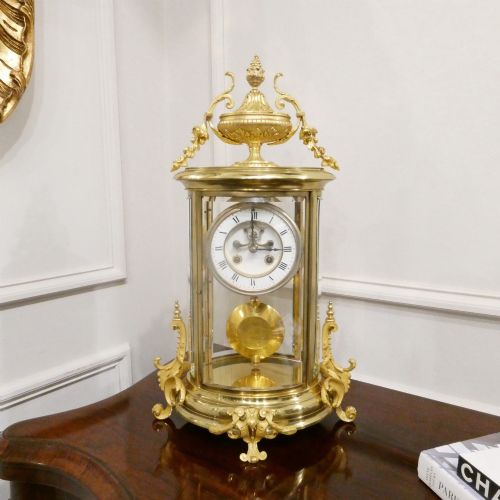
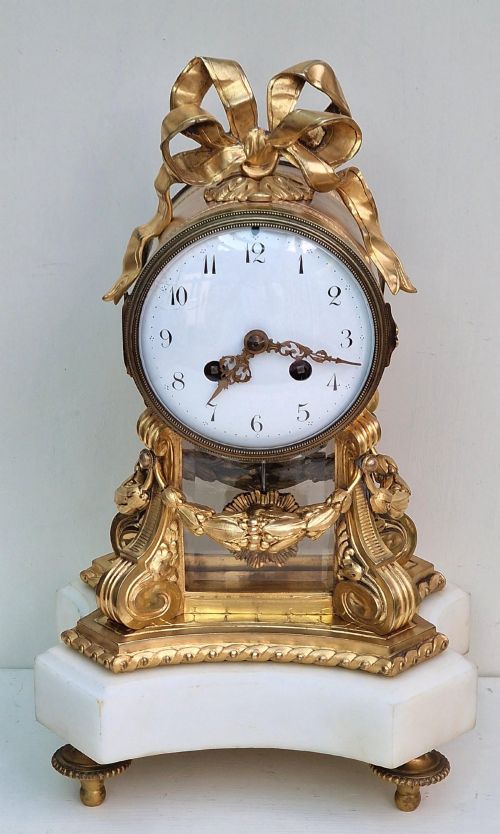
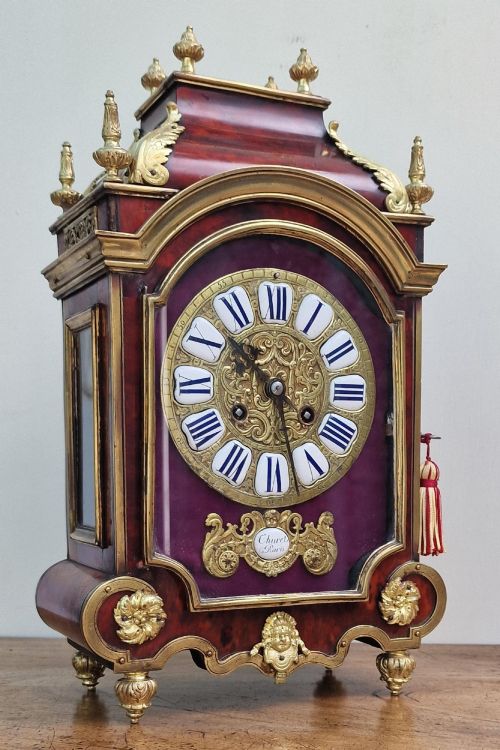
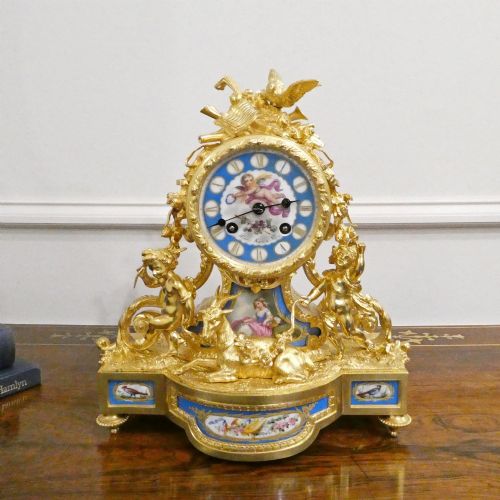
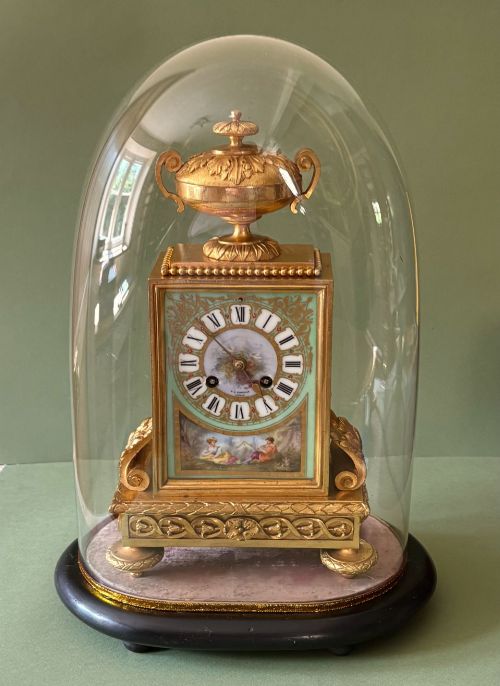
A french bronze mantel clock combines heavy cast metalwork with functional timekeeping, serving as a sculptural centrepiece for a room. These pieces appear frequently in nineteenth-century forms, drawing on Louis XVI, Empire, and Rococo revivals.
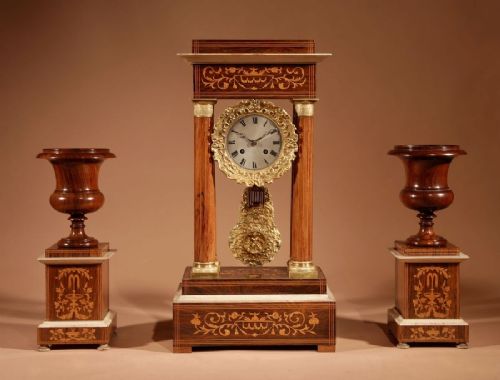
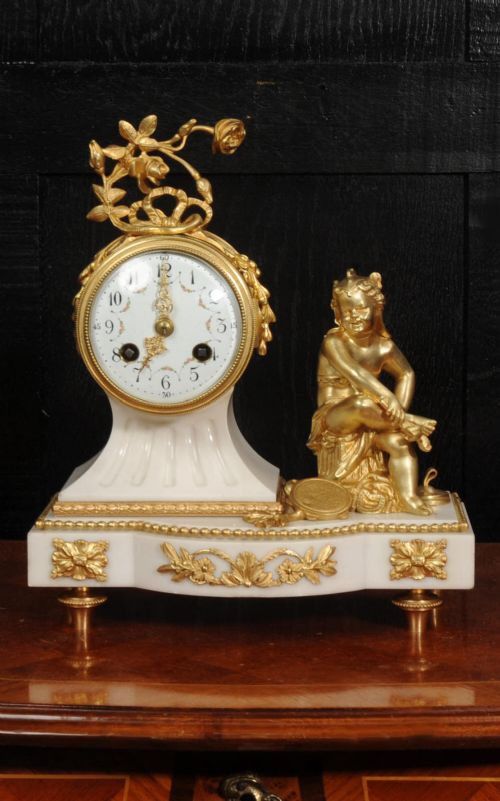
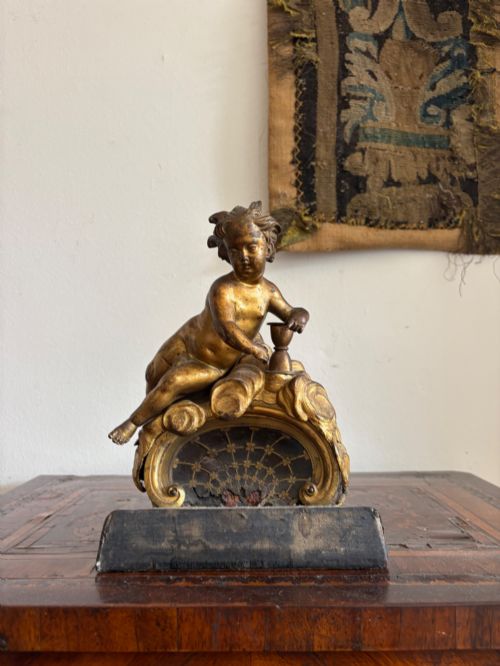
Makers housed these movements in architectural porticos, urn shapes, or figural compositions involving cherubs, classical heroes, and animals. Many examples arrive paired with matching side garnitures to form a complete decorative set for a fireplace mantel.
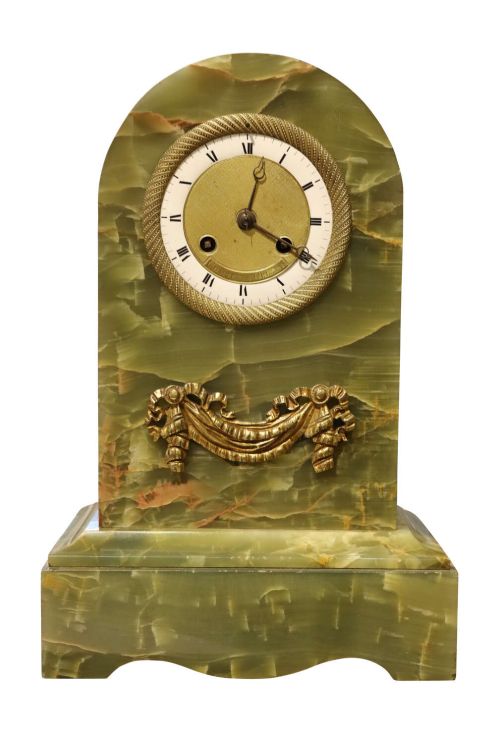
The material palette spans patinated dark bronze, bright ormolu, and various marbles including white, green, and rouge. Dial faces often feature painted enamel numerals set behind protective glass bezels.
How they were made
Foundries cast bronze and brass components before applying mercury gilding to create the bright ormolu surfaces seen on many cases. Skilled artisans then chased the cooled metal by hand to sharpen details on foliage, drapery, and figural hair.
Clockmakers fitted mechanical movements into these housings, utilising brass gear trains, anchor escapements, and silk-thread or pendulum suspensions. Stonemasons cut and polished marble and onyx bases to support the heavy metal assemblies.
French Bronze Mantel Clock Retail Price Guide 2026
Typical asking prices for french bronze mantel clock among the pieces listed under this phrase on Sellingantiques today, from the lower quarter to the upper quarter. They describe what is for sale here now, not the wider market.
Listings feature movements driven by brass gear trains housed within marble, bronze, and ormolu cases from the nineteenth century.
What varies in quality
The integration between movement and case also dictates standard, with maker-signed plates showing greater accountability than anonymous works. Well-weighted marbles and substantial gilt layers distinguish the heavier pieces from lighter iterations.
Achille Brocot·Henry Marc·Japy Freres·Samuel Marti·Vincenti·Leroy·Miroy Freres·Raingo Freres
The French Bronze Mantel Clock Glossary
- Ormolu
- Gilt bronze created by applying a mercury and gold amalgam to a bronze base before heating. This technique produces a durable, rich golden surface characteristic of luxury French clock cases.
- Garniture
- A set of matching decorative objects designed to sit together on a mantelpiece. These usually consist of a central clock flanked by matching candelabra, urns, or vases.
- Brocot escapement
- A visible pin-pallet escapement regulated from the dial face rather than inside the movement. Achille Brocot patented improvements to this mechanism during the nineteenth century.
- Champlevé
- An enamelling technique where troughs are dug into a metal surface and filled with coloured glass paste before firing. This colourful decoration often frames the dials of later nineteenth-century clocks.
- Portico clock
- A mantel clock structured like a miniature classical temple with four supporting columns. These architectural pieces often feature a suspended pendulum swinging between the pillars.
French Bronze Mantel Clock: Frequently Asked Questions
How do I wind the clock?
Most mechanical models require a dedicated winding key inserted into small holes on the enamel dial. Turning the key tensions the internal springs that drive the gear train.
Care must be taken not to overwind the mainspring, which can cause internal damage. A gentle resistance signals when the spring reaches full tension.
Why does the clock run fast or slow?
Clock timing fluctuates due to temperature changes, surface levelness, and the natural settling of mechanical gears over time. Adjusting the regulating pendulum alters the effective length of the swing to correct the speed.
Moving the small adjustment nut up or down on the pendulum bob speeds up or slows down the beat. Professional cleaning may be necessary if lubrication dries up inside the movement.
What is a clock garniture?
A garniture is a matching set of decorative objects designed to flank the main clock on a mantelpiece. These side pieces usually take the form of matching vases, urns, or candelabras.
Matching garnitures share the same bronze mounts, marble types, and stylistic motifs as the central clock. Finding a complete surviving set adds significantly to the historical context of the grouping.
How do I clean the bronze and marble?
Dust bronze and ormolu cases gently with a soft, dry brush to prevent accumulation in recessed crevices. Avoid liquid cleaners or abrasive cloths that can strip the delicate gilt layers.
Marble bases respond well to a slightly damp cloth followed by immediate drying. Acidic substances must be kept away from stone surfaces to prevent permanent etching.