
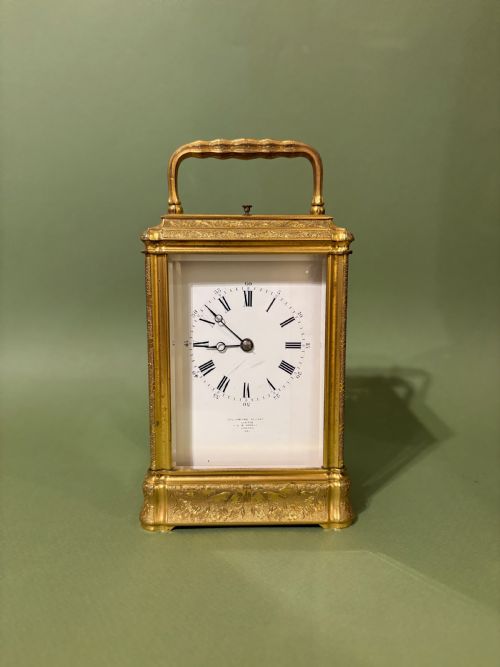
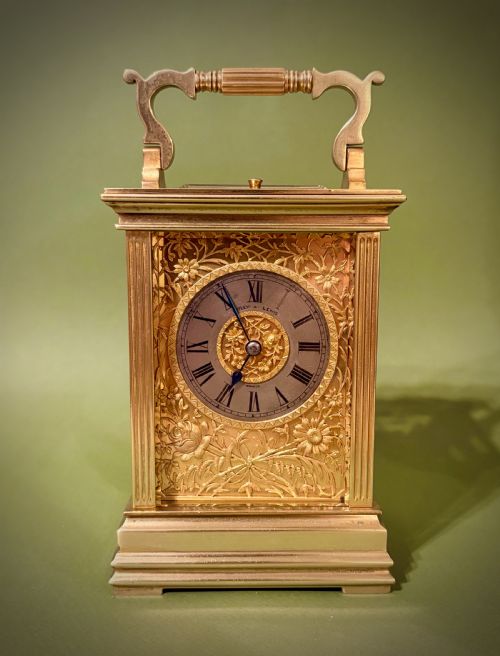
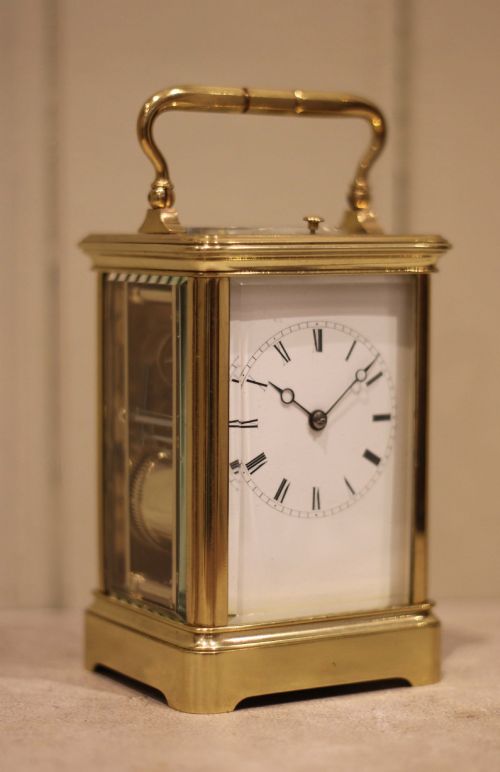

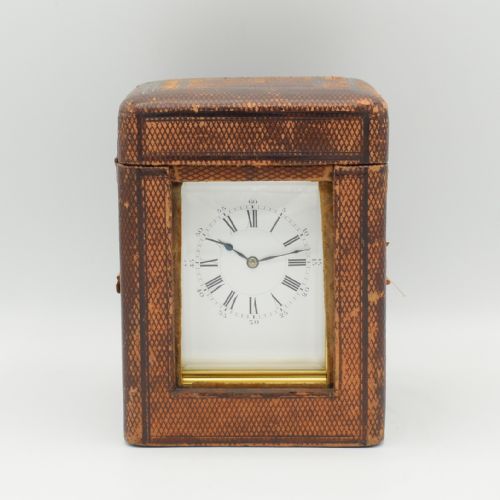
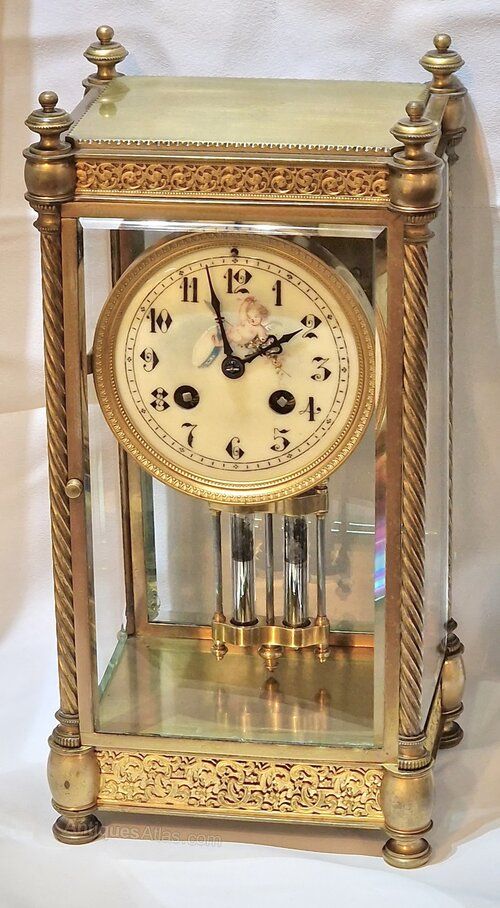
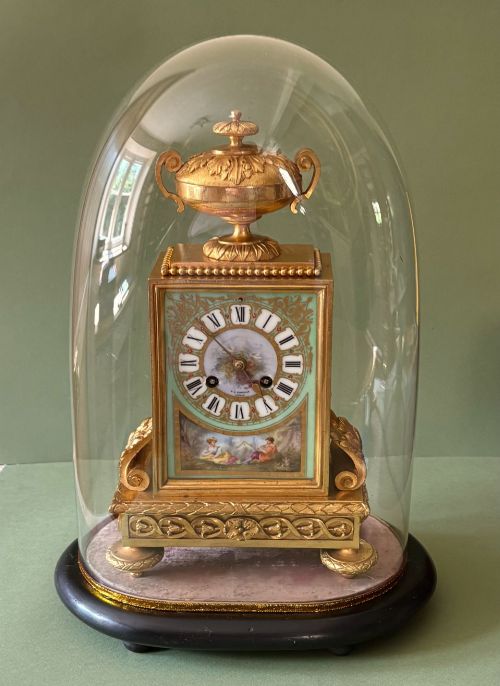
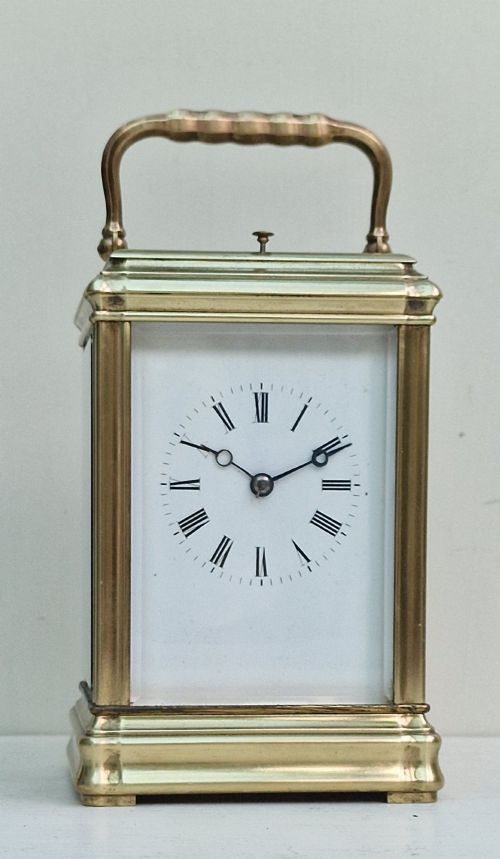
Victorian French Mantel Clock
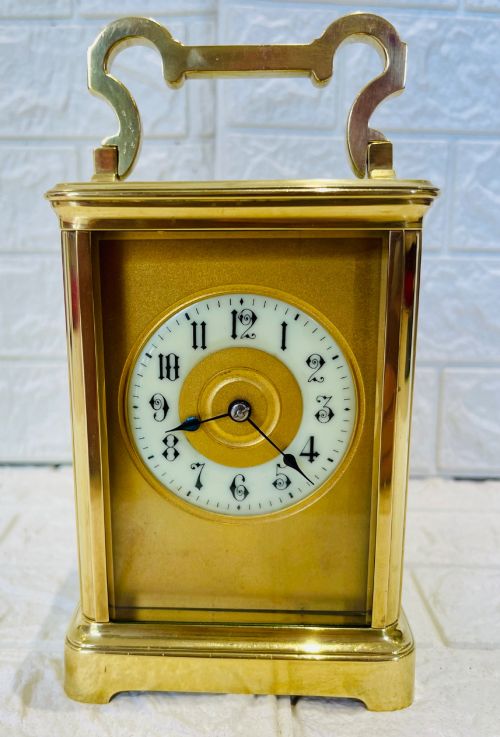
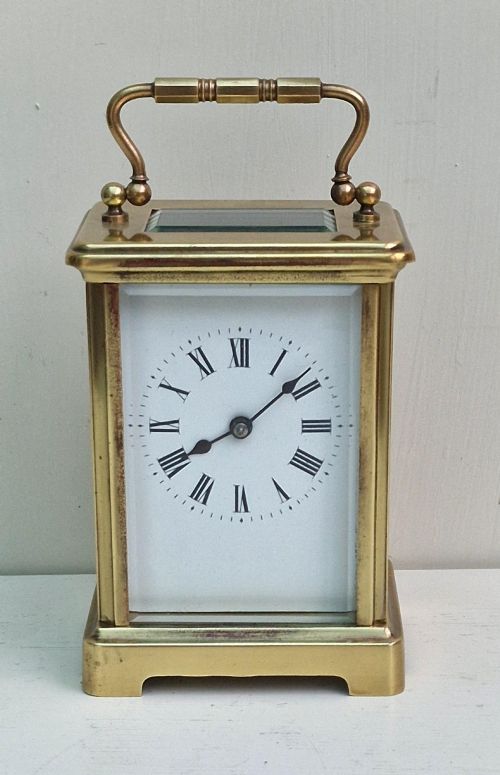
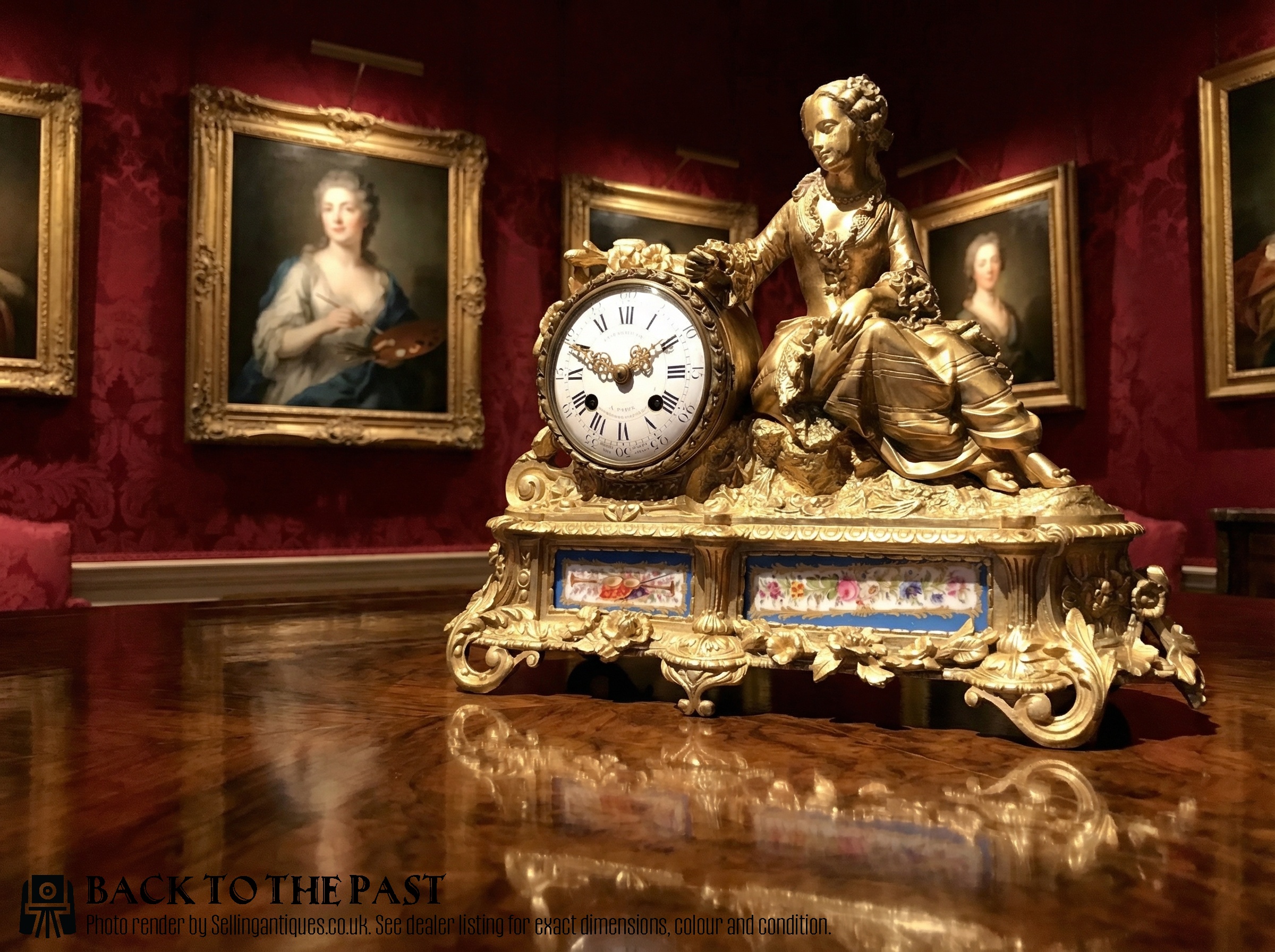
A victorian french mantel clock brings ornate European craft into a room, offering striking architectural forms and precise movement.

Identifying a victorian french mantel clock
A victorian french mantel clock combines continental styling with nineteenth-century craftsmanship, frequently appearing as a standalone timepiece or paired with matching garnitures. These items emerge from various decades across the century, reflecting the tastes of French and Victorian makers.
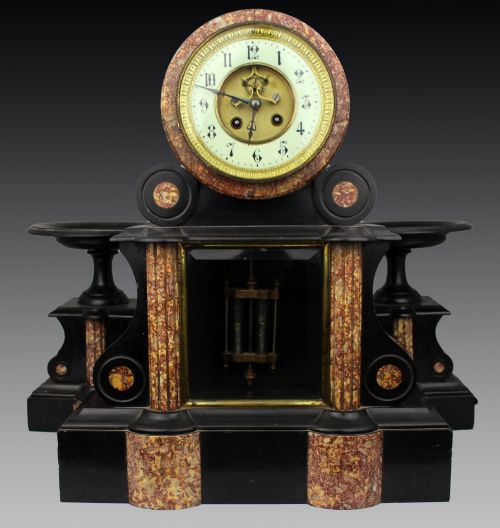
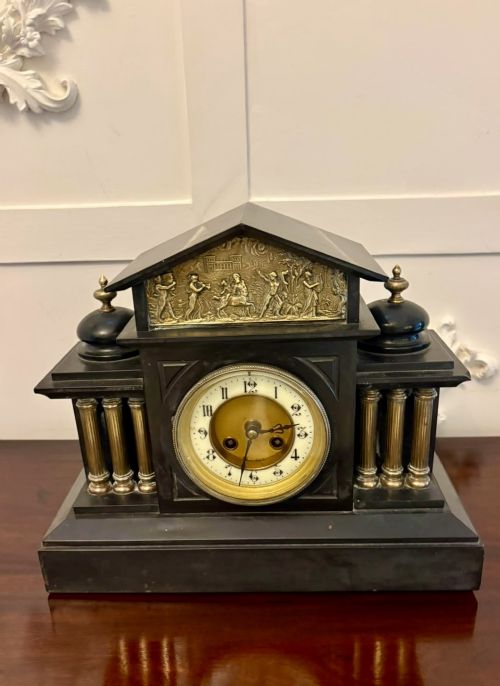
The objects take many forms, including drum head designs, architectural marble cases, and shaped wooden bodies. Buyers commonly encounter pieces utilising revival styles such as French Rococo, Second Empire, and Louis XVI.
Materials range from polished marble and slate to rich woods like rosewood and mahogany. Some examples incorporate elaborate Boulle tortoiseshell work or inlaid brass detailing.
Materials and construction
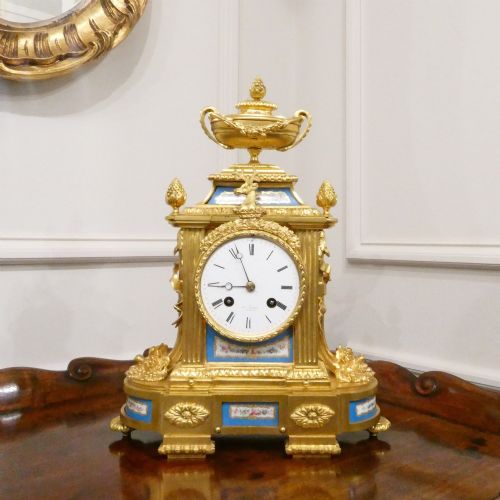
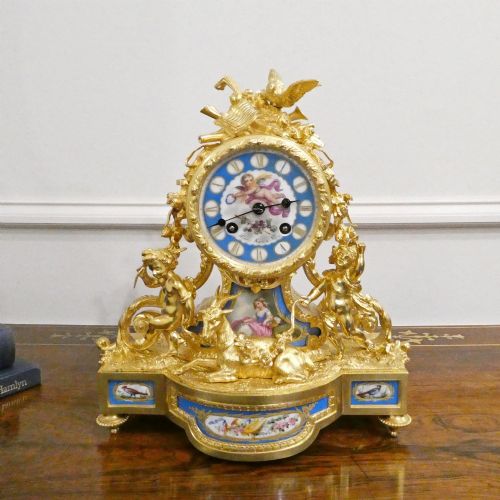
Casting and chasing created the elaborate metalwork seen on these clocks, utilising ormolu, gilt bronze, and gilt metal. Workers shaped heavy stones such as red marble, black marble, and slate to form sturdy architectural housings.
Cabinetmakers constructed wooden cases in rosewood and mahogany, frequently adding intricate brass inlay or Vernis Martin finishes. Dials often featured painted enamel numerals mounted behind protective glass doors.
Retail Price Guide 2026
Typical UK retail prices for victorian french mantel clock, calculated from the Sellingantiques database of over a million retail prices indexed since 2003. This retail price guide relies exclusively on Sellingantiques data; no external sources or auction records are used, so the figures do not describe the wider market.
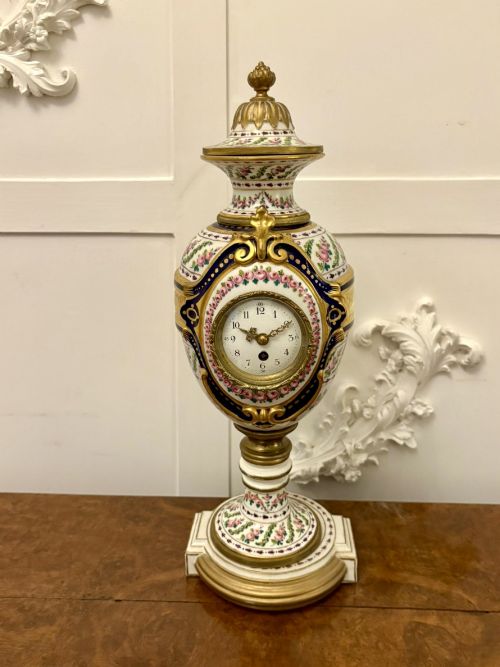
Some clocks hide their mechanisms behind painted porcelain shepherdesses while heavy marble lions guard the flanks.
Evaluating the pieces
Quality shows in the crispness of the cast metal mounts and the depth of the marble or wood polishing. Superior examples display refined proportions and harmonious integration between the case and the dial.
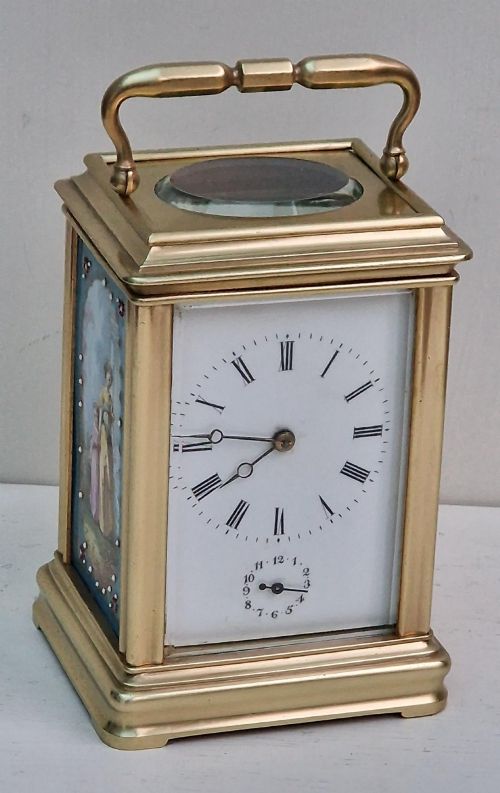
The precision of the decorative elements, from Sevres porcelain panels to fine marquetry, separates standard items from exceptional ones. Maker signatures on the movement also indicate a higher level of workshop output.
Samuel Marti·Achille Brocot
The Victorian French Mantel Clock Glossary
- Ormolu
- Gilded bronze produced by applying a mercury and gold amalgam to a bronze base. This technique creates a rich golden finish characteristic of many decorative mounts.
- Sevres style
- A term describing porcelain decorated in the manner of the famous French royal factory. These panels often feature hand-painted scenes and rich colour grounds.
- Garniture
- A set consisting of a central clock flanked by matching decorative objects such as urns or candelabra. Such sets were designed to sit symmetrically on a fireplace mantel.
- Boulle
- A style of marquetry using tortoiseshell and brass inlay developed in France. The technique creates contrasting patterns of dark shell and polished metal.
Frequently Asked Questions
How do I wind the clock?
Use the appropriate key on the winding arbors located on the enamel dial. Turn gently until resistance is felt, avoiding over-winding to protect the internal spring.
Ensure you keep the key in a safe place nearby so it does not get lost between weekly windings.
Why does the clock run fast?
Changes in temperature and age can affect the pendulum regulation. Adjust the small nut on the pendulum bob up to speed the clock up or down to slow it down.
Allow the movement to settle after making small adjustments over the course of a few days.
Where should I place the clock?
Select a stable surface away from direct sunlight, draughts, and moisture to protect the wooden case and delicate metal gilding. A sturdy mantelpiece or sideboard works best.
Ensure the surface is completely level so the pendulum swings evenly and keeps accurate time.
How do I clean the marble case?
Dust the marble regularly with a soft, dry cloth to prevent dirt accumulation. Avoid harsh chemical cleaners or excess water that might damage inlaid sections or metal mounts.
For stubborn marks, use a slightly damp cloth with mild soap, drying the stone immediately afterwards.