


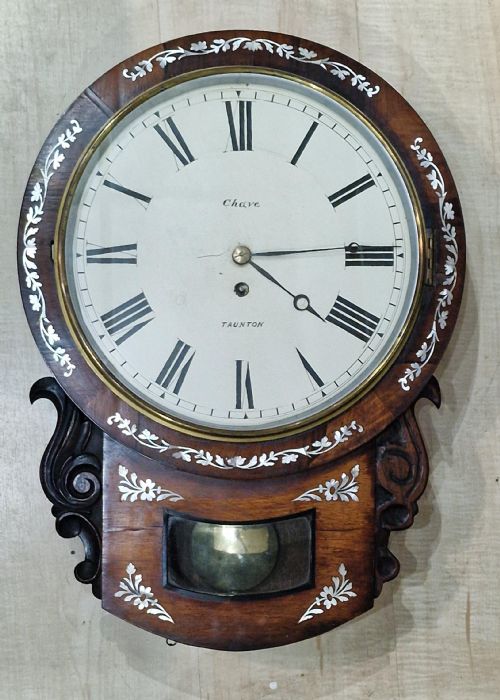


Inlaid Rosewood Clock
An inlaid rosewood clock brings rich cabinet timber and precise brass or lemon wood detailing into domestic spaces.
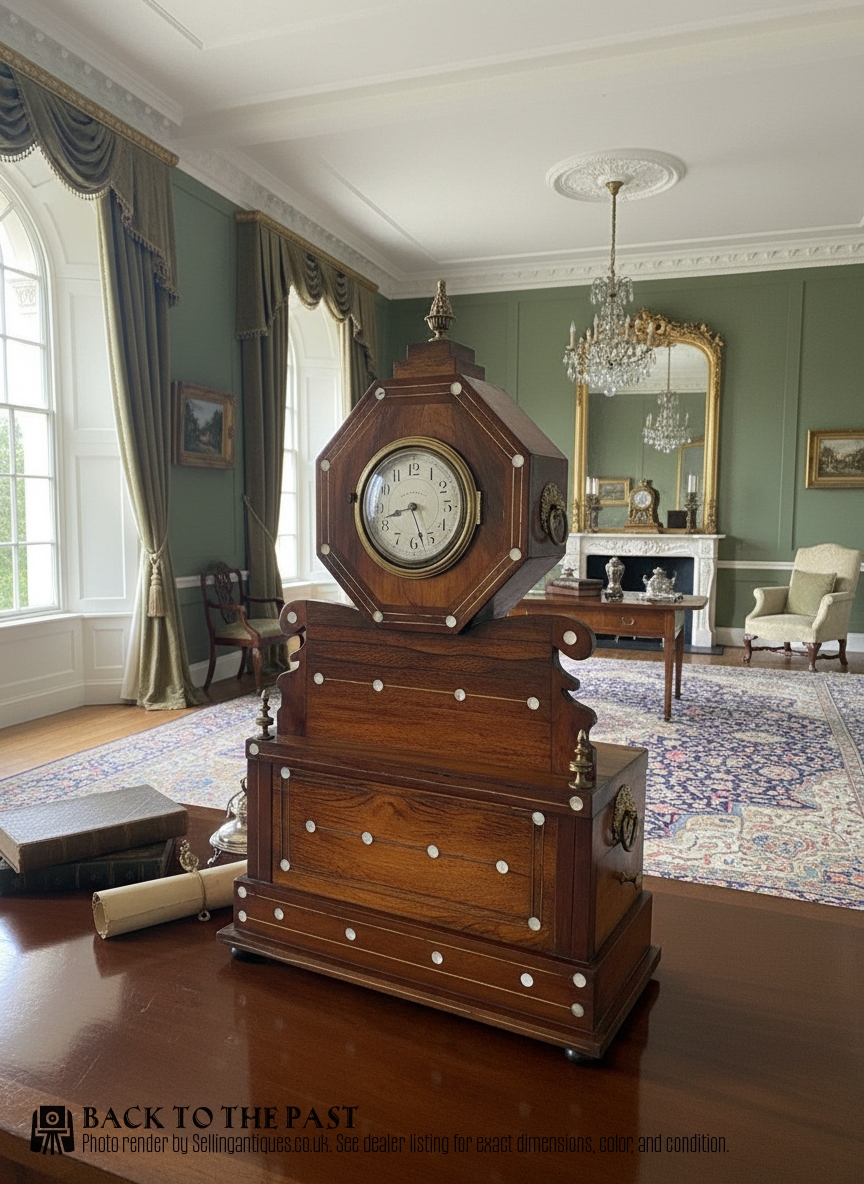
Inlaid Rosewood Clock
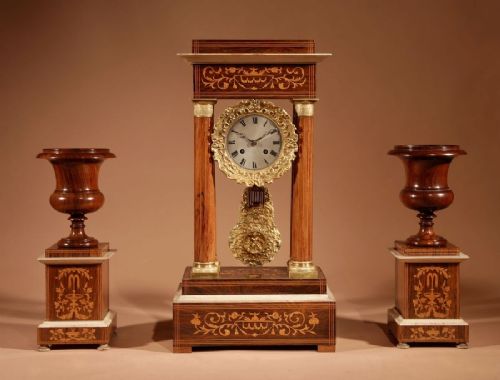
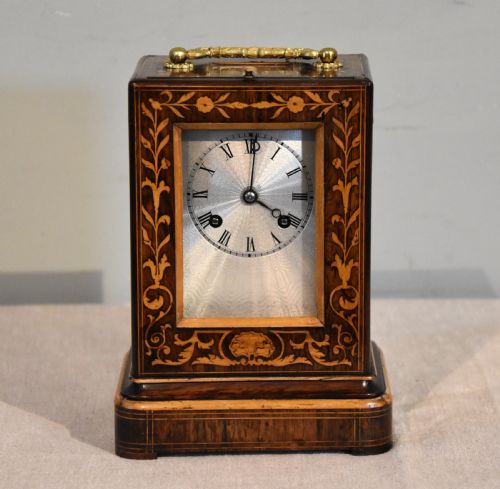
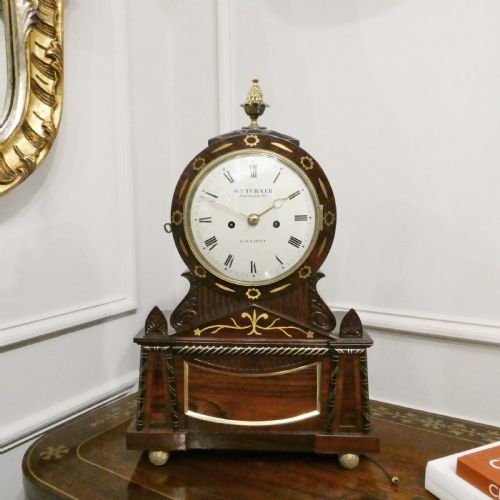
An inlaid rosewood clock spans mantel, bracket, and wall-hung formats originating across the nineteenth century. Regency and Victorian examples predominate, alongside French portico and drop-dial wall regulators.
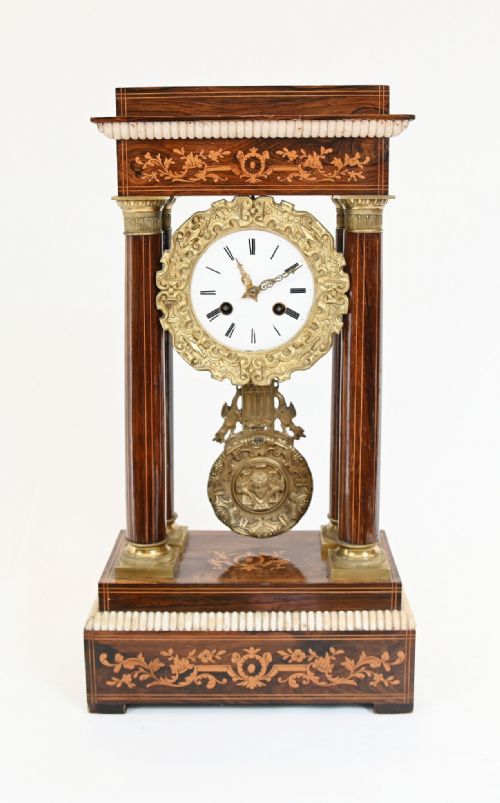
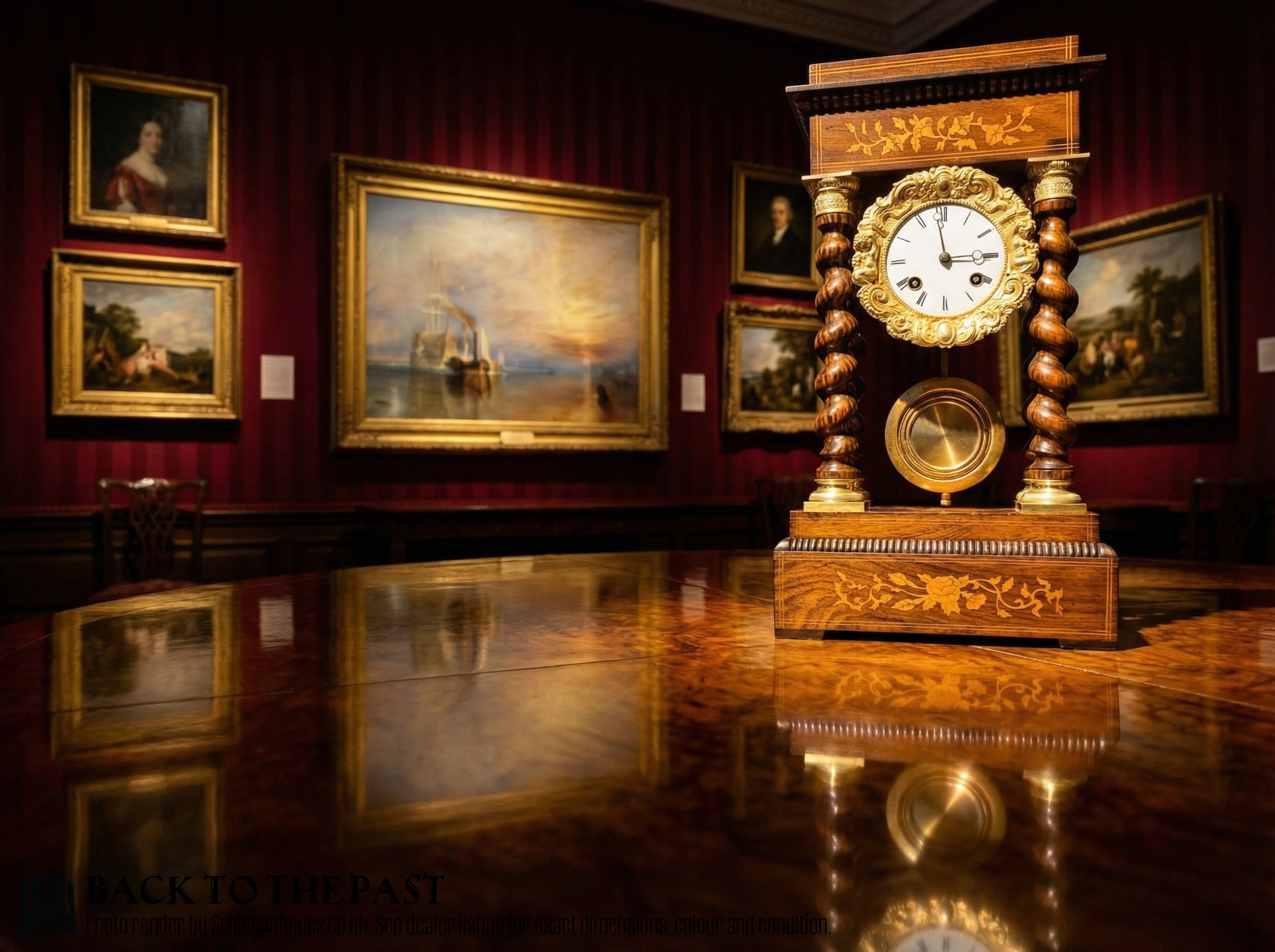
Makers integrated marquetry and stringing into dense tropical hardwood cases designed for principal rooms. Architectural portico layouts and robust fusee dial mechanisms appear frequently across the selection.

Materials and construction
Craftsmen built heavy cases from solid rosewood or applied fine veneers over secondary timbers, integrating contrasting lemon wood or satinwood stringing. Brass inlay, ormolu mounts, and mother-of-pearl accents decorated the polished exterior surfaces.
Movements relied on brass gear trains, enamel dials, and glass viewing covers, utilising fusee or spring-driven escapements to regulate time accurately.
Inlaid Rosewood Clock Retail Price Guide 2026
Typical asking prices for inlaid rosewood clock among the pieces listed under this phrase on Sellingantiques today, from the lower quarter to the upper quarter. They describe what is for sale here now, not the wider market.
Listings feature nineteenth-century rosewood cases enhanced with brass inlay, mother-of-pearl, and enamel dials.
Quality factors
Refinement separates standard production models from exceptional workshop pieces. Crispness in the brass engraving, complexity of the marquetry patterns, and the reputation of the horologist define the upper tier.
The choice of cabinet wood figure and the integration of architectural columns or gilt bronze mounts distinguish superior examples.
George Orpwood·Seller of Reading·Henry Marc·Paul Garnier·Ganthony of London·Walker and Hall
The Inlaid Rosewood Clock Glossary
- Fusee
- A conical pulley connected to the mainspring by a chain or cord, designed to equalise the driving force as the spring unwinds. This mechanism is standard in better quality English bracket and wall clocks.
- Portico clock
- A monumental clock style featuring twin architectural pillars supporting the movement housing, frequently embellished with ormolu and French marquetry. These cases often stand on stepped plinths.
- Drop-dial
- A wall clock configuration where the circular dial sits above an extended wooden trunk, allowing room for a swinging pendulum. They were widely utilised in offices, halls, and railway stations.
- Marquetry
- The art of applying thin slices of various decorative woods to a structural surface to form pictorial or geometric patterns. Rosewood cases often utilise contrasting satinwood or lemon wood for this work.
- Bracket clock
- A portable timekeeper originally designed to sit upon a dedicated wall bracket or furniture surface. Many examples incorporate striking mechanisms and elaborate brass carrying handles.
Inlaid Rosewood Clock: Frequently Asked Questions
Where should I place a wall clock?
Mount the clock on a stable interior wall away from direct sunlight, dampness, and major draughts. Solid masonry or secure stud fixings support the substantial weight.
Ensure the case hangs level so the pendulum swings evenly without catching the interior backboard.
How do I identify a Regency period piece?
Regency clocks typically display restrained classical proportions, architectural brass stringing, and select rosewood veneers. Maker signatures often appear on the dial or internal backplate.
Compare the brass inlay motifs and dial surrounds with documented examples from London workshops active in the early nineteenth century.
What is the difference between a mantel and a bracket clock?
Mantel clocks are generally designed for domestic fireplace surrounds, resting directly on a flat surface without a supporting bracket. Bracket clocks historically sat upon matching wall shelves.
Bracket clocks often feature more complex striking trains and side sound frets designed to project the bell chime.