
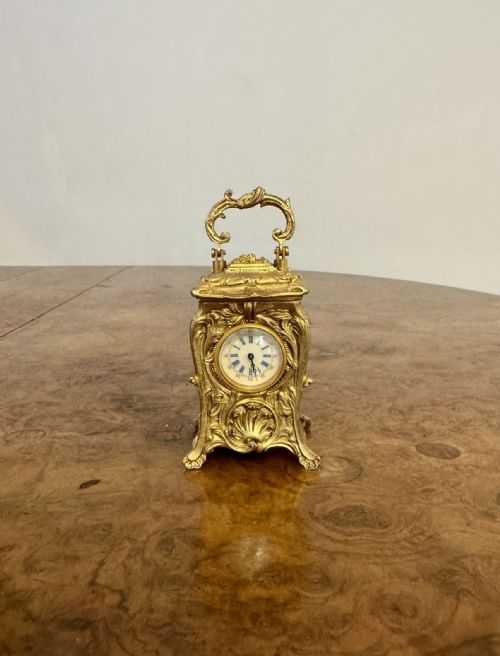


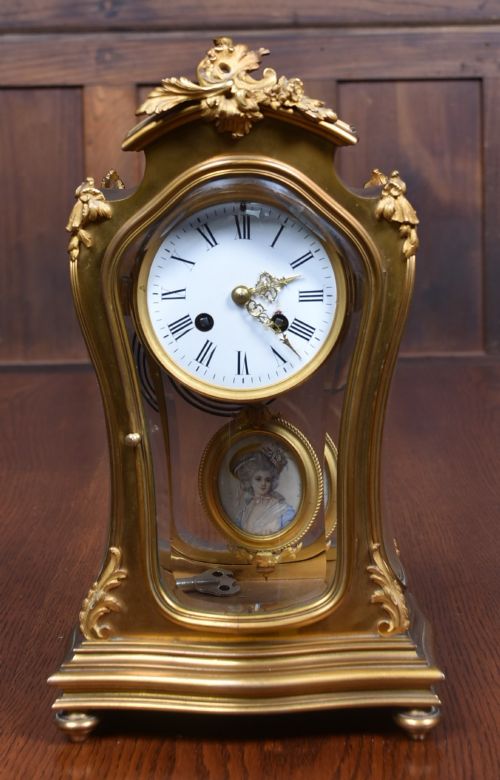
Rococo Gilt Bronze Clock
These rococo gilt bronze clock pieces bring exuberant French styling and ornate metalwork into a room, offering both reliable timekeeping and decorative presence.
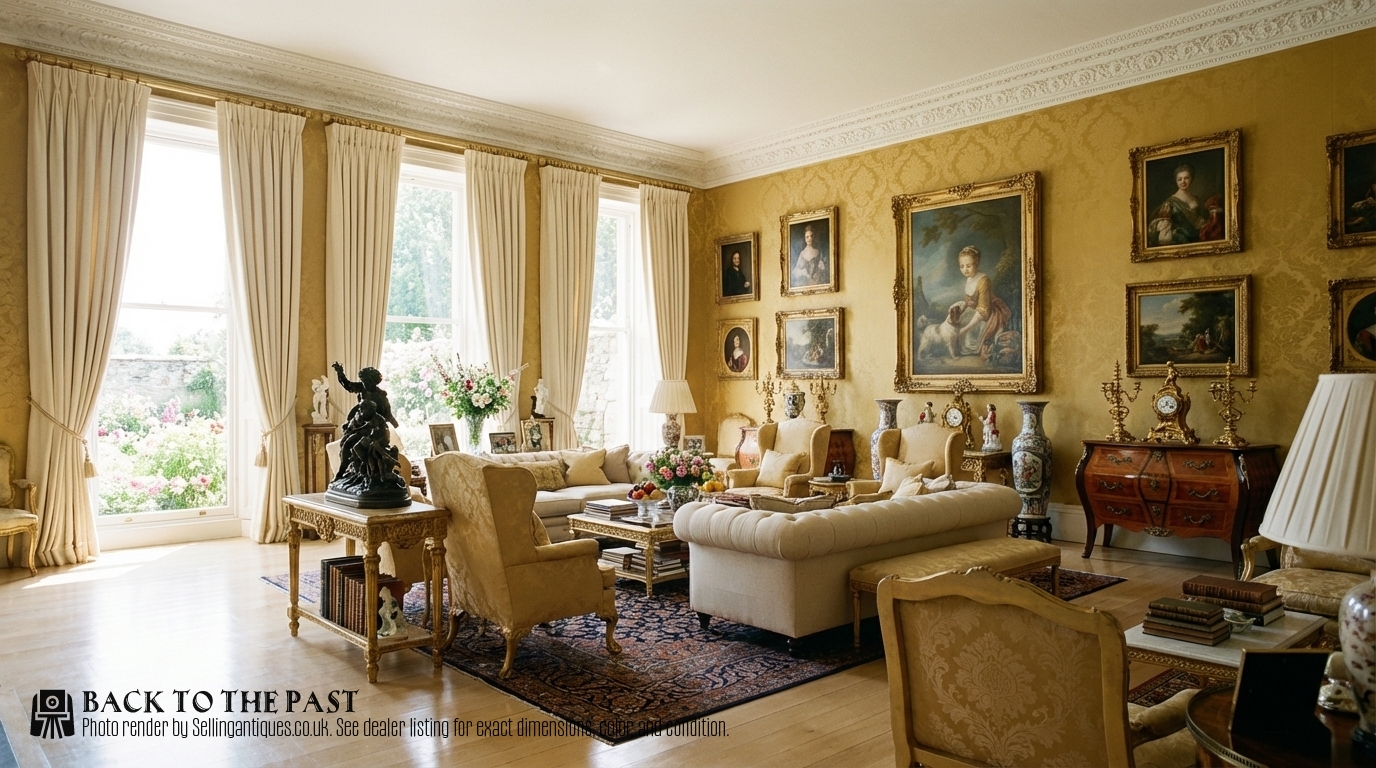
Identifying a rococo gilt bronze clock
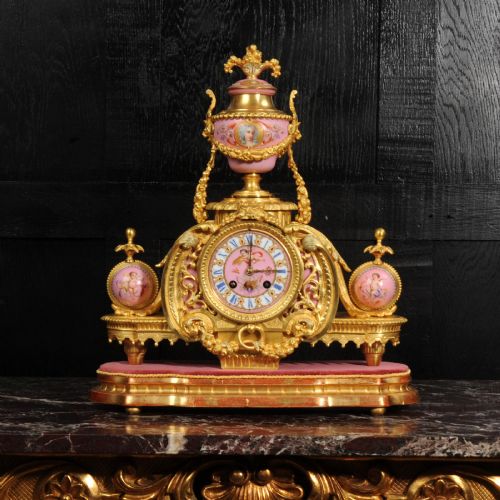
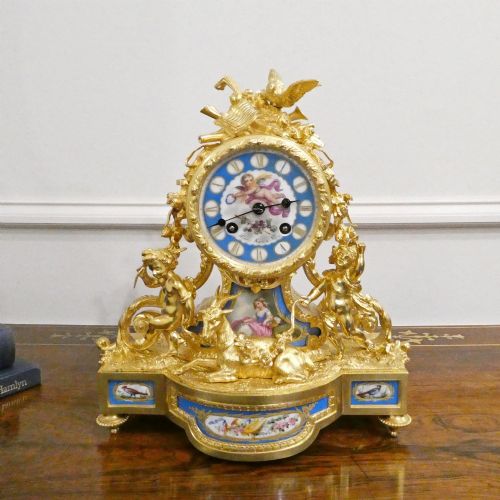
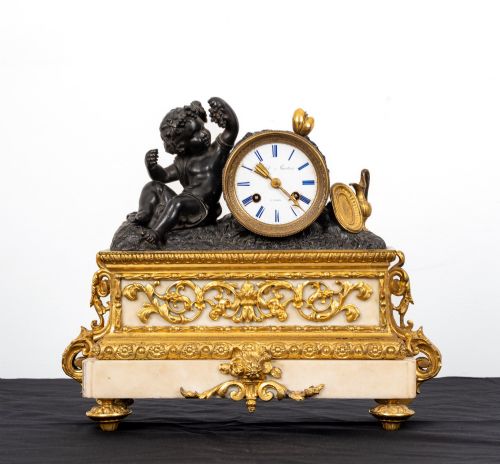
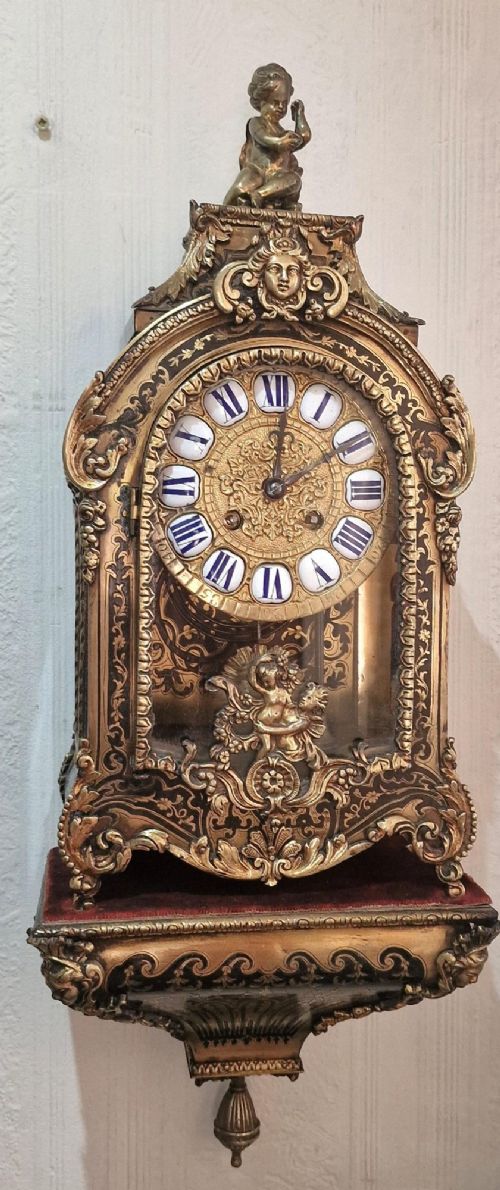
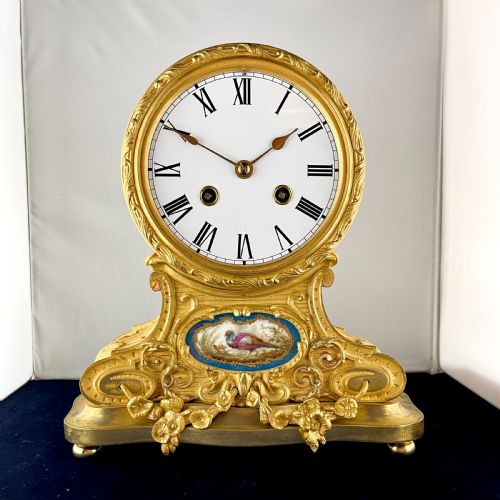
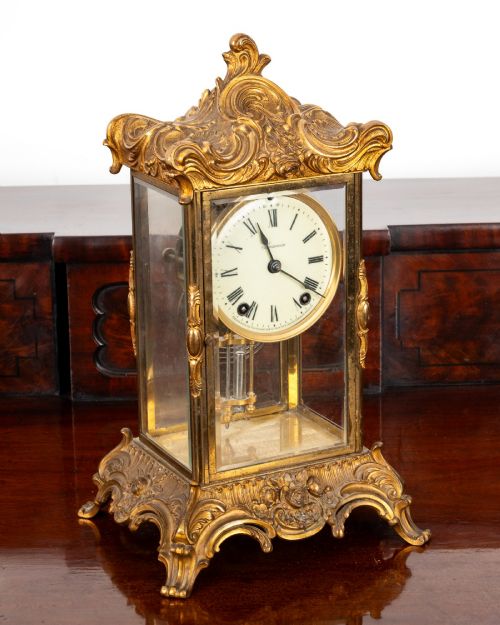
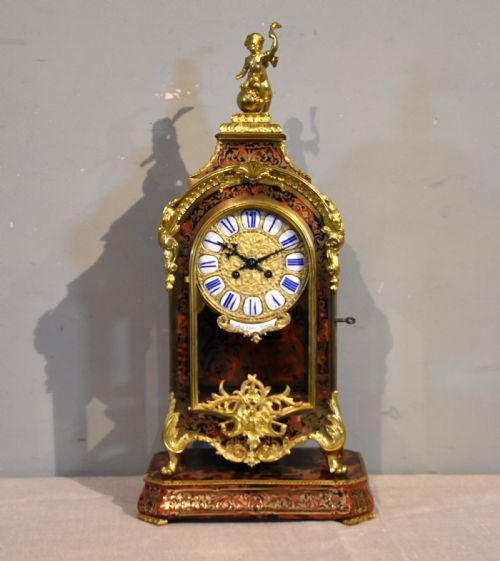
A rococo gilt bronze clock represents elaborate 19th-century French metalwork, drawing heavily on Louis XV and Rococo Revival aesthetics. The category encompasses mantel clocks, wall-mounted cartel clocks, and multi-piece clock garnitures accompanied by candelabras.
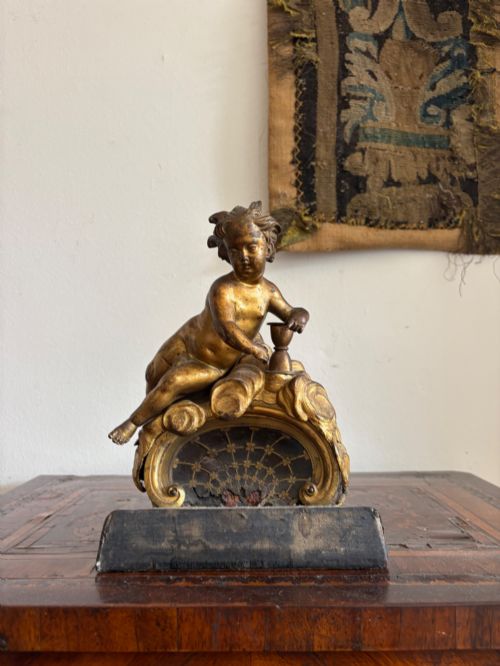
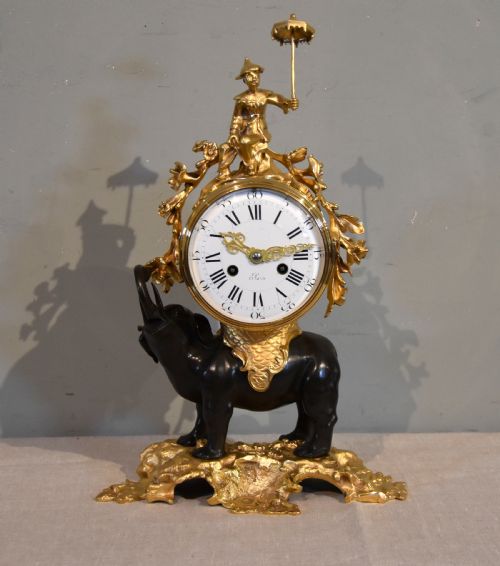
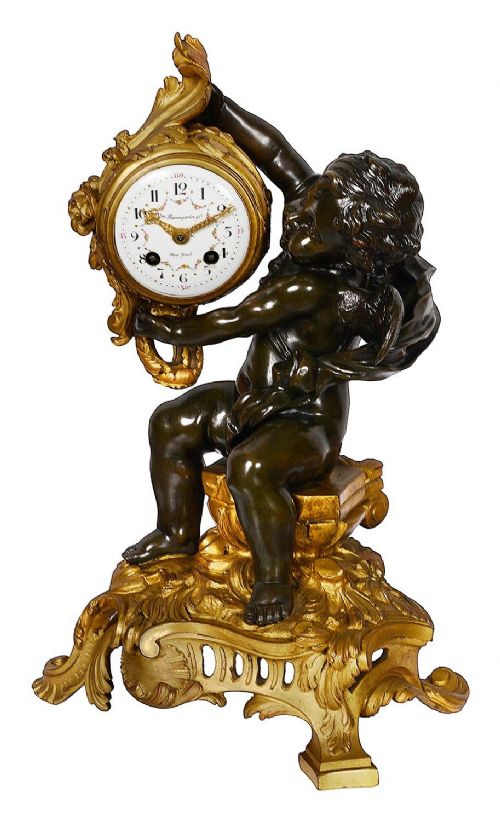
Most examples originate from the nineteenth century, spanning decades such as the 1860s, 1870s, and 1880s under Napoleon III influence. These timepieces frequently incorporate figurative motifs, including cherubs, cupids, elephants, dolphins, and mythological figures like Neptune.
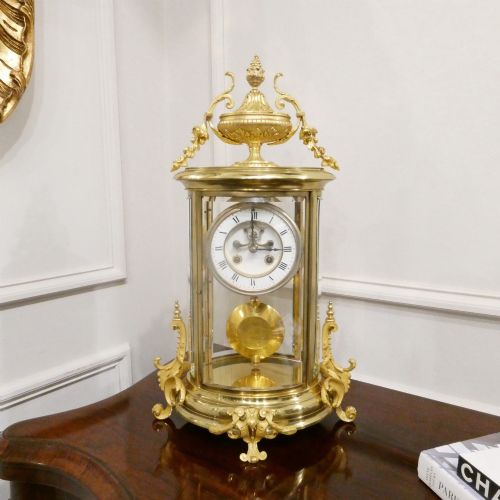
Buyers encounter freestanding mantel versions alongside tall four-glass bracket clocks and wall-hanging cartel clocks. Many pieces retain original components such as hand-blown glass domes or matching side ornaments.
Materials and construction
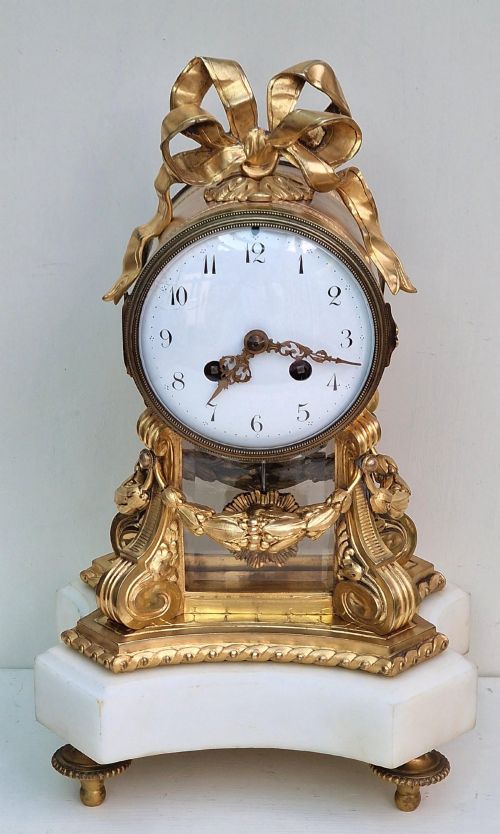
Craftsmen shaped these heavy cases using gilt bronze, ormolu, and patinated bronze, often combining the metal with white marble or ebonised wood bases. Exposed movements operate behind glass panels or painted enamel dials.
Surface ornamentation relies on mercury gilding or modern electroplating to achieve the characteristic rich lustre of ormolu. Metal elements are cast with asymmetrical scrolls, floral mounts, and figurative sculpture integral to the French rococo style.
Retail Price Guide 2026
Typical UK retail prices for rococo gilt bronze clock, calculated from the Sellingantiques database of over a million retail prices indexed since 2003. This retail price guide relies exclusively on Sellingantiques data; no external sources or auction records are used, so the figures do not describe the wider market.
Listings feature 19th Century periods alongside styles such as Napoleon III, Louis XV, and French Baroque.
Distinguishing quality in ormolu clocks
The refinement of the casting and chiselling separates standard production from exceptional work. Superior pieces display crisp, hand-finished detailing across complex scrollwork and figurative elements without surface blurring.
The integration of the clock movement with the cast bronze case indicates overall standard. Signed movements from established French makers provide greater historical interest than unsigned alternatives.
Japy Freres·Samuel Marti·Vincenti·Raingo Freres·Louis Japy·A.D. Mougin·Verger Freres of Paris
The Rococo Gilt Bronze Clock Glossary
- Ormolu
- Gilt bronze produced by applying a finely ground high-carat gold-mercury amalgam to a bronze base and heating it. This technique creates a durable golden finish characteristic of French decorative objects.
- Cartel clock
- A wall-mounted clock featuring an ornate frame matching the material of the movement housing. These units are secured directly to a wall rather than resting on a mantel.
- Garniture
- A set comprising a central clock flanked by matching decorative objects such as candelabras or urns. They were designed to sit together on a mantelpiece.
- Chain fusee
- A mechanical device utilising a conical pulley and chain to ensure even tension as the clock spring unwinds. This mechanism improves timekeeping accuracy across the power reserve.
- Patinated bronze
- Metal treated with chemical solutions to produce a dark, aged surface finish. It provides contrast against the bright areas of gilt bronze.
Frequently Asked Questions
How do I wind a mantel clock?
Most mechanical models require a key inserted into the dial face to tension the springs behind the movement.
Care should be taken not to over-wind the mechanism to avoid damaging the internal springs.
Can these clocks be repaired?
Professional horologists can service and restore the mechanical movements found within these antique metal cases.
Missing or damaged bronze elements can also be restored by specialist metalworkers.
Where should I place a glass dome?
Original hand-blown glass domes should rest securely on a flat wooden or marble base over the clock body.
Placement should avoid high-traffic areas where the delicate glass might be accidentally knocked.
How do I identify the period?
Stylistic cues such as Louis XV Revival details and materials like white marble point towards nineteenth-century French manufacturing.
Maker signatures stamped on the back plates often provide more precise production dates.