



Black Wood Clock
A black wood clock brings dark timber and striking mechanics together, whether carved in the valleys or polished in the city.
Black Wood Clock
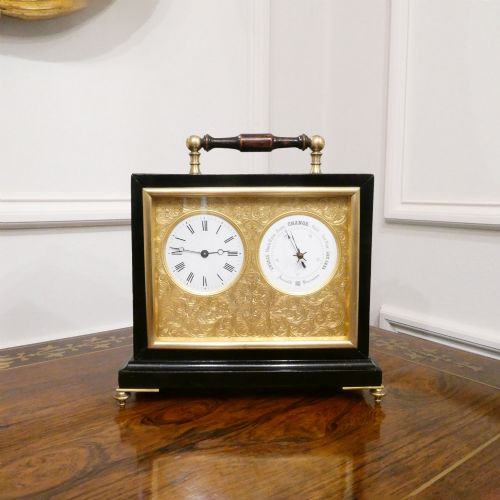
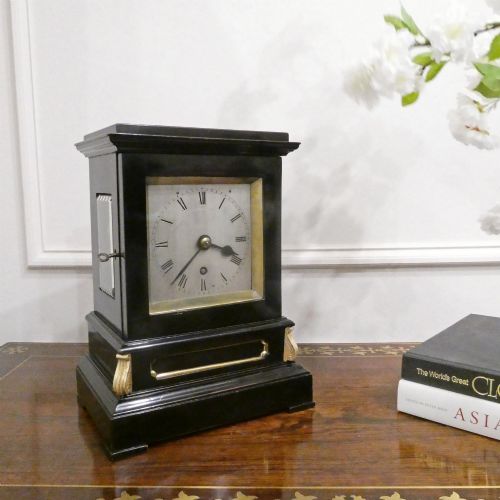
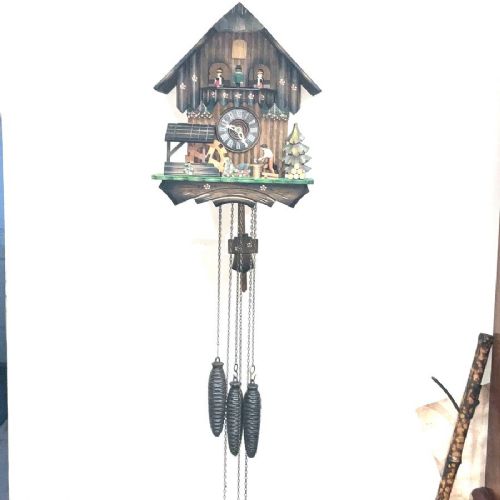
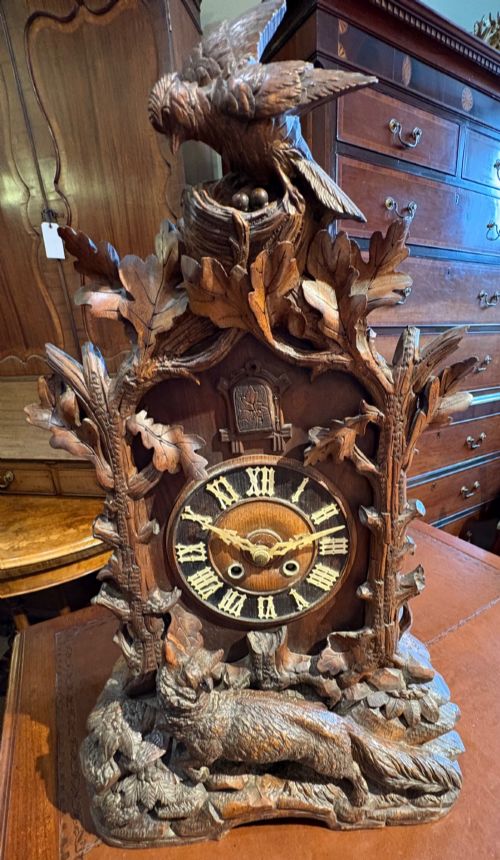
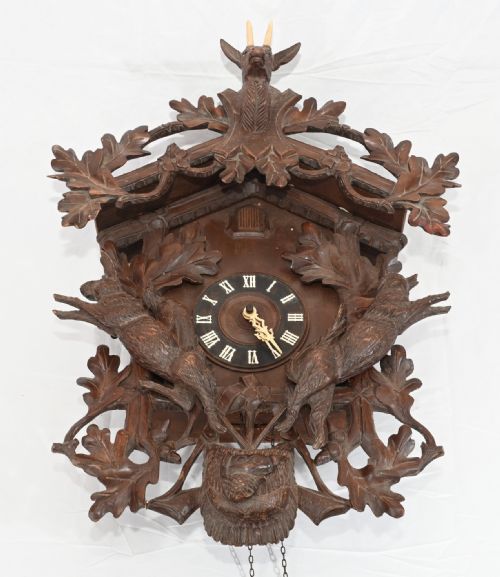
A black wood clock most often appears as a carved Black Forest wall or table piece, alongside ebonised library and mantel models from the Victorian era.
The material palette relies heavily on walnut, linden wood and ebonised timber, housing brass movements and enamel dials.
Buyers encounter regional wall regulators and architectural mantel cases spanning the eighteenth century through to the Edwardian period.
Materials and construction
Carvers shaped linden wood and walnut into elaborate foliage and animal motifs, while cabinetmakers applied ebonised finishes to smooth timber cases.
Movements combine brass wheels and plates with glass dial covers and ceramic or enamel chapter rings.
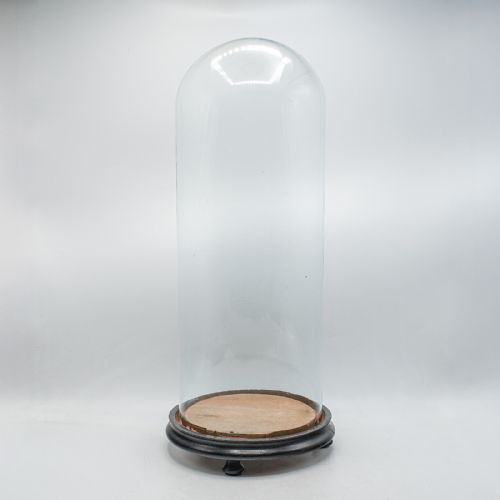
The listings combine German Black Forest wood carvings with English ebonised bracket clocks and glass display domes.
Assessing craftsmanship
Depth and precision in hand carving distinguish regional woodland pieces, separating sharp relief work from softer execution.
Johann Baptist Beha·Des Granges·Gardner of London·John Taylor·D Robertson of Perth·Henry Marc·Junghans
The Black Wood Clock Glossary
- Ebonised wood
- Timber stained or painted to imitate ebony. This finish gained popularity during the Victorian period for library and mantel clocks.
- Fusee
- A conical pulley used in spring-driven clocks to maintain even power as the mainspring unwinds. It ensures more reliable timekeeping.
- Vienna Regulator
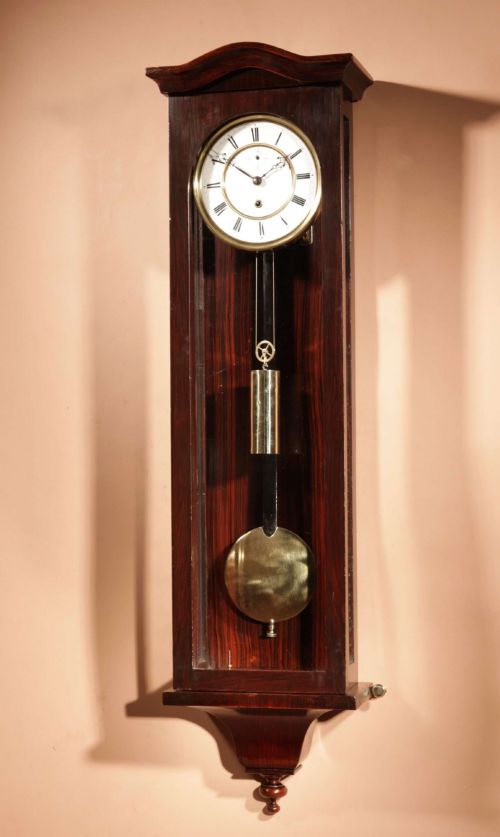
- A precision wall clock developed in Austria during the nineteenth century. These pieces feature long pendulums and clear glass sides.
- Cuckoo clock
- A weight-driven or spring-driven timekeeper that sounds the hours with a mechanical bird call. They originate from the Black Forest region.
Black Wood Clock: Frequently Asked Questions
How do I wind a mechanical black wood clock?
Insert the appropriate key into the winding holes on the dial and turn gently until resistance is met.
Take care not to overwind the spring, as this can damage the internal mechanism.
Where should I place a heavy wooden mantel clock?
Position the piece on a stable, level surface such as a sideboard or mantelpiece to ensure the pendulum swings evenly.
Avoid areas exposed to direct sunlight or fluctuating household temperatures.
How do I tell a Victorian ebonised clock from an earlier piece?
Examine the timber finish and hardware styling for clues to the period.
Victorian ebonised clocks often display Aesthetic Movement influences or heavy brass mounts compared to eighteenth-century bracket designs.